Harish Exports — Verified Supplier
About Harish Exports - Fresh Produce Exporter in India
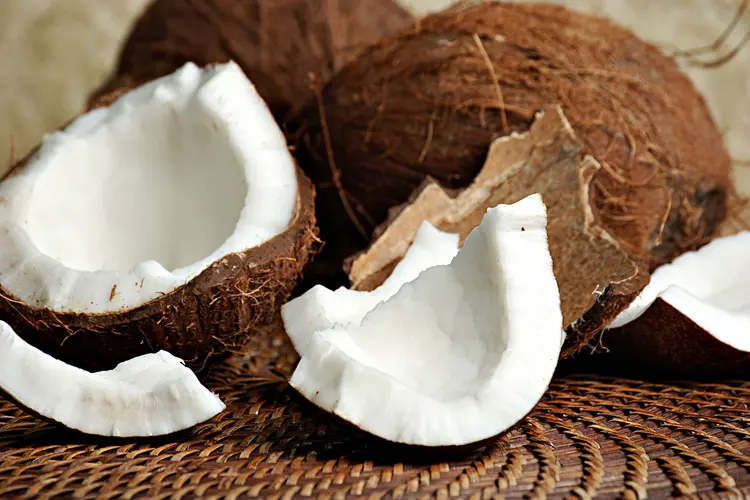
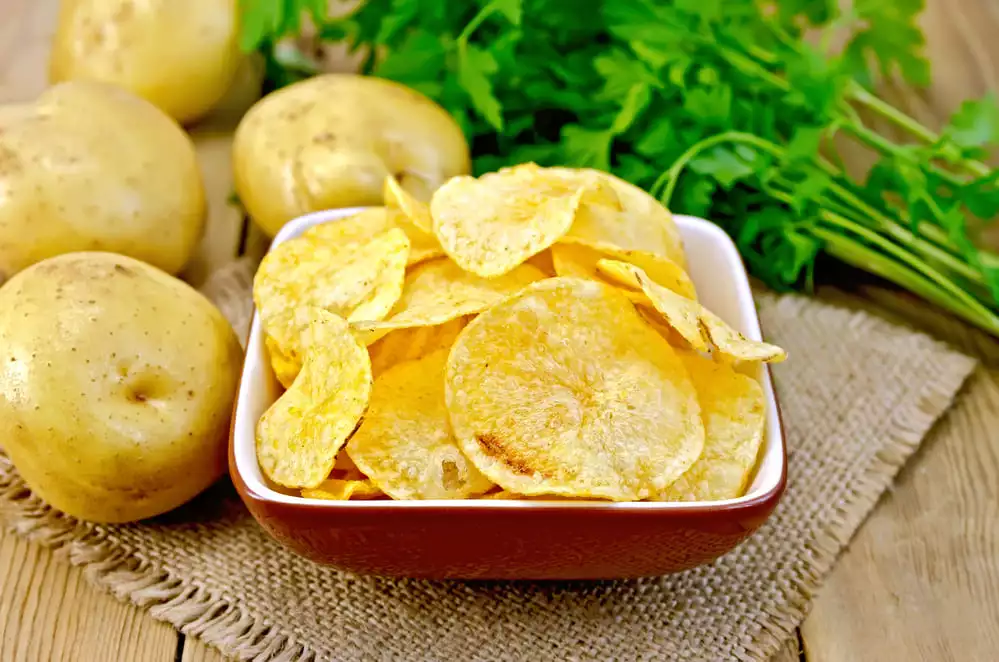
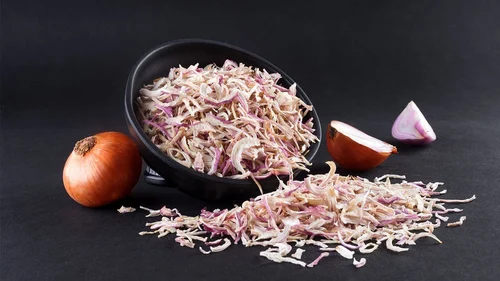
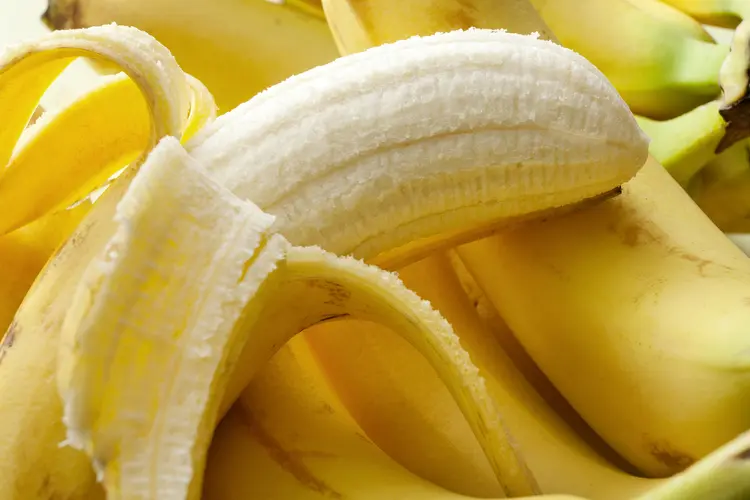
Harish Exports is an India-based supplier operating out of the country with an active catalogue of 10 fresh-produce SKUs, focused on vegetables, tropical fruit and tuber crops that are core to South Asian agricultural export flows. The catalogue covers eight named vegetables and two tropical fruit/tuber lines, spanning everyday staples (potato, onion, sweet potato, yam) alongside fresh green chilli, bitter gourd (karela), lady's finger (okra), beet root, and coconut, plus banana/plantain. Only one HS code is documented in the catalogue - 0803.00 for the banana/plantain line, which falls under Chapter 08 (Edible fruit and nuts) of the Harmonized System and covers fresh or dried bananas, including plantains, of the Musa genus. The product mix is consistent with the typical Indian fresh-produce export basket shipped from western and southern growing belts: Nashik and Maharashtran onions, Gujarat and Madhya Pradesh potatoes, Kerala and Tamil Nadu coconuts, and tropical fruit and vegetables grown across Karnataka, Andhra Pradesh and West Bengal. Harish Exports lists the banana line as the G9 Cavendish variety of Musa species, a cultivar that dominates Indian commercial banana exports and is widely accepted across Gulf, Middle Eastern and African import markets. The remaining nine lines (coconut, potato, onion, bitter gourd, chilli, beet root, lady's finger, sweet potato, yam) sit across HS Chapters 07 (Edible vegetables) and 08 (Edible fruit and nuts), with coconut typically classified under 0801 and the vegetables under 0701-0709 depending on the specific line.
Product Range and Specialties of Harish Exports
Harish Exports' catalogue of 10 lines is built around fresh vegetables and tropical fruit/tubers that Indian pack-houses and reefer operators handle at scale. The vegetable side covers potato, onion, bitter gourd (Momordica charantia), green chilli (Capsicum annuum), beet root (Beta vulgaris), lady's finger/okra (Abelmoschus esculentus), sweet potato (Ipomoea batatas) and yam (Dioscorea spp.), while the fruit/tuber side covers coconut (Cocos nucifera) and banana/plantain (Musa), with the banana specifically identified as G9 Cavendish. Buyers sourcing fresh Indian vegetables typically evaluate lots by grade (Super A, A, B in the case of onion; Table or Grade 1/2/3 for potato), size banding (onion 25-45 mm, 45-65 mm, 65-75 mm; okra 4-7 cm and 7-9 cm length grades), and visual parameters such as skin finish, firmness and absence of sprouting or moisture damage. For the tropical lines, Indian exporters typically deal in mature brown husked coconuts (used for cooking oil, copra and water), semi-husked or fully husked variants for retail, and tender green coconuts for water extraction. Banana exports from India are dominated by the G9 Cavendish clone, with commercial shipments graded by finger length (typically 18-22 cm for premium export grade), hand size, and pulp condition, packed in 13.5 kg or 18 kg corrugated cartons with 2-3% ventilation. Tuber crops such as sweet potato and yam are commonly traded in 5 kg, 10 kg, 18 kg and 25 kg mesh or jute bags, with buyers checking for curing, skin integrity and freedom from weevil damage. Across all 10 lines, the relevant Harmonized System families are HS 0701 (potato), 0702 (tomato - not listed), 0703 (onion/shallot/garlic - covering onion), 0706 (carrot/turnip/beetroot - covering beet root), 0707 (cucumber/gherkin), 0708 (leguminous vegetables), 0709 (other vegetables - covering bitter gourd, okra, chilli), 0714 (manioc/cassava, sweet potato, yam), 0801 (coconut, Brazil nut, cashew), and 0803 (banana/plantain).
Trade and Export Information - Harish Exports
India is one of the world's largest producers and exporters of fresh vegetables, with onions, potatoes, okra, bitter gourd and green chillis forming the core of the fresh-vegetable export basket. The principal importing regions for Indian fresh produce are the Gulf Cooperation Council countries (UAE, Saudi Arabia, Oman, Qatar, Kuwait, Bahrain), Southeast Asia (Malaysia, Singapore, Indonesia, Vietnam), the United Kingdom and the European Union (notably the Netherlands as a re-export hub), and African markets such as Egypt, Kenya and Nigeria that take Indian onions and potatoes. Banana/plantain exports from India are smaller in volume than the dominant Ecuador, Costa Rica and Philippines supply but are well established in Gulf retail chains, while Indian coconut exports (whole, copra, and processed derivatives) flow heavily into the UAE, Sri Lanka and parts of Europe. Fresh produce in HS Chapters 07 and 08 is typically shipped under temperature-controlled reefer conditions at 2-8 degrees C for most vegetables, 8-13 degrees C for banana, and 0-2 degrees C for sweet potato, with relative humidity held at 85-95% to limit shrinkage. Standard pack-houses in India operate under APEDA (Agricultural and Processed Food Products Export Development Authority) registration, and shipments to the EU require compliance with EU Regulation 2016/2031 plant-health rules, while GCC imports require GCC Standardization Organization (GSO) conformity and Saudi SFDA registration for certain lines. Phytosanitary certificates from India's Plant Quarantine authority are mandatory for virtually all fresh vegetable and fruit exports, and many buyers also require GLOBALG.A.P., BRCGS, or HACCP-aligned pack-house certification. Typical Incoterms used in this trade are FOB Indian port (Mumbai, Mundra, Nhava Sheva, Cochin), CIF, and occasionally CFR, with 20 ft reefer containers (around 20-22 tonnes payload for vegetables) being the standard export unit.
Sourcing from Harish Exports - Buyer Guidance
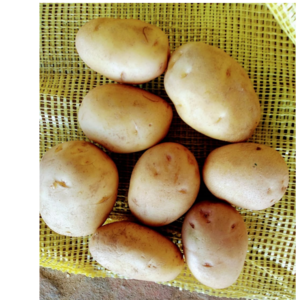
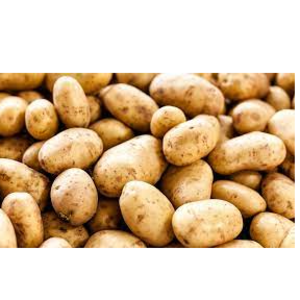
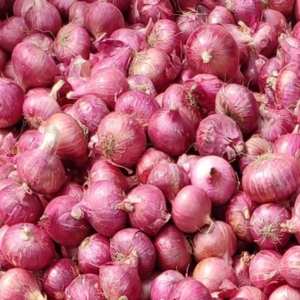
Sourcing fresh produce from an Indian supplier such as Harish Exports requires buyers to confirm the specific grade, size band and cultivar before issuing a purchase order. For onion lines, request the size grade (45-65 mm or 65-75 mm), the variety (Nashik Red, Pusa Red, or white onion), and the moisture and skin-finish specification. For potato, confirm Table Grade 1 versus Grade 2, the variety (Kufri Pukhraj, Kufri Jyoti, Lady Rosetta for processing), and the cold-store versus fresh-harvest status. For the G9 Cavendish banana, ask for finger-length grading, hand-count per carton, pulp maturity (typically shipped at colour index 2-3), and the carton weight (13.5 kg or 18 kg standard). Buyers should request the following documents before confirming any order: APEDA registration certificate of the pack-house, Phytosanitary Certificate issued by India's Directorate of Plant Protection, a Certificate of Origin (Form A or non-preferential), the commercial invoice and packing list, a pre-shipment inspection report (SGS, Bureau Veritas, or Intertek), and residue analysis for the destination market. For Gulf destinations, request GSO conformity documentation; for the EU, confirm registration in TRACES and adherence to EU MRLs under Regulation 396/2005. Typical verification signals to look for are: a named pack-house address and registration number, willingness to share recent inspection reports, ability to provide pre-shipment samples shipped by air, and a clear MOQ expressed in tonnes or 20 ft reefer loads. Lead time from order confirmation to vessel loading in India is typically 7-14 days for vegetables and 14-21 days for bananas and tropical lines, depending on the season.
Frequently Asked Questions About Harish Exports
What product categories does Harish Exports supply?
Harish Exports lists 10 active SKUs covering fresh vegetables (potato, onion, bitter gourd, green chilli, beet root, lady's finger/okra, sweet potato, yam), tropical fruit (banana/plantain, G9 Cavendish variety under HS 0803.00), and coconut. The catalogue spans HS Chapters 07, 08 and 0714 depending on the specific line.
Which Indian growing regions are typical for these products?
Onion is typically sourced from Nashik, Maharashtra; potato from Gujarat, Madhya Pradesh and Uttar Pradesh; banana/plantain from Tamil Nadu, Gujarat and Andhra Pradesh; okra, bitter gourd and green chilli from Karnataka, Maharashtra and West Bengal; and coconut from Kerala, Tamil Nadu and Karnataka. Buyers should confirm the exact growing region with the supplier on each order.
What certifications and documents should buyers request?
Buyers should ask for APEDA pack-house registration, a Phytosanitary Certificate from India's Plant Quarantine authority, Certificate of Origin, GLOBALG.A.P. or equivalent pack-house certification, pre-shipment inspection from SGS/Bureau Veritas/Intertek, and pesticide residue analysis conforming to the destination market's MRL regulations (EU Regulation 396/2005 for Europe, GSO standards for the Gulf).
What is the typical MOQ and shipment size for Indian fresh produce exports?
Most Indian fresh-vegetable exporters work in full 20 ft reefer containers, with a payload of roughly 20-22 tonnes for onions and potatoes and 14-18 tonnes for okra, bitter gourd and green chilli due to packaging bulk. Smaller mixed-load MOQs of 1-5 tonnes are sometimes possible for air-shipped samples or consolidated loads, but this should be confirmed directly.
What packaging is standard for these product lines?
Onions and potatoes are typically packed in 5 kg, 10 kg, 25 kg or 50 kg mesh or jute sacks; okra, bitter gourd and green chilli in 5 kg or 10 kg corrugated cartons; bananas in 13.5 kg or 18 kg ventilated telescopic cartons; and coconut in 25 kg or 50 kg sacks or netted bags. All packaging should be food-grade and labelled with the grower's batch code.
What is the typical lead time from order to shipment?
For fresh vegetables such as onion, potato and okra, lead time from confirmed order to vessel loading is typically 7-14 days, subject to harvest and pack-house availability. For banana and tropical lines requiring ripening-stage selection, lead time is usually 14-21 days. Air-shipped samples can typically be dispatched within 2-4 days.
How should buyers verify the G9 Cavendish banana specification?
Buyers should request finger-length grading (premium export grade is typically 18-22 cm), hand-count per carton (typically 8-12 hands), pulp colour index at shipping (CI 2-3 is standard for sea freight), and pulp firmness readings. A pre-shipment inspection should confirm carton weight (13.5 kg or 18 kg standard), ventilation, and pulp temperature at loading (target 13-14 degrees C).
Which Incoterms are typically used for Indian fresh produce exports?
The most common Incoterms in this trade are FOB Indian port (Mumbai, Mundra, Nhava Sheva, Cochin), CIF destination port, and occasionally CFR. Reefer container logistics are standard, with temperature and humidity recorders placed inside each container for chain-of-custody verification on arrival.




 , India