Handan Flower Foodstuff Co., Ltd — Verified Supplier
About Handan Flower Foodstuff Co., Ltd - Dehydrated Fruits Supplier in China
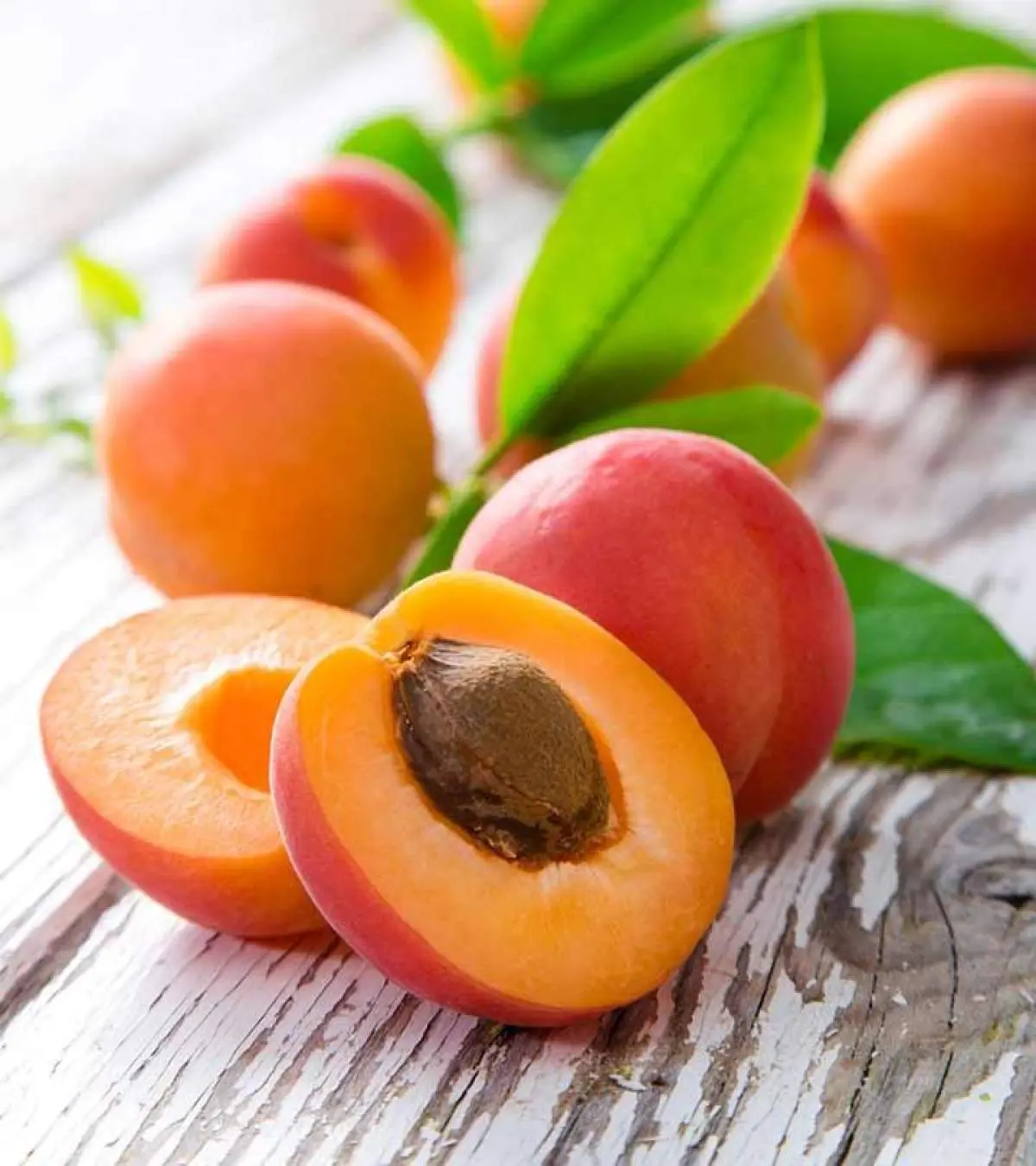
Handan Flower Foodstuff Co., Ltd operates out of Handan in China and currently lists six active products in its catalogue. The company focuses on dehydrated fruit products, which fall under the broader agricultural category. Its product portfolio includes a generic dried fruit line as well as five specific fruit varieties. The Dried Apricot entry is classified under HS chapter 08, specifically code 0813.10, and is described as fresh apricot (Prunus armeniaca) that has been dried and treated with sulfur dioxide. The remaining items are listed without individual HS codes but belong to the same HS chapter for fresh or dried fruits.
Product Range and Specialties of Handan Flower Foodstuff Co., Ltd
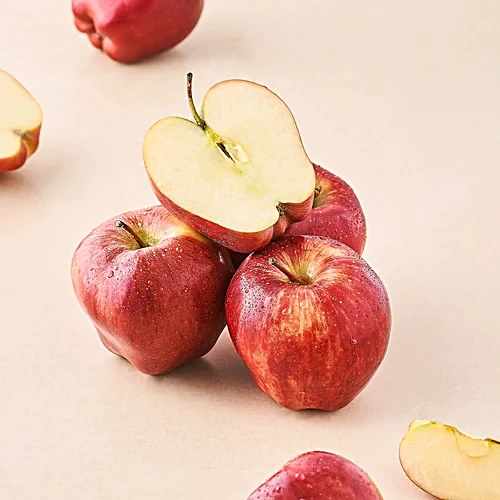
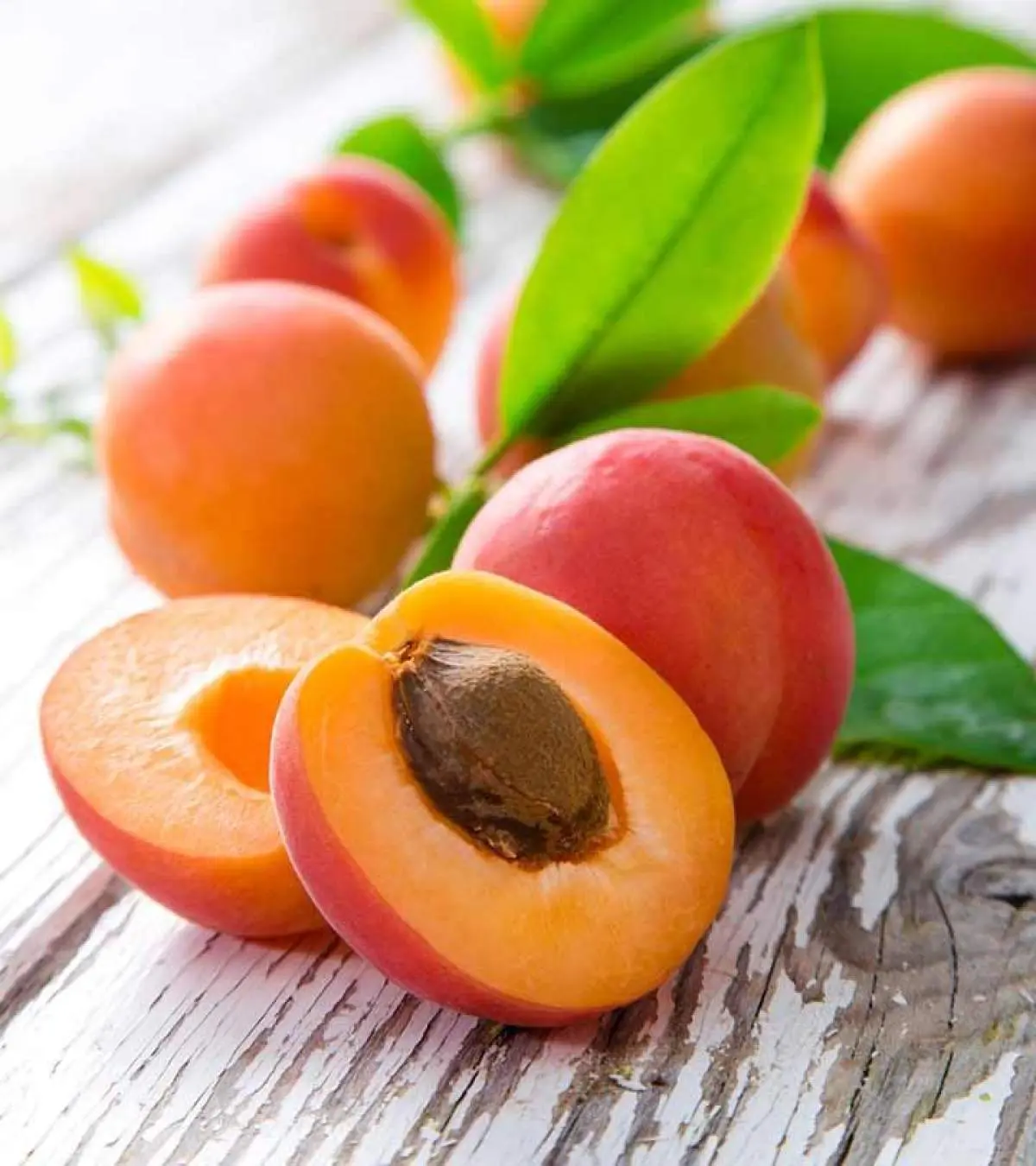
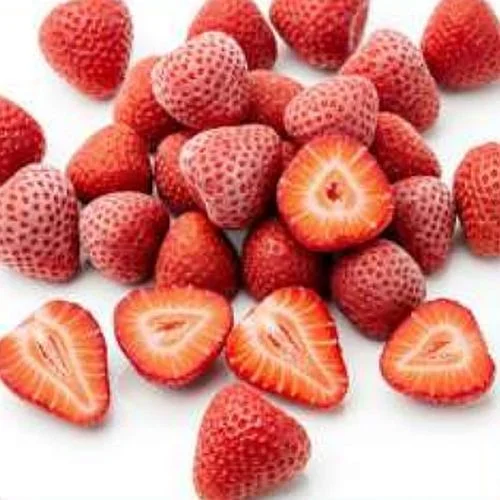
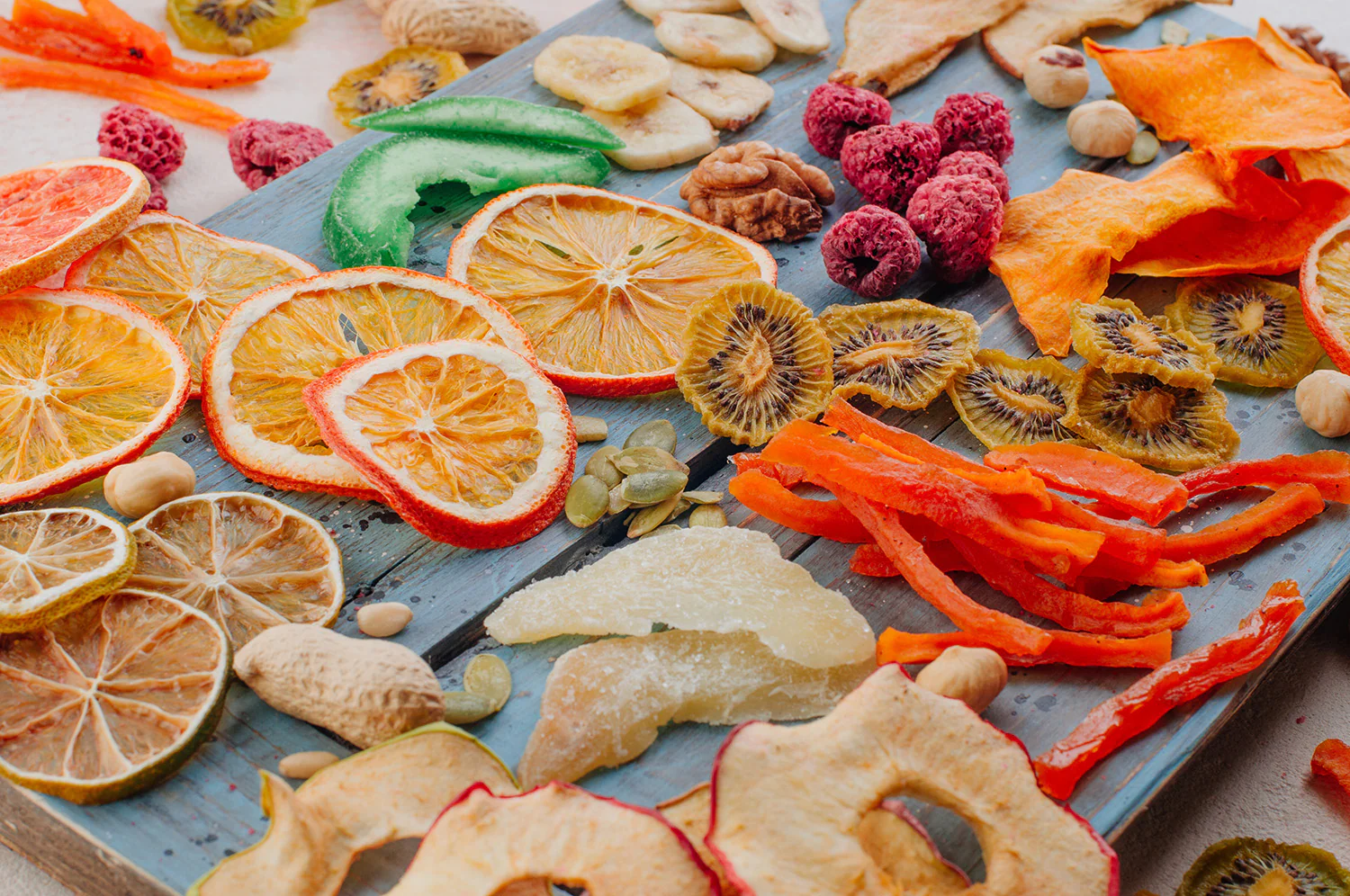
The catalogue lists a generic dried fruit line and five named varieties: Dried Apricot (HS 0813.10, SO₂‑treated), Dried Strawberry, Dried Pear, Dried Apple Ring, and Dried Peach. In the dehydrated fruit market, grades are defined by moisture content (usually 10‑15 %), soluble solids, and color. Apricots are often classified by ICUMSA sugar grade and by the degree of SO₂ treatment, which helps preserve color and extend shelf life. Other fruits follow similar specifications, with common standards such as ISO 22000 for food safety management and HACCP procedures. Buyers typically look for bulk packaging options ranging from 10 kg bags to 1 ton cartons, depending on import volumes.
Trade and Export Information - Handan Flower Foodstuff Co., Ltd
China is a major exporter of dehydrated fruits, supplying Europe, North America, and the Middle East through sea freight in 20‑ft and 40‑ft containers. HS code 0813.10 for dried apricots and related codes in chapter 08 cover most of the listed products, and customs authorities often require phytosanitary certificates and a certificate of origin. Importers in the EU commonly request compliance with EU Regulation 1169/2011 on food information and may require EU‑approved pesticide residue limits. Typical certifications sought include ISO 22000, HACCP, and, for sulfur‑treated apricots, a sulfite declaration. Standard Incoterms for these shipments are FOB or CIF, with products packed in food‑grade polyethylene bags inside export cartons to protect against moisture.
Sourcing from Handan Flower Foodstuff Co., Ltd - Buyer Guidance
When sourcing dried fruits from this supplier, buyers should request a recent Certificate of Analysis that details moisture, soluble solids, a_w, and any residual sulfur dioxide levels for the apricot product. It is advisable to confirm that the supplier can provide ISO 22000 or HACCP audit reports, as these are standard requirements for dehydrated fruit imports. Minimum order quantities often start at a 1‑ton container load, but smaller shipments can be arranged in 10‑kg or 20‑kg bags, subject to packaging availability. Lead times from order confirmation to shipment typically range from 30 to 45 days, depending on product availability and export documentation.
Frequently Asked Questions About Handan Flower Foodstuff Co., Ltd
What dried fruit products are listed by Handan Flower Foodstuff Co., Ltd?
The supplier lists a generic dried fruit line plus five specific varieties: Dried Apricot, Dried Strawberry, Dried Pear, Dried Apple Ring and Dried Peach.
Does the Dried Apricot have an HS code and what does it represent?
Yes, Dried Apricot is recorded under HS code 0813.10, which classifies it as dried apricots and other dried stone fruits in the international tariff schedule.
What quality parameters are typical for dehydrated fruits like those offered?
Industry standards usually require moisture content below 15 %, water activity under 0.6, and for apricots often an ICUMSA sugar grade such as 45. Sulfur dioxide treatment levels are also disclosed for color preservation.
Which certifications should a buyer request before importing these products?
Buyers should ask for a Certificate of Analysis, and confirm that the supplier can provide food‑safety certifications such as ISO 22000 or HACCP. For sulfur‑treated apricots, a sulfite declaration may also be required.
How are the products typically packaged for export?
Products are commonly packed in food‑grade polyethylene bags, which are then placed in export cartons suitable for 20‑ft or 40‑ft containers. Bulk shipments may also use 1‑ton wooden pallets.
What are the typical minimum order quantities and lead times?
The usual minimum order is a full 1‑ton container, though smaller batches of 10‑kg or 20‑kg bags can be arranged. Lead time from order confirmation to shipment generally ranges from 30 to 45 days.
Which Incoterms are normally used for shipping these dried fruits?
Standard Incoterms for these shipments are FOB (Free on Board) or CIF (Cost, Insurance and Freight), allowing buyers to choose the level of responsibility for freight and insurance.
Are phytosanitary certificates required for importing these dried fruits?
Yes, most importing countries require a phytosanitary certificate confirming the products are free from pests and meet the destination’s plant health regulations.




 , China