Hachinet Takumi — Verified Supplier
About Hachinet Takumi - Green Tea Supplier in Viet Nam
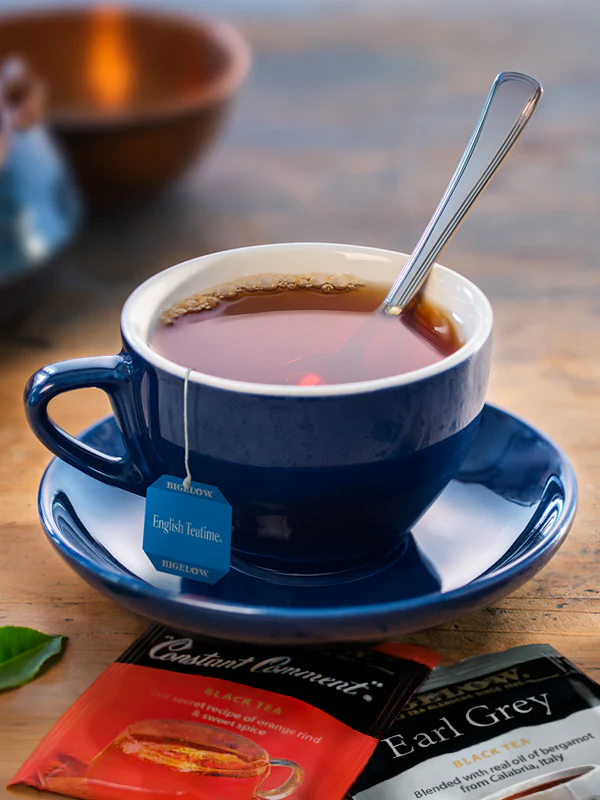
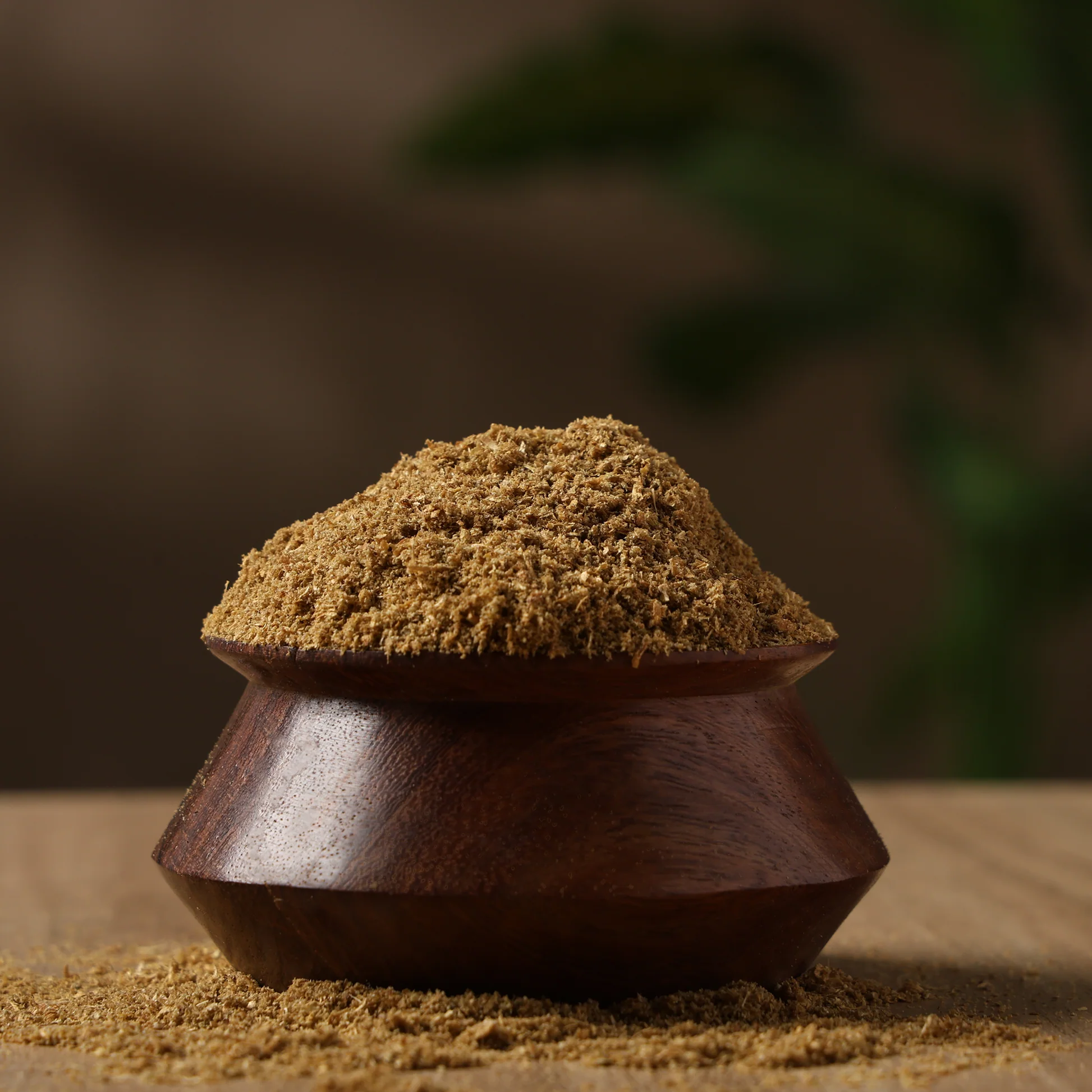
Vietnam is the origin country of Hachinet Takumi, which currently lists 16 active products in its catalogue. The catalogue is divided among three main categories: Green Tea, Black Tea and various grades of Plywood. Within the tea segment the supplier offers multiple Green Tea variants such as Green Tea, Green Tea BPS, Green Tea Broken, Green Tea TH, Green Tea PEkOE 1, Green Tea PEkOE 2 and Green Tea 1. Black Tea products include Black Tea OPA, Black Tea OP, Black tea OPA Bergamot, Black Tea Opa Synthetic Fruit, Black Tea OPA Cardamom and an additional entry labeled Black Tea OP, all recorded under HS code 0902.40 for dried tea leaves. The plywood line comprises Packaging Plywood, Commercial Plywood and Film Faced Plywood, reflecting the supplier’s involvement in wood panel products.
Each tea entry is identified by its processing style or flavoring addition, for example the OPA variants indicate orange‑peel aroma or other natural flavorings. The HS code 0902.40 applied to the black tea items corresponds to the international classification for dried tea leaves and flavored tea preparations. Plywood products are listed without HS codes in the supplied data, but they fall under the general HS chapter 44 for wood panels. The diversity of 16 SKUs allows buyers to select specific leaf grades, flavor profiles or plywood specifications based on their market needs. All listed items are sourced from Vietnam, a country that ranks among the top global exporters of both tea and engineered wood products.
Product Range and Specialties of Hachinet Takumi
The supplier’s tea portfolio includes eight Green Tea SKUs and six Black Tea SKUs, each distinguished by leaf size, processing method or added flavor. Green Tea variants such as BPS and Broken refer to broken leaf grades typically measured by particle size below 3 mm, while the TH and PEkOE designations indicate specific harvest or packaging formats. Black Tea entries carry the OPA label for orange‑peel aroma, Cardamom, Synthetic Fruit or Bergamot, which are common flavoring treatments in the ready‑to‑brew market. The plywood range lists three types - Packaging, Commercial and Film Faced - which generally differ in veneer grade, core density and surface treatment.
Internationally, green and black teas are graded by leaf size (e.g., whole leaf, fannings, dust) and by moisture content, which is usually limited to 4 - 6 % for export quality. Buyers often request ISO 22000 or HACCP compliance, and may seek organic or Fair‑Trade certification depending on the target market. Standard HS code 0902.40 covers dried tea leaves and flavored teas, and customs authorities frequently require a phytosanitary certificate and a certificate of origin. For plywood, common specifications include grade A‑C, thickness from 6 mm to 25 mm, and dimensions of 1220 mm × 2440 mm; the typical HS code is 4412.00 for hardwood plywood. Exporters of Vietnamese plywood often provide FSC or PEFC chain‑of‑custody documentation, and buyers may also ask for moisture content below 12 % and formaldehyde emission class E0 or E1.
Trade and Export Information - Hachinet Takumi
Vietnamese tea exporters primarily ship to the European Union, United States, Middle Eastern and Southeast Asian markets, where demand is driven by both bulk commodity use and specialty flavored tea segments. The HS code 0902.40 places the product in the “Tea, whether or not flavored” chapter, which subjects shipments to food safety inspections, residue testing and mandatory phytosanitary clearance. Plywood from Vietnam is commonly destined for construction and furniture manufacturers in the United States, Europe and neighboring Asian countries, falling under HS chapter 44 where customs may request a fumigation certificate and compliance with formaldehyde emission standards.
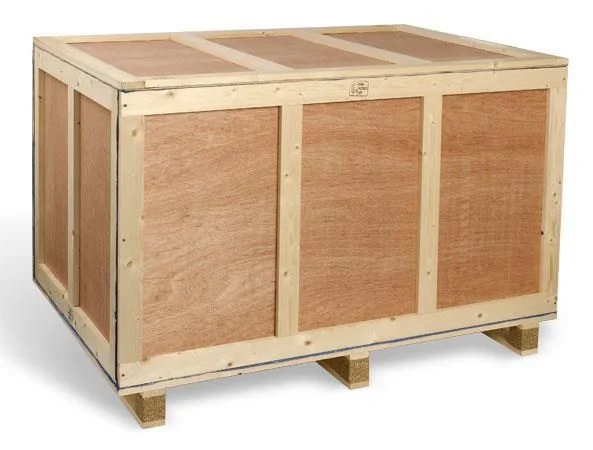
Typical export Incoterms for tea and plywood are FOB Ho Chi Minh City or CIF Shanghai, with cargo packed in 20‑ft or 40‑ft containers; tea is usually sealed in food‑grade polyethylene bags of 25 kg or 50 kg, while plywood is palletized or crated to prevent damage. Buyers often require ISO 9001 quality management certificates, and for wood products the Forest Stewardship Council (FSC) or Programme for the Endorsement of Forest Certification (PEFC) are standard sustainability credentials. In addition, customs in importing countries may request a laboratory analysis report confirming moisture, ash and caffeine content for tea, and a formaldehyde emission test report for plywood.
Sourcing from Hachinet Takumi - Buyer Guidance
Prospective buyers should request a product specification sheet that details leaf grade, moisture level, flavoring type and any organic or fair‑trade certifications for tea, as well as veneer grade, thickness, moisture content and formaldehyde emission class for plywood. Obtaining a recent laboratory analysis report and a phytosanitary certificate will help verify compliance with food safety regulations, while a FSC or PEFC audit report confirms responsible sourcing for wood panels.
Before placing an order, verify the HS code used in the commercial invoice matches the product description (0902.40 for tea, 4412 for plywood) and confirm the supplier can provide the required certificates of origin and any additional testing reports demanded by the destination country. Sample requests are standard practice; a 5 kg tea sample or a 1 m² plywood panel can be used for quality assessment and to confirm packaging integrity.
Frequently Asked Questions About Hachinet Takumi
What tea product codes does Hachinet Takumi list?
The catalogue includes eight Green Tea SKUs (Green Tea, Green Tea BPS, Green Tea Broken, Green Tea TH, Green Tea PEkOE 1, Green Tea PEkOE 2, Green Tea 1) and six Black Tea SKUs (Black Tea OPA, Black Tea OP, Black tea OPA Bergamot, Black Tea Opa Synthetic Fruit, Black Tea OPA Cardamom, Black Tea OP) all classified under HS 0902.40.
Are flavor‑infused black teas covered by a specific HS code?
Yes, each flavored black tea entry is recorded with HS code 0902.40, which applies to dried tea leaves and tea preparations with added flavorings.
What are the typical specifications buyers request for Vietnamese green and black tea?
Buyers usually ask for leaf size grade (whole, fannings, dust), moisture content between 4 % and 6 %, caffeine content, and any organic or Fair‑Trade certification, accompanied by an ISO 22000 or HACCP compliance statement.
Which certifications are commonly required for plywood imports from Vietnam?
Importers often require FSC or PEFC chain‑of‑custody certification, ISO 9001 quality management, and a formaldehyde emission test showing compliance with class E0 or E1 limits.
What packaging formats are typical for the listed tea products?
Export‑grade tea is normally packed in food‑grade polyethylene bags of 25 kg or 50 kg, sealed in moisture‑proof liners and placed inside 20‑ft or 40‑ft containers.
How is Vietnamese plywood usually shipped and what container size is standard?
Plywood sheets are palletized or crated, loaded into 20‑ft or 40‑ft containers, and shipped under FOB Ho Chi Minh City or CIF terms; dimensions are commonly 1220 mm × 2440 mm with thickness ranging from 6 mm to 25 mm.
What documentation should a buyer secure before importing the tea or plywood?
Required documents typically include a commercial invoice with the correct HS code, a certificate of origin, a phytosanitary certificate for tea, a laboratory analysis report for tea quality, and an FSC/PEFC certificate plus a formaldehyde emission test report for plywood.




 , Viet Nam