Agriculture›
 Apparel and fashion accessories›
 Construction & real estate›💡Electronic & Electrical›🍎Food & Beverages›🛋️Home furnishing & supplies›⚗️Industrial goods & chemical›🪨Minerals & metals›📦Miscellaneous›Agriculture›Apparel and fashion accessories›Construction & real estate›💡Electronic & Electrical›🍎Food & Beverages›🛋️Home furnishing & supplies›⚗️Industrial goods & chemical›🪨Minerals & metals›📦Miscellaneous›
Grupo De Inversiones Perez
⚓ Harbor , United StatesNew supplier / no reviews yet
Grupo De Inversiones Perez Product Catalog
About Grupo De Inversiones Perez - Iron Ore Supplier in United States
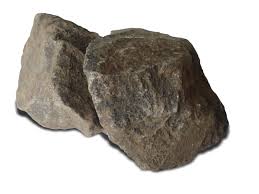
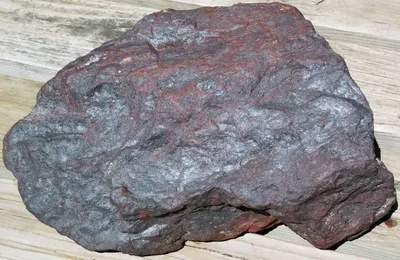
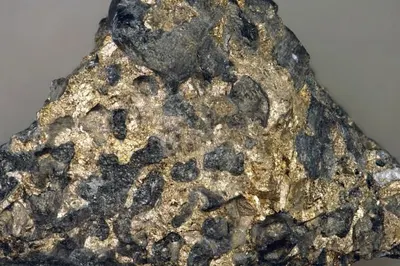
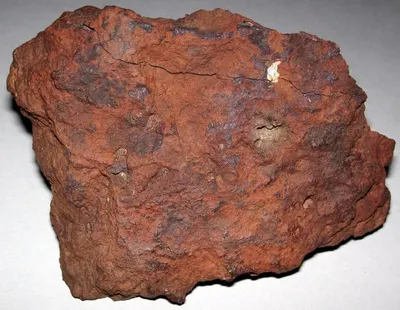
Grupo De Inversiones Perez is based in the United States and currently lists five active products across its catalogue. The portfolio concentrates on mineral commodities, specifically iron ore variants, travertine stone, and barite. All three iron ore entries fall under HS chapter 26, code 2601.11, which covers iron ores with an iron content of 59% or higher. The barite lumps are classified under HS code 2511.10 for natural barium sulphate.
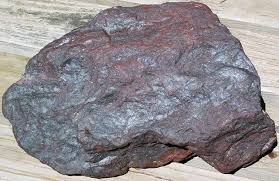
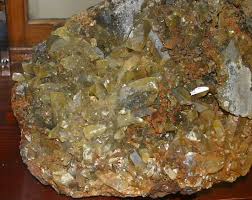
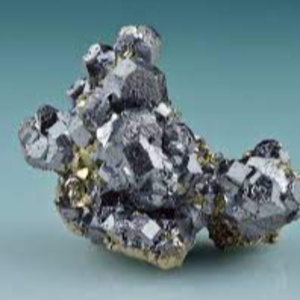
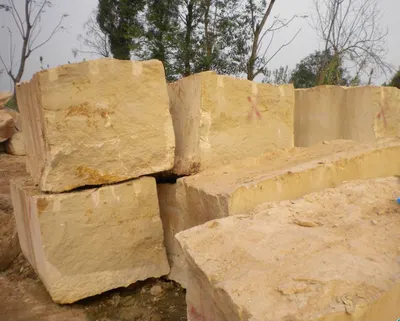
The iron ore listings include a hematite concentrate (Fe2O3) and a separate hematite grade with 64‑67% Fe, as well as a magnetite concentrate exceeding 63% Fe. Travertine Blocks Mexico are presented without an HS code but represent dimension stone sourced from Mexico. Barite Lumps are described as natural BaSO4 used in drilling fluids and other industrial applications. Each mineral entry specifies the primary chemical composition, such as Fe2O3 for hematite and BaSO4 for barite. The catalogue does not provide additional processing details or packaging formats.
Product Range and Specialties of Grupo De Inversiones Perez
The iron ore items are typical of US bulk mineral exporters and are usually supplied as concentrate or lump ore with Fe grades ranging from 64 % to 67 % for hematite and above 63 % for magnetite. Buyers normally request specifications that include Fe content, moisture below 2 %, particle‑size distribution (often 0‑3 mm for steelmaking), and bulk density. Barite lumps from the United States are commonly sold with a purity of 99 % BaSO4, specific gravity above 4.3, moisture under 1 % and a size range of 0‑5 mm suitable for drilling‑fluid weighting agents. Travertine blocks are dimension stone that typically conform to ASTM C1155 or EN 13941, with standard slab sizes such as 600 × 600 × 300 mm, compressive strength above 70 MPa and water absorption below 5 %.
Frequently Asked Questions About Grupo De Inversiones Perez
What HS codes apply to the iron ore products listed by Grupo De Inversiones Perez?
All three iron ore entries are classified under HS code 2601.11, which covers iron ores with an iron content of 59 % or higher. This code is used for both hematite and magnetite concentrates.
How should a buyer request a sample from Grupo De Inversiones Perez?
A buyer should ask for a small‑quantity sample together with the latest assay report and MSDS. The supplier can then arrange shipment under agreed Incoterms, typically CIF to the buyer’s port.
Which quality parameters are typical for the hematite iron ore listed?
Buyers normally verify an Fe content of 64‑67 %, moisture below 2 %, and a particle‑size range of 0‑3 mm. Bulk density and sulfur levels are also examined for steel‑making applications.
What documents are commonly required for US iron ore exports?
Importers usually request an independent assay report, a Certificate of Origin, and an MSDS. Many also ask for a third‑party inspection certificate such as SGS or a quality‑management ISO 9001 audit.
How are bulk mineral shipments from the United States typically packaged and shipped?
Iron ore and barite are often packed in 1‑ton flexible jumbo bags or loaded directly into bulk carriers. Ocean freight under CIF or FOB terms is standard, with 20‑ft or 40‑ft containers used for smaller quantities.
United StatesRelated Suppliers & Products
Explore similar suppliers, related products and trending categories