Great Wall New Energy Co., Ltd. — Verified Supplier
About Great Wall New Energy Co., Ltd. - Batteries & Chargers Supplier in China
Great Wall New Energy Co., Ltd. is based in China and currently lists five active products in its catalogue. The company’s catalogue focuses on lead‑acid batteries used in automotive, solar and backup power applications. Products include a 2 V 1000 Ah cheap solar UPS power battery, a 12 V 50 Ah maintenance‑free car battery, a 6 V 4.5 Ah AGM deep‑cycle battery, an 8 V 200 Ah deep‑cycle battery (HS code 8507.20, material lead‑acid sealed rechargeable), and a 12 V 100 Ah auto front‑terminal battery (HS code 8507.20, material AGM sealed construction with lead‑alloy plates). The two items with HS code 8507.20 fall under the international tariff heading for lead‑acid batteries, a common classification for rechargeable storage units. The product list spans voltages from 2 V to 12 V and capacities from 4.5 Ah to 1000 Ah, covering both low‑power UPS and higher‑capacity automotive needs.
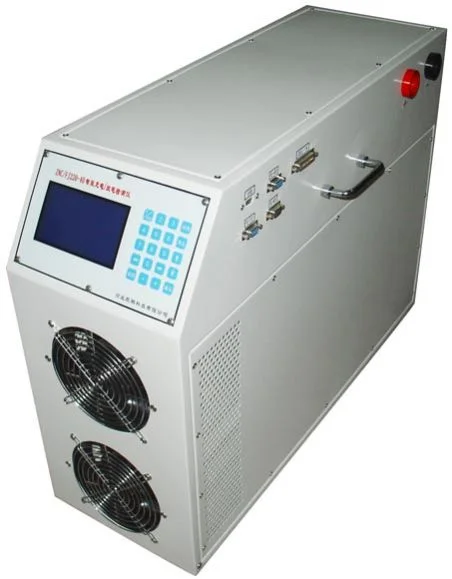
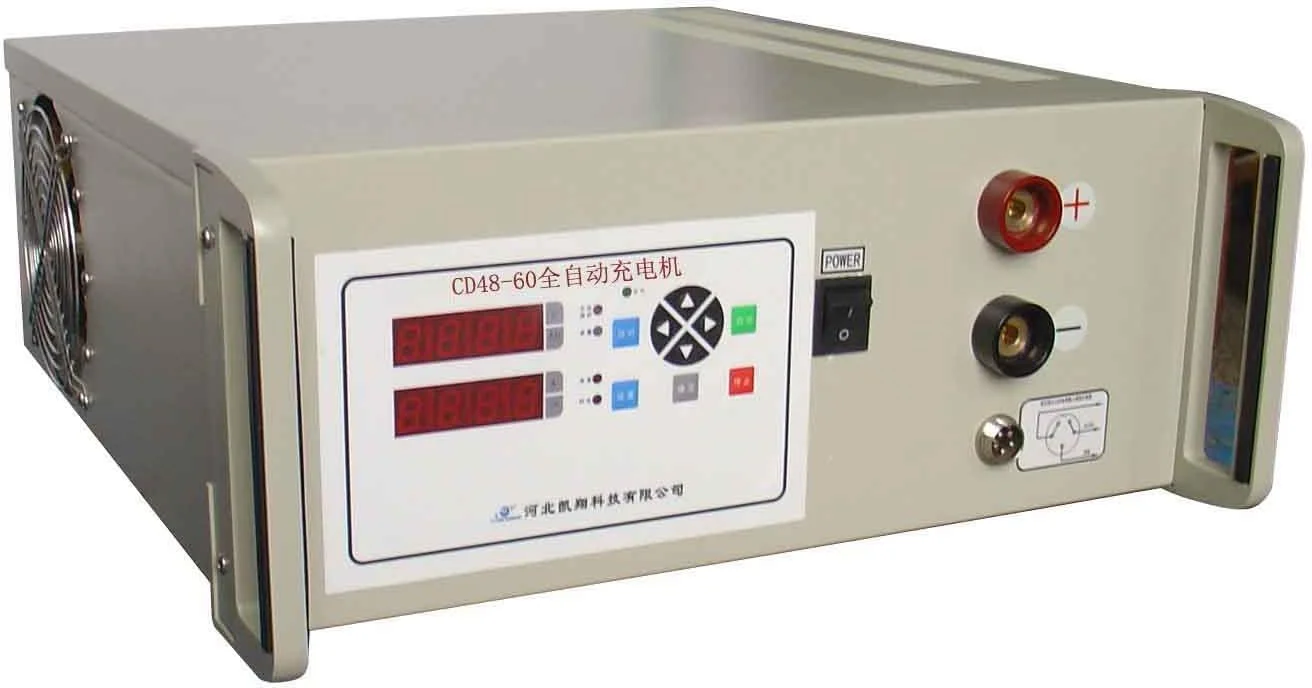
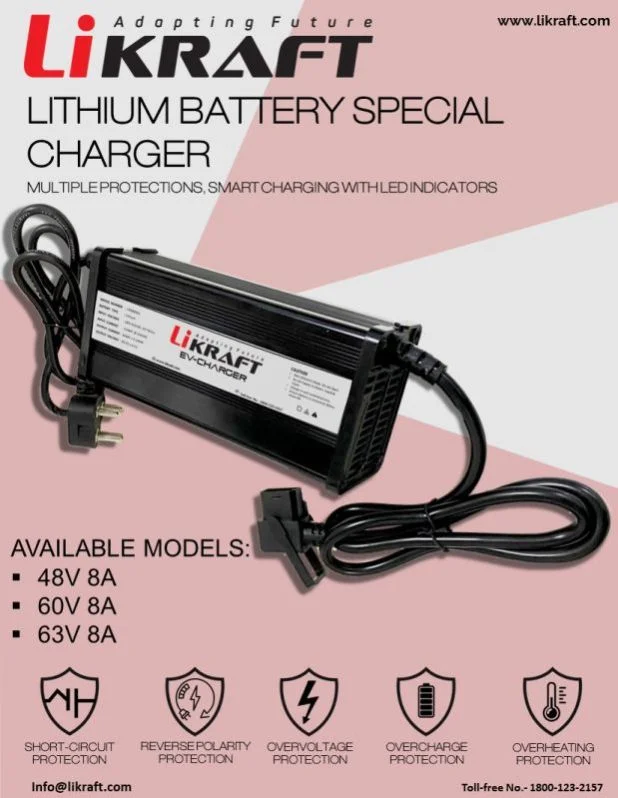
The supplier’s top categories are recorded as Battery Testers & Chargers and Batteries & Chargers, indicating that the catalogue is intended for end‑users and system integrators who require both power storage and associated charging equipment. Although no battery testers or chargers are detailed in the current product list, the presence of the categories suggests that the company may also source or reference complementary equipment. All listed batteries are lead‑acid types, with two explicitly described as AGM (Absorbent Glass Mat) sealed units, a technology that offers lower self‑discharge and maintenance‑free operation. The catalogue does not provide information on certifications, warranty periods, or compliance marks, which are typical data points for international trade of such goods.
Product Range and Specialties of Great Wall New Energy Co., Ltd.
The five listed items cover common lead‑acid battery formats: a low‑voltage 2 V deep‑cycle unit for solar UPS systems, a 6 V 4.5 Ah AGM battery used in small‑scale backup or recreational applications, an 8 V 200 Ah deep‑cycle battery for larger stationary storage, a 12 V 50 Ah maintenance‑free automotive battery, and a 12 V 100 Ah front‑terminal battery aimed at higher‑capacity vehicle or light‑industrial use. In the industry, lead‑acid batteries are classified by voltage, amp‑hour rating, and construction type (flooded, AGM, gel). Typical specifications for AGM batteries include a low self‑discharge rate (<3 % per month), vibration resistance, and sealed construction that eliminates the need for electrolyte topping. Automotive batteries of 12 V 50 Ah generally meet IEC 60896‑1 standards for starting‑power performance, including cold‑cranking amp (CCA) ratings and reserve capacity. Deep‑cycle batteries such as the 8 V 200 Ah unit are evaluated for cycle life (often 500 - 800 cycles at 80 % depth of discharge) and are commonly used in solar or backup power installations.
Industry buyers often request data sheets that list dimensions, weight, terminal type, operating temperature range (typically - 15 °C to +45 °C for AGM), and compliance with IEC 60896‑1/‑2 or IEC 62133 safety standards. Lead‑acid batteries exported from China usually carry the HS heading 8507.20 and are subject to REACH and RoHS checks for hazardous substances, even though the material is primarily lead‑acid.
Trade and Export Information - Great Wall New Energy Co., Ltd.
China is one of the world’s largest exporters of lead‑acid batteries, supplying automotive, solar‑UPS and industrial backup markets in Southeast Asia, the Middle East, Africa and parts of Europe. The two products with HS code 8507.20 fall under the tariff chapter for "Lead‑acid batteries, of a kind used for the storage of electric energy," which triggers customs documentation such as a commercial invoice, packing list and, where required, a certificate of origin. Typical import requirements include CE marking for the European Union, IEC 62133 safety certification for consumer‑grade batteries, and UN 38.3 testing for safe transport by sea or air. Export shipments are commonly packed in wooden crates or reinforced cardboard boxes with moisture‑absorbing liners, and a standard 20‑ft container can accommodate roughly 200 - 250 units of a 12 V 50 Ah battery depending on packaging dimensions. Common Incoterms used by Chinese battery exporters are FOB Shanghai or CIF destination port, with buyers arranging customs clearance and local distribution.
Regulatory bodies such as the U.S. Consumer Product Safety Commission (CPSC) and the European Battery Directive also impose collection‑and‑recycling obligations on importers, so buyers should verify that the supplier can provide documentation of compliance with end‑of‑life handling requirements. Freight forwarders handling lead‑acid batteries must comply with IATA Dangerous Goods regulations for air freight, even though the batteries are classified as non‑dangerous solid goods under the UN classification when sealed and properly packaged.
Sourcing from Great Wall New Energy Co., Ltd. - Buyer Guidance
When sourcing from Great Wall New Energy Co., Ltd., buyers should request a full product data sheet that includes voltage, amp‑hour rating, dimensions, weight, terminal type, cycle‑life expectancy and any applicable IEC or ISO test reports. Because the catalogue does not list certifications, it is advisable to ask for copies of CE, IEC 62133, REACH compliance statements and a Material Safety Data Sheet (MSDS) for the lead‑acid electrolyte. Verify the HS code 8507.20 on the commercial invoice and ensure that the packaging description matches the buyer’s logistics plan (e.g., wooden crate size, pallet configuration).
Typical minimum order quantities for lead‑acid batteries range from one unit for sample testing to several hundred units for bulk orders; lead times in China for similar battery types are usually 15‑30 days after order confirmation, subject to production scheduling and export paperwork. Buyers should also confirm the incoterm (FOB, CIF, DDP) and arrange for pre‑shipment inspection if required by the destination country’s customs authority.
Frequently Asked Questions About Great Wall New Energy Co., Ltd.
What voltage and capacity options does Great Wall New Energy list in its battery catalogue?
The catalogue includes a 2 V 1000 Ah solar UPS battery, a 6 V 4.5 Ah AGM deep‑cycle battery, an 8 V 200 Ah deep‑cycle battery, a 12 V 50 Ah maintenance‑free car battery and a 12 V 100 Ah front‑terminal battery.
Which products are classified under HS code 8507.20?
Both the 8 V 200 Ah deep‑cycle battery and the 12 V 100 Ah auto front‑terminal battery are listed with HS code 8507.20, the tariff heading for lead‑acid rechargeable batteries.
What material are the listed batteries made from?
The 8 V 200 Ah battery is described as lead‑acid sealed rechargeable, while the 12 V 100 Ah battery uses AGM sealed construction with lead‑alloy plates; the other items are standard lead‑acid types.
What certifications should a buyer request for these lead‑acid batteries?
Buyers should request CE marking, IEC 62133 safety test reports, REACH compliance statements and a Material Safety Data Sheet, as these are commonly required for international trade of lead‑acid batteries.
What packaging is typical for shipping these batteries from China?
Lead‑acid batteries are usually packed in reinforced cardboard boxes or wooden crates with moisture‑absorbing liners, and are often palletized for container loading.
What are common Incoterms used for exporting batteries from China?
Exporters often use FOB Shanghai for buyers who handle freight, or CIF to a destination port when the seller arranges carriage and insurance.
What documentation is needed for customs clearance of HS code 8507.20 items?
A commercial invoice, packing list, certificate of origin and any applicable safety or compliance certificates (e.g., CE, IEC 62133) are typically required for customs clearance of lead‑acid batteries.
What typical lead time should a buyer expect for these battery products?
Lead times are generally 15‑30 days after order confirmation, depending on production scheduling and export documentation preparation.




 , China