Golden Apricots — Verified Supplier
About Golden Apricots - Dried Fruit & Nut Supplier in Turkey
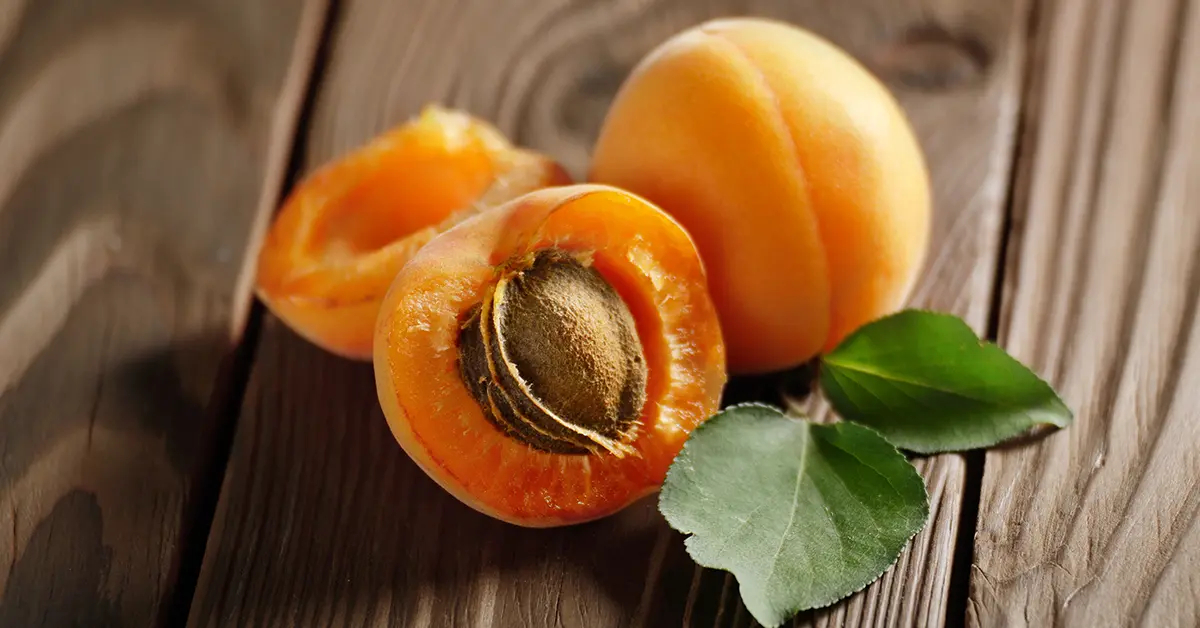
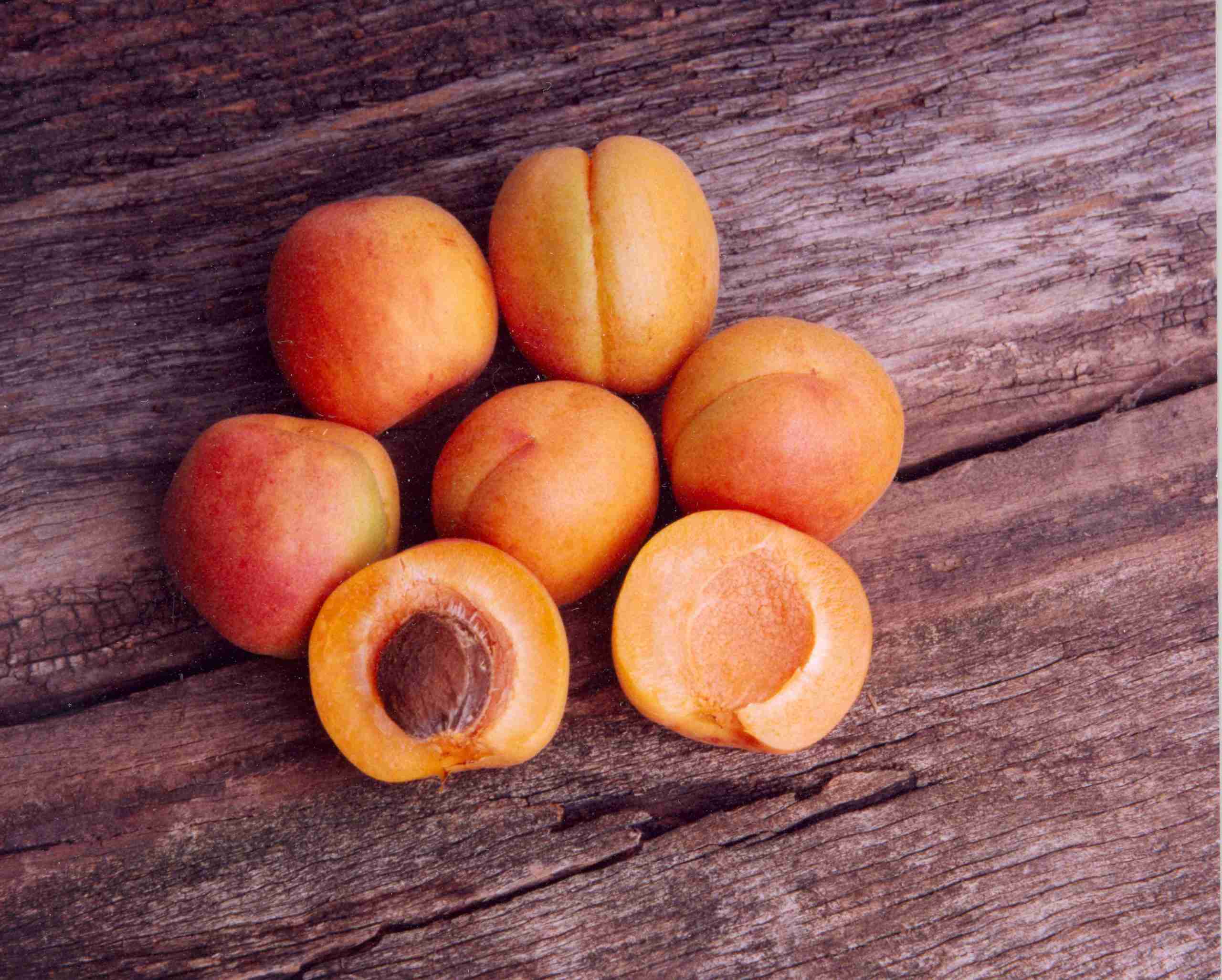
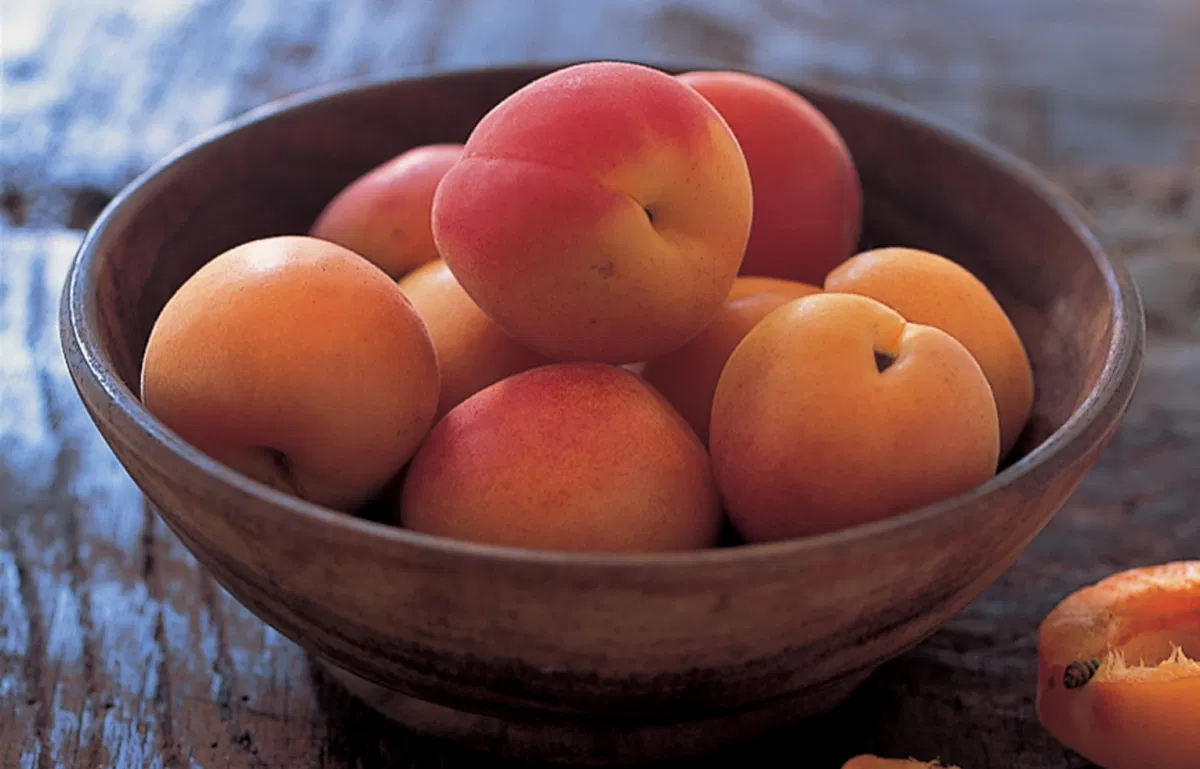
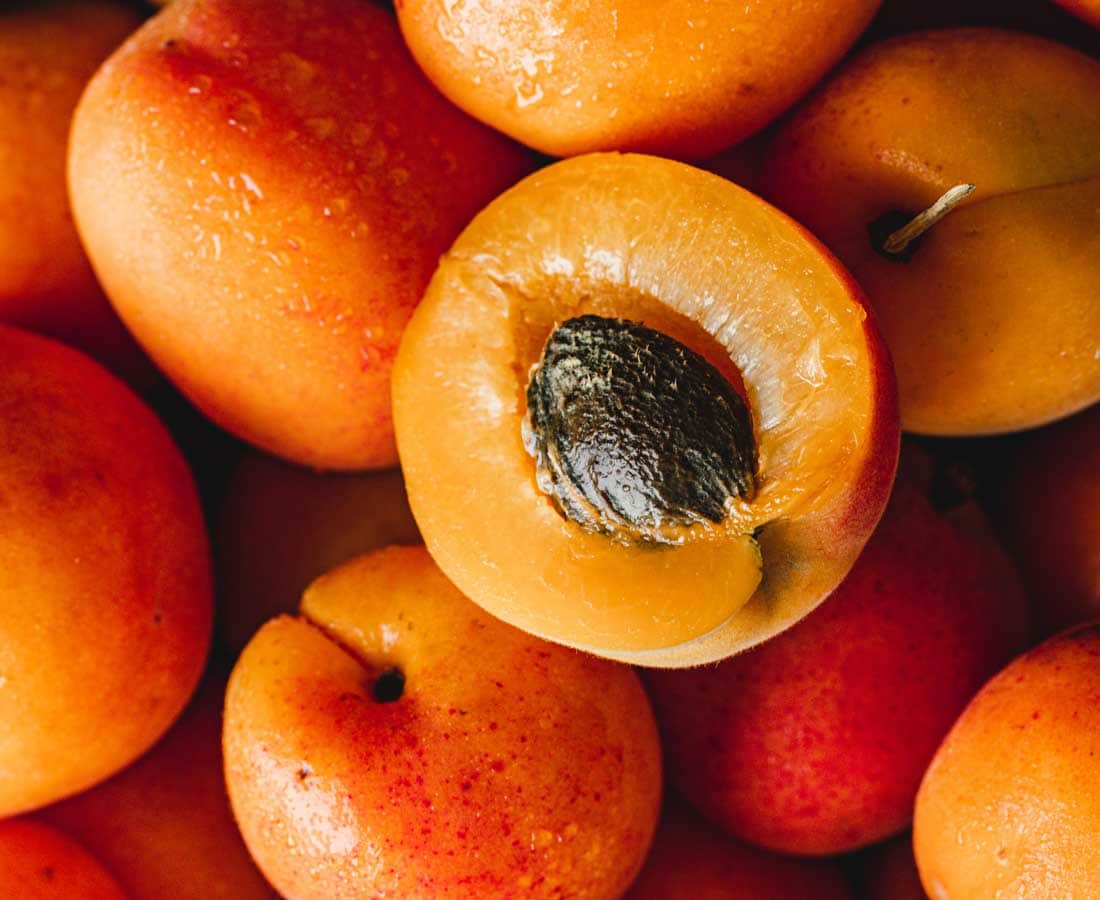
Turkey exports a portfolio of six dried fruit and nut products listed by Golden Apricots. The catalogue covers apricot, fig, pistachio, hazelnut, raisin and apricot kernel items, falling under the top categories Apricot, Figs, Herbal Extracts, Pistachio, Hazelnuts and Raisins. The supplier reports an active product count of six, with two items assigned HS‑code families: Dried Apricot (HS 0813.20) and Apricot Kernel (HS 1212.99). These HS codes belong to Chapter 08 for fruit and Chapter 12 for nuts, which are standard tariff lines used in global trade. The listing does not include any disclosed certifications, so buyers should verify compliance with typical import requirements.
The product range includes Dried Apricot (Prunus armeniaca) classified under HS 0813.20, Dried Fig (no HS code provided), Apricot Kernel (natural kernel, HS 1212.99), Pistachio kernels, Hazelnuts and Raisin‑Dried Grapes. Each item is presented as a bulk commodity rather than a branded variety, allowing standard trade specifications to apply. Dried fruits are commonly supplied in 10 kg polypropylene bags or 25 kg paper sacks, while nuts are often packed in 5 kg or 10 kg bags with inner liners. No specific packaging details are given in the supplier data. The catalogue reflects a focus on core Mediterranean dried products typical of Turkish agribusiness.
Product Range and Specialties of Golden Apricots
The catalogue lists six core products: Dried Apricot, Dried Fig, Apricot Kernel, Pistachio, Hazelnut and Raisin‑Dried Grapes. In the dried‑fruit market, standard grades are defined by moisture content (usually ≤12 % for apricots and figs) and uniform size, with Class I or Premium designations used in EU contracts. Turkish pistachios are frequently graded by shell split percentage and kernel size, with Grade A pistachios having ≥80 % split and kernels 18 - 24 mm in length. Hazelnuts are commonly sorted into size categories such as V (16 - 22 mm) and VI (22 - 28 mm) with moisture ≤8 %. Raisins are graded by length (10 - 20 mm) and moisture ≤15 %. Apricot kernels are evaluated for oil content (≈45 %) and aflatoxin levels, which must meet EU limits of 2 µg/kg for total aflatoxins.
Trade and Export Information - Golden Apricots
Turkey is a major exporter of dried fruits and nuts, with the European Union, Russia and the Middle East accounting for the largest share of shipments. HS 0813.20 (dried apricots) and HS 1212.99 (apricot kernels) are processed under the EU’s plant‑health regulation requiring a phytosanitary certificate and, for nuts, compliance with EU aflatoxin limits. Typical importers request ISO 22000 or HACCP certification, and many buyers ask for a Certificate of Origin to benefit from preferential duty rates under the EU‑Turkey Customs Union. Standard logistics involve loading 20‑ft containers with 18 - 20 tons of product, using breathable liners for dried fruits and sealed inner bags for nuts to prevent moisture ingress. Incoterms such as FOB Istanbul Port or CIF Istanbul are commonly used for these commodities.
Sourcing from Golden Apricots - Buyer Guidance
Purchasers should request a recent Certificate of Analysis that details moisture, ash, fat and aflatoxin levels for each batch, especially for pistachio, hazelnut and apricot kernel shipments. A phytosanitary certificate issued by the Turkish Ministry of Agriculture is mandatory for EU entry, and buyers often ask for a lab report confirming compliance with EU pesticide residue limits. Verify that packaging meets the buyer’s preferred unit size (e.g., 10 kg PP bags for dried apricot) and that the containers are pre‑cleaned and ventilated to preserve product quality during transit. Samples should be obtained before finalizing volume orders, and the supplier’s response time for documentation typically ranges from 2 to 5 business days.
Frequently Asked Questions About Golden Apricots
What dried fruit products does Golden Apricots offer?
The supplier lists Dried Apricot, Dried Fig, Raisin‑Dried Grapes and Apricot Kernel, each supplied as bulk dried fruit ready for re‑packing or direct shipment.
Which HS codes apply to the products?
Dried Apricot is classified under HS 0813.20 and Apricot Kernel under HS 1212.99; the remaining items fall under the general HS chapters for dried fruits (0808‑0814) and nuts (0802‑0805).
What quality specifications are typical for the nuts?
Pistachios are usually required to have ≥80 % shell split, kernel size 18 - 24 mm, moisture ≤8 % and aflatoxin ≤2 µg/kg; Hazelnuts are commonly graded V or VI with size 16 - 28 mm and moisture ≤8 %.
Which certifications should a buyer request?
Buyers normally request ISO 22000 or HACCP compliance, a phytosanitary certificate for EU markets, and product‑specific test reports for moisture, fat content and aflatoxin levels.
What are the usual packaging formats and container loads?
Dried fruits are packed in 10 kg or 25 kg bags, nuts in 5 kg or 10 kg bags with inner liners; a 20‑ft container can hold approximately 18 tons of mixed dried fruit and nut products.
What is the typical lead time for order fulfillment?
After confirming specifications and receiving the required documents, Golden Apricots generally ships within 15 - 25 working days, depending on product availability and customs clearance.




 , Turkey