Global Castings — Supplier
About Global Castings - Fasteners Supplier in India
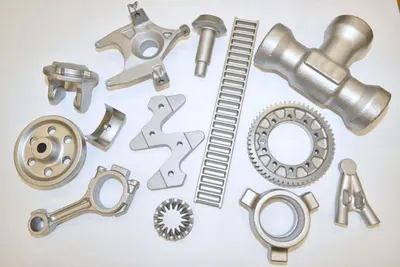
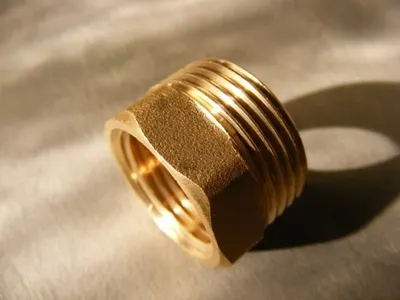
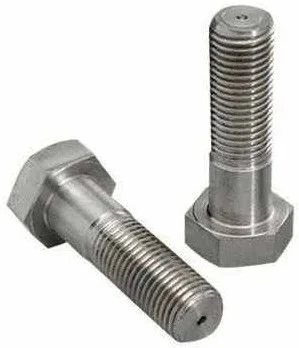
Global Castings is based in India and currently lists 19 distinct products across its catalogue. The listed items span categories such as Fasteners, Automobile Spare Parts & Supplies, Automobile Gears, Shafts & Clutches, Flanges, Machined Components, Industrial Gears & Gear Boxes, Electric Conduits, and Electric Sockets & Plugs. Among the catalogue are components like a Gear Shifter Fork, Nozzle Holder Assembly, Pre Combustion Chamber (HS 8409.99) made from heat‑resistant stainless steel or Nimonic alloy, and a Gear Interlock Piece (HS 8483.40.90) fabricated from case‑hardened 8620 steel. Additional items include Brass Spigot (HS 8481.20), stainless‑steel Hex Union (HS 7307.29), pipe fittings (HS 7307.23), and fully machined castings (HS 8484.90) that can be supplied in carbon, alloy or stainless steel grades. The catalogue also contains electrical hardware such as Corona Ring Arm Clamp (HS 8544.70) of aluminum or galvanized steel, three‑way plug valve, service entrance heads, conduit bodies, and 90‑degree turn/pull elbows (HS 7307.23).
The product list includes specialized unions (HS 7419.99) available in brass CW614N, stainless 304, or malleable iron, as well as a Corona Ring 305 mm (HS 8548.90) fabricated from aluminum alloy 6061‑T6 or galvanized steel. Several items are identified without explicit HS codes, such as the Complete Assembly, Plug Hollow, and Construction/Earthquake Resistant Equipment, which are typically classified under broader mechanical or structural categories. Materials referenced range from stainless steel grades 304 and 316 to alloy steels such as 41Cr4 and SCM415, reflecting common choices for high‑strength, corrosion‑resistant applications in automotive and industrial sectors. The breadth of the catalogue indicates capability to supply both standardised fastener dimensions and custom‑machined components for gearboxes, shafts, and electrical conduit systems. Buyers can therefore source a mix of raw material forms, from carbon steel blanks to brass and aluminum alloys, matching typical specifications required by downstream manufacturers.
Product Range and Specialties of Global Castings
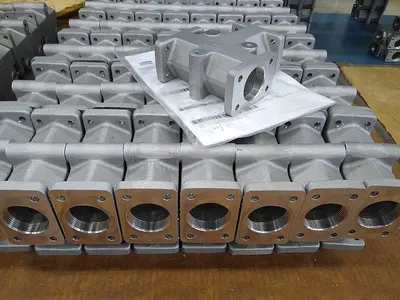
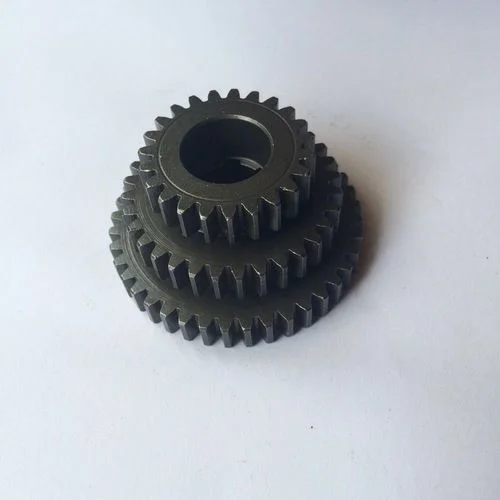
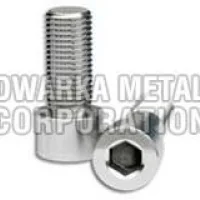
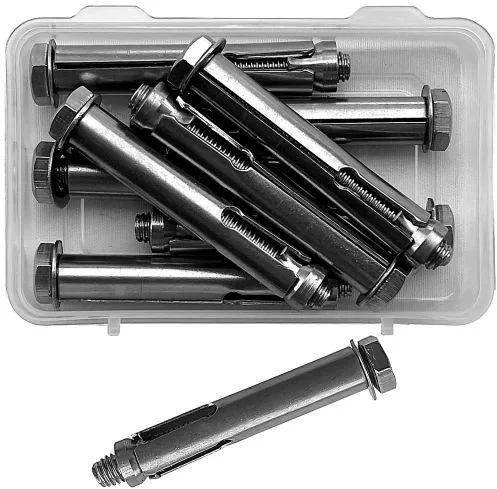
The catalogue’s mechanical items cover fasteners, gear shifter forks, gear interlock pieces and various flange and union fittings, which in the global market are commonly supplied to automotive OEMs and industrial gear manufacturers. Fasteners of this class are usually manufactured to ISO 898‑1 tensile strength classes such as 8.8 or 10.9, with surface treatments like zinc plating or black oxide to meet corrosion resistance requirements. Gear components listed - for example the pre‑combustion chamber (HS 8409.99) and gear interlock piece (HS 8483.40.90) - are typically produced from case‑hardened 8620 steel or Nimonic alloys to achieve hardness levels of 45 - 55 HRC and retain dimensional stability at elevated temperatures. Flange and pipe fitting products (HS 7307.23, 7307.29) are frequently fabricated from stainless steel grades 304 or 316, meeting ASTM A182 or EN 10210 standards for pressure‑rated applications, with bore tolerances generally within ±0.05 mm. Fully machined castings (HS 8484.90) are often supplied in carbon or alloy steel grades such as 41Cr4, conforming to ISO 9001 quality management and to machining tolerances of ±0.03 mm for critical dimensions.
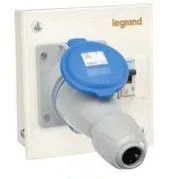
Electrical hardware in the list - including corona ring clamps (HS 8544.70), three‑way plug valves, service entrance heads and conduit bodies - aligns with IEC 60364 and IEC 60529 ingress protection classifications, where IP20 to IP65 ratings are typical for indoor versus outdoor installations. Brass spigots (HS 8481.20) and unions (HS 7419.99) are generally produced to BS 4293 for brass fittings, with material specifications such as CW614N ensuring lead content below 0.5 % for compliance with RoHS directives. Aluminum alloy components like the 305 mm corona ring (HS 8548.90) are commonly fabricated from 6061‑T6, offering a tensile strength around 290 MPa and a typical surface finish of 0.8 µin Ra for high‑voltage applications. Standard packaging for these items includes wooden crates for bulk machined parts and cardboard boxes with anti‑static liners for electrical components, facilitating 20‑foot container loading capacities of up to 18 tonnes.
Trade and Export Information - Global Castings
India ranks among the top global exporters of machined castings, fasteners and electrical conduit hardware, with the HS chapters 84, 85 and 73 covering the majority of the products listed by Global Castings. Buyers in automotive hubs such as Germany, the United States, Japan and Mexico frequently import these categories under HS 8483, 8484 and 7307, seeking material certifications like ISO 9001 and, where applicable, CE marking for equipment destined for the EU market. For high‑temperature alloy components such as the pre‑combustion chamber (HS 8409.99), importers often request third‑party inspection reports (e.g., SGS, Bureau Veritas) confirming heat‑treatment cycles and hardness values in accordance with ASTM A193. Electrical conduit and socket items (HS 8544, 8548) are typically subject to IEC 60364 compliance and may require type‑testing certificates to satisfy UL or IEC standards before shipment. Indian exporters customarily ship these goods in 20‑foot or 40‑foot containers using CIF or FOB terms, with protective crating and moisture‑absorbing desiccants to preserve surface finishes during sea transit.
The Indian export framework mandates that metallic castings and fittings be accompanied by a commercial invoice, packing list, certificate of origin and, where requested, a material test certificate (MTC) detailing chemical composition and mechanical properties. Many importers in the Middle East and Africa also require conformity to ASTM A182 or EN 10210 for pressure‑rated flanges, and they often specify anti‑corrosion coatings such as zinc‑rich primer or hot‑dip galvanising, which align with the material options offered by Global Castings. Logistics considerations include weight limits of approximately 22 tonnes per 20‑foot container for steel components and 18 tonnes for aluminum parts, with standard loading plans that accommodate the dimensional tolerances cited in the catalogue. Compliance with the Indian Directorate General of Foreign Trade (DGFT) export licensing ensures that the shipment adheres to the latest customs duty exemptions for machinery and parts under the Foreign Trade Policy 2023‑28.
Sourcing from Global Castings - Buyer Guidance
Prospective buyers should obtain a material test certificate for each steel or alloy component, confirming chemical composition (e.g., %Cr, %Ni for Nimonic) and hardness values matching the catalogue specifications. Requesting a compliance declaration for ISO 9001 quality management, as well as any CE or UL type‑test reports for electrical hardware, helps verify that the products meet the regulatory environment of the buyer’s market. For fasteners and gear parts, ask for a sample batch tested to ISO 4759‑1 dimensional tolerances and tensile strength class, with a detailed inspection report before confirming bulk orders. Verify that the HS codes provided (e.g., 8483.40.90 for the gear interlock piece) align with the buyer’s customs classification to avoid tariff mis‑declarations.
Packaging specifications should be clarified; steel fittings are usually packed in wooden crates with edge protection, while electrical components are boxed with anti‑static liners, both suitable for 20‑foot container loading. Typical minimum order quantities range from a single prototype unit for custom‑machined parts up to 500 pcs for standard fasteners, with lead times of 4‑8 weeks depending on material availability and machining complexity. Buyers are advised to confirm the Incoterm (FOB Mumbai or CIF destination) and to arrange pre‑shipment inspection if required by the importing country’s customs authority.
Frequently Asked Questions About Global Castings
What steel grades are offered for gear components such as the Pre Combustion Chamber and Gear Interlock Piece?
Global Castings lists heat‑resistant stainless steel or Nimonic alloy for the Pre Combustion Chamber (HS 8409.99) and case‑hardened 8620/SCM415 steel for the Gear Interlock Piece (HS 8483.40.90). These grades correspond to typical hardness levels of 45‑55 HRC and are suitable for high‑temperature automotive applications.
How can I verify the material compliance of the Pre Combustion Chamber?
Request a material test certificate that details chemical composition and hardness (e.g., Cr‑Ni percentages and HRC value). A third‑party inspection report from an accredited lab (SGS, Bureau Veritas) is standard practice for confirming compliance with ASTM A193 heat‑treatment specifications.
Which certifications are commonly required for the electrical conduit products like the Corona Ring Arm Clamp?
Buyers usually ask for IEC 60364 compliance and a type‑test certificate that meets UL or IEC standards. If the shipment is destined for the EU, CE marking and an EU Declaration of Conformity are also typical requirements.
What is the standard packaging for flange and union fittings such as the Hex Union and Pipe Fitting?
Flange and union fittings are generally packed in reinforced wooden crates with corner protectors to prevent deformation. The crates are then placed on pallets and wrapped to secure the load for 20‑foot container transport.
What are the typical lead times for custom‑machined castings listed under HS 8484.90?
Lead times depend on material selection and machining complexity but usually range from four to eight weeks from order confirmation. Providing detailed engineering drawings can help minimise the production schedule.
Which HS codes should be used for the Brass Spigot and the Hex Union when preparing customs documentation?
The Brass Spigot is classified under HS 8481.20, while the Hex Union falls under HS 7307.29. Using these codes aligns with the standard tariff headings for brass fittings and stainless‑steel unions respectively.
Can I request a sample of the Corona Ring Arm Clamp before placing a larger order?
Yes, Global Castings can supply a pre‑production sample. Buyers should request a sample accompanied by a material test certificate and dimensional inspection report to verify compliance with IEC 60364 specifications.
What Incoterms does Global Castings typically use for shipments to Europe?
The supplier commonly operates on FOB Mumbai or CIF destination ports. Buyers should confirm the preferred Incoterm during the quotation stage to align with their logistics and insurance arrangements.




 , India