Global Australia Pty Ltd — Verified Supplier
About Global Australia Pty Ltd - Plastic Raw Materials Supplier in Australia
Global Australia Pty Ltd is based in Australia and currently lists six active products. The catalogue covers Plastic Raw Materials, Plastic Scrap, Jumbo Bags, Quartz and Metal Scraps. Specific items include Preform Scrap, Jumbo Bags, Lumps of natural quartz (HS code 2506.10, SiO2), HDPE Regrind, HDPE Regrinds and Metal Scrap (HS code 7204.49, ferrous iron and steel alloy). The supplier’s product count reflects a focus on both polymer recycling streams and bulk raw material commodities. Each entry aligns with the HS code families for quartz and ferrous scrap as provided.
Product Range and Specialties of Global Australia Pty Ltd
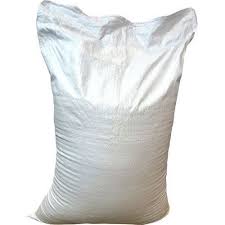
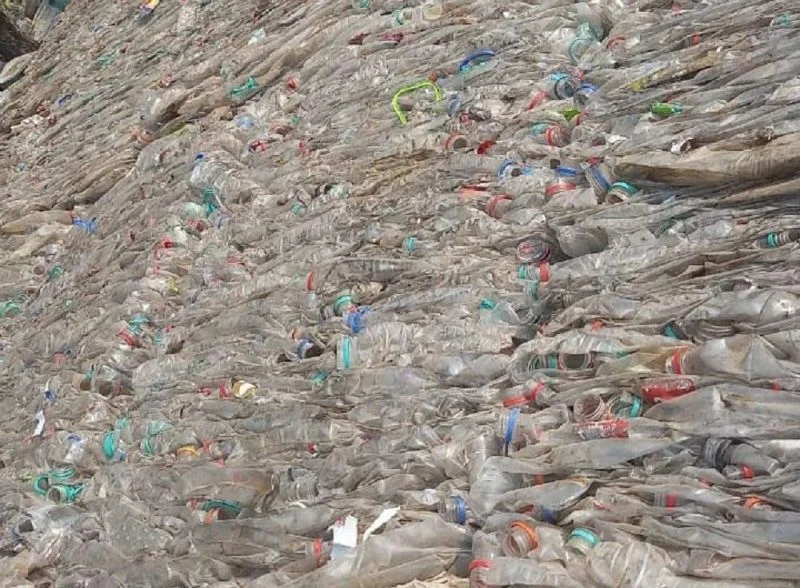
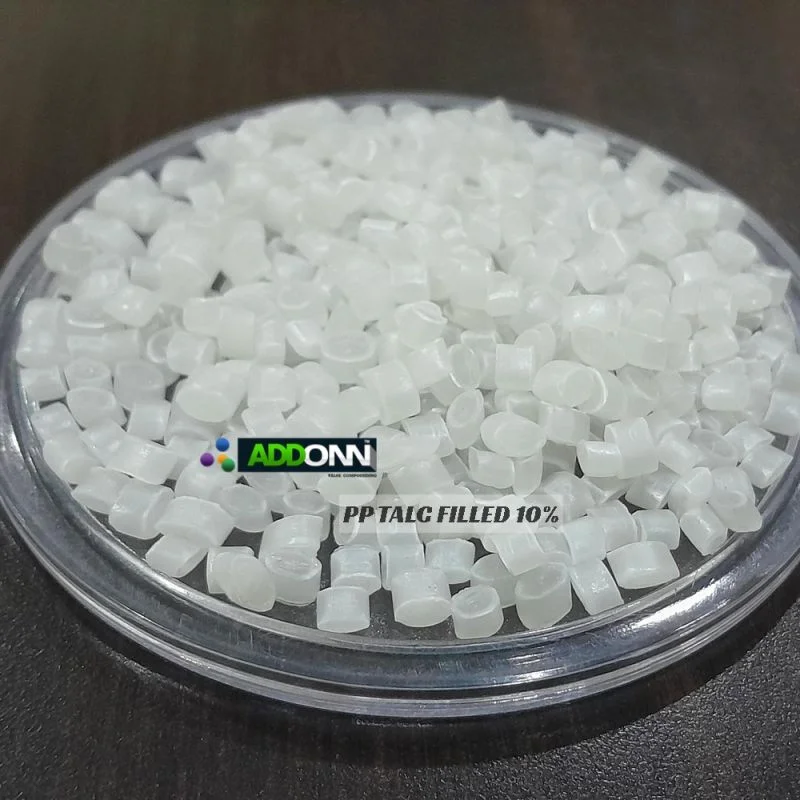
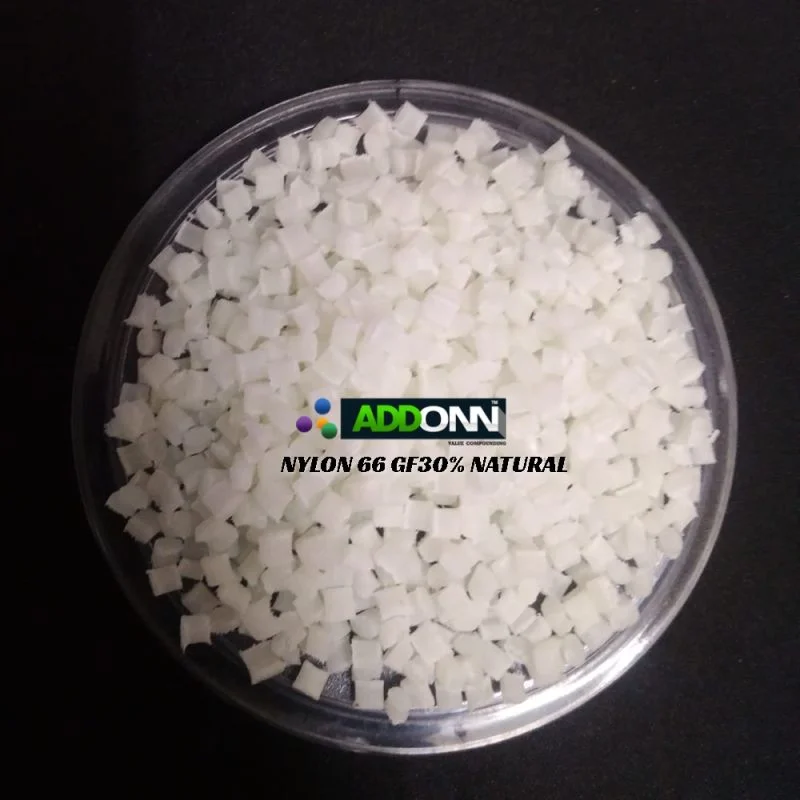
The catalogue lists Preform Scrap, a PET-derived plastic scrap commonly characterized by a melt flow index between 15 and 30 g/10 min and a typical colour range from clear to amber. HDPE Regrind and HDPE Regrinds represent recycled high‑density polyethylene with a density of 0.94 - 0.96 g/cm³ and melt flow indices from 0.5 to 2.0 g/10 min, grades that are standard for packaging and pipe applications. Jumbo Bags are bulk transport containers usually made from woven polypropylene with standard dimensions of 1 × 1 × 2 m and a load capacity of 1,000 - 2,000 kg.
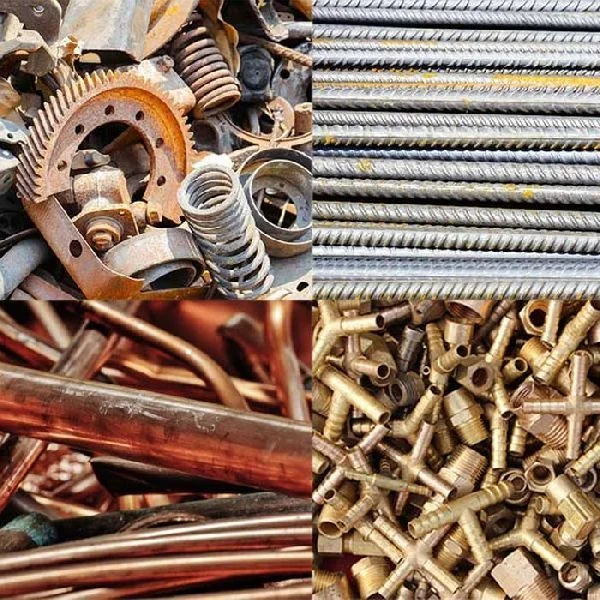
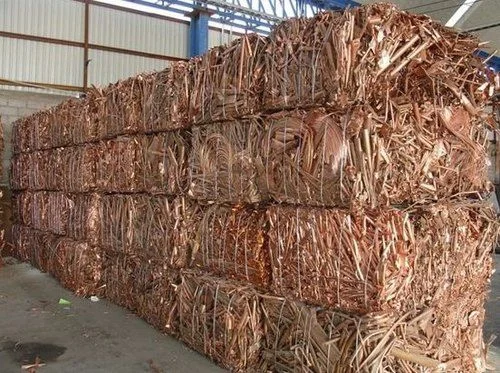
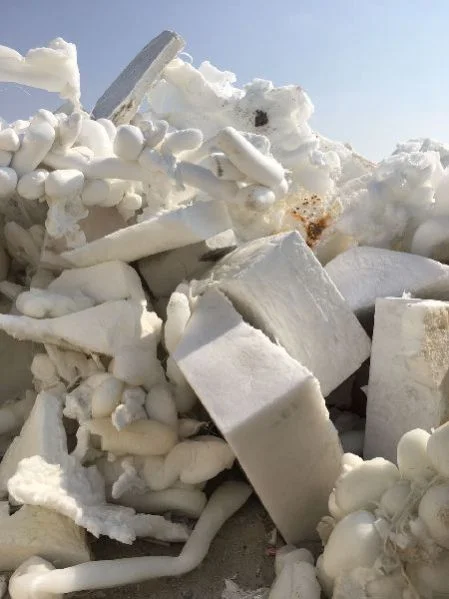
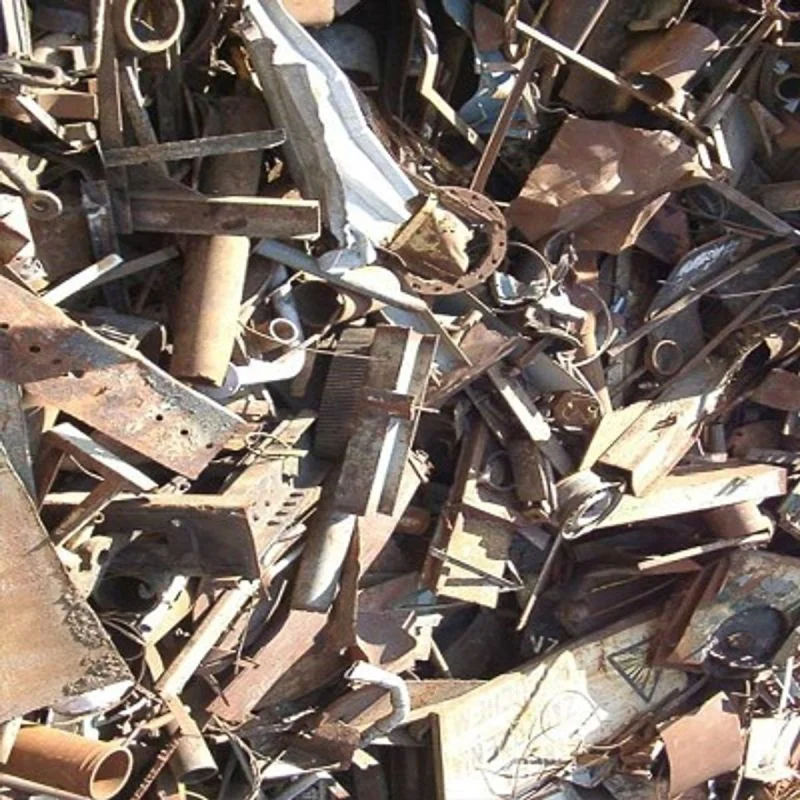
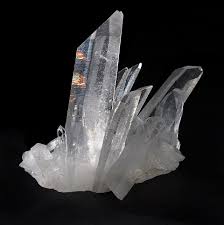
Natural quartz lumps are supplied as raw SiO₂ material, typically meeting a purity of 95 - 99 % and a moisture content below 0.5 %, specifications common for glass‑making and semiconductor substrates. The Metal Scrap entry describes ferrous scrap, a mixture of iron and steel alloys that is graded by size and composition and is a primary feedstock for electric‑arc furnace steel production. Industry standards for these commodities often reference ISO 9001 quality management, REACH registration for chemical safety, and material safety data sheets (MSDS) for handling.
Trade and Export Information - Global Australia Pty Ltd
Australia exports plastic recyclates, quartz and ferrous scrap to Asia, Europe and North America, with China, Japan, South Korea, Germany and the United States among the largest importers. The HS code 2506.10 for natural quartz places the product in Chapter 25 (mineral products), while HS code 7204.49 for ferrous scrap falls under Chapter 72 (iron and steel). Buyers typically require certificates of analysis, origin certificates and compliance with REACH or equivalent chemical regulations.
Logistics for HDPE regrind and PET preform scrap commonly use 20‑ft or 40‑ft containers, packed in moisture‑barrier bags to preserve polymer properties. Jumbo Bags are shipped as bulk loads, often on open‑top containers or truck‑mounted frames. Standard Incoterms such as FOB or CIF are applied, and exporters usually provide a commercial invoice, packing list, bill of lading and, where required, a phytosanitary or customs inspection certificate for metal scrap.
Sourcing from Global Australia Pty Ltd - Buyer Guidance
Buyers should request a recent melt flow index test report for HDPE Regrind and a pigment or colour analysis for Preform Scrap to confirm suitability for their production line. For quartz lumps, a purity certificate and particle size distribution report are typical verification documents. Metal scrap orders benefit from a composition analysis showing Fe, C, Mn and other alloying elements, as well as a magnet test result confirming ferrous content.
Prior to placing a purchase order, verify that the supplier can provide an up‑to‑date MSDS, a certificate of origin and, where applicable, REACH registration documentation. Sampling is standard practice; request a 25 kg sample of HDPE regrind or a 10 kg sample of quartz to perform in‑house testing. Confirm packaging details - polymer regrind is usually bagged in polypropylene sacks, quartz in bulk drums, and metal scrap in steel containers - to ensure compatibility with your handling facilities.
Frequently Asked Questions About Global Australia Pty Ltd
What product codes correspond to the quartz and metal scrap items?
The quartz lumps are listed under HS code 2506.10 and identified as natural quartz (SiO₂). The metal scrap is listed under HS code 7204.49 and described as ferrous metal scrap (iron and steel alloy).
What typical specifications should I verify for HDPE Regrind?
HDPE Regrind is usually specified by density (0.94 - 0.96 g/cm³) and melt flow index (0.5 - 2.0 g/10 min). Buyers also check colour consistency and ensure contaminants such as PVC or moisture are below 0.1 %.
Which documents are commonly required for importing the quartz lumps?
Importers normally request a certificate of analysis showing SiO₂ purity (95‑99 %), a moisture content statement (<0.5 %) and a material safety data sheet. A certificate of origin is also standard for customs clearance.
How are Jumbo Bags typically shipped and what are their standard capacities?
Jumbo Bags are usually woven polypropylene containers with dimensions around 1 × 1 × 2 m and a load capacity of 1,000 - 2,000 kg. They are shipped on open‑top containers or as truck‑mounted loads under FOB or CIF terms.
What certifications are typically expected for metal scrap exports from Australia?
Exporters often provide ISO 9001 quality management certification and evidence of compliance with REACH or local environmental regulations. A metal composition test report and a certificate of origin are also standard.
What sample sizes are recommended for quality testing of the listed products?
For polymer regrind, a 25 kg sample is sufficient for melt flow and contaminants testing. Quartz lumps are commonly sampled at 10 kg to assess purity and particle size, while metal scrap can be evaluated with a 20 kg sample for alloy composition.




 , Australia