global — Verified Supplier
About global - Aluminum Ingots Supplier in Pakistan
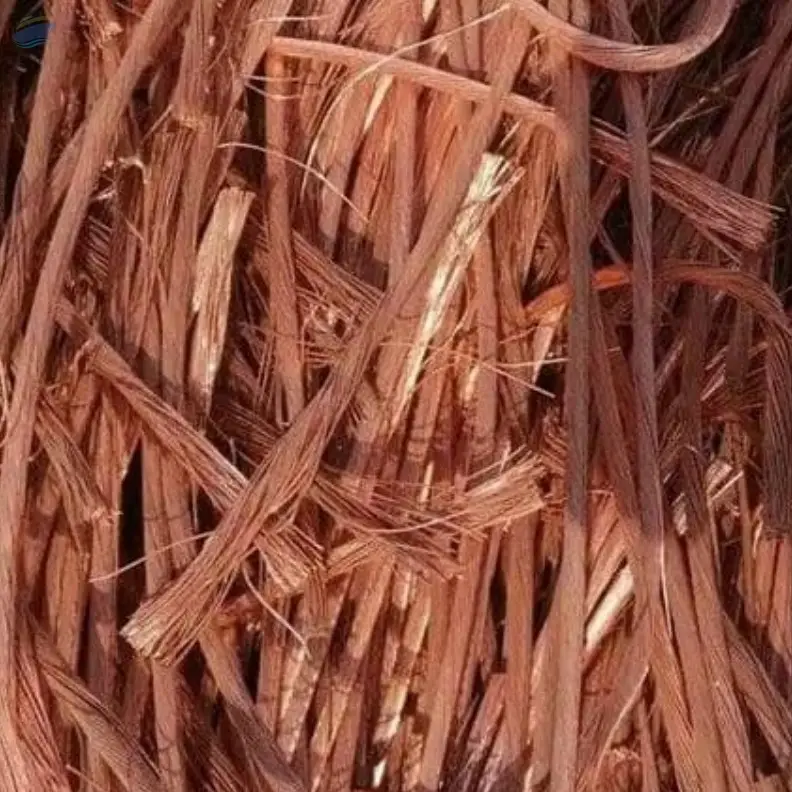
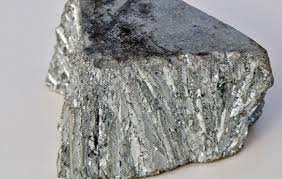
Pakistan‑based supplier global lists 14 active products that span primary metal ingots, mineral raw material, fruit processing inputs and software solutions. The catalogue includes primary aluminum ingots (HS 7601.10, Al 99.7 %), lead ingots (HS 7801.11, Pb 99.97‑99.99 %), copper cathode (HS 7403.11, Cu 99.99 %), nickel plates (HS 7502.20, Ni 99.99 % UNS N02201), copper wire scrap (HS 7404.00, Cu 99.97 %), tin ingots (HS 8001.10, Sn 99.99 %), zinc ingots (HS 7901.12, Zn 99.995 % TT grade) and natural clinoptilolite zeolite (HS 2530.90, aluminosilicate mineral). Additional entries are a medical‑software solution, fruit pulp for juice production, assorted fresh fruits, emerald gemstones sourced from Brazil, and traffic‑safety signage devices.
The metal items are presented with their respective HS‑code families and purity specifications, while the zeolite entry specifies the material as natural clinoptilolite. The software and fruit‑related products are listed without HS codes, reflecting their classification under separate tariff headings. All 14 items are actively offered from Pakistan, providing buyers with a diverse set of raw and semi‑finished commodities.
Product Range and Specialties of global
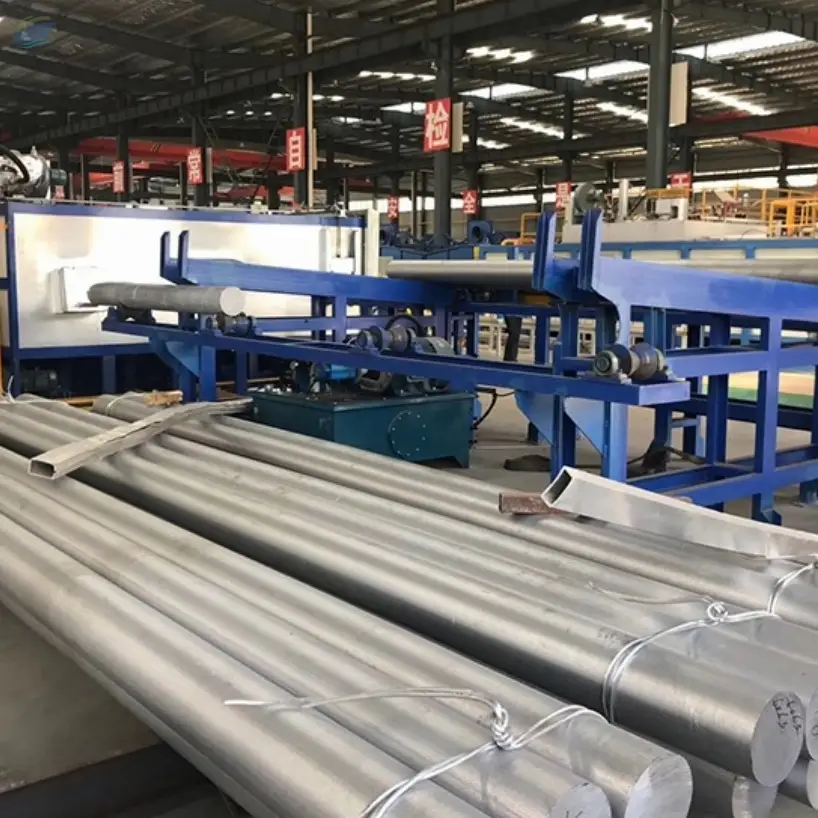
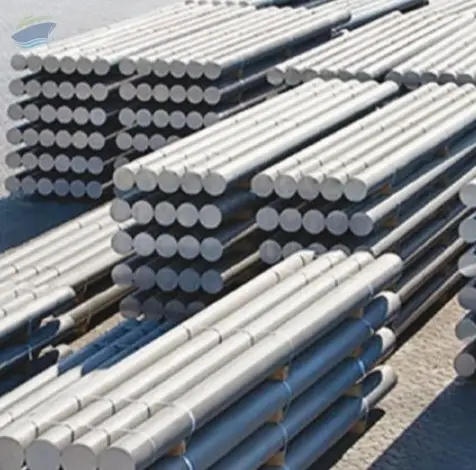
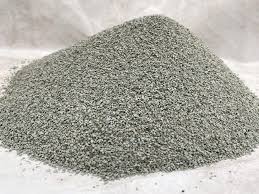
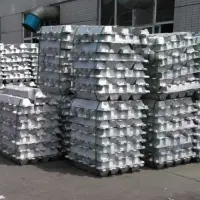
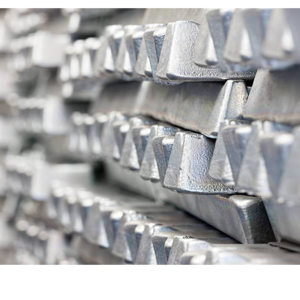
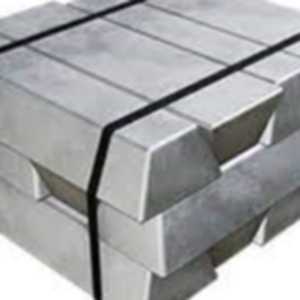
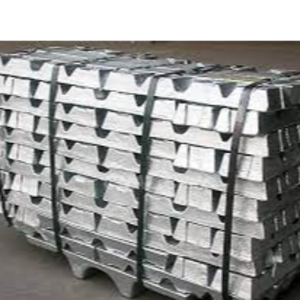
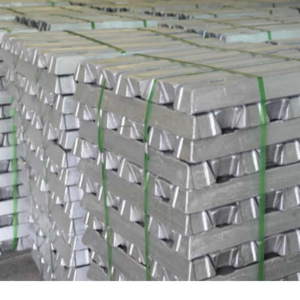
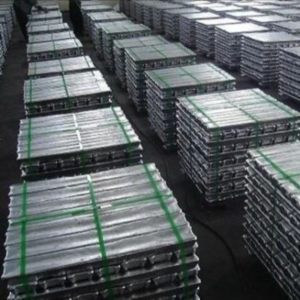
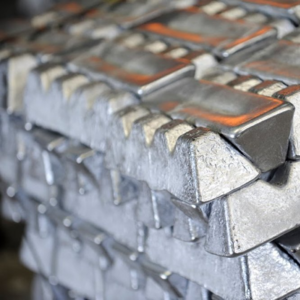
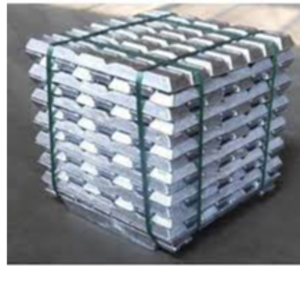
The catalogue’s metal segment features primary aluminum ingots (Al 99.7 %) and a variant labelled “Aluminum Ingots A7” under the same HS 7601.10 heading, reflecting common industry practice of offering 99.7 % purity for casting and extrusion. Lead ingots at 99.97‑99.99 % purity (HS 7801.11) meet typical specifications for battery plates and radiation shielding. Copper cathode (HS 7403.11, Cu 99.99 %) aligns with the standard electrolytic grade used in electrical conductors, while copper wire scrap (HS 7404.00, Cu 99.97 %) is a typical secondary material for recycling. Nickel plates (HS 7502.20, Ni 99.99 %) correspond to UNS N02201 Grade 1, a standard for corrosion‑resistant plating. Tin and zinc ingots (HS 8001.10 and 7901.12) are offered at 99.99 % and 99.995 % TT grade respectively, matching common export specifications for solder and galvanizing. The zeolite product (HS 2530.90) is natural clinoptilolite, a mineral widely used in water treatment and animal feed. Fruit pulp and fresh fruits are standard inputs for beverage manufacturers, and emerald gemstones are classified under the gemstone trade category.
Trade and Export Information - global
Pakistan’s metal export sector primarily serves buyers in the Middle East, Europe, and North America, with aluminum, copper and zinc ingots frequently shipped in 20‑ft or 40‑ft containers under CIF or FOB terms. HS chapter 76 (Aluminum) and chapter 74 (Copper) products often require conformity to ASTM B221 (aluminum), ASTM B115 (copper cathode) and ISO 9001 quality‑management certification, which buyers typically request in the form of mill test reports and assay certificates. Lead ingots (HS 7801) are subject to environmental regulations such as the EU REACH framework, so importers often ask for a REACH registration number and a Material Safety Data Sheet (MSDS). Zeolite (HS 2530) from Pakistan is exported to water‑treatment plants in Africa and South‑Asia; buyers usually verify bulk moisture content (<2 %) and particle‑size distribution (e.g., 2‑4 mm). Emerald gemstones are classified under HS 7103 and are commonly shipped with a gem‑ological report and a certificate of origin to satisfy customs and anti‑money‑laundering checks. Fruit pulp and fresh fruit shipments follow HACCP guidelines, require phytosanitary certificates and are typically packed in food‑grade drums or refrigerated containers.
Sourcing from global - Buyer Guidance
When sourcing metal ingots from global, request a full mill test report that lists chemical composition, tensile strength and dimensional tolerances; for aluminum and zinc, the common standards are ASTM B221 and ASTM B115 respectively. For copper cathode and wire scrap, obtain an assay certificate showing Cu % and any residual impurities, together with an MSDS that confirms compliance with REACH if the destination is the EU. Zeolite buyers should ask for a batch analysis confirming clinoptilolite content (>90 %) and bulk moisture (<2 %); a particle‑size distribution chart is also useful for process design. Gemstone purchasers must secure a gem‑ological certificate detailing carat weight, cut, color grade and a country‑of‑origin declaration to satisfy customs valuation. Fruit pulp suppliers should provide a certificate of analysis indicating Brix level, acidity and microbial limits (e.g., total plate count <10 000 cfu/g). Verify that packaging meets ISO 9001 or equivalent quality‑management standards before confirming a purchase order.
Frequently Asked Questions About global
What HS codes are used for the metal ingots offered by global?
Aluminum ingots are classified under HS 7601.10, lead ingots under HS 7801.11, copper cathode under HS 7403.11, nickel plates under HS 7502.20, tin ingots under HS 8001.10 and zinc ingots under HS 7901.12.
Which purity grades are specified for the copper and nickel products?
The copper cathode is listed as Cu 99.99 % (electrolytic grade) and the nickel plates as Ni 99.99 % UNS N02201 (Grade 1), matching common industrial specifications.
What documentation should a buyer request for the zeolite product?
Buyers should ask for a material test certificate showing clinoptilolite content, bulk moisture percentage, particle‑size distribution, and an MSDS that confirms compliance with any relevant environmental regulations.
Are there any standard certifications typically required for the aluminum ingots?
Importers often require an ASTM B221 certification or an equivalent mill test report, together with a quality‑management certificate such as ISO 9001.
What are the typical packaging formats for the fruit pulp and fresh fruit items?
Fruit pulp is usually packed in food‑grade drums or bulk containers with HACCP‑compliant sealing, while fresh fruits are shipped in ventilated cartons or refrigerated containers to preserve freshness.
How can a buyer verify the authenticity of the emerald gemstones?
A gem‑ological report that details carat weight, cut, color grade, clarity and a certificate of origin from Brazil should be obtained before shipment.




 , Pakistan

.jpg.png)