Gitagged — Verified Supplier
About Gitagged - Spices Supplier in India
India lists 11 active spice products from Gitagged, covering turmeric, chilli and black pepper in both powder and whole forms. The catalogue includes Waigaon Turmeric powder in 100 g and 500 g packs, Guntur Sannam chilli powder in 200 g, 1 kg and whole 200 g, Byadgi chilli powder and whole 200 g, and Malabar black pepper in powder and whole forms ranging from 100 g to 1 kg. Each item is identified by its variety name, reflecting common Indian spice origins such as Guntur for chilli and Malabar for pepper. The product titles specify the packaging weight, which is typical for bulk and retail sampling in international spice trade. No additional product families or certifications are recorded in the supplied data.
The supplier’s top categories are listed as Pepper, Turmeric Powder, Chilli Powder, Red Chilli and Spices, indicating a focus on ground and whole spice commodities. All entries fall under the broader spice commodity group, with the active count confirming a narrow but specific product set. No HS codes, manufacturing details or third‑party certifications are mentioned in the source facts, so the description remains limited to the items explicitly named.
Product Range and Specialties of Gitagged
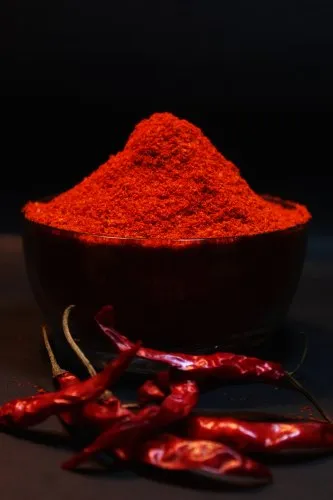
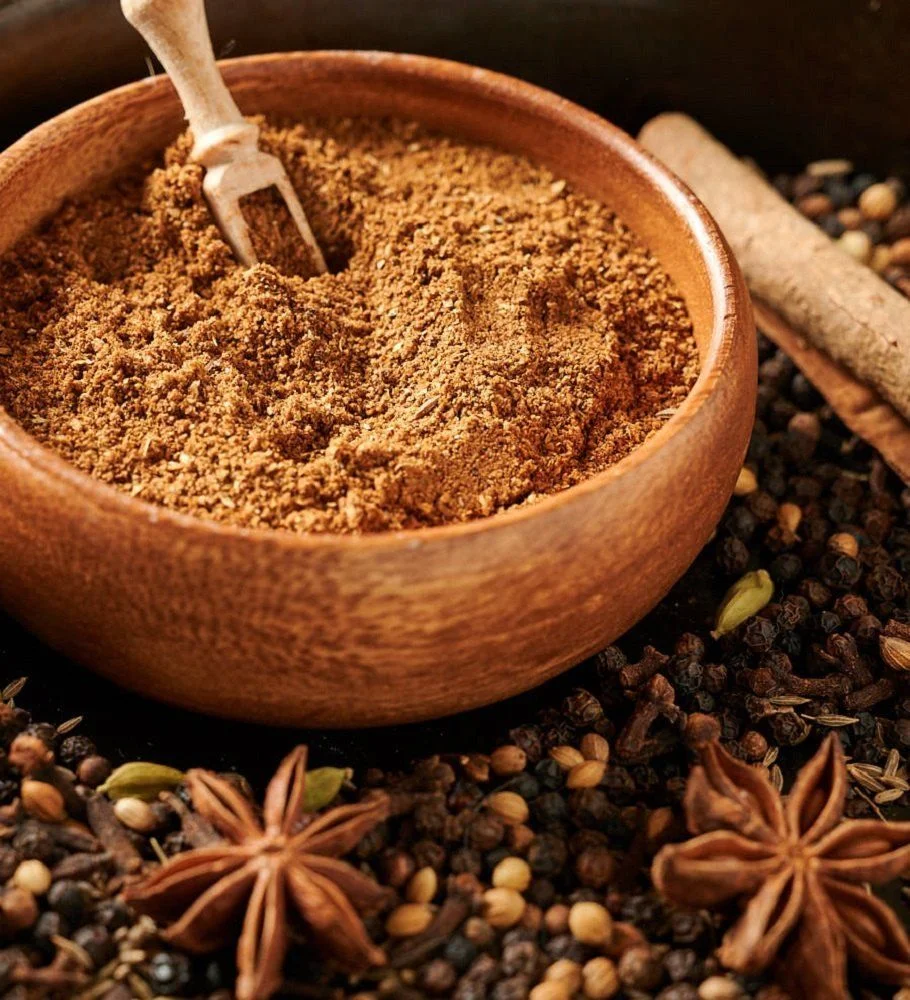
Gitagged’s catalogue comprises ground turmeric powder (Waigaon), two chilli varieties (Guntur Sannam and Byadgi) offered both as powder and whole dried pods, and Malabar black pepper presented as whole berries and fine powder. In the spice industry, turmeric powder is commonly graded by colour strength (ICUMSA 45‑60) and moisture content below 12 %. Guntur Sannam chilli is a medium‑hot variety usually measured by Scoville units around 30 000‑50 000, while Byadgi chilli is known for its deep red colour and lower capsaicin level, often used for colour rather than heat. Black pepper from the Malabar coast is typically classified by size (large, medium, small) and moisture under 5 %, with a pip size of 0.5‑1 mm for whole pepper and a fine powder passing a 60‑mesh sieve.
Standard packaging for bulk spices includes food‑grade PET jars, laminated paper bags, and 25 kg jute bags, each with moisture‑barrier liners. Buyers often request certificates of analysis that detail colour, pungency, moisture, ash and microbial limits such as total plate count (<10 000 CFU/g) and absence of Salmonella. These specifications align with the product sizes shown in the catalogue, enabling straightforward scaling from sample to container loads.
Trade and Export Information - Gitagged
India is a major exporter of spices, with the majority of shipments destined for the European Union, the United States, the Middle East and Southeast Asia. The HS chapter 09 codes commonly applied are 0904 for pepper, 0905 for chillies and 0906 for turmeric. Export shipments typically use 20‑ft or 40‑ft containers, with bulk spices packed in 25 kg or 1 ton polypropylene bags, while retail‑size packs such as 100 g or 500 g are placed in corrugated cartons. Import regulations in target markets often require compliance with the Codex Alimentarius standards for pesticide residues, heavy metals and aflatoxins, and may request ISO 22000 or HACCP audit reports.
Buyers usually ask for a phytosanitary certificate and a certificate of origin to satisfy customs clearance. While Gitagged’s specific certifications are not listed, exporters of Indian spices frequently hold FSSAI registration and may obtain organic or fair‑trade certifications on request. Logistics norms include CIF or FOB terms, with inland transport to Indian ports such as Mundra or Nhava Sheva before ocean freight.
Sourcing from Gitagged - Buyer Guidance
When sourcing from Gitagged, buyers should request a recent Certificate of Analysis for each spice, confirming moisture, colour, capsaicin level (for chilli) and microbial limits. Samples of 500 g to 1 kg are typical for laboratory testing before confirming larger orders. Verify that the supplier can provide a phytosanitary certificate and, if required by the destination market, an ISO 22000 or HACCP audit report.
Clarify packaging options: bulk buyers may prefer 25 kg polypropylene bags with inner liners, while retail distributors often need sealed PET jars or cardboard cartons for the 100 g - 500 g packs listed. Confirm lead times, which for Indian spice growers usually range from 30 to 45 days after order confirmation, and discuss Incoterms such as FOB Mundra or CIF Rotterdam to align with shipping plans.
Frequently Asked Questions About Gitagged
What spice varieties does Gitagged offer?
Gitagged lists Waigaon turmeric powder, Guntur Sannam chilli (powder and whole), Byadgi chilli (powder and whole), and Malabar black pepper in both whole berries and powder.
In which pack sizes are the products available?
The catalogue shows retail packs of 100 g, 200 g and 500 g for powders, and bulk packs of 1 kg for whole pepper and chilli, as well as 1 kg powder bags for chilli.
Which HS codes are typically applied to these spices?
Turmeric falls under HS 0906, chillies under HS 0905 and black pepper under HS 0904, which are the standard classifications used in international trade.
What quality documents should a buyer request?
Buyers should ask for a Certificate of Analysis, phytosanitary certificate, and any food‑safety audits such as ISO 22000 or HACCP that the supplier can provide.
What are common specifications for Indian turmeric powder?
Typical specifications include ICUMSA colour 45‑60, moisture ≤12 %, total ash ≤6 % and microbial limits of total plate count below 10 000 CFU/g with no Salmonella detected.
How is black pepper usually packaged for export?
Exporters pack whole pepper in 25 kg polypropylene bags with inner liners or in 1 ton bulk bags, while pepper powder is often sealed in food‑grade PET drums or laminated paper bags.
What is the usual lead time for spice orders from India?
Lead times generally range from 30 to 45 days after order confirmation, depending on harvest season and packaging requirements.
Which markets commonly import Indian spices like those offered by Gitagged?
The European Union, United States, Middle East and Southeast Asian countries are the primary import markets for Indian turmeric, chilli and black pepper.




 , India