Gajkarn Exim LLP — Verified Supplier

About Gajkarn Exim LLP - Vegetable Powder Supplier in India

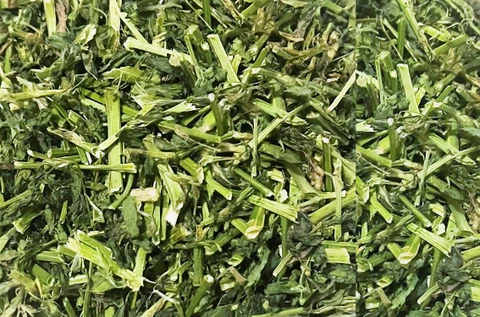
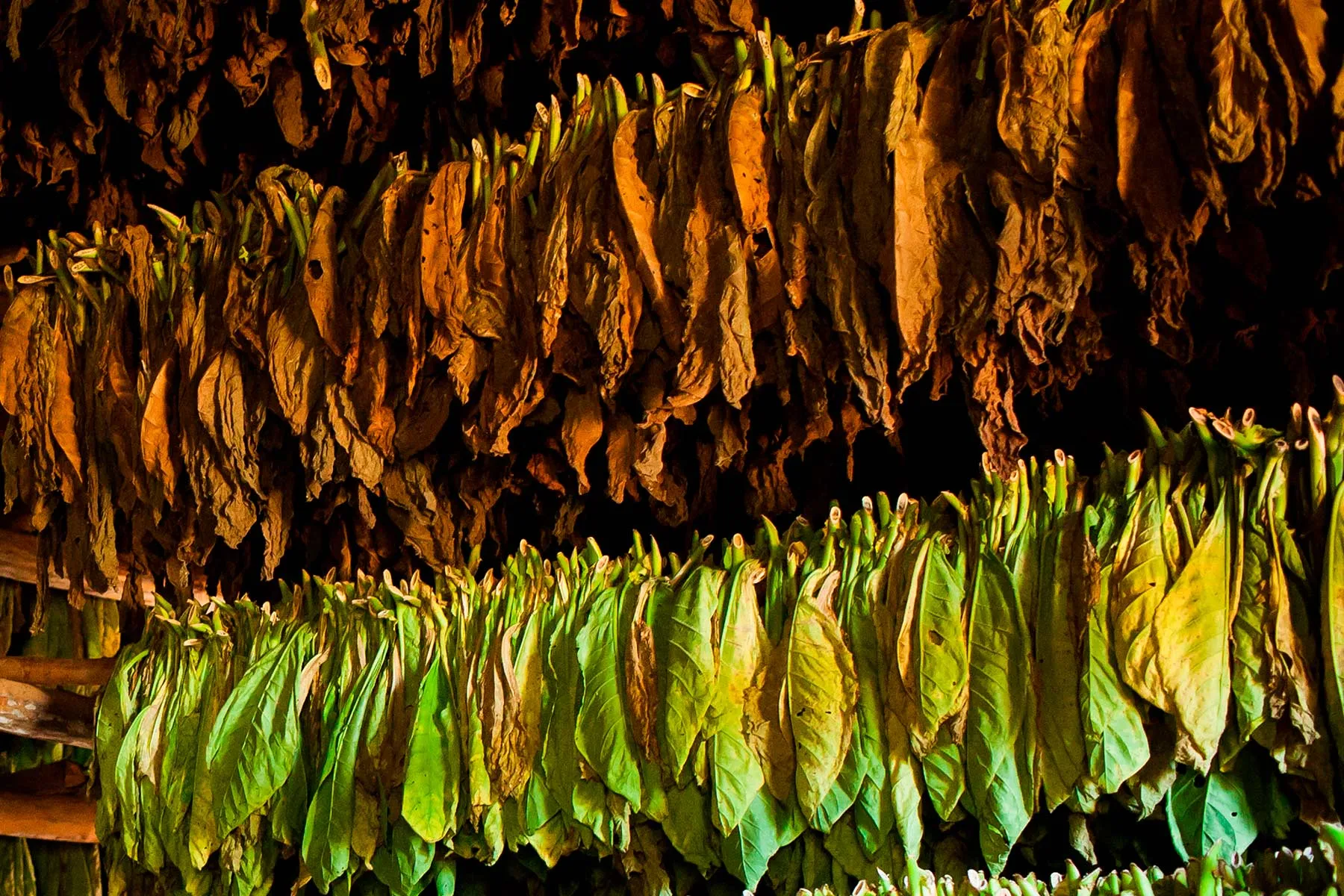
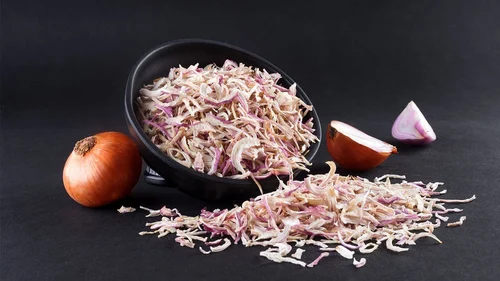
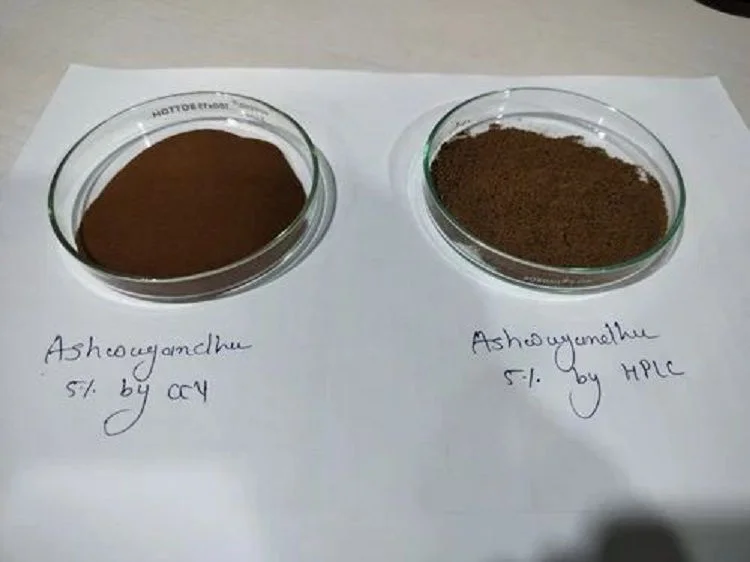
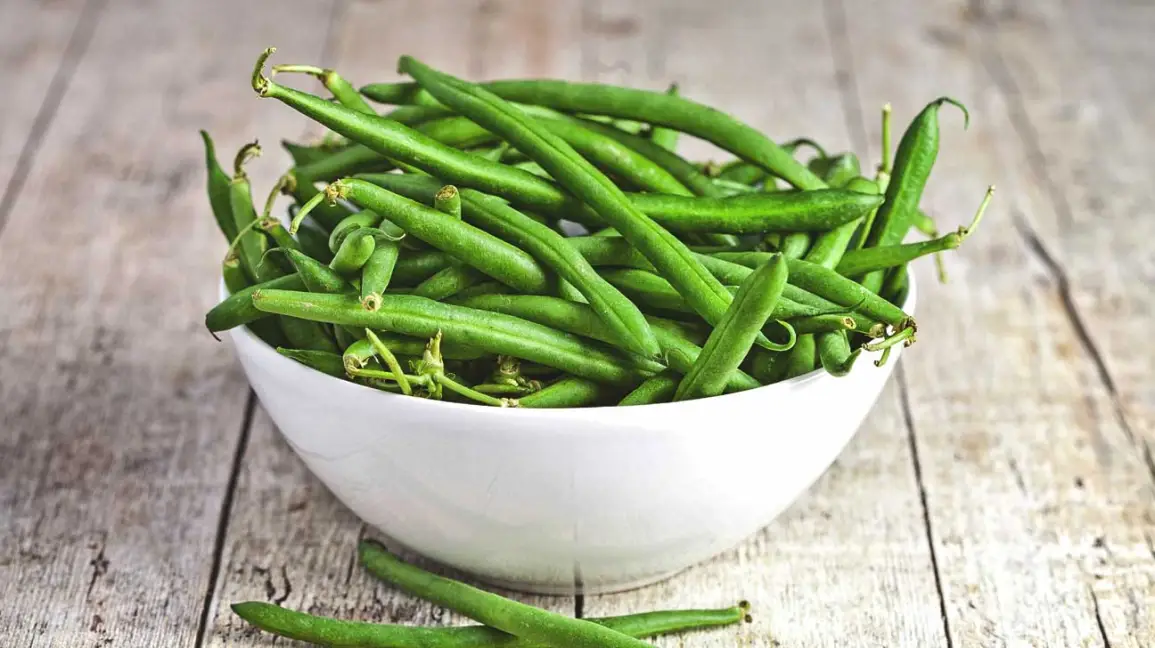
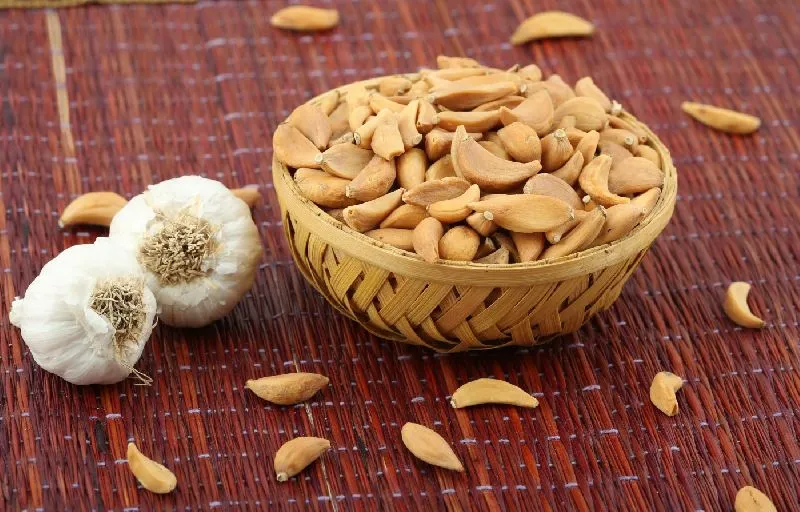
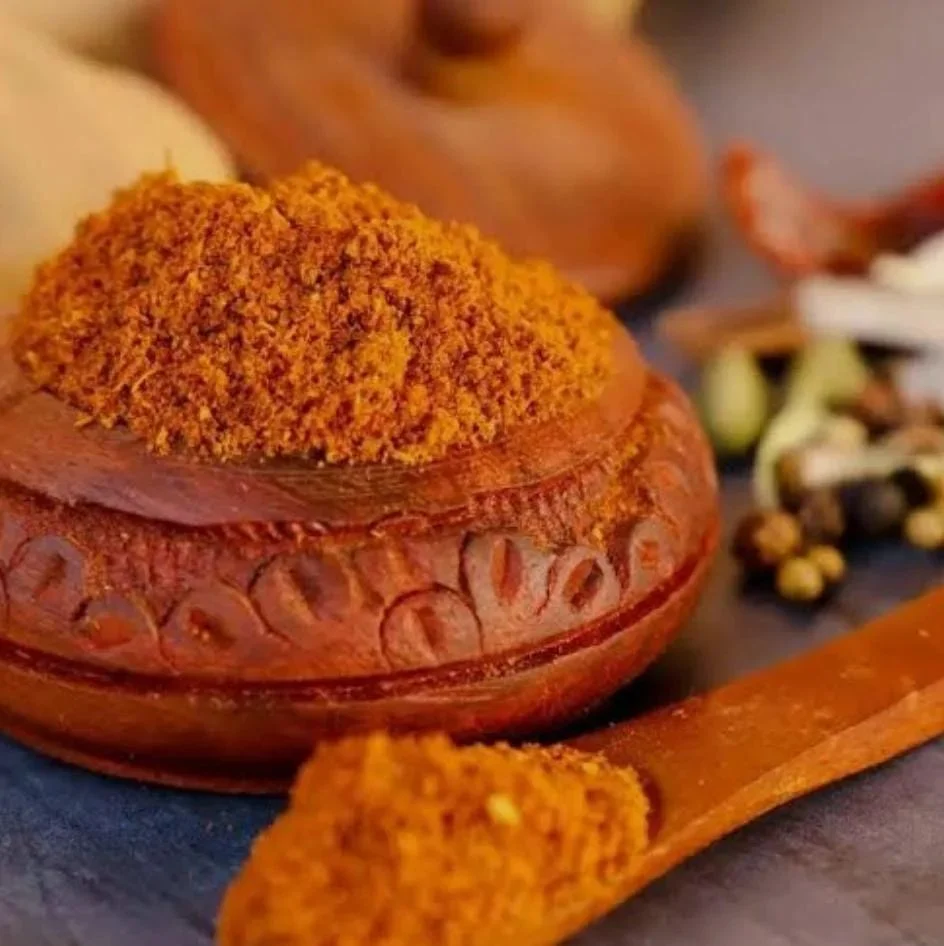
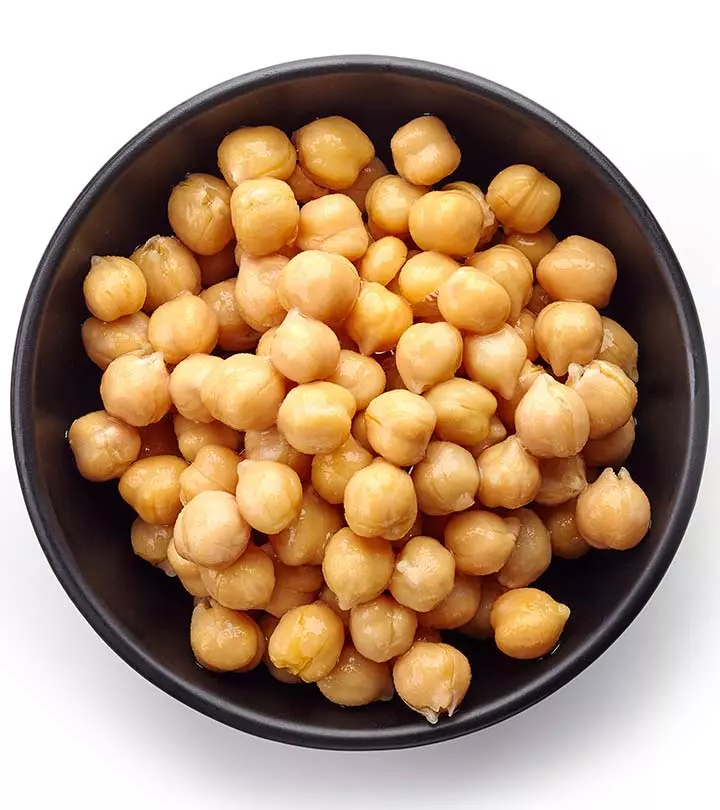
India hosts Gajkarn Exim LLP, which currently lists 38 distinct products in its catalogue. The supplier’s top categories include vegetable powder, fruit powder, dehydrated onion, chickpeas, beans, peas, grams and fresh onion. The catalogue includes dehydrated white onion flakes/kibbled, dehydrated garlic, dehydrated onion, various spices, white and black chickpeas, field beans (HS 0713.50, dried Vicia faba) and mung beans (HS 0713.30, dried Vigna radiata). Additional products cover lentil seeds, pigeon peas, black gram, green peas, horse gram, wheat, rice, soybean seeds, maize, millet, sorghums, fresh red and white onions, mustard, peanuts, sesame, sunflower, kalonji, safflower, basil, alfalfa and ashwagandha.

Product Range and Specialties of Gajkarn Exim LLP

The catalogue spans dehydrated vegetable powders such as onion and garlic, which in the industry are produced with moisture content under 8 % and particle size distribution of 0.5 - 2 mm. Pulses like chickpeas, field beans, mung beans, lentils, pigeon peas, black gram and horse gram are generally exported as Grade A, with moisture ≤12 %, protein content 20 - 25 % and negligible foreign matter. Oil seeds (mustard, peanuts, sesame, sunflower, kalonji, safflower) are sold with declared oil content ranging from 40 % to 55 % and are often cleaned to meet Codex maximum pesticide residue limits. Fresh onions are typically packed in ventilated 10 kg mesh bags, while herbs such as basil, alfalfa and ashwagandha are supplied as dried bulk material meeting pharmacopeial purity standards. Standard export packaging for these commodities includes 20 ft containers holding roughly 20‑22 metric tonnes of pulses or 18 tonnes of seeds, with pallets of 800 kg bags. HS codes used include 0713.30 for mung beans, 0713.50 for field beans, 0714 for onions and 1207 for oil seeds, aligning with global customs classification.

Trade and Export Information - Gajkarn Exim LLP

India is a major exporter of pulses, spices and oil seeds, supplying markets in the Middle East, Europe, North America and Southeast Asia. HS chapter 07 items such as dried beans and peas are subject to phytosanitary checks and often require a certificate of origin, while HS 1207 oil seeds may need fumigation certificates and compliance with EU pesticide residue limits. Buyers typically request ISO 22000, FSSAI and HACCP certifications, and for organic shipments, USDA‑organic or EU organic certificates. Common Incoterms used by Indian exporters are FOB Mumbai and CIF Dubai, with container loads dispatched on a weekly basis. Logistics involve 20 ft containers for pulses (≈20 t) and 40 ft containers for bulk seeds (≈38 t), with moisture monitoring during transit.

Sourcing from Gajkarn Exim LLP - Buyer Guidance

Prospective buyers should obtain a current Certificate of Analysis covering moisture, protein, ash and pesticide residues for each batch. Request a phytosanitary certificate for dried beans and pulses, and a fumigation or seed‑health certificate for oil seeds. Verify that the supplier can provide HS‑specific packing lists and that the packaging meets the buyer’s requirement for 20 kg or 25 kg polypropylene bags, sealed with tamper‑evident liners. Typical minimum order quantities are 15 metric tonnes for pulses and 10 metric tonnes for spices, with lead times of 30‑45 days after order confirmation. Samples of at least 5 kg should be evaluated before committing to full‑scale shipments.

Frequently Asked Questions About Gajkarn Exim LLP

What product categories are listed by Gajkarn Exim LLP?

The supplier lists vegetable powder, fruit powder, dehydrated onion, chickpeas, beans, peas, grams and fresh onion, together with a broad range of pulses, oil seeds and herbs. Specific items include dehydrated white onion flakes, garlic, various spices, white and black chickpeas, field beans, mung beans, lentils, pigeon peas, black gram, green peas, horse gram, wheat, rice, soybean, maize, millet, sorghums, fresh red and white onions, mustard, peanuts, sesame, sunflower, kalonji, safflower, basil, alfalfa and ashwagandha.

Which HS codes apply to the legume products in the catalogue?

Field beans are classified under HS 0713.50 and mung beans under HS 0713.30. Other pulses such as chickpeas, lentils, pigeon peas and black gram fall within the broader HS 0713 chapter for dried legumes.

What certifications should a buyer request from this supplier?

Buyers should ask for a current Certificate of Analysis, a phytosanitary certificate for dried pulses, and a fumigation or seed‑health certificate for oil seeds. In addition, ISO 22000, FSSAI and HACCP compliance documents are commonly required for Indian food exporters.

How are the dehydrated onion flakes packaged for export?

Dehydrated onion flakes are usually packed in 20 kg polypropylene bags that are moisture‑proof and sealed with tamper‑evident liners. The bags are palletised for shipment in 20 ft containers, allowing roughly 20 tonnes per container.

What are the typical minimum order quantities and lead times?

Typical MOQ is about 15 metric tonnes for pulses and 10 metric tonnes for spices or herbs. Lead time after order confirmation normally ranges from 30 to 45 days, depending on product availability and seasonal harvest cycles.

Which regions commonly import Indian pulses and oil seeds?

Major importers of Indian pulses include the United Arab Emirates, Saudi Arabia, the United Kingdom, the United States and Kenya. Oil seeds such as mustard, sesame and sunflower are frequently shipped to the European Union, Southeast Asian countries and the Middle East.

What documentation is needed for customs clearance of these goods?

Standard documentation includes a commercial invoice, packing list, certificate of origin, phytosanitary or fumigation certificate (as applicable), and any required import permits of the destination country. For organic shipments, an additional organic certification document is required.

What packaging formats are used for bulk seeds like mustard or sunflower?

Bulk oil seeds are typically packed in 25 kg polypropylene bags or 1‑ton bulk bags, stacked on pallets. The pallets are loaded into 20 ft or 40 ft containers, with total payloads of approximately 18 tonnes for a 20 ft box and 36 tonnes for a 40 ft box.

Featured Products from this Supplier

Other Suppliers in Primary Category

Top Trusted Suppliers

Related Products

Trending in Parent Category

More Suppliers in Category

Related Products

Other Suppliers

EximNext
58.4K+ live requirements
Register Free🎁 5 free buy-lead credits
Post Requirement
🌍 Trusted by 224.4K+ businesses in 200+ countries|
58.4K+ active requirements right now
✉️ [email protected]
|
Sell on EximNextPost Requirement
EximNext
AgricultureApparelConstructionElectronicFoodHomeIndustrialMineralsMiscellaneous
🔥 Deals|✨ AI Match|🏭 Suppliers|📋 Buy Leads|💰 Trade Finance|⭐ Upgrade
58.4K+ live RFQs·194.4K+ suppliers
🎁 5 free credits →
EximNext
EximNext
Register Free
🎁 5 free buy-lead credits
Sign In
📋Post Requirement💬Get QuotesAI Match📋RFQ Marketplace
All Categories
Services & Tools
🏭Supplier Directory🔥Today's Deals💰Trade FinanceMembership
Sell on EximNext
AboutContactBlogHelp
🏭

Gajkarn Exim LLP

Harbor
Country flag , India
🛡️
77/100
Trust Score

Gajkarn Exim LLP Product Catalog

Showing 12 of 39 products
View all products →
Alfalfa
Harbor
Alfalfa
Contact
MOQ: 1 Unit
Fresh White Onions
Harbor
Fresh White Onions
Contact
MOQ: 1 Unit
Mustard Seeds
Harbor
Mustard Seeds
Contact
MOQ: 1 Unit
Peanuts
Harbor
Peanuts
Contact
MOQ: 1 Unit
Seasame Seeds
Harbor
Seasame Seeds
Contact
MOQ: 1 Unit
Sunflower Seeds
Harbor
Sunflower Seeds
Contact
MOQ: 1 Unit
Kalonji
Harbor
Kalonji
Contact
MOQ: 1 Unit
Safflower Seeds
Harbor
Safflower Seeds
Contact
MOQ: 1 Unit
Moringa Leaves
Harbor
Moringa Leaves
Contact
MOQ: 1 Unit
Basil
Harbor
Basil
Contact
MOQ: 1 Unit
Fresh Red Onion
Harbor
Fresh Red Onion
Contact
MOQ: 1 Unit
Ashwagandha
Harbor
Ashwagandha
Contact
MOQ: 1 Unit

About Gajkarn Exim LLP - Vegetable Powder Supplier in India

India hosts Gajkarn Exim LLP, which currently lists 38 distinct products in its catalogue. The supplier’s top categories include vegetable powder, fruit powder, dehydrated onion, chickpeas, beans, peas, grams and fresh onion. The catalogue includes dehydrated white onion flakes/kibbled, dehydrated garlic, dehydrated onion, various spices, white and black chickpeas, field beans (HS 0713.50, dried Vicia faba) and mung beans (HS 0713.30, dried Vigna radiata). Additional products cover lentil seeds, pigeon peas, black gram, green peas, horse gram, wheat, rice, soybean seeds, maize, millet, sorghums, fresh red and white onions, mustard, peanuts, sesame, sunflower, kalonji, safflower, basil, alfalfa and ashwagandha.

Product Range and Specialties of Gajkarn Exim LLP

The catalogue spans dehydrated vegetable powders such as onion and garlic, which in the industry are produced with moisture content under 8 % and particle size distribution of 0.5 - 2 mm. Pulses like chickpeas, field beans, mung beans, lentils, pigeon peas, black gram and horse gram are generally exported as Grade A, with moisture ≤12 %, protein content 20 - 25 % and negligible foreign matter. Oil seeds (mustard, peanuts, sesame, sunflower, kalonji, safflower) are sold with declared oil content ranging from 40 % to 55 % and are often cleaned to meet Codex maximum pesticide residue limits. Fresh onions are typically packed in ventilated 10 kg mesh bags, while herbs such as basil, alfalfa and ashwagandha are supplied as dried bulk material meeting pharmacopeial purity standards. Standard export packaging for these commodities includes 20 ft containers holding roughly 20‑22 metric tonnes of pulses or 18 tonnes of seeds, with pallets of 800 kg bags. HS codes used include 0713.30 for mung beans, 0713.50 for field beans, 0714 for onions and 1207 for oil seeds, aligning with global customs classification.

Trade and Export Information - Gajkarn Exim LLP

India is a major exporter of pulses, spices and oil seeds, supplying markets in the Middle East, Europe, North America and Southeast Asia. HS chapter 07 items such as dried beans and peas are subject to phytosanitary checks and often require a certificate of origin, while HS 1207 oil seeds may need fumigation certificates and compliance with EU pesticide residue limits. Buyers typically request ISO 22000, FSSAI and HACCP certifications, and for organic shipments, USDA‑organic or EU organic certificates. Common Incoterms used by Indian exporters are FOB Mumbai and CIF Dubai, with container loads dispatched on a weekly basis. Logistics involve 20 ft containers for pulses (≈20 t) and 40 ft containers for bulk seeds (≈38 t), with moisture monitoring during transit.

Sourcing from Gajkarn Exim LLP - Buyer Guidance

Prospective buyers should obtain a current Certificate of Analysis covering moisture, protein, ash and pesticide residues for each batch. Request a phytosanitary certificate for dried beans and pulses, and a fumigation or seed‑health certificate for oil seeds. Verify that the supplier can provide HS‑specific packing lists and that the packaging meets the buyer’s requirement for 20 kg or 25 kg polypropylene bags, sealed with tamper‑evident liners. Typical minimum order quantities are 15 metric tonnes for pulses and 10 metric tonnes for spices, with lead times of 30‑45 days after order confirmation. Samples of at least 5 kg should be evaluated before committing to full‑scale shipments.

Frequently Asked Questions About Gajkarn Exim LLP

What product categories are listed by Gajkarn Exim LLP?

The supplier lists vegetable powder, fruit powder, dehydrated onion, chickpeas, beans, peas, grams and fresh onion, together with a broad range of pulses, oil seeds and herbs. Specific items include dehydrated white onion flakes, garlic, various spices, white and black chickpeas, field beans, mung beans, lentils, pigeon peas, black gram, green peas, horse gram, wheat, rice, soybean, maize, millet, sorghums, fresh red and white onions, mustard, peanuts, sesame, sunflower, kalonji, safflower, basil, alfalfa and ashwagandha.

Which HS codes apply to the legume products in the catalogue?

Field beans are classified under HS 0713.50 and mung beans under HS 0713.30. Other pulses such as chickpeas, lentils, pigeon peas and black gram fall within the broader HS 0713 chapter for dried legumes.

What certifications should a buyer request from this supplier?

Buyers should ask for a current Certificate of Analysis, a phytosanitary certificate for dried pulses, and a fumigation or seed‑health certificate for oil seeds. In addition, ISO 22000, FSSAI and HACCP compliance documents are commonly required for Indian food exporters.

How are the dehydrated onion flakes packaged for export?

Dehydrated onion flakes are usually packed in 20 kg polypropylene bags that are moisture‑proof and sealed with tamper‑evident liners. The bags are palletised for shipment in 20 ft containers, allowing roughly 20 tonnes per container.

What are the typical minimum order quantities and lead times?

Typical MOQ is about 15 metric tonnes for pulses and 10 metric tonnes for spices or herbs. Lead time after order confirmation normally ranges from 30 to 45 days, depending on product availability and seasonal harvest cycles.

Which regions commonly import Indian pulses and oil seeds?

Major importers of Indian pulses include the United Arab Emirates, Saudi Arabia, the United Kingdom, the United States and Kenya. Oil seeds such as mustard, sesame and sunflower are frequently shipped to the European Union, Southeast Asian countries and the Middle East.

What documentation is needed for customs clearance of these goods?

Standard documentation includes a commercial invoice, packing list, certificate of origin, phytosanitary or fumigation certificate (as applicable), and any required import permits of the destination country. For organic shipments, an additional organic certification document is required.

What packaging formats are used for bulk seeds like mustard or sunflower?

Bulk oil seeds are typically packed in 25 kg polypropylene bags or 1‑ton bulk bags, stacked on pallets. The pallets are loaded into 20 ft or 40 ft containers, with total payloads of approximately 18 tonnes for a 20 ft box and 36 tonnes for a 40 ft box.

About Gajkarn Exim LLP - Vegetable Powder Supplier in India

India hosts Gajkarn Exim LLP, which currently lists 38 distinct products in its catalogue. The supplier’s top categories include vegetable powder, fruit powder, dehydrated onion, chickpeas, beans, peas, grams and fresh onion. The catalogue includes dehydrated white onion flakes/kibbled, dehydrated garlic, dehydrated onion, various spices, white and black chickpeas, field beans (HS 0713.50, dried Vicia faba) and mung beans (HS 0713.30, dried Vigna radiata). Additional products cover lentil seeds, pigeon peas, black gram, green peas, horse gram, wheat, rice, soybean seeds, maize, millet, sorghums, fresh red and white onions, mustard, peanuts, sesame, sunflower, kalonji, safflower, basil, alfalfa and ashwagandha.

Product Range and Specialties of Gajkarn Exim LLP

The catalogue spans dehydrated vegetable powders such as onion and garlic, which in the industry are produced with moisture content under 8 % and particle size distribution of 0.5 - 2 mm. Pulses like chickpeas, field beans, mung beans, lentils, pigeon peas, black gram and horse gram are generally exported as Grade A, with moisture ≤12 %, protein content 20 - 25 % and negligible foreign matter. Oil seeds (mustard, peanuts, sesame, sunflower, kalonji, safflower) are sold with declared oil content ranging from 40 % to 55 % and are often cleaned to meet Codex maximum pesticide residue limits. Fresh onions are typically packed in ventilated 10 kg mesh bags, while herbs such as basil, alfalfa and ashwagandha are supplied as dried bulk material meeting pharmacopeial purity standards. Standard export packaging for these commodities includes 20 ft containers holding roughly 20‑22 metric tonnes of pulses or 18 tonnes of seeds, with pallets of 800 kg bags. HS codes used include 0713.30 for mung beans, 0713.50 for field beans, 0714 for onions and 1207 for oil seeds, aligning with global customs classification.

Trade and Export Information - Gajkarn Exim LLP

India is a major exporter of pulses, spices and oil seeds, supplying markets in the Middle East, Europe, North America and Southeast Asia. HS chapter 07 items such as dried beans and peas are subject to phytosanitary checks and often require a certificate of origin, while HS 1207 oil seeds may need fumigation certificates and compliance with EU pesticide residue limits. Buyers typically request ISO 22000, FSSAI and HACCP certifications, and for organic shipments, USDA‑organic or EU organic certificates. Common Incoterms used by Indian exporters are FOB Mumbai and CIF Dubai, with container loads dispatched on a weekly basis. Logistics involve 20 ft containers for pulses (≈20 t) and 40 ft containers for bulk seeds (≈38 t), with moisture monitoring during transit.

Sourcing from Gajkarn Exim LLP - Buyer Guidance

Prospective buyers should obtain a current Certificate of Analysis covering moisture, protein, ash and pesticide residues for each batch. Request a phytosanitary certificate for dried beans and pulses, and a fumigation or seed‑health certificate for oil seeds. Verify that the supplier can provide HS‑specific packing lists and that the packaging meets the buyer’s requirement for 20 kg or 25 kg polypropylene bags, sealed with tamper‑evident liners. Typical minimum order quantities are 15 metric tonnes for pulses and 10 metric tonnes for spices, with lead times of 30‑45 days after order confirmation. Samples of at least 5 kg should be evaluated before committing to full‑scale shipments.

Frequently Asked Questions About Gajkarn Exim LLP
What product categories are listed by Gajkarn Exim LLP?
The supplier lists vegetable powder, fruit powder, dehydrated onion, chickpeas, beans, peas, grams and fresh onion, together with a broad range of pulses, oil seeds and herbs. Specific items include dehydrated white onion flakes, garlic, various spices, white and black chickpeas, field beans, mung beans, lentils, pigeon peas, black gram, green peas, horse gram, wheat, rice, soybean, maize, millet, sorghums, fresh red and white onions, mustard, peanuts, sesame, sunflower, kalonji, safflower, basil, alfalfa and ashwagandha.
Which HS codes apply to the legume products in the catalogue?
Field beans are classified under HS 0713.50 and mung beans under HS 0713.30. Other pulses such as chickpeas, lentils, pigeon peas and black gram fall within the broader HS 0713 chapter for dried legumes.
What certifications should a buyer request from this supplier?
Buyers should ask for a current Certificate of Analysis, a phytosanitary certificate for dried pulses, and a fumigation or seed‑health certificate for oil seeds. In addition, ISO 22000, FSSAI and HACCP compliance documents are commonly required for Indian food exporters.
How are the dehydrated onion flakes packaged for export?
Dehydrated onion flakes are usually packed in 20 kg polypropylene bags that are moisture‑proof and sealed with tamper‑evident liners. The bags are palletised for shipment in 20 ft containers, allowing roughly 20 tonnes per container.
What are the typical minimum order quantities and lead times?
Typical MOQ is about 15 metric tonnes for pulses and 10 metric tonnes for spices or herbs. Lead time after order confirmation normally ranges from 30 to 45 days, depending on product availability and seasonal harvest cycles.
Which regions commonly import Indian pulses and oil seeds?
Major importers of Indian pulses include the United Arab Emirates, Saudi Arabia, the United Kingdom, the United States and Kenya. Oil seeds such as mustard, sesame and sunflower are frequently shipped to the European Union, Southeast Asian countries and the Middle East.
What documentation is needed for customs clearance of these goods?
Standard documentation includes a commercial invoice, packing list, certificate of origin, phytosanitary or fumigation certificate (as applicable), and any required import permits of the destination country. For organic shipments, an additional organic certification document is required.
What packaging formats are used for bulk seeds like mustard or sunflower?
Bulk oil seeds are typically packed in 25 kg polypropylene bags or 1‑ton bulk bags, stacked on pallets. The pallets are loaded into 20 ft or 40 ft containers, with total payloads of approximately 18 tonnes for a 20 ft box and 36 tonnes for a 40 ft box.

🏭
Gajkarn Exim LLP
Country flag , India
Harbor
77/100
Trust Score
📦
39
Products
Free to contact — no commission
Escrow payment available
Verified business identity
Compare more suppliers
Post a requirement — get 10 quotes free
Let verified suppliers compete for your business. Free, fast, no commitment.
EximNext Verified Supplier
Business identity verified
Physical address confirmed
Financial history checked
Certifications authenticated
Trade references validated
Due Diligence
Verify this supplier's real shipping history.
Every shipment, every buyer, every port. Trade data that can't be faked.
Run due diligence →
Discover More

Related Suppliers & Products

Explore similar suppliers, related products and trending categories

Featured Products from this Supplier

Other Suppliers in Primary Category

Top Trusted Suppliers

Related Products

Trending in Parent Category

More Suppliers in Category

Stay ahead in global trade
Weekly market insights & new supplier alerts.
EximNext
Exim Next is a leading global B2B marketplace, connecting over 205,000 verified suppliers and buyers across 200+ countries. As a trusted import export marketplace, it serves as the essential B2B portal for businesses worldwide, empowering them to expand their international reach. With Exim Next, businesses can trade smarter and grow faster.
SECURE PAYMENTS
VISAMastercardPayPalSWIFTL/CEscrow
Follow us
© 2026 EximNext