Frozen Fresh Inc. — Verified Supplier
About Frozen Fresh Inc. - Frozen Foods Supplier in Canada
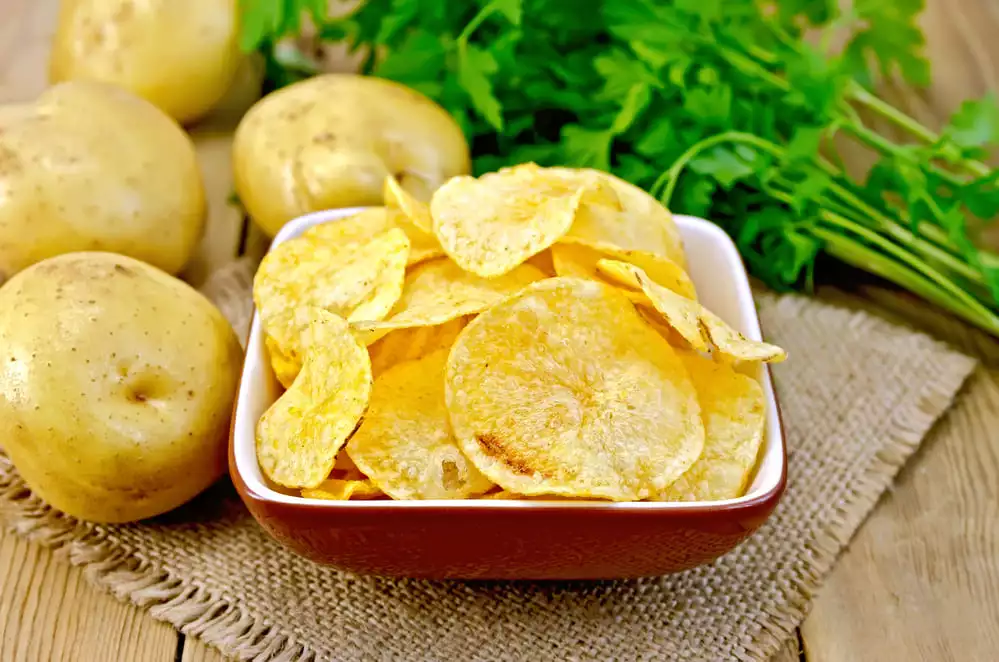
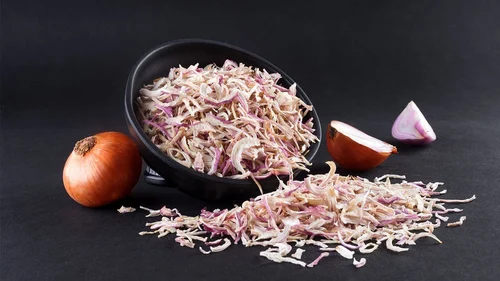
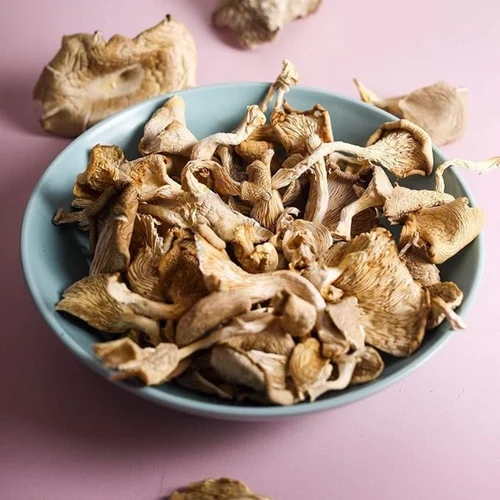
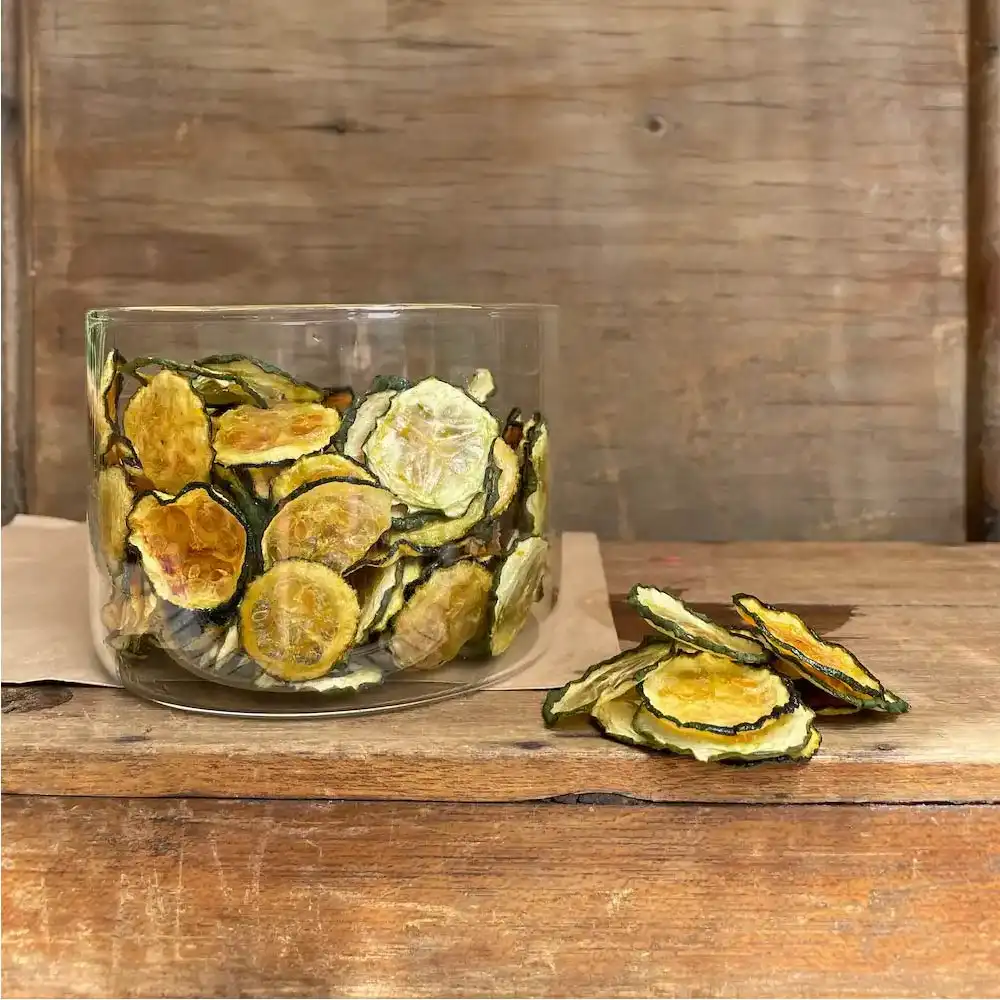
Canada lists 16 active products under Frozen Fresh Inc., covering a spectrum of frozen, IQF, and freeze‑dried food items. The catalogue includes frozen vegetables such as potato, onion, beetroot, spinach, kale, celery, broccoli and green beans, as well as frozen mushrooms and a generic frozen products line. It also contains poultry‑related items, egg yolk powder, scrambled egg yolk, and a range of freeze‑dried ingredients including coffee, fruit juices, vegetable powders and fruit powders. Each entry is recorded without specific HS‑code information, focusing on the product type rather than tariff classification. The supplier’s trust tier is listed as "harbor", indicating a moderate level of verification within the platform.
Product Range and Specialties of Frozen Fresh Inc.
The product range covers frozen vegetables that are typically processed by individual quick freezing (IQF) to retain cellular structure and nutrient content. In the Canadian export market, IQF vegetables are commonly graded by size (e.g., 3‑5 mm for peas) and moisture content around 85‑90 %, with packaging in 20 ft containers or bulk bags of 20 - 25 kg. Freeze‑dried coffee and fruit juices are usually dried to a residual moisture below 5 % and packaged in airtight pouches of 5 kg or 25 kg for bulk shipments. Egg yolk powder and scrambled egg yolk are produced to meet protein contents of 45‑48 % and a moisture level under 4 %, often complying with Codex Alimentarius standards for egg products. The freeze‑dried vegetable powders are ground to particle sizes of 200‑500 µm and carry typical ash contents of 5‑7 % for flavor applications.
Trade and Export Information - Frozen Fresh Inc.
Canada exports frozen and freeze‑dried food products primarily to the United States, European Union, and Middle‑East markets, where demand for ready‑to‑use ingredients is high. Buyers in these regions usually request compliance with food safety standards such as CFIA inspection reports, ISO 22000 or HACCP certifications, and where applicable, organic or non‑GMO verification. Shipping is commonly arranged under FOB or CIF terms, with products packed in insulated containers, refrigerated trucks, or vacuum‑sealed bulk bags to preserve quality during transit. Importers often reference HS chapter 20 for frozen vegetables (HS 2008‑2009) and chapter 21 for coffee and related products (HS 2101), which may trigger phytosanitary or food safety inspections upon arrival. Canadian exporters benefit from established phytosanitary protocols that streamline customs clearance for frozen produce.
Sourcing from Frozen Fresh Inc. - Buyer Guidance
When sourcing from Frozen Fresh Inc., buyers should request the most recent CFIA export certificates and any available ISO 22000 or HACCP audit reports to confirm food safety compliance. Samples of frozen vegetables should be evaluated for color retention, texture after thawing, and microbial counts below 10³ CFU/g, while freeze‑dried powders should be tested for moisture content, particle size distribution, and solubility in water. Verify packaging specifications such as insulated pallets for frozen items and moisture‑barrier pouches for powders, and confirm that container loading plans meet the required temperature controls (‑18 °C for frozen goods, ambient for freeze‑dried powders). Clarify the minimum order quantity, which typically ranges from 10 metric tons for bulk frozen vegetables to 2 metric tons for specialty powders, and align lead times with seasonal production cycles, often 4‑6 weeks for frozen vegetables and 6‑8 weeks for freeze‑dried ingredients.
Frequently Asked Questions About Frozen Fresh Inc.
What product categories does Frozen Fresh Inc. offer?
The catalogue includes frozen vegetables (potato, onion, beetroot, spinach, kale, celery, broccoli, green beans), frozen mushrooms, freeze‑dried coffee, freeze‑dried fruit juices, freeze‑dried vegetable powders, freeze‑dried fruit powder, egg yolk powder, scrambled egg yolk and a general frozen products line.
Are there standard quality specifications for the frozen vegetables?
Typical specifications require a moisture content of 85‑90 %, size grading according to market standards (e.g., 3‑5 mm for small pieces), and microbial limits below 10³ CFU/g. Exporters also meet CFIA and Codex guidelines for pesticide residues.
What certifications should a buyer request?
Buyers should ask for the latest CFIA export certificate, and, if available, ISO 22000 or HACCP audit reports. For organic claims, an organic certification from an accredited body is required.
How are freeze‑dried products packaged for shipment?
Freeze‑dried coffee, fruit juices and powders are usually packed in multilayer moisture‑barrier pouches, often in 5 kg or 25 kg bulk bags, and placed in sealed containers to protect against humidity during ocean freight.
What are the typical Incoterms used for these goods?
Export transactions commonly use FOB (Free on Board) for bulk frozen shipments and CIF (Cost, Insurance, Freight) for smaller, value‑added freeze‑dried batches.
What is the usual minimum order quantity and lead time?
Minimum order quantities range from 10 metric tons for bulk frozen vegetables to 2 metric tons for specialty powders, with lead times of 4‑6 weeks for frozen vegetables and 6‑8 weeks for freeze‑dried items.
Which regions import these Canadian frozen and freeze‑dried foods?
The United States, EU member states, and Gulf Cooperation Council countries are the main import destinations, driven by demand for ready‑to‑cook ingredients and long‑shelf‑life products.
What documentation is needed for customs clearance?
Customs typically require a commercial invoice, packing list, bill of lading, CFIA export certificate, and any applicable phytosanitary or food safety certificates matching the HS code of the product.




 , Canada