Agriculture›
 Apparel and fashion accessories›
 Construction & real estate›💡Electronic & Electrical›🍎Food & Beverages›🛋️Home furnishing & supplies›⚗️Industrial goods & chemical›🪨Minerals & metals›📦Miscellaneous›Agriculture›Apparel and fashion accessories›Construction & real estate›💡Electronic & Electrical›🍎Food & Beverages›🛋️Home furnishing & supplies›⚗️Industrial goods & chemical›🪨Minerals & metals›📦Miscellaneous›
Firefly Charcoal (Pty) Ltd
⚓ Harbor , South AfricaNew supplier / no reviews yet
Firefly Charcoal (Pty) Ltd Product Catalog
About Firefly Charcoal (Pty) Ltd - Wood Charcoal Supplier in South Africa
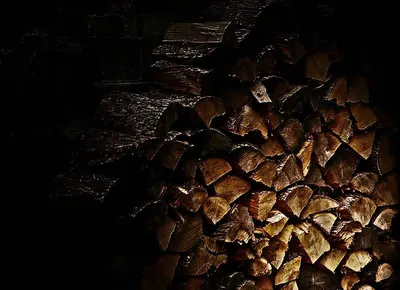
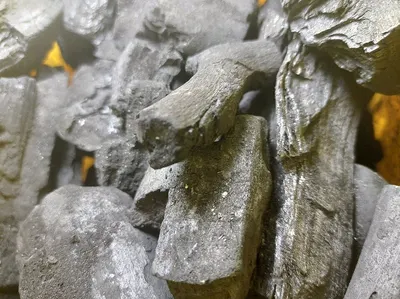
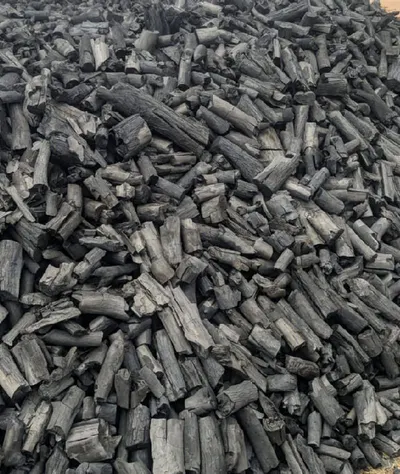
Firefly Charcoal (Pty) Ltd is based in South Africa and lists seven active products. The catalogue is organised under four top categories: Firewoods, Wood Charcoal, Charcoal Briquette, and Soil Conditioners. The products fall within HS Chapter 44 for wood and charcoal, which is standard for international trade of these materials. The company sources 100 % natural Namibian hardwood for its charcoal and firewood lines. Buyers can expect product identifiers that align with typical export documentation for wood‑based fuels.
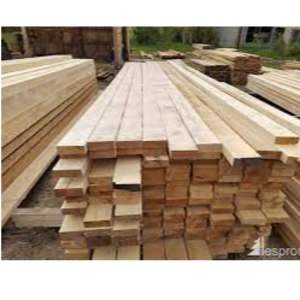
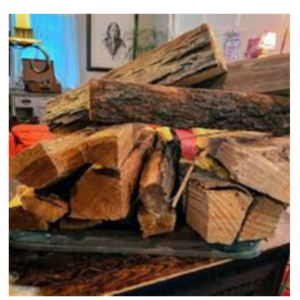
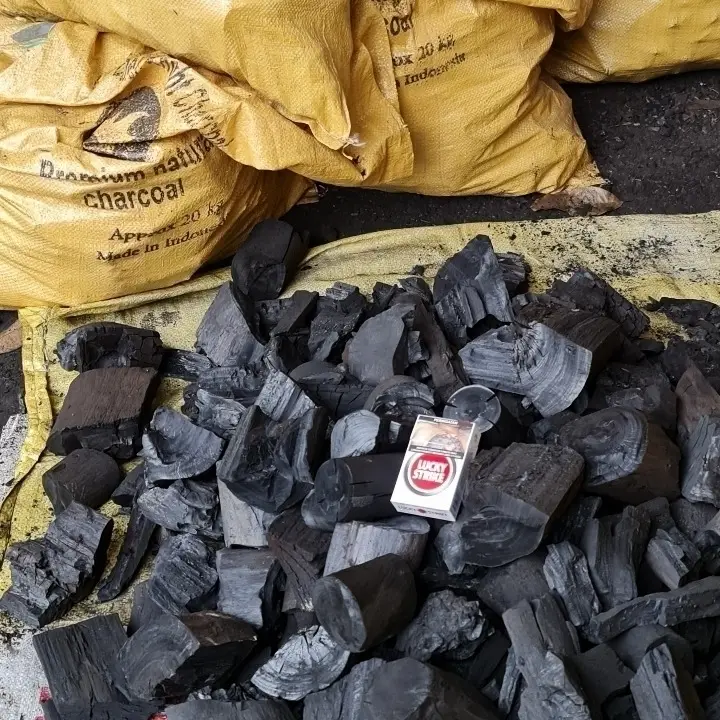
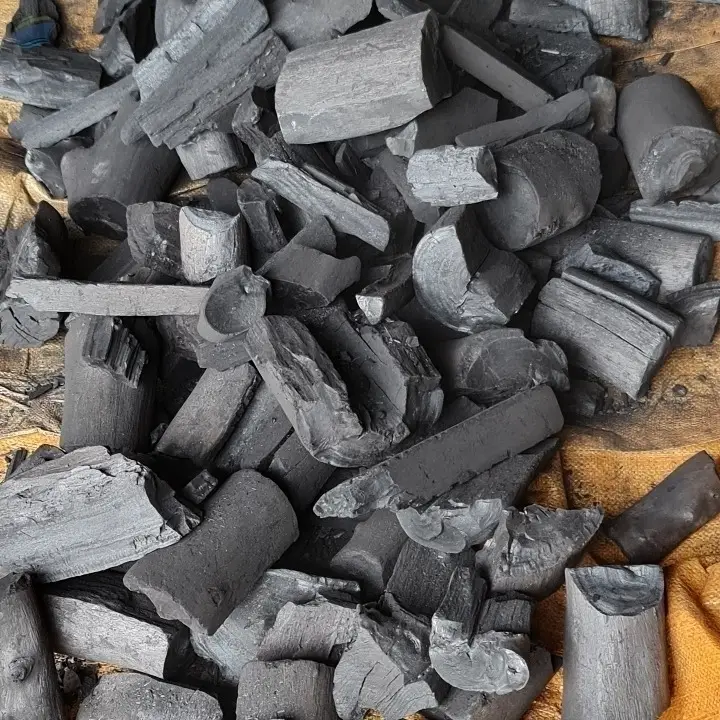
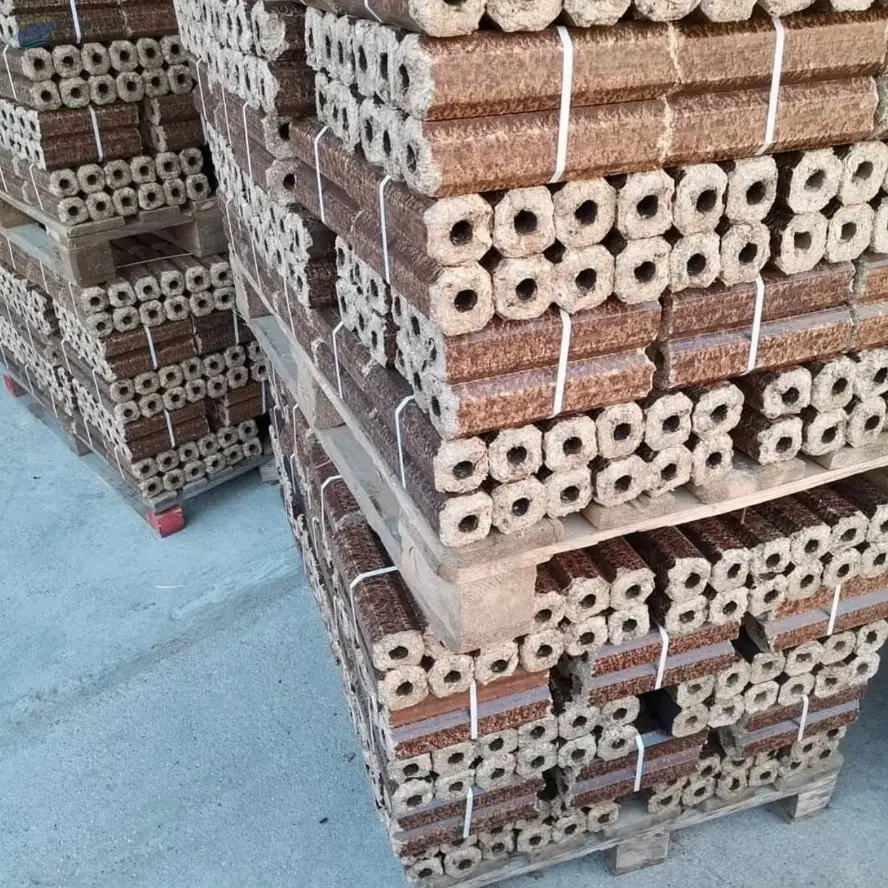
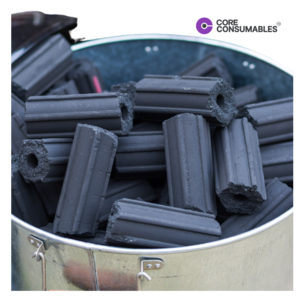
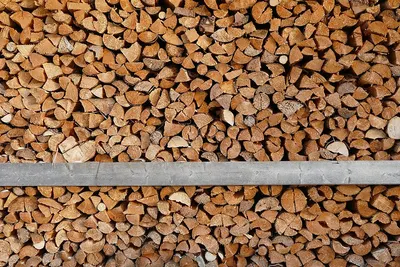
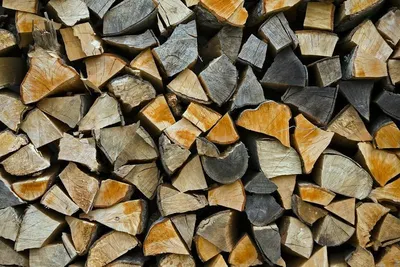
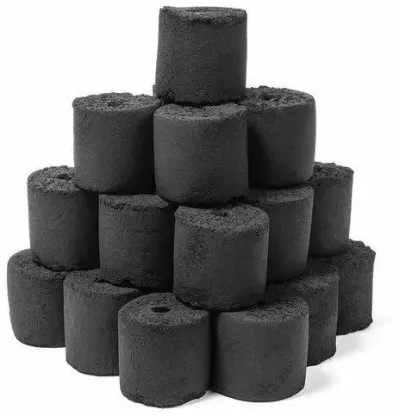
The seven items include Namibian Hardwood Charcoal, standard Charcoal Briquettes, two lengths of Sekelbos Bark‑less Firewood Logs (80 cm and 28 cm), two lengths of regular Sekelbos Firewood Logs (80 cm and 28 cm), and Biochar SA Hardwood in particle sizes greater than 1 mm up to 15 mm. All firewood products are described as bark‑less or with bark, which influences moisture content and handling. The charcoal products are marketed as long‑burning and made from hardwood, a common quality marker for high calorific value. Biochar is positioned as a soil conditioner, a growing segment in sustainable agriculture. The catalogue does not list additional specifications such as bulk density or ash content.
Product Range and Specialties of Firefly Charcoal (Pty) Ltd
The catalogue covers Namibian Hardwood Charcoal, Charcoal Briquettes, firewood logs in 80 cm and 28 cm lengths (both bark‑less and with bark), and hardwood biochar sized 1‑15 mm. In the wood‑fuel market, hardwood charcoal typically contains 75‑80 % carbon, moisture below 10 % and ash under 5 %, while briquettes are pressed to a compressive strength of at least 2 MPa and sized 30‑40 mm. Firewood intended for braai or heating is usually seasoned to 12‑20 % moisture; bark‑less grades reduce ash formation and improve combustion efficiency. Biochar used as a soil conditioner is evaluated on carbon content (65‑80 %), pH (6‑8) and surface area (5‑15 m²/g). Buyers often look for FSC or PEFC sustainability certification and ISO 14001 environmental management for these product families.
Typical industry grades for South African hardwood charcoal fall under the 44.01 HS heading, while firewood is classified under 44.03. Briquettes may be exported under 44.02 when bound, and biochar under 3801. Industry standards such as ISO 22000 for food‑contact safety and ASTM D1765 for calorific value are frequently referenced in buyer specifications.
Frequently Asked Questions About Firefly Charcoal (Pty) Ltd
What product specifications should I verify for the Namibian Hardwood Charcoal?
Ask for a lab report showing carbon content (typically 75‑80 %), moisture below 10 %, ash under 5 % and calorific value around 29 MJ/kg. The report should also list particle‑size distribution and any binder used.
Are the Charcoal Briquettes manufactured with any binders?
The catalogue lists standard briquettes; buyers normally request details on binder type (e.g., starch) and compressive strength (≥ 2 MPa). A data sheet confirming dimensions (30‑40 mm) and bulk density (≈ 0.5 t/m³) is useful.
What is the difference between the 80 cm and 28 cm firewood logs?
Both are sourced from Namibian hardwood; the longer 80 cm logs are suited for bulk heating, while the 28 cm logs are preferred for braai or grilling. Bark‑less variants have lower moisture (≈ 12‑15 %) and produce less ash than barked logs.
How is Biochar SA Hardwood sized and what are typical quality metrics?
The biochar is supplied in particles larger than 1 mm up to 15 mm. Typical specifications include carbon content 65‑80 %, pH 6‑8 and surface area 5‑15 m²/g. Request a third‑party analysis report for confirmation.
Which certifications are commonly required for South African wood charcoal imports?
Importers usually ask for a phytosanitary certificate, FSC or PEFC sustainability proof, and ISO 14001 environmental management certification. If the supplier does not hold them, ask for equivalent documentation from the supply chain.
South AfricaRelated Suppliers & Products
Explore similar suppliers, related products and trending categories