Famaga — Supplier

About Famaga - Electric Sensors Supplier in United States

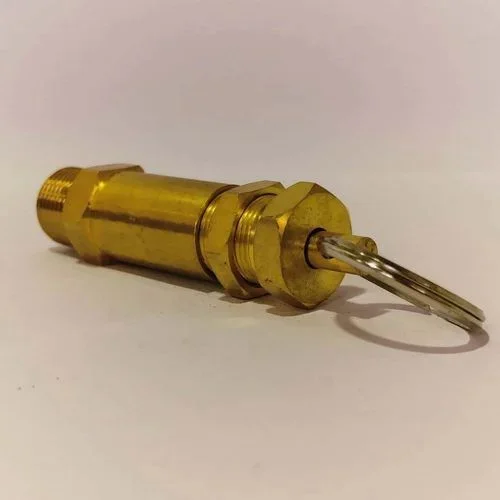
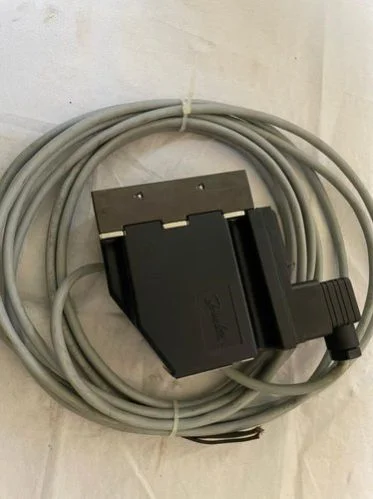
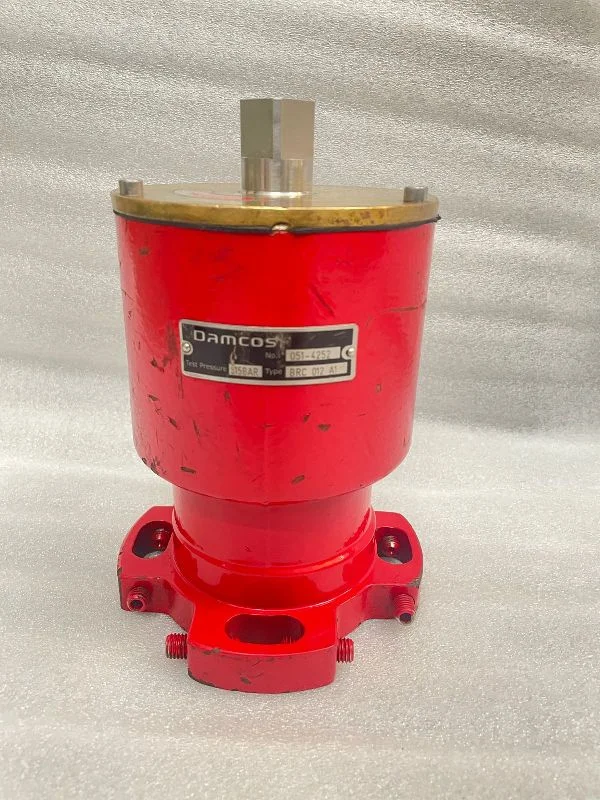
Famaga is based in the United States and currently lists 81 distinct products across its catalogue. The offerings span electric sensors, industrial valves and gauges, electric components, converters and switches, light and medium machinery, flanges, electronic actuators, and electric power supply components. Specific items include FESTO connectors, carbon‑steel coils (HS 7209.18), END‑Armaturen actuators (HS 8412.39), SENECA strain‑gauge input modules (HS 9030.89), and Schmersal push‑buttons (HS 8536.50). Additional listings cover pneumatic valves from AIRTEC, I/O modules from Allen‑Bradley (HS 8537.10), and Di‑Soric light barriers (HS 8543.70). The catalogue also contains safety controllers, flow monitors, and universal converters, reflecting a broad coverage of industrial automation hardware.

The HS‑code families represented in the catalogue range from 7209 for metal coils to 9030 for electronic measuring instruments and 8536‑8537 for switches and I/O modules. Materials documented include carbon steel, alloy steel, aluminum, stainless‑steel hardware, polyamide, ABS, and engineering plastics such as PA/PBT. Many products feature standard industrial housings, FR‑4 printed circuit boards, and LED/phototransistor sensing elements. The product list therefore provides buyers with a ready reference to typical classification and material data used for customs and compliance.

Product Range and Specialties of Famaga

Famaga’s catalogue includes FESTO connectors, carbon‑steel coils (7209.18), END‑Armaturen actuators with aluminum/steel housings (8412.39), and SENECA strain‑gauge modules built on FR‑4 PCB substrates (9030.89). It also lists pneumatic valves from Airtac and Camozzi, I/O modules from Kieback & Peter and Allen‑Bradley (8537.10), push‑buttons from Schmersal (8536.50) and Georg Schlegel (853890), and optical light barriers from Di‑Soric (8543.70). Additional entries cover vibrators, shaft‑speed monitors, universal converters, flow monitors, and safety controllers.

In the industrial automation sector, electric sensors are commonly graded to IP67 or IP68 protection and tested to IEC 60712 for environmental resistance. Valves for pneumatic or hydraulic use typically comply with ISO 9001 quality management and may carry CE marking for EU markets. Connectors and switches are frequently certified to UL 60984 or IEC 60984, with dielectric strength and contact resistance specified in milliohms. Actuators and power supplies usually meet IEC 60204 safety standards and may be tested for temperature rise and harmonic distortion. Typical packaging includes anti‑static bags, corrugated cartons, and palletized loads fitting 20‑ft or 40‑ft containers.

Trade and Export Information - Famaga

United States manufacturers of automation components such as those listed by Famaga export primarily to Europe, Southeast Asia, and North America, where automotive, machine‑tool, and process‑industry sectors drive demand. The HS‑code groups 7209, 8412, 9030, 8536‑8537, and 8543 are routinely inspected by customs authorities, and many importers require pre‑shipment certificates of origin and compliance with IEC or EN standards.

Buyers typically request CE, UL, and ISO 9001 documentation, as well as material safety data sheets for metal parts and RoHS declarations for electronic assemblies. Standard Incoterms for these goods are FOB or CIF, with shipments packed in moisture‑controlled containers and labeled with HS codes and country of origin. Export compliance in the United States may involve filing Electronic Export Information (EEI) for items above certain value thresholds.

Sourcing from Famaga - Buyer Guidance

When sourcing from Famaga, buyers should verify that each product’s HS code matches the intended description and request the corresponding test reports, such as IEC 60712 for sensors or IEC 60984 for switches. Material certificates for carbon‑steel coils, aluminum housings, and engineering plastics help confirm compliance with mechanical and corrosion requirements.

Samples are commonly requested for critical components like actuators, strain‑gauge modules, and light barriers to assess dimensional tolerances, response time, and IP rating. Typical minimum order quantities range from single units for prototype testing to bulk pallets for production runs, with lead times of 4‑6 weeks after order confirmation. Ensure that packaging meets anti‑static and moisture‑barrier standards to protect electronic parts during transit.

Frequently Asked Questions About Famaga

What product categories does Famaga list?

Famaga lists electric sensors, industrial valves and gauges, electric components, converters and switches, light and medium machinery, flanges, electronic actuators, and electric power supply components, with specific items such as FESTO connectors, carbon‑steel coils (HS 7209.18), END‑Armaturen actuators (HS 8412.39), and SENECA strain‑gauge modules (HS 9030.89).

Which HS codes are associated with Famaga’s products?

The catalogue includes HS 7209.18 for carbon‑steel coils, HS 8412.39 for aluminum/steel actuators, HS 9030.89 for strain‑gauge input modules, HS 8536.50 for polyamide push‑buttons, HS 8543.70 for light barriers, HS 853890 for engineering‑plastic push‑button heads, and HS 8537.10 for Allen‑Bradley I/O modules.

What material specifications are provided for the listed items?

Materials mentioned include carbon steel/alloy steel for coils, aluminum and stainless‑steel hardware for actuators, FR‑4 PCB laminate with industrial‑grade semiconductors for electronic modules, polyamide or ABS housing with silver alloy contacts for push‑buttons, and engineering plastics such as PA/PBT for button heads.

Which certifications should a buyer request for these automation components?

Buyers should ask for CE or UL marking, ISO 9001 quality‑management certificates, IEC test reports relevant to the product type (e.g., IEC 60712 for sensors, IEC 60984 for switches), and RoHS compliance statements for electronic assemblies.

What are typical packaging and shipping formats for these goods?

Components are usually packed in anti‑static bags or molded trays inside corrugated cartons, palletized for 20‑ft or 40‑ft containers, and labeled with the appropriate HS code and country of origin. Moisture‑controlled packaging is common for sensors and electronic modules.

What is the usual lead time and MOQ for orders from Famaga?

Lead times are generally 4‑6 weeks after order confirmation, with minimum order quantities ranging from single units for prototype sampling to full pallets for volume production, depending on the specific component.

How can a buyer verify product compliance before shipment?

Buyers can request material certificates, test reports, and compliance declarations (CE, UL, IEC) that correspond to the HS code and product specification; reviewing these documents alongside sample inspections helps confirm that the goods meet the required standards.


Featured Products from this Supplier

Other Suppliers in Primary Category

Top Trusted Suppliers

Related Products

Trending in Parent Category

More Suppliers in Category

Related Products

Other Suppliers

EximNext
7.1K+ live requirements
Register Free🎁 Reach global buyers
Post Requirement
🌍 Trusted by 225K+ businesses in 200+ countries|
7.1K+ active requirements right now
✉️ [email protected]
|
Sell on EximNextPost Requirement
EximNext
AgricultureApparelConstructionElectronicFoodHomeIndustrialMineralsMiscellaneous
🔥 Deals|✨ AI Match|🏭 Suppliers|📋 Buy Leads|💰 Trade Finance
7.1K+ live RFQs·194.8K+ suppliers
🎁 Reach global buyers →
EximNext
EximNext
Register Free
🎁 Reach global buyers
Sign In
📋Post Requirement💬Get Quotes✨AI Match📋RFQ Marketplace
All Categories
Services & Tools
🏭Supplier Directory🔥Today's Deals💰Trade Finance
Sell on EximNext →
AboutContactBlogHelp
Industrial & Minerals  ·  United States
81
products listed

Famaga

⚓ Harbor
Country flag , United StatesNew supplier / no reviews yet
🛡️
77/100
Trust Score

Famaga Product Catalog

Showing 12 of 81 products
View all products →
Limiters Schmersal
⚓ Harbor
Limiters Schmersal
Contact
MOQ: 1 Unit
Actuators Schmersal
⚓ Harbor
Actuators Schmersal
Contact
MOQ: 1 Unit
Valves RECO
⚓ Harbor
Valves RECO
Contact
MOQ: 1 Unit
Magnetic Tapes ELGO Electronic
⚓ Harbor
Magnetic Tapes ELGO Electronic
Contact
MOQ: 1 Unit
Switches Azbil Yamatake
⚓ Harbor
Switches Azbil Yamatake
Contact
MOQ: 1 Unit
Sensors FESTO
⚓ Harbor
Sensors FESTO
Contact
MOQ: 1 Unit
Safety Switches Euchner
⚓ Harbor
Safety Switches Euchner
Contact
MOQ: 1 Unit
Valves END-Armaturen
⚓ Harbor
Valves END-Armaturen
Contact
MOQ: 1 Unit
Transducers SENECA
⚓ Harbor
Transducers SENECA
Contact
MOQ: 1 Unit
Sensors Airtac
⚓ Harbor
Sensors Airtac
Contact
MOQ: 1 Unit
Fuses Murrelektronik
⚓ Harbor
Fuses Murrelektronik
Contact
MOQ: 1 Unit
Filter Replacements FRANKE-Filter
⚓ Harbor
Filter Replacements FRANKE-Filter
Contact
MOQ: 1 Unit

About Famaga - Electric Sensors Supplier in United States

Famaga is based in the United States and currently lists 81 distinct products across its catalogue. The offerings span electric sensors, industrial valves and gauges, electric components, converters and switches, light and medium machinery, flanges, electronic actuators, and electric power supply components. Specific items include FESTO connectors, carbon‑steel coils (HS 7209.18), END‑Armaturen actuators (HS 8412.39), SENECA strain‑gauge input modules (HS 9030.89), and Schmersal push‑buttons (HS 8536.50). Additional listings cover pneumatic valves from AIRTEC, I/O modules from Allen‑Bradley (HS 8537.10), and Di‑Soric light barriers (HS 8543.70). The catalogue also contains safety controllers, flow monitors, and universal converters, reflecting a broad coverage of industrial automation hardware.

The HS‑code families represented in the catalogue range from 7209 for metal coils to 9030 for electronic measuring instruments and 8536‑8537 for switches and I/O modules. Materials documented include carbon steel, alloy steel, aluminum, stainless‑steel hardware, polyamide, ABS, and engineering plastics such as PA/PBT. Many products feature standard industrial housings, FR‑4 printed circuit boards, and LED/phototransistor sensing elements. The product list therefore provides buyers with a ready reference to typical classification and material data used for customs and compliance.

Product Range and Specialties of Famaga

Famaga’s catalogue includes FESTO connectors, carbon‑steel coils (7209.18), END‑Armaturen actuators with aluminum/steel housings (8412.39), and SENECA strain‑gauge modules built on FR‑4 PCB substrates (9030.89). It also lists pneumatic valves from Airtac and Camozzi, I/O modules from Kieback & Peter and Allen‑Bradley (8537.10), push‑buttons from Schmersal (8536.50) and Georg Schlegel (853890), and optical light barriers from Di‑Soric (8543.70). Additional entries cover vibrators, shaft‑speed monitors, universal converters, flow monitors, and safety controllers.

In the industrial automation sector, electric sensors are commonly graded to IP67 or IP68 protection and tested to IEC 60712 for environmental resistance. Valves for pneumatic or hydraulic use typically comply with ISO 9001 quality management and may carry CE marking for EU markets. Connectors and switches are frequently certified to UL 60984 or IEC 60984, with dielectric strength and contact resistance specified in milliohms. Actuators and power supplies usually meet IEC 60204 safety standards and may be tested for temperature rise and harmonic distortion. Typical packaging includes anti‑static bags, corrugated cartons, and palletized loads fitting 20‑ft or 40‑ft containers.

Trade and Export Information - Famaga

United States manufacturers of automation components such as those listed by Famaga export primarily to Europe, Southeast Asia, and North America, where automotive, machine‑tool, and process‑industry sectors drive demand. The HS‑code groups 7209, 8412, 9030, 8536‑8537, and 8543 are routinely inspected by customs authorities, and many importers require pre‑shipment certificates of origin and compliance with IEC or EN standards.

Buyers typically request CE, UL, and ISO 9001 documentation, as well as material safety data sheets for metal parts and RoHS declarations for electronic assemblies. Standard Incoterms for these goods are FOB or CIF, with shipments packed in moisture‑controlled containers and labeled with HS codes and country of origin. Export compliance in the United States may involve filing Electronic Export Information (EEI) for items above certain value thresholds.

Sourcing from Famaga - Buyer Guidance

When sourcing from Famaga, buyers should verify that each product’s HS code matches the intended description and request the corresponding test reports, such as IEC 60712 for sensors or IEC 60984 for switches. Material certificates for carbon‑steel coils, aluminum housings, and engineering plastics help confirm compliance with mechanical and corrosion requirements.

Samples are commonly requested for critical components like actuators, strain‑gauge modules, and light barriers to assess dimensional tolerances, response time, and IP rating. Typical minimum order quantities range from single units for prototype testing to bulk pallets for production runs, with lead times of 4‑6 weeks after order confirmation. Ensure that packaging meets anti‑static and moisture‑barrier standards to protect electronic parts during transit.

Frequently Asked Questions About Famaga

What product categories does Famaga list?

Famaga lists electric sensors, industrial valves and gauges, electric components, converters and switches, light and medium machinery, flanges, electronic actuators, and electric power supply components, with specific items such as FESTO connectors, carbon‑steel coils (HS 7209.18), END‑Armaturen actuators (HS 8412.39), and SENECA strain‑gauge modules (HS 9030.89).

Which HS codes are associated with Famaga’s products?

The catalogue includes HS 7209.18 for carbon‑steel coils, HS 8412.39 for aluminum/steel actuators, HS 9030.89 for strain‑gauge input modules, HS 8536.50 for polyamide push‑buttons, HS 8543.70 for light barriers, HS 853890 for engineering‑plastic push‑button heads, and HS 8537.10 for Allen‑Bradley I/O modules.

What material specifications are provided for the listed items?

Materials mentioned include carbon steel/alloy steel for coils, aluminum and stainless‑steel hardware for actuators, FR‑4 PCB laminate with industrial‑grade semiconductors for electronic modules, polyamide or ABS housing with silver alloy contacts for push‑buttons, and engineering plastics such as PA/PBT for button heads.

Which certifications should a buyer request for these automation components?

Buyers should ask for CE or UL marking, ISO 9001 quality‑management certificates, IEC test reports relevant to the product type (e.g., IEC 60712 for sensors, IEC 60984 for switches), and RoHS compliance statements for electronic assemblies.

What are typical packaging and shipping formats for these goods?

Components are usually packed in anti‑static bags or molded trays inside corrugated cartons, palletized for 20‑ft or 40‑ft containers, and labeled with the appropriate HS code and country of origin. Moisture‑controlled packaging is common for sensors and electronic modules.

What is the usual lead time and MOQ for orders from Famaga?

Lead times are generally 4‑6 weeks after order confirmation, with minimum order quantities ranging from single units for prototype sampling to full pallets for volume production, depending on the specific component.

How can a buyer verify product compliance before shipment?

Buyers can request material certificates, test reports, and compliance declarations (CE, UL, IEC) that correspond to the HS code and product specification; reviewing these documents alongside sample inspections helps confirm that the goods meet the required standards.

About Famaga - Electric Sensors Supplier in United States

Famaga is based in the United States and currently lists 81 distinct products across its catalogue. The offerings span electric sensors, industrial valves and gauges, electric components, converters and switches, light and medium machinery, flanges, electronic actuators, and electric power supply components. Specific items include FESTO connectors, carbon‑steel coils (HS 7209.18), END‑Armaturen actuators (HS 8412.39), SENECA strain‑gauge input modules (HS 9030.89), and Schmersal push‑buttons (HS 8536.50). Additional listings cover pneumatic valves from AIRTEC, I/O modules from Allen‑Bradley (HS 8537.10), and Di‑Soric light barriers (HS 8543.70). The catalogue also contains safety controllers, flow monitors, and universal converters, reflecting a broad coverage of industrial automation hardware.

The HS‑code families represented in the catalogue range from 7209 for metal coils to 9030 for electronic measuring instruments and 8536‑8537 for switches and I/O modules. Materials documented include carbon steel, alloy steel, aluminum, stainless‑steel hardware, polyamide, ABS, and engineering plastics such as PA/PBT. Many products feature standard industrial housings, FR‑4 printed circuit boards, and LED/phototransistor sensing elements. The product list therefore provides buyers with a ready reference to typical classification and material data used for customs and compliance.

Product Range and Specialties of Famaga

Famaga’s catalogue includes FESTO connectors, carbon‑steel coils (7209.18), END‑Armaturen actuators with aluminum/steel housings (8412.39), and SENECA strain‑gauge modules built on FR‑4 PCB substrates (9030.89). It also lists pneumatic valves from Airtac and Camozzi, I/O modules from Kieback & Peter and Allen‑Bradley (8537.10), push‑buttons from Schmersal (8536.50) and Georg Schlegel (853890), and optical light barriers from Di‑Soric (8543.70). Additional entries cover vibrators, shaft‑speed monitors, universal converters, flow monitors, and safety controllers.

In the industrial automation sector, electric sensors are commonly graded to IP67 or IP68 protection and tested to IEC 60712 for environmental resistance. Valves for pneumatic or hydraulic use typically comply with ISO 9001 quality management and may carry CE marking for EU markets. Connectors and switches are frequently certified to UL 60984 or IEC 60984, with dielectric strength and contact resistance specified in milliohms. Actuators and power supplies usually meet IEC 60204 safety standards and may be tested for temperature rise and harmonic distortion. Typical packaging includes anti‑static bags, corrugated cartons, and palletized loads fitting 20‑ft or 40‑ft containers.

Trade and Export Information - Famaga

United States manufacturers of automation components such as those listed by Famaga export primarily to Europe, Southeast Asia, and North America, where automotive, machine‑tool, and process‑industry sectors drive demand. The HS‑code groups 7209, 8412, 9030, 8536‑8537, and 8543 are routinely inspected by customs authorities, and many importers require pre‑shipment certificates of origin and compliance with IEC or EN standards.

Buyers typically request CE, UL, and ISO 9001 documentation, as well as material safety data sheets for metal parts and RoHS declarations for electronic assemblies. Standard Incoterms for these goods are FOB or CIF, with shipments packed in moisture‑controlled containers and labeled with HS codes and country of origin. Export compliance in the United States may involve filing Electronic Export Information (EEI) for items above certain value thresholds.

Sourcing from Famaga - Buyer Guidance

When sourcing from Famaga, buyers should verify that each product’s HS code matches the intended description and request the corresponding test reports, such as IEC 60712 for sensors or IEC 60984 for switches. Material certificates for carbon‑steel coils, aluminum housings, and engineering plastics help confirm compliance with mechanical and corrosion requirements.

Samples are commonly requested for critical components like actuators, strain‑gauge modules, and light barriers to assess dimensional tolerances, response time, and IP rating. Typical minimum order quantities range from single units for prototype testing to bulk pallets for production runs, with lead times of 4‑6 weeks after order confirmation. Ensure that packaging meets anti‑static and moisture‑barrier standards to protect electronic parts during transit.

Frequently Asked Questions About Famaga
What product categories does Famaga list?
Famaga lists electric sensors, industrial valves and gauges, electric components, converters and switches, light and medium machinery, flanges, electronic actuators, and electric power supply components, with specific items such as FESTO connectors, carbon‑steel coils (HS 7209.18), END‑Armaturen actuators (HS 8412.39), and SENECA strain‑gauge modules (HS 9030.89).
Which HS codes are associated with Famaga’s products?
The catalogue includes HS 7209.18 for carbon‑steel coils, HS 8412.39 for aluminum/steel actuators, HS 9030.89 for strain‑gauge input modules, HS 8536.50 for polyamide push‑buttons, HS 8543.70 for light barriers, HS 853890 for engineering‑plastic push‑button heads, and HS 8537.10 for Allen‑Bradley I/O modules.
What material specifications are provided for the listed items?
Materials mentioned include carbon steel/alloy steel for coils, aluminum and stainless‑steel hardware for actuators, FR‑4 PCB laminate with industrial‑grade semiconductors for electronic modules, polyamide or ABS housing with silver alloy contacts for push‑buttons, and engineering plastics such as PA/PBT for button heads.
Which certifications should a buyer request for these automation components?
Buyers should ask for CE or UL marking, ISO 9001 quality‑management certificates, IEC test reports relevant to the product type (e.g., IEC 60712 for sensors, IEC 60984 for switches), and RoHS compliance statements for electronic assemblies.
What are typical packaging and shipping formats for these goods?
Components are usually packed in anti‑static bags or molded trays inside corrugated cartons, palletized for 20‑ft or 40‑ft containers, and labeled with the appropriate HS code and country of origin. Moisture‑controlled packaging is common for sensors and electronic modules.
What is the usual lead time and MOQ for orders from Famaga?
Lead times are generally 4‑6 weeks after order confirmation, with minimum order quantities ranging from single units for prototype sampling to full pallets for volume production, depending on the specific component.
How can a buyer verify product compliance before shipment?
Buyers can request material certificates, test reports, and compliance declarations (CE, UL, IEC) that correspond to the HS code and product specification; reviewing these documents alongside sample inspections helps confirm that the goods meet the required standards.

Famaga
Country flag United States
⚓ HarborIndustrial & Minerals
77/100
Trust Score
81
Products
✓ Free to contact — no commission
✓ Escrow payment available
✓ Verified business identity
Compare more suppliers
Post a requirement — get 10 quotes free
Let verified suppliers compete for your business. Free, fast, no commitment.
Due Diligence
Verify this supplier's real shipping history.
Every shipment, every buyer, every port. Trade data that can't be faked.
Run due diligence →
Discover More

Related Suppliers & Products

Explore similar suppliers, related products and trending categories
Featured Products from this Supplier

Other Suppliers in Primary Category

Top Trusted Suppliers

Related Products

Trending in Parent Category

More Suppliers in Category

Stay ahead in global trade
Weekly market insights & new supplier alerts.
EximNext
Exim Next is a leading global B2B marketplace, connecting over 220,000 registered suppliers and buyers across 200+ countries. As a trusted import export marketplace, it serves as the essential B2B portal for businesses worldwide, empowering them to expand their international reach. With Exim Next, businesses can trade smarter and grow faster.
SECURE PAYMENTS
VISAMastercardPayPalSWIFTL/CEscrow
Follow us
© 2026 EximNext