Expert herbs — Verified Supplier
About Expert herbs - Herbs Supplier in Egypt
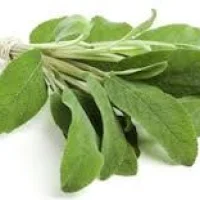
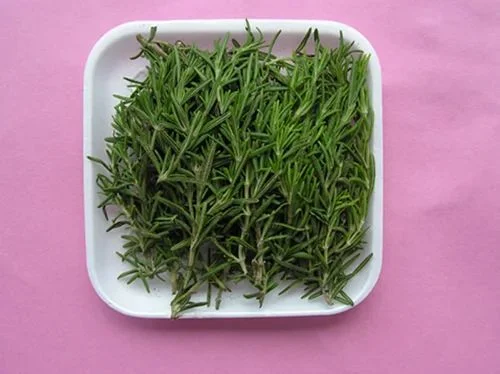
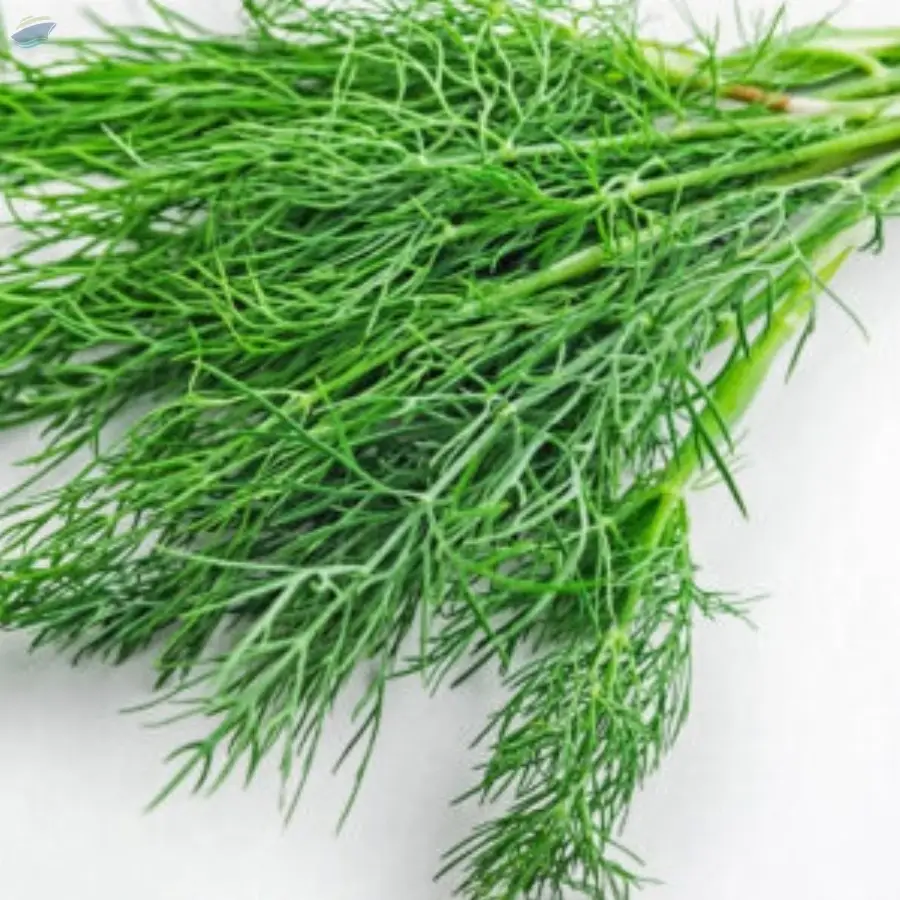
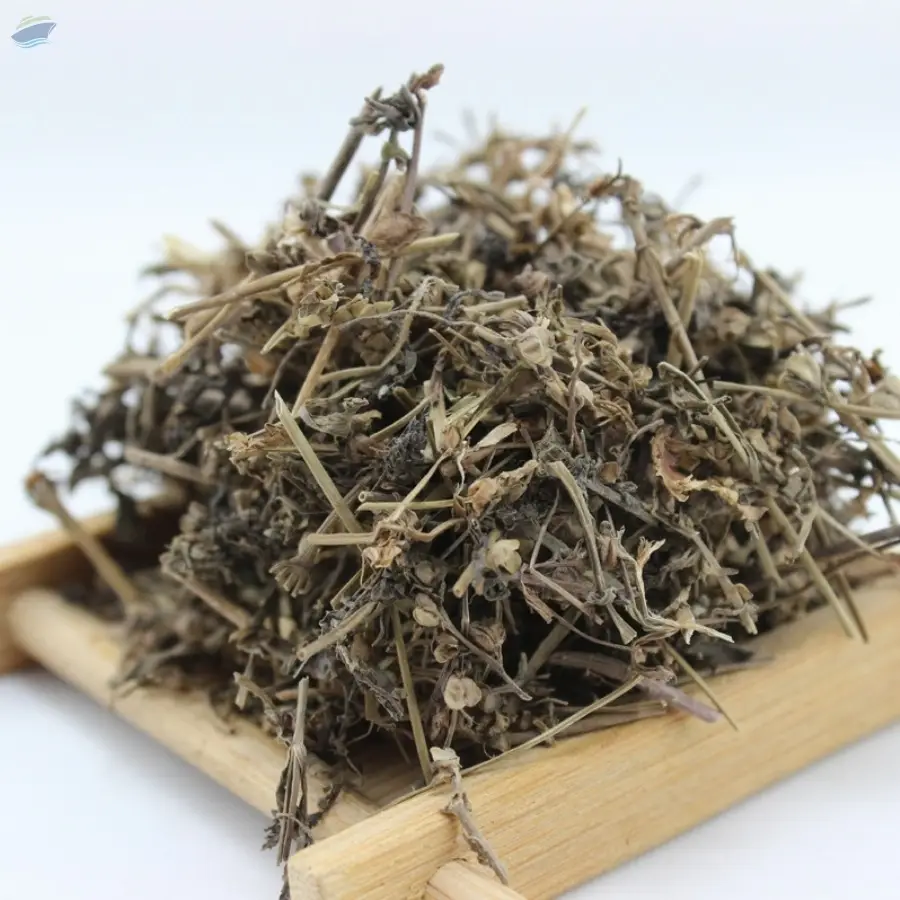
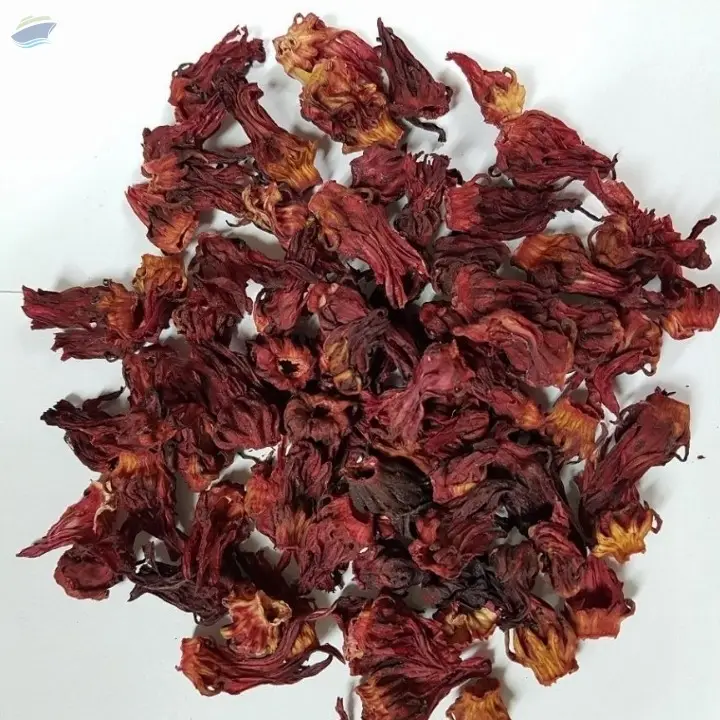
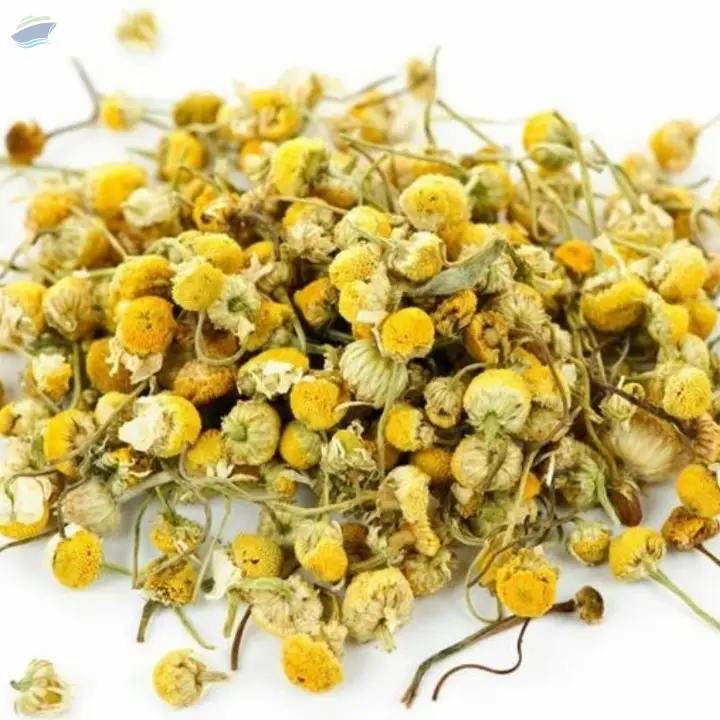
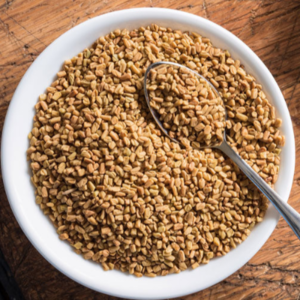
Egyptian supplier Expert herbs operates from Cairo and currently lists 25 active products across herb, spice and seed categories. The catalogue includes items such as Lemongrass, Caraway, Coriander Seeds, Cumin, Dried Yellow Lemon, Dry Black Lemon, Fenugreek, Chamomile, Hibiscus, Henna, Molokhia, Egyptian Peppermint, Mint, Chili, Rosemary, Sage, Sesame, Golden Sesame, Calendula, Thyme, Dried Parsley, Marjoram, Fennel Seeds, Basil, Anise Seeds, and a selection of fresh lemon varieties. Each entry falls under broader HS chapter 09 (herbs, spices, aromatic plants) or HS chapter 12 (sesame seeds) that are standard for trade classification of such goods. The supplier is listed as an imported tier with a harbor trust tier, indicating it primarily serves international buyers rather than domestic retail channels.
The product list reflects a mix of dried herbs, whole seeds and fresh citrus, typical of Mediterranean and Middle‑Eastern spice portfolios. Exportable forms usually meet moisture limits of 10‑12 % for dried herbs and oil‑content specifications of 45‑55 % for sesame seeds. Buyers often request compliance with food‑safety standards such as HACCP, ISO 22000 or organic certifications where applicable, although no specific certificates are recorded for this supplier.
Product Range and Specialties of Expert herbs
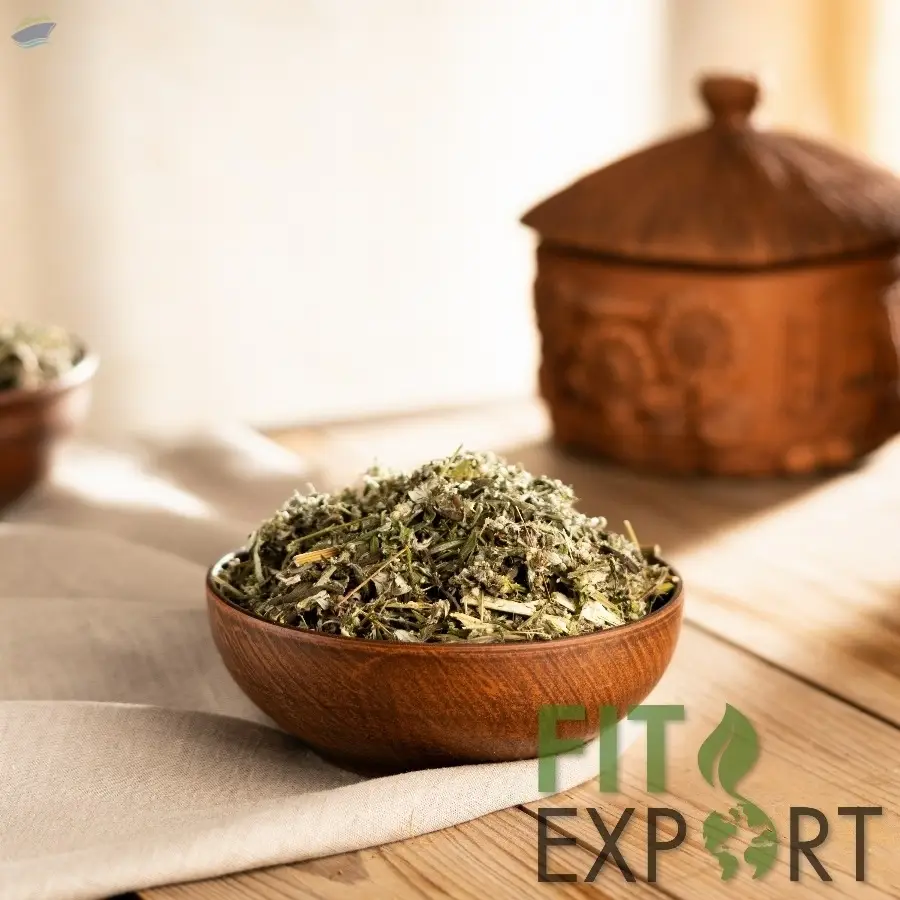
Expert herbs’ catalogue groups products into three functional families: dried aromatic herbs (e.g., Lemongrass, Rosemary, Sage, Thyme, Chamomile), spice seeds (e.g., Caraway, Coriander, Cumin, Fennel, Anise, Basil), and seed/oil crops (Sesame, Golden Sesame, Fresh Lemon). In the herb segment, industry grades are commonly defined by colour, aroma intensity and moisture content below 12 %, with ISO‑based sensory panels used for verification. Sesame seeds are graded by hull‑on/hull‑off ratio, oil extraction yield (typically 45‑55 % oil) and aflatoxin limits set by EU Regulation 1881/2006. Lemon products are evaluated for juice yield (≈30‑35 % by weight) and citric acid content, with fresh citrus often shipped in refrigerated containers to preserve quality.
Trade and Export Information - Expert herbs
Egypt is a long‑standing exporter of herbs and seeds, leveraging its Mediterranean climate to produce high‑essential‑oil crops. International demand comes mainly from the European Union, the Gulf Cooperation Council, and North America, where HS 0901‑0903 (herbs, spices) and HS 1207 (sesame seeds) drive customs clearance. Typical export logistics involve 20‑ft or 40‑ft containers packed in 25 kg jute or polypropylene bags, with moisture barriers for dried herbs and sealed bulk bins for seeds. Buyers usually require phytosanitary certificates, origin declarations, and, where applicable, certificates of analysis for pesticide residues. Commonly requested certifications include HACCP, ISO 22000 and, for organic‑labelled batches, EU organic or USDA NOP, although the supplier’s own certification status is not listed.
Sourcing from Expert herbs - Buyer Guidance
When sourcing from Expert herbs, purchasers should obtain a detailed specification sheet that lists moisture content, ash percentage, colour grade and any applicable organoleptic scores. Request a recent laboratory analysis covering pesticide residues, heavy metals and microbial limits to ensure compliance with EU or US food‑safety standards. It is prudent to ask for a phytosanitary certificate and a certificate of origin before shipment; these documents are standard for HS 0901‑0903 and HS 1207 consignments. Minimum order quantities for dried herbs often start at 500 kg, while seed orders may require 1 tonne, with lead times ranging from 30 to 45 days depending on harvest cycles.
Frequently Asked Questions About Expert herbs
What types of herb products does Expert herbs list?
The catalogue includes dried aromatic herbs such as Lemongrass, Rosemary, Sage, Thyme, Chamomile, Hibiscus and Mint, as well as fresh lemon varieties. Each herb is typically supplied in bulk bags meeting moisture limits under 12 %.
Are sesame seeds offered in hulled or unhulled form?
Both standard Sesame and Golden Sesame appear in the product list, which generally indicates availability of hulled (white) and partially hulled (golden) seeds. Buyers should confirm the hull‑on percentage and oil content in the specification sheet.
Which HS codes apply to the products from Expert herbs?
Herbs and spices fall under HS chapter 09 (e.g., 0901 for fresh herbs, 0902 for dried herbs, 0903 for spices). Sesame seeds are classified under HS 1207. Exact sub‑headings depend on processing level and packaging.
What documentation should a buyer request before purchasing?
Typical documents include a phytosanitary certificate, a certificate of origin, and a laboratory analysis report covering moisture, pesticide residues and microbial limits. If organic claims are made, request the relevant organic certification.
What are the common packaging formats for these products?
Dried herbs are usually packed in 25 kg polypropylene or jute bags with inner liners to protect against moisture. Sesame seeds are shipped in similar bulk bags, often stacked in 20‑ft or 40‑ft containers with palletised loading.
What are typical lead times and minimum order quantities?
Lead times range from 30 to 45 days, reflecting harvest and processing cycles in Egypt. Minimum order quantities are generally 500 kg for dried herbs and 1 tonne for seed products, but exact figures should be confirmed with the supplier.
Which markets commonly import these Egyptian herb and seed products?
The European Union, Gulf Cooperation Council countries and North America are the principal import regions for Egyptian herbs and sesame seeds, driven by demand for culinary spices and oil‑seed ingredients.
Does Expert herbs hold any specific food‑safety certifications?
The supplied facts do not list any certifications held by the supplier. Buyers should verify the presence of HACCP, ISO 22000 or organic certificates as part of the due‑diligence process.




 , Egypt