Agriculture›
 Apparel and fashion accessories›
 Construction & real estate›💡Electronic & Electrical›🍎Food & Beverages›🛋️Home furnishing & supplies›⚗️Industrial goods & chemical›🪨Minerals & metals›📦Miscellaneous›Agriculture›Apparel and fashion accessories›Construction & real estate›💡Electronic & Electrical›🍎Food & Beverages›🛋️Home furnishing & supplies›⚗️Industrial goods & chemical›🪨Minerals & metals›📦Miscellaneous›
Emperor Marine Marketing Sdn Bhd
⚓ Harbor , MalaysiaNew supplier / no reviews yet
Emperor Marine Marketing Sdn Bhd Product Catalog
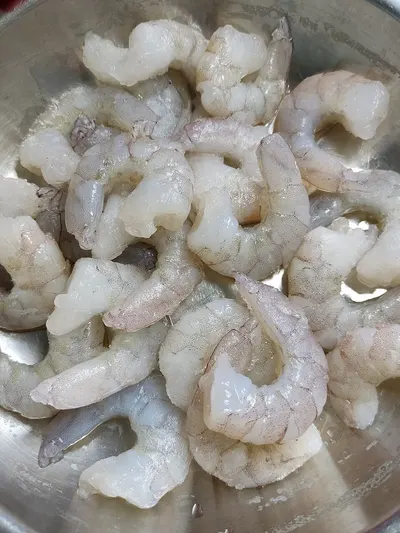
About Emperor Marine Marketing Sdn Bhd - Frozen Shrimp Supplier in Malaysia
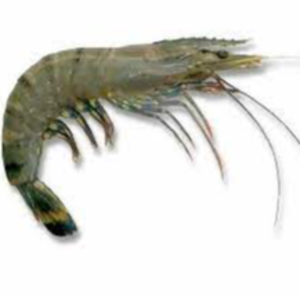
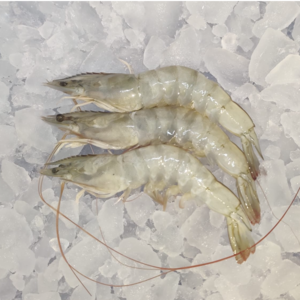
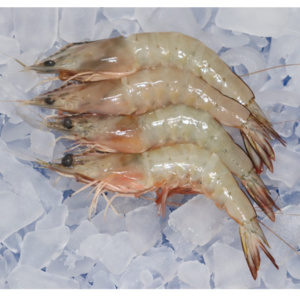
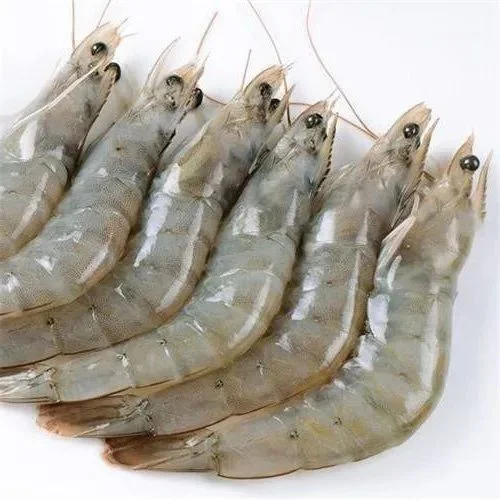
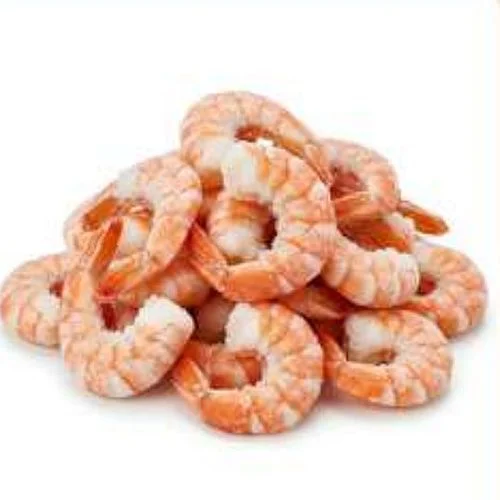
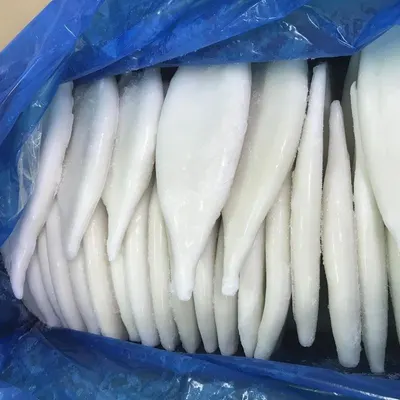
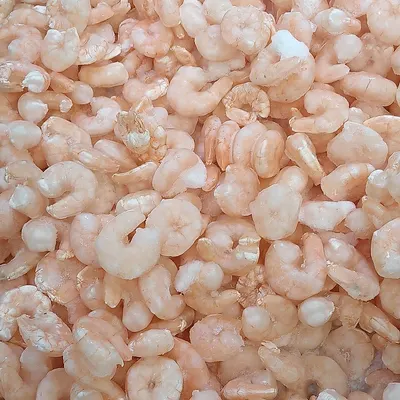
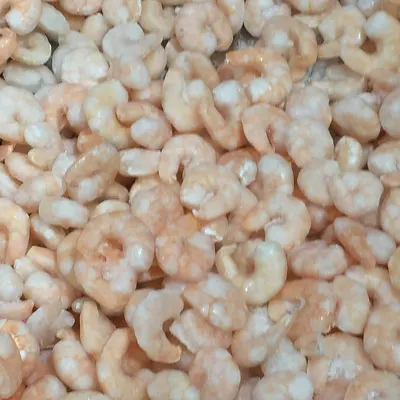
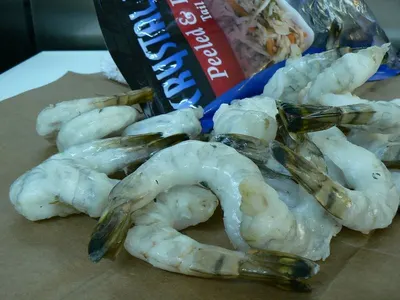
Emperor Marine Marketing Sdn Bhd operates from Malaysia and currently lists five distinct frozen shrimp SKUs. The catalogue includes a peeled‑undeveined (PUD) product, a head‑on shell‑on (hoso) variant, a peeled‑deveined tail‑off (PD) item, a headless shell‑on (hlso) offering, and a peeled‑deveined tail‑on (PDTO) type. Each SKU is presented under the single top category of Frozen Shrimps, reflecting the supplier’s narrow but focused product line. No additional product families or categories are mentioned in the supplied data, limiting the scope to these five frozen shrimp formats.
The five products cover the common processing stages used in the frozen shrimp trade: whole shrimp kept head‑on and shell‑on, head‑removed but shell‑on, and fully peeled and deveined with either tail retained or removed. The naming conventions (PUD, hoso, PD, hlso, PDTO) correspond to industry shorthand for processing steps, which buyers use to match specifications. Because the supplier does not provide HS codes, buyers will need to verify the appropriate customs classification during ordering. All items are expected to be shipped frozen, typically at - 18 °C or lower, to preserve texture and flavor. The supplier’s catalogue does not list any certifications, so buyers should request relevant compliance documents directly.
Product Range and Specialties of Emperor Marine Marketing Sdn Bhd
The catalogue’s five SKUs represent the principal formats of frozen shrimp demanded by food manufacturers and seafood distributors. In the broader market, peeled‑undeveined shrimp are often graded by count per kilogram (e.g., 16/20, 21/25) and by size (e.g., 10 - 20 mm). Head‑on shell‑on shrimp are usually sold whole with size grades such as 16/20 or 21/25, while headless shell‑on variants cater to processors that remove heads but retain shells for flavor extraction. Peeled‑deveined products, both tail‑off and tail‑on, are commonly supplied with an ice glaze of 3 - 5 mm to limit freezer burn, and moisture content is typically limited to 70 % max. Standard packaging for these products includes 10 kg or 20 kg vacuum‑sealed bags placed in insulated cartons, which can be palletized for container loading.
Frequently Asked Questions About Emperor Marine Marketing Sdn Bhd
What processing stages are covered by Emperor Marine Marketing's frozen shrimp range?
The supplier lists five SKUs that span whole shrimp (head‑on, shell‑on), headless shell‑on, peeled‑undeveined, and peeled‑deveined formats with both tail‑on and tail‑off options.
Which shrimp size grades are typically available for these frozen products?
In the frozen shrimp market, size grades are usually expressed as count per kilogram, such as 16/20, 21/25, or 26/30. Buyers should confirm the exact size range for each SKU with the supplier.
What packaging formats should a buyer expect for these frozen shrimp?
Standard packaging for frozen shrimp includes vacuum‑sealed bags of 10 kg or 20 kg placed in insulated cartons. These cartons are commonly stacked on standard Euro pallets for container loading.
Which certifications are commonly required for importing frozen shrimp from Malaysia?
Importers typically request HACCP, BRC, and, where applicable, Halal or ASC certificates. Since the supplier has not listed any certifications, buyers should ask the supplier to provide the relevant audit reports.
What documentation is needed for customs clearance of frozen shrimp from Malaysia?
Customs authorities usually require a commercial invoice, a health certificate, a phytosanitary certificate, and the appropriate HS classification under Chapter 03. Buyers should verify that these documents are issued for each shipment.
MalaysiaRelated Suppliers & Products
Explore similar suppliers, related products and trending categories