El Waha For Trade — Verified Supplier
About El Waha For Trade - Fertilizers Supplier in Egypt
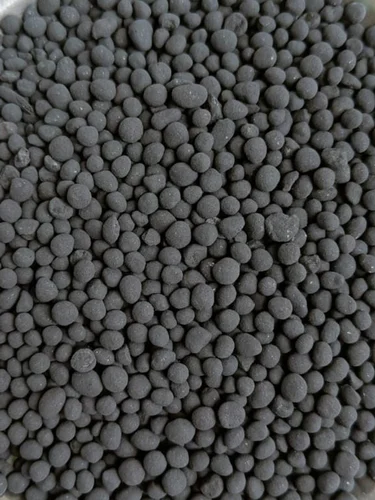
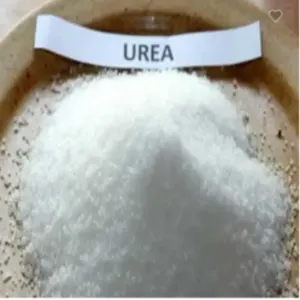
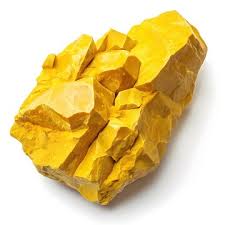
El Waha For Trade is based in Egypt and currently lists ten active products across its catalogue. The listed items include rock phosphate, SSP (single superphosphate) fertilizers, ammonium sulphate, a 30 % rock phosphate variant, silica sand, DAP (diammonium phosphate), elemental sulphur, granular urea 46 % and standard urea, as well as a generic phosphate product. These products fall under the HS‑code families for mineral fertilizers (3101‑3105), industrial minerals such as silica sand (2505) and elemental sulphur (2504). The supplier is classified as an imported tier with a harbor trust rating. The catalogue reflects a focus on bulk agricultural inputs and associated mineral commodities.
Each fertilizer entry corresponds to common nitrogen, phosphorus or blended formulations used in crop production. The silica sand offering is described simply as sand without further grading, which typically aligns with industrial grade silica used in glassmaking or foundry work. No specific grades, particle size distributions or purity percentages are provided in the supplier data. The presence of both granular urea 46 % and generic urea indicates availability of both high‑nitrogen and standard urea grades. The catalogue does not disclose packaging dimensions or container loadings.
Product Range and Specialties of El Waha For Trade
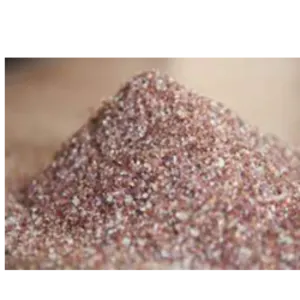
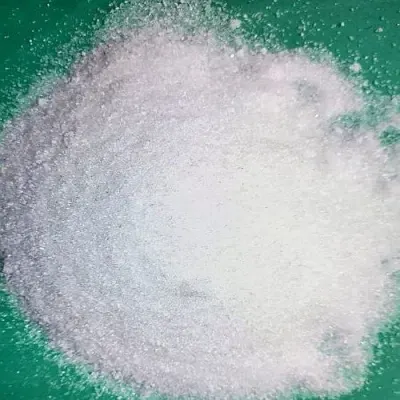
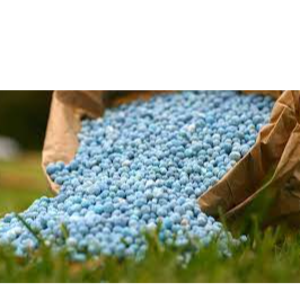
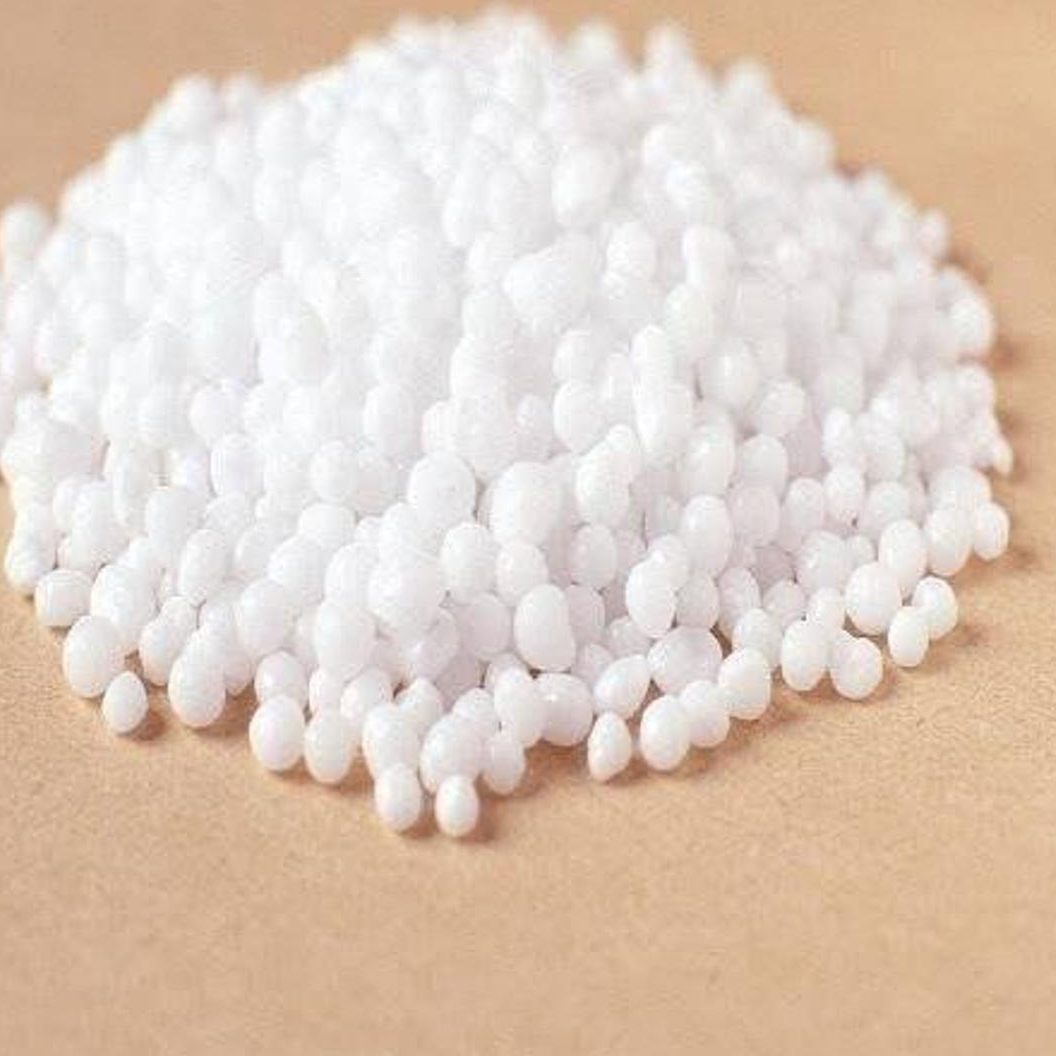
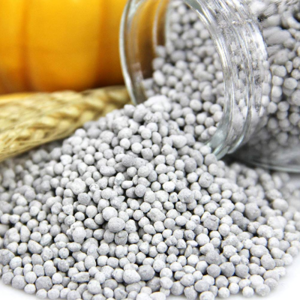
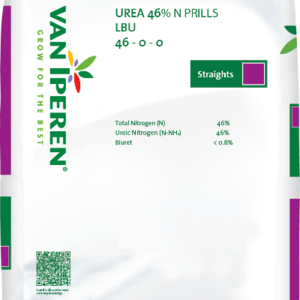
El Waha For Trade’s catalogue lists rock phosphate, SSP, DAP, ammonium sulphate, various urea grades and silica sand. In the global fertilizer market, rock phosphate is typically supplied with P₂O₅ content between 30 % and 35 % and may be processed into phosphoric acid. SSP and DAP are standard phosphatic fertilizers with N‑P‑K ratios of 16‑20‑0 and 18‑46‑0 respectively, and buyers often require analysis reports confirming nutrient content and heavy‑metal limits. Granular urea is commonly offered at 46 % nitrogen (N‑46) with moisture below 0.5 % and particle size around 2 - 4 mm; standard urea may be prilled or granular with similar specifications. Ammonium sulphate is usually supplied at 21 % nitrogen and 24 % sulphur, with solubility and impurity limits defined by ISO‑based specifications. Silica sand for industrial use is typically classified by grain size (e.g., 0.1 - 0.5 mm) and purity above 99 % SiO₂, and may be shipped in bulk bags or bulk carriers. Typical certifications requested for these mineral products include ISO 9001 quality management, ISO 14001 environmental management and, where applicable, compliance with the EU REACH regulation for heavy metals. Buyers often request a Certificate of Analysis (CoA) for each batch, as well as a Material Safety Data Sheet (MSDS) for sulphur and ammonium sulphate. Packaging for bulk fertilizers is usually in 50 kg polypropylene bags, 1 ton or 2 ton paper bags, or in bulk shipments using 20 ft or 40 ft containers with moisture‑proof liners.
Trade and Export Information - El Waha For Trade
Egypt is a regional exporter of mineral fertilizers and industrial minerals, supplying markets in the Middle East, North Africa and parts of Europe. Fertilizer shipments from Egypt typically fall under HS Chapter 31, with nitrogen‑based products (urea, ammonium sulphate) classified under 3101 and phosphatic fertilizers (rock phosphate, SSP, DAP) under 3102‑3103. Silica sand is exported under HS 2505, while elemental sulphur uses HS 2504. Buyers in the GCC, Sub‑Saharan Africa and the EU frequently import these commodities, often requiring compliance with local phytosanitary and customs regulations. Standard export documentation includes a commercial invoice, packing list, bill of lading and, where required, a phytosanitary certificate for fertilizer blends. Common Incoterms used for bulk agricultural inputs are CIF (Cost, Insurance, Freight) to the buyer’s port or FOB (Free on Board) from Egyptian ports such as Alexandria or Damietta. Importers usually request third‑party laboratory verification of nutrient content, moisture and impurity levels, and may stipulate that shipments be sealed in moisture‑proof containers to preserve product integrity during sea transit.
Sourcing from El Waha For Trade - Buyer Guidance
Prospective buyers should obtain a recent Certificate of Analysis for each fertilizer grade and verify that nutrient percentages meet the target formulation (e.g., N‑46 for urea, N‑21/S‑24 for ammonium sulphate). For silica sand, request a particle‑size distribution report and silica purity analysis to ensure suitability for glass or casting applications. It is advisable to ask for a copy of the supplier’s ISO quality‑management certificates and any relevant environmental compliance documents before finalizing a contract. Before placing an order, confirm the packaging specifications - whether the product will be shipped in 50 kg bags, bulk bags or loose bulk - and the loading plan for 20 ft or 40 ft containers. Request a draft shipping schedule that includes loading port, vessel ETA and expected discharge port, and verify that the supplier can provide a signed MSDS for chemical products such as sulphur and ammonium sulphate. Clarifying these details helps reduce customs delays and ensures the product meets the buyer’s technical requirements.
Frequently Asked Questions About El Waha For Trade
What fertilizer grades does El Waha For Trade offer?
The catalogue includes rock phosphate, single superphosphate (SSP), diammonium phosphate (DAP), ammonium sulphate, granular urea 46 % and standard urea. These correspond to typical nitrogen and phosphorus formulations used in agronomy, with nitrogen content of 46 % for the granular urea and nitrogen‑21 %/sulphur‑24 % for ammonium sulphate.
Which certifications should a buyer request for these mineral products?
Buyers should request the supplier’s ISO 9001 quality‑management certificate and, where relevant, ISO 14001 environmental certification. Additionally, a Certificate of Analysis and Material Safety Data Sheet for each batch are standard documents in the fertilizer trade.
What HS codes are normally applied to the products listed by El Waha For Trade?
Fertilizer products such as urea, SSP and DAP fall under HS Chapter 31 (e.g., 3101 for urea, 3102‑3103 for phosphatic fertilizers). Silica sand is classified under HS 2505 and elemental sulphur under HS 2504. These codes are used by customs authorities for tariff and regulatory purposes.
What are typical packaging options and container sizes for the listed products?
Bulk fertilizers are commonly packed in 50 kg polypropylene bags, 1‑ton or 2‑ton paper bags, or shipped as loose bulk in 20 ft or 40 ft containers with moisture‑proof liners. Silica sand is often delivered in bulk bags (1 ton) or directly loaded into bulk carriers.
What is a realistic minimum order quantity (MOQ) and lead time for these commodities?
Minimum order quantities vary by product but generally start at one 20 ft container (≈ 20 ton) for bulk fertilizers and at least 10 ton for silica sand. Lead times from order confirmation to shipment typically range from 30 to 45 days, depending on production scheduling and vessel availability.
How can a buyer obtain a sample before placing a full order?
The supplier can provide a small trial quantity, such as a 25 kg bag of the requested fertilizer or a 5 kg sample of silica sand, accompanied by a Certificate of Analysis. Samples are usually dispatched under FOB terms and may be subject to a nominal handling fee.
Which regions commonly import the types of products offered by this supplier?
Export flows from Egypt for these minerals primarily target the Middle East and North Africa, as well as European Union ports. Agricultural markets in Saudi Arabia, United Arab Emirates, Sudan and Spain are typical import destinations for nitrogen and phosphatic fertilizers, while silica sand finds buyers in glass‑manufacturing hubs in Italy and Turkey.




 , Egypt