Agriculture›
 Apparel and fashion accessories›
 Construction & real estate›💡Electronic & Electrical›🍎Food & Beverages›🛋️Home furnishing & supplies›⚗️Industrial goods & chemical›🪨Minerals & metals›📦Miscellaneous›Agriculture›Apparel and fashion accessories›Construction & real estate›💡Electronic & Electrical›🍎Food & Beverages›🛋️Home furnishing & supplies›⚗️Industrial goods & chemical›🪨Minerals & metals›📦Miscellaneous›
El Kamel Import And Export
⚓ Harbor , EgyptNew supplier / no reviews yet
El Kamel Import And Export Product Catalog
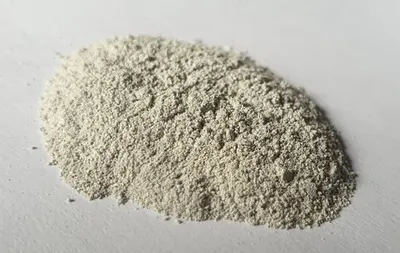
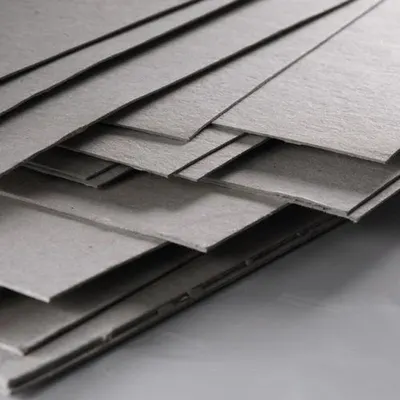
About El Kamel Import And Export - Industrial Chemicals and Refractory Materials Supplier in Egypt
El Kamel Import And Export is an Egypt-based trading company operating from the North African / Mediterranean region with 6 active product listings spread across 6 distinct industrial categories. The catalogue spans refractory and heat-resistant materials, inorganic industrial chemicals (sodium silicate), two distinct industrial clays (kaolin and bentonite), and industrial bagging. This breadth places the supplier at the intersection of Egypt's established mineral processing sector and its industrial consumables trade, serving downstream buyers in foundries, ceramics, paper, detergents, and construction chemicals. The product mix reflects the typical raw-material profile that Egyptian exporters move through Port Said, Damietta, and Alexandria: locally extracted or processed mineral clays, commodity inorganic silicates, and bagged industrial inputs. El Kamel Import And Export's listings cover both liquid-form chemicals (sodium silicate solution) and dry bulk mineral products (kaolin, bentonite, processed clays), alongside bagging consumables used to package such materials. The combination of heat-resistant materials, metallurgical bentonite, and kaolin points to buyers in steel plants, foundry operations, ceramic tile producers, and paper-coating lines as the natural downstream fit for this catalogue.
Product Range and Specialties of El Kamel Import And Export
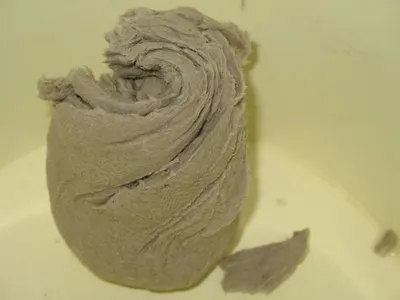
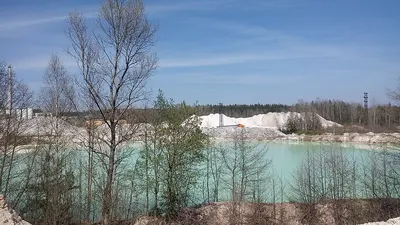
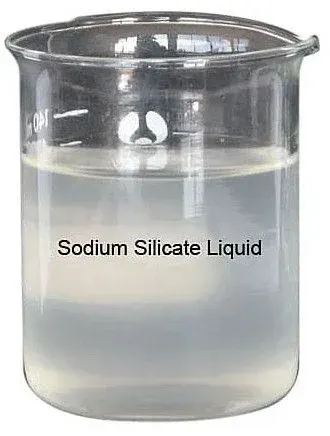
El Kamel Import And Export's catalogue groups into three practical families. The refractory family covers heat resistant materials, which in this segment typically refers to ceramic fibre, fireclay, high-alumina, or insulating brick products rated for service temperatures of 1100 to 1600 degrees Celsius, with common grade designations such as 23% / 26% / 28% / 30% / 32% Al2O3 content and bulk densities from 0.5 to 2.3 g/cm3. The chemical family is anchored by liquid sodium silicate (water glass), commonly supplied as a clear to slightly turbid solution with SiO2:Na2O ratios in the 2.0 to 3.3 range and densities of 38 to 50 degrees Baume, used in detergents, adhesives, foundry binders, and water treatment. The mineral clay family includes metallurgical bentonite (sodium-activated calcium bentonite used as a foundry sand binder and iron-ore palletising agent, with typical swelling index of 20 to 30 ml/2g and moisture content below 12%), clay kaolin (hydrous aluminium silicate Al2Si2O5(OH)4 used in ceramics, paper coating, and rubber filler, with brightness 80 to 92% ISO and 325-mesh residue typically below 0.5%), plus two further processed clay grades listed as "The badra (asta ted)" and Fine Clay Mud, which buyers should clarify with the supplier for application, particle size, and moisture specification. The catalogue is rounded out by industrial bags, typically 25 kg, 40 kg, or 50 kg polypropylene or kraft paper sacks used to pack the mineral and chemical products in the same listing.
Frequently Asked Questions About El Kamel Import And Export
What product categories does El Kamel Import And Export list?
The supplier lists 6 active products across 6 categories: heat resistant materials, liquid sodium silicate, metallurgical bentonite, clay kaolin, "The badra (asta ted)", and Fine Clay Mud, plus industrial bags for packaging. The catalogue covers refractory inputs, inorganic chemicals, and industrial clays used in foundries, ceramics, paper, and detergents.
Which HS code families apply to this catalogue?
Typical HS codes for these products are 2507 for kaolin, 2508 for bentonite and other clays, 2839 for sodium silicates, 6801 to 6815 for refractory and heat-resistant articles, and 6305 / 6306 for industrial sacks and bags. Buyers should confirm the exact 6-digit HS classification with the supplier per shipment.
What specifications should I request for the liquid sodium silicate?
Request the SiO2 to Na2O weight ratio (commonly 2.0 to 3.3), the density in degrees Baume (typically 38 to 50), the solids content percentage, and the iron oxide (Fe2O3) impurity level. Also confirm whether the product is supplied in bulk ISO tank, flexitank, or 200-litre drums.
What parameters matter most for the metallurgical bentonite?
For foundry and iron-ore palletising use, the key parameters are the swelling index (typically 20 to 30 ml/2g), moisture content (usually below 12%), wet tensile strength, and plate water absorption. Request a current COA showing these values and confirm whether the bentonite is sodium-activated.
What documents should I require with the shipment?
Standard documents are commercial invoice, packing list, Bill of Lading, Certificate of Origin, Certificate of Analysis per lot, and an MSDS for the liquid sodium silicate under GHS classification. For refractory items, an independent pre-shipment inspection report from SGS or Bureau Veritas is commonly requested.
EgyptRelated Suppliers & Products
Explore similar suppliers, related products and trending categories