Dynamic Exports — Verified Supplier
About Dynamic Exports - Sandstones & Sands Supplier in India
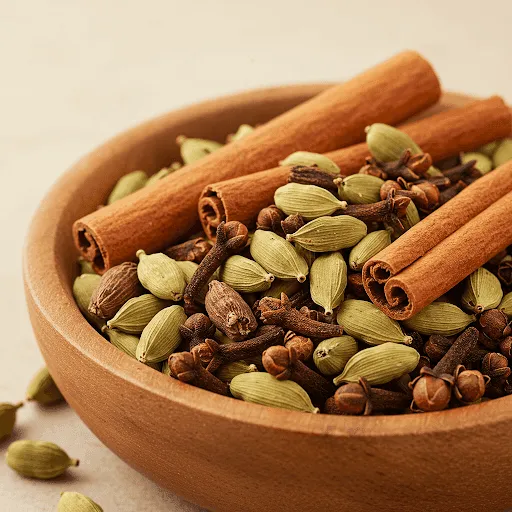
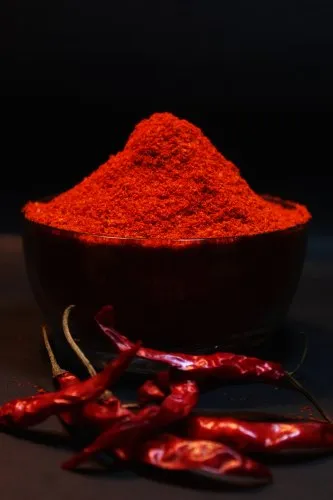
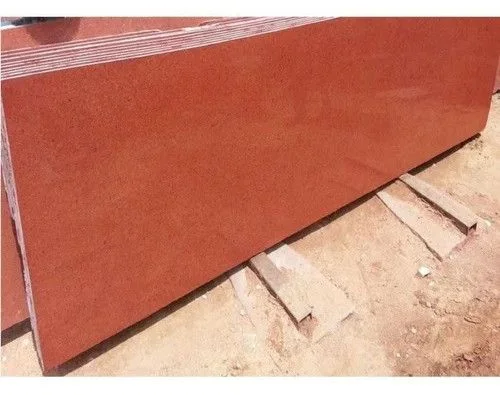
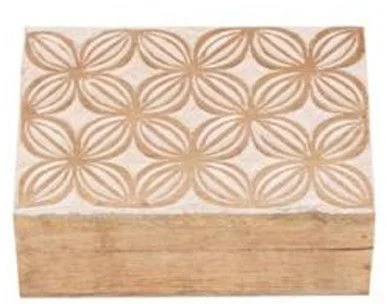
Dynamic Exports is based in India and currently lists 101 active products across several categories, including sandstones, agricultural seeds, spices, coconut varieties, fresh vegetables, and wooden furniture. The catalogue references specific items such as Raj Green Sandstone, Dholpur Beige Sandstone, various spice seeds (cumin, carom, fenugreek, fennel, black pepper, dill, sesame), legumes (peanuts, groundnuts, soybeans, green millet, white chickpeas), and two basmati rice lines that carry HS code 1006.30. In addition, the supplier offers processed items like PP woven bags, activated charcoal, and wooden dining‑table sets, reflecting a mix of raw commodities and finished goods.
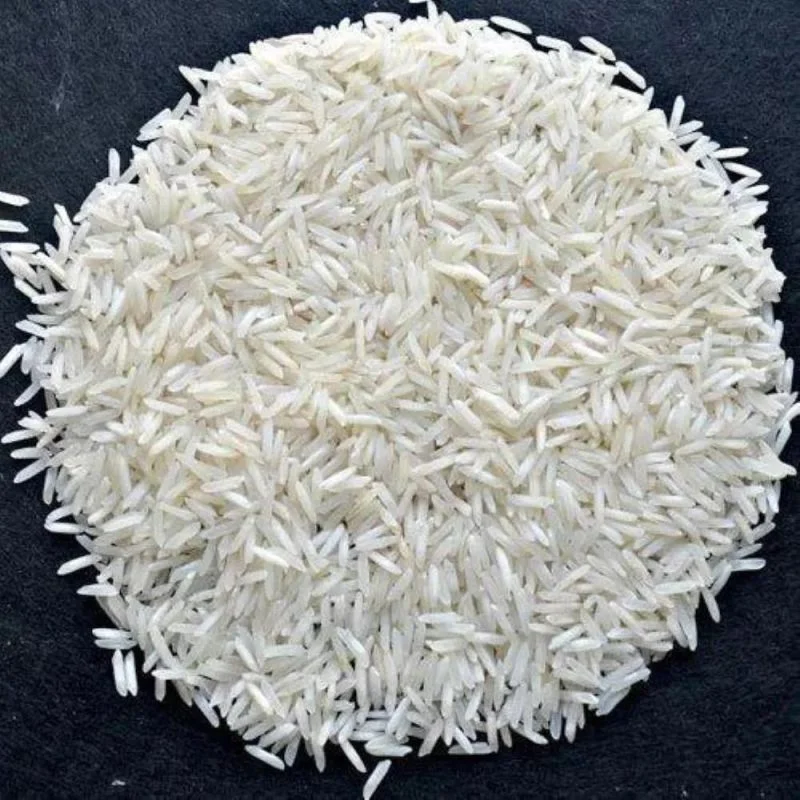
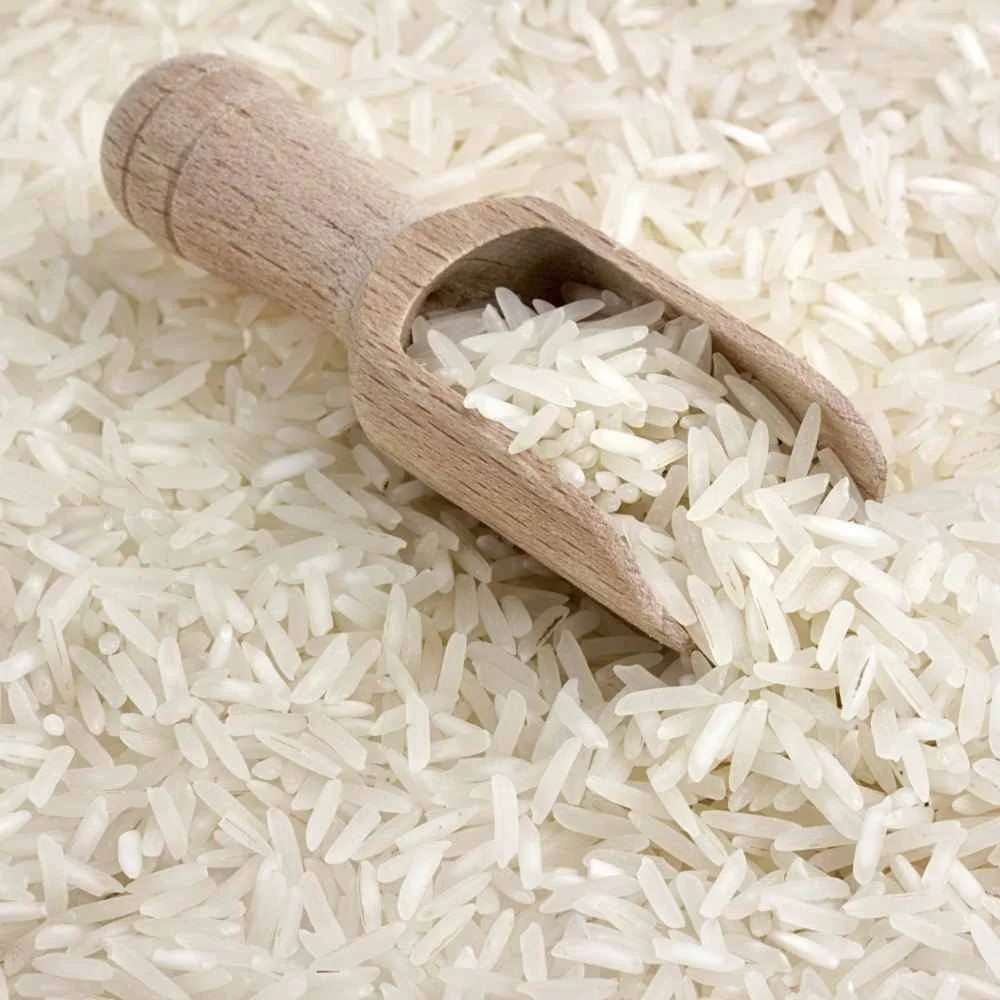
The two rice entries - “1121 Golden Sella Basmati Rice” and “1121 Steam Basmati Rice” - are both classified under HS chapter 10 (1006.30) for semi‑processed milled rice. Other products such as the sandstones are classified under HS chapter 68 (typically 6802 for natural stone). The presence of both food and construction materials indicates that Dynamic Exports serves buyers in agricultural, food‑processing, and building‑materials supply chains.
Product Range and Specialties of Dynamic Exports
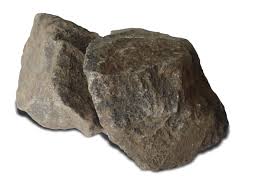
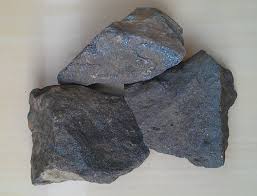
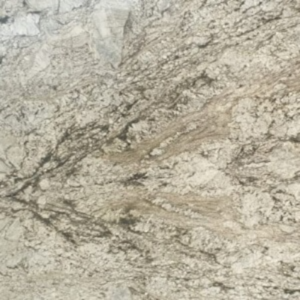
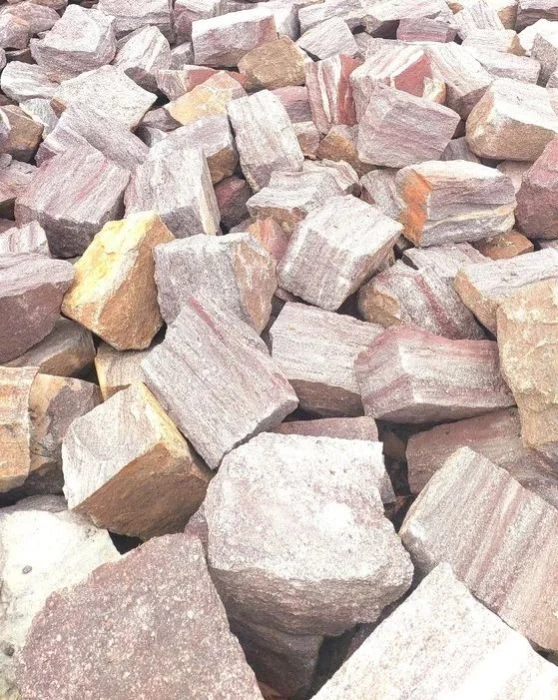
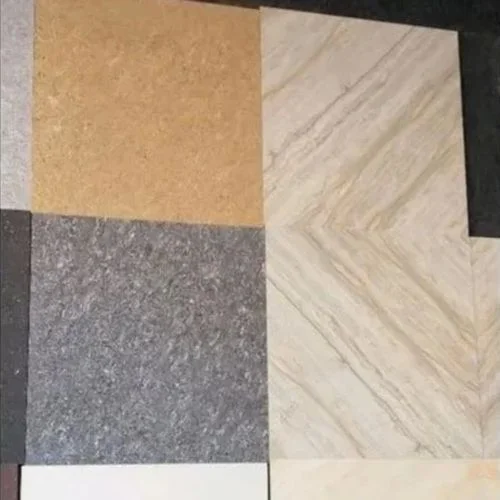
The listed catalogue covers a breadth of Indian commodities. Grain‑type products include Green Millet, White Chickpeas, and two basmati rice variants, each normally shipped in 20 ft containers with bulk grain packaging or 50 kg polypropylene bags. Spice seeds such as Cumin, Carom, Fenugreek, Fennel, Black Pepper, Dill and Hulled Sesame are typically graded by moisture content (≤12 %), oil‑free impurity limits, and particle size, and are exported in 25 kg PP woven sacks. Sandstone products - Raj Green Sandstone and Dholpur Beige Sandstone - are usually cut to standard dimensions of 300 mm × 300 mm × 30 mm and graded by compressive strength (≈40 - 60 MPa) and colour uniformity. The wooden furniture items (dining‑table set, coffee table) follow Indian plywood standards (BS 1088) and are packed in wooden crates for sea freight.
Trade and Export Information - Dynamic Exports
India ranks among the top global exporters of spices, basmati rice, and natural stone. Buyers from the Middle East, Europe, and North America commonly import Indian basmati rice under HS 1006.30, requiring a phytosanitary certificate, a certificate of origin, and often an ISO 22000 or FSSC 22000 food‑safety audit. Spice seeds are typically subject to HS 0905 - 0909, with buyers requesting SGS inspection reports, moisture analysis, and pesticide residue testing according to Codex Alimentarius limits. Sandstones fall under HS 6802 and are shipped to construction markets in the UAE, Saudi Arabia, and Southeast Asia; importers usually ask for a mill test report confirming compressive strength and a rock‑core analysis. Standard Incoterms for these categories are CIF or FOB, with containerised cargo for grains and bulk bags for sandstones, while wooden furniture is commonly shipped as palletised loads in 40 ft containers.
Sourcing from Dynamic Exports - Buyer Guidance
When sourcing from Dynamic Exports, buyers should request a recent phytosanitary certificate for all edible seeds and rice, and a mill test report for the basmati rice specifying moisture (<14 %) and broken grain (<5 %). For spice seeds, ask for a certificate of analysis covering moisture, oil content, and pesticide residues, as well as a sample for laboratory verification. Sandstone orders should be accompanied by a rock‑core test report and a dimensional inspection certificate; verify the supplier’s compliance with ASTM C615 for dimension tolerances. For the wooden furniture, request a plywood grade certificate (BS 1088) and a treatment statement confirming compliance with ISPM 15 for wood packaging.
Frequently Asked Questions About Dynamic Exports
What HS code is used for the basmati rice products?
Both “1121 Golden Sella Basmati Rice” and “1121 Steam Basmati Rice” are classified under HS code 1006.30, which covers semi‑processed milled rice.
Which certifications are typically required for Indian spice exports?
Importers usually require an ISO 22000 or FSSC 22000 food‑safety certification, a phytosanitary certificate, and a SGS inspection report confirming moisture below 12 % and pesticide residues within Codex limits.
What quality parameters are checked for sandstones like Raj Green Sandstone?
Buyers commonly request a mill test report showing compressive strength between 40 MPa and 60 MPa, colour uniformity, and dimensions of 300 mm × 300 mm × 30 mm as per ASTM C615.
How are the grain‑type products typically packaged for export?
Green Millet, White Chickpeas and the basmati rice are usually packed in 25 kg or 50 kg polypropylene bags, which are then palletised inside 20 ft or 40 ft containers for sea freight.
What documentation should be obtained for wooden furniture shipments?
A plywood grade certificate (BS 1088), an ISPM 15 wood‑packaging treatment statement, and a commercial invoice with HS code 9403 are standard documents.
What is the typical MOQ and lead time for the sandstones?
Exporters of Indian natural stone often set a minimum order of one cubic meter per colour, with a lead time of 30 - 45 days after order confirmation, depending on cutting and finishing requirements.




 , India