Dongguan City Fangling Precision Mould Co., Ltd. — Verified Supplier
About Dongguan City Fangling Precision Mould Co., Ltd. - Injection Moulded Products Supplier in China
Dongguan City Fangling Precision Mould Co., Ltd. is located in Dongguan, China and currently lists 13 active product entries. The catalogue covers categories such as injection moulded products, CNC machines and spare parts, machined components, tools and instruments, and various plastic products, all of which fall under standard HS chapters for moulds (8477), CNC‑machined parts (8479) and plastic articles (3926). The company’s product list includes grinding mold parts, jigs and fixture parts, mold assemblies, precision plastic injection molds and tools, standard mold parts, final plastic products, and specialised CNC‑turned or milled mould components. Each entry reflects a distinct manufacturing capability within the broader mould‑making and precision machining sector. The listed items range from core and cavity mould parts to cylindrical mould components and EDM sinking mould parts. The catalogue also mentions precision plastic injection molding services and CNC high‑speed milling or hard‑turning mould parts, indicating the ability to produce both tooling and finished plastic components. No additional product categories beyond those 13 items are stated in the supplied data.
Product Range and Specialties of Dongguan City Fangling Precision Mould Co., Ltd.
The product range includes grinding mold parts, jigs & fixtures, standard and custom mould assemblies, and precision plastic injection molds made from tool steels such as P20, H13 or stainless steel. In the industry, mould bases are typically graded by material hardness (e.g., HRC 45‑55) and surface finish requirements of Ra 0.8 µm or better. CNC‑machined mould components are commonly produced with tolerances of ±0.01 mm and may involve high‑speed milling of aluminium or steel blanks. Final plastic products are usually injection‑moulded from engineering polymers (e.g., PA66, POM) or commodity plastics (e.g., PP, PS) with melt flow indices ranging from 5 to 30 g/10 min. Typical buyers request data sheets that specify material grade, heat‑treatment condition, dimensional tolerances, and surface finish. For EDM sinking parts, copper‑cored electrodes and dielectric fluid control are standard practice, while hard‑turning mould parts often use carbide tooling and coolant flow rates of 10‑15 L/min to achieve required surface integrity.
Trade and Export Information - Dongguan City Fangling Precision Mould Co., Ltd.
China remains one of the world’s largest exporters of mould tooling and plastic components, with shipments frequently directed to automotive, consumer electronics, and medical device manufacturers in Europe, North America and Southeast Asia. HS chapter 84 covers the majority of CNC‑machined mould parts, while HS 39 covers the finished plastic articles; customs authorities in importing countries often request conformity to ISO 9001 quality management and, where applicable, CE marking for safety‑critical applications. Export logistics typically involve 20‑ft or 40‑ft containers, with molded steel parts packed in wooden crates or metal pallets, and plastic products sealed in bulk bags or shrink‑wrapped pallets to protect against moisture. Buyers commonly require pre‑shipment inspection reports (e.g., SGS or BV) and material certification test reports (e.g., chemical composition, hardness, tensile strength). Chinese exporters of moulds also adhere to the China Compulsory Certification (CCC) system for certain categories, and many buyers request compliance with RoHS or REACH when the final plastic products contain additives. Incoterms such as FOB Dongguan or CIF major ports (e.g., Shanghai, Ningbo) are standard for these categories.
Sourcing from Dongguan City Fangling Precision Mould Co., Ltd. - Buyer Guidance
When sourcing from this supplier, request detailed engineering drawings and a bill of materials for each mould component to verify material grade and heat‑treatment specifications. Ask for a sample of a finished plastic part or a prototype mould to assess dimensional accuracy, surface finish (Ra value) and functional performance under production conditions. Standard documentation includes ISO 9001 certification, material test certificates (e.g., ASTM AISI standards), and, where relevant, CE or RoHS compliance statements. Buyers should also verify the supplier’s capacity for lead‑time commitments; typical lead times for standard mould parts range from 15‑25 working days, while custom precision molds can require 30‑45 days depending on complexity. Confirm packaging details - steel moulds are usually crated with wooden supports, and plastic products are often packed in 1 m³ bulk bags or on Euro pallets - to ensure safe transport. Confirm the preferred Incoterm and arrange a pre‑shipment inspection if required by your importing country.
Frequently Asked Questions About Dongguan City Fangling Precision Mould Co., Ltd.
What product categories does Dongguan City Fangling Precision Mould Co., Ltd. list?
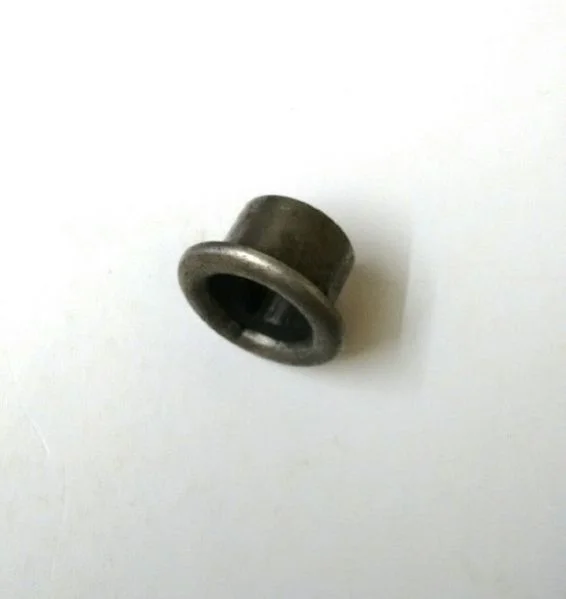
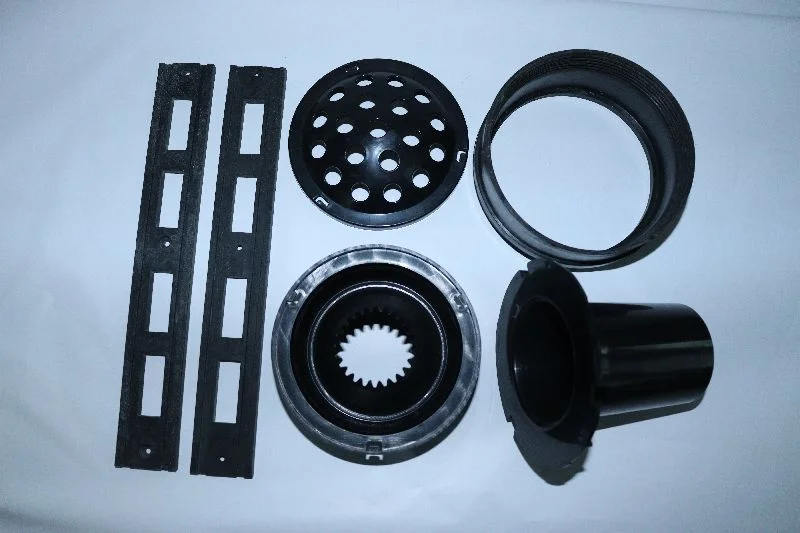
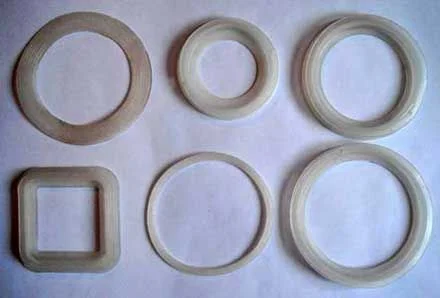
The supplier lists 13 items covering grinding mold parts, jigs & fixtures, mold assemblies, precision plastic injection molds and tools, standard and custom mold parts, final plastic products, CNC hard‑turning and high‑speed milling mold parts, core and cavity components, cylindrical mold parts, and EDM sinking mold parts.
Which HS chapters are relevant for the supplier’s catalogue?
Mould tooling and CNC‑machined components fall under HS chapter 84 (machinery and mechanical appliances), while the final plastic products are classified under HS chapter 39 (plastic articles).
What material grades are typical for the mould parts offered?
Industry practice uses tool steels such as P20, H13 or stainless steel grades, with hardness levels around HRC 45‑55 and surface finishes of Ra 0.8 µm or finer for precision moulds.
Which certifications should a buyer request from this supplier?
Buyers usually request ISO 9001 quality‑management certification, material test certificates (e.g., ASTM or ISO standards), and, where applicable, CE marking, RoHS or REACH compliance documentation.
What sample or test reports are advisable before placing a large order?
A prototype or sample part should be examined for dimensional tolerance (typically ±0.01 mm), surface finish, and functional performance. Material test reports confirming chemical composition, hardness and tensile strength are also advisable.
What are typical packaging methods for the supplier’s mould parts and plastic products?
Steel mould parts are generally crated with wooden supports or metal pallets; plastic products are commonly packed in bulk bags, shrink‑wrapped pallets, or in cardboard boxes designed to prevent deformation during transit.
What lead times are common for standard versus custom mould components?
Standard mould parts often ship within 15‑25 working days, while custom precision moulds may require 30‑45 working days depending on design complexity and required heat‑treatment processes.
Which Incoterms are frequently used for exporting these goods from China?
Suppliers typically offer FOB Dongguan for buyers arranging their own freight, or CIF to major ports such as Shanghai or Ningbo when the seller handles shipping and insurance.




 , China