Agriculture›
 Apparel and fashion accessories›
 Construction & real estate›💡Electronic & Electrical›🍎Food & Beverages›🛋️Home furnishing & supplies›⚗️Industrial goods & chemical›🪨Minerals & metals›📦Miscellaneous›Agriculture›Apparel and fashion accessories›Construction & real estate›💡Electronic & Electrical›🍎Food & Beverages›🛋️Home furnishing & supplies›⚗️Industrial goods & chemical›🪨Minerals & metals›📦Miscellaneous›
Dhery Casper Product Catalog

About Dhery Casper - Multi-Category Exporter in Indonesia
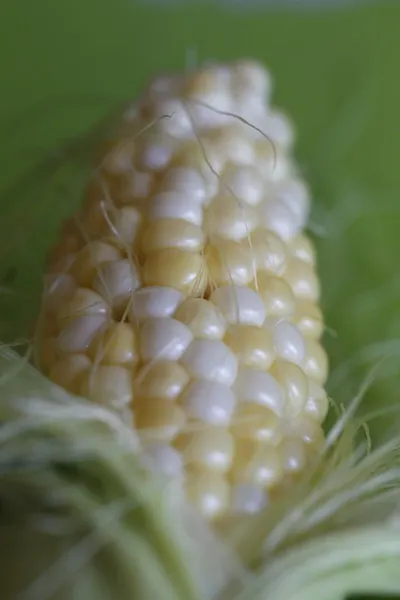
Dhery Casper is an Indonesia-based supplier listing 8 active products across 7 distinct categories, an unusually broad mix that spans agricultural commodities, organic inputs, handicrafts, personal-care goods and secondhand textiles. The catalogue combines primary products such as Peeled Corn and Sweet Corn, Brown Sugar, Organic Fertilizer, Harmony Soap, Bamboo Wall Decor, Keychains, and Used Clothing, reflecting a diversified export profile rather than a single-category focus. Indonesia's position as a tropical agricultural producer and a major manufacturing hub for handicrafts and personal-care items shapes the sourcing environment in which this supplier operates, with goods typically flowing through ports such as Tanjung Priok (Jakarta) and Tanjung Perak (Surabaya). The breadth of categories means each product line falls under a different HS code family, and buyers should expect to see documentation aligned to food, fertilizer, textile, and handicraft regulations depending on the item ordered.
The supplier's portfolio reflects several of Indonesia's established export strengths: corn and sugar from the country's agricultural heartlands, bamboo-based crafts from regions known for woven and carved products, and organic fertilizer tied to the growing composting and bio-input sector. Indonesian corn is generally classified under HS 1005, with yellow and white varieties used for both food and feed applications, while sugar typically falls under HS 1701 (cane or beet sugar) or HS 1702 (other sugars). Organic fertilizer is commonly classified under HS 3101 (animal or vegetable fertilizers), and used clothing generally falls under HS 6309 (worn articles and worn textile articles). Handicraft items such as bamboo wall decor and keychains are typically classified under HS 4602 (basketwork, wickerwork and other articles made directly to shape from plaiting materials) and HS 7117 (imitation jewellery), respectively, while soaps fall under HS 3401. The combination of food-grade and non-food items in one catalogue is worth noting for buyers planning consolidated shipments, as each product family carries its own regulatory and documentation requirements.
Product Range and Specialties of Dhery Casper
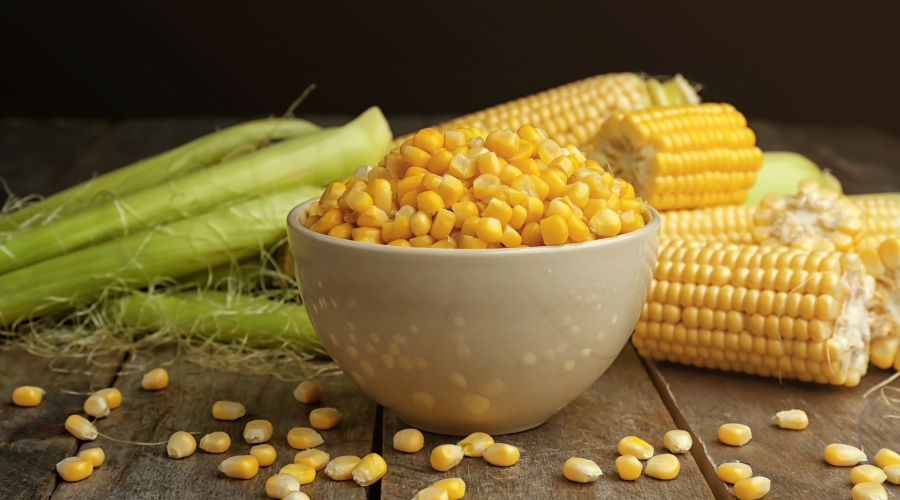
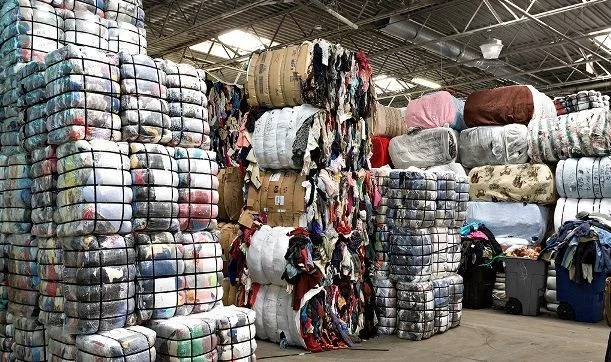
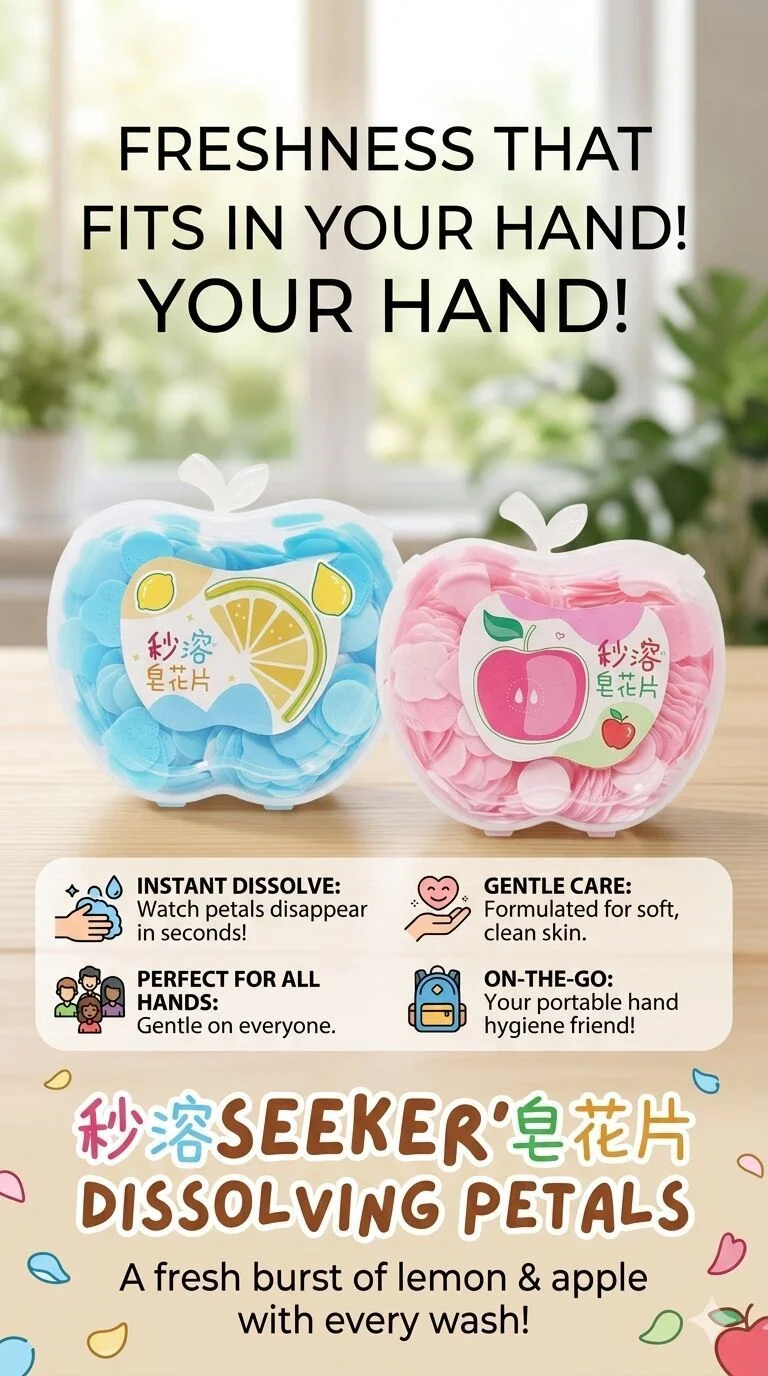
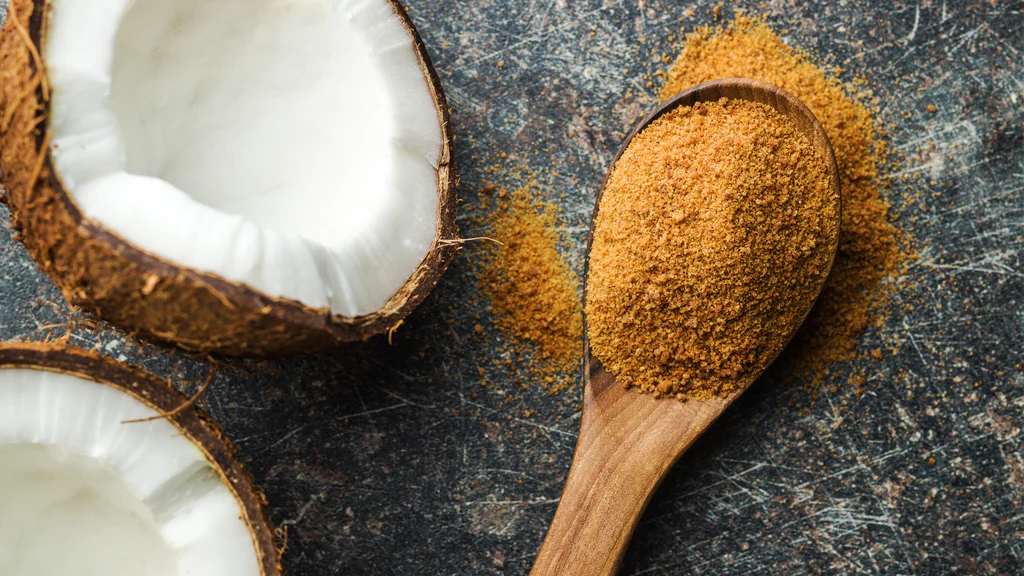
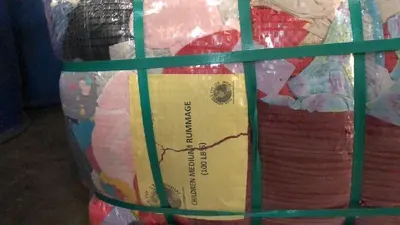
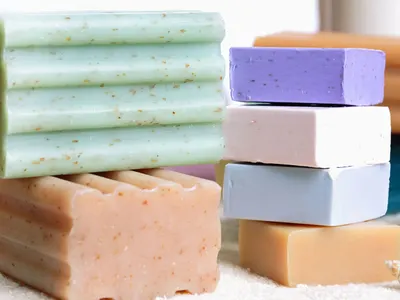
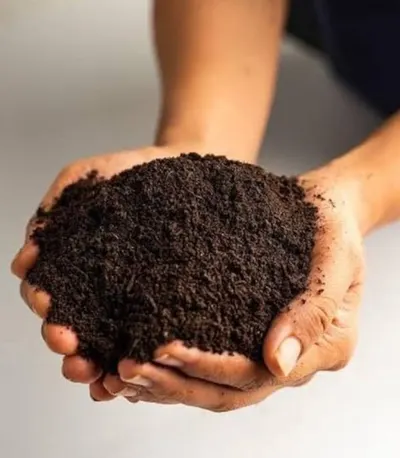
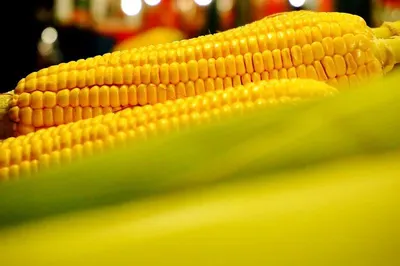
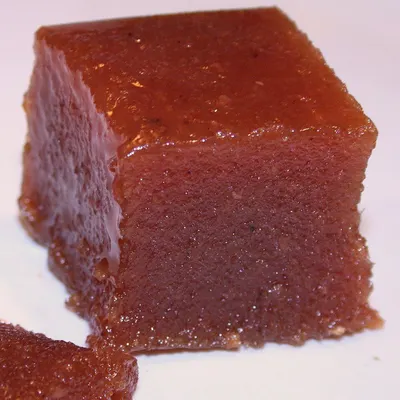
Dhery Casper's catalogue covers eight products across seven categories, beginning with two corn variants: Peeled Corn and Sweet Corn. Indonesian corn is typically traded in food-grade yellow or white varieties, with grain lengths commonly ranging from 8 to 12 mm and moisture content specifications usually between 13% and 14% for export-grade shipments. Sweet corn, a separate product type often destined for fresh or frozen consumption rather than dry milling, is typically graded by kernel uniformity, husk quality, and brix levels. Brown Sugar is the supplier's sweetener entry, and Indonesian brown sugar, often referred to as gula merah or palm sugar, is typically produced from coconut palm sap (HS 1701.11 for raw cane sugar or HS 1702 for other sugars) with ICUMSA values generally ranging from 600 to 1,200 IU for brown grades, and moisture content typically kept below 5% for export stability. The non-food lines include Harmony Soap, which falls under HS 3401 (soap in bar or flake form), with typical specifications covering total fatty matter (often 60-80%), moisture content (usually 10-15%), and pH levels around 9-11 for laundry or multi-purpose bars. Organic Fertilizer is listed as a separate product, and Indonesian organic fertilizers are typically composted from agricultural residues, manure, or biochar, with NPK analyses often in the 2-4-2 to 4-3-3 range and organic matter content above 30%. The handicraft and accessory lines include Bamboo Wall Decor and Keychains, both of which reflect Indonesia's strong tradition in natural-material crafts, particularly from Java, Bali, and Sumatra. Used Clothing rounds out the catalogue, falling under HS 6309 (worn textile articles), a category that typically requires sorting by grade (A, B, or C), bale weight specifications (usually 45-55 kg per bale), and compliance with import-country phytosanitary and used-textile regulations.
Frequently Asked Questions About Dhery Casper
What product categories does Dhery Casper supply?
Dhery Casper lists 8 active products across 7 categories: Peeled Corn, Sweet Corn, Brown Sugar, Organic Fertilizer, Harmony Soap, Bamboo Wall Decor, Keychains, and Used Clothing. Each category falls under a different HS code family, including HS 1005 for corn, HS 1701 or 1702 for sugar, HS 3101 for organic fertilizer, HS 3401 for soap, HS 4602 for bamboo articles, HS 7117 for keychains, and HS 6309 for used clothing.
Which Indonesian regions are typically associated with these product categories?
Indonesian corn is commonly produced in Java, Sumatra, and Sulawesi, while palm and cane sugar production is concentrated in Java and Sumatra. Bamboo handicrafts are typically sourced from Java, Bali, and West Nusa Tenggara, and organic fertilizer production is distributed across agricultural regions including Java and Sumatra.
What certifications should a buyer request for the food-grade products?
For Peeled Corn, Sweet Corn, and Brown Sugar, buyers typically request a phytosanitary certificate, certificate of origin, certificate of analysis covering moisture and ICUMSA values, and aflatoxin or pesticide-residue test reports. Compliance with destination-market food-safety regulations, such as EU food-safety standards or US FDA requirements, should also be confirmed.
What documentation is typically required for Organic Fertilizer exports?
Buyers of organic fertilizer commonly request an NPK analysis, organic matter content, heavy-metal screening, and any organic-input certification recognized in the destination market. Moisture content and pH specifications are also typically part of the certificate of analysis.
How is Used Clothing typically graded and packed for export?
Used clothing is commonly sorted into grades A, B, or C based on condition, with export bales typically weighing 45-55 kg. Buyers should request sorting documentation, bale weight confirmation, and compliance with destination-country used-textile import regulations, which may include fumigation or phytosanitary requirements.
 Indonesia
Related Suppliers & Products
Explore similar suppliers, related products and trending categories