CV. Pride Sinergy Success — Verified Supplier
About CV. Pride Sinergy Success - Handbags Supplier in Indonesia
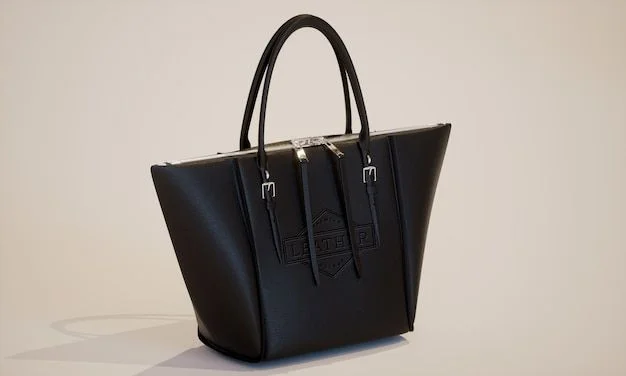
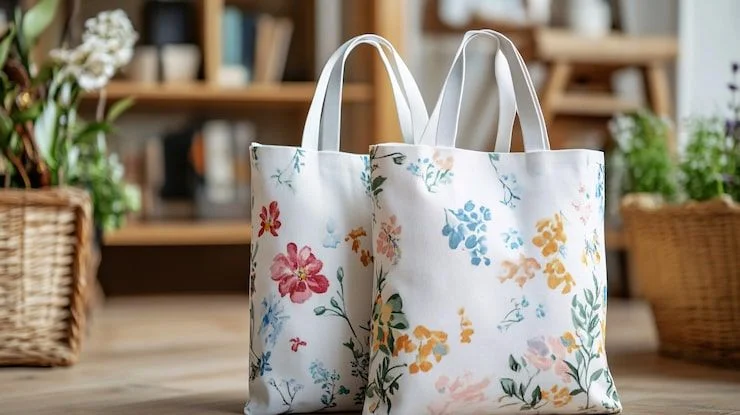
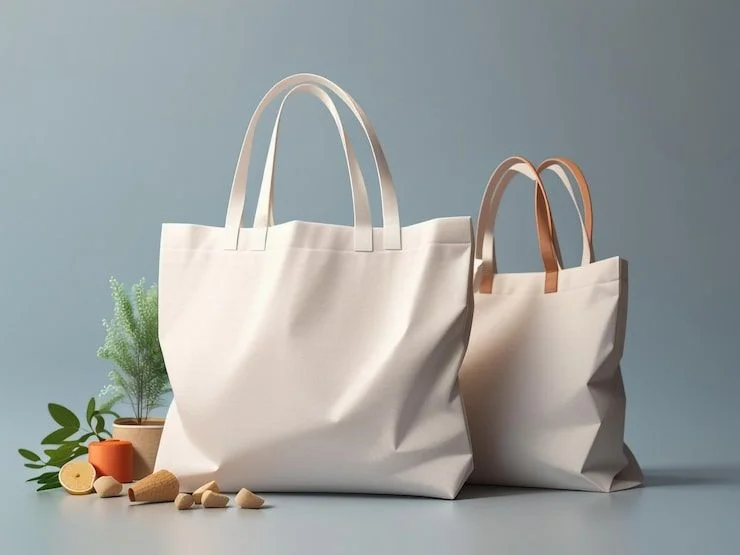
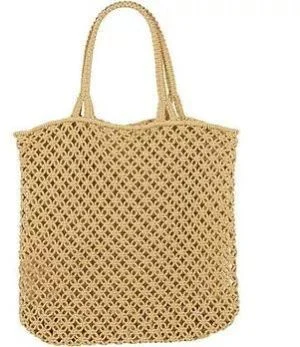
Indonesia is the origin of CV. Pride Sinergy Success, which currently lists eight distinct products in its catalogue. The portfolio includes Pandan Leaf Woven Hand Bags, Pandan Leaf Woven Tote Handbag, Pandan Leaf Woven Satchel Bag, Handmade Plastic Woven Multi-Color Tote Handbags, Handmade Light Multicolor Tote Handbags, Plastic Jali Woven Tote Bag Small, Handmade Round Rattan Sling Bags, and Pandan Leaf Woven Tote Handbag Wooden Handle. All items fall under the broader categories of Handbags, Tote Bags and Bags & Baggage Accessories. The products are described by material type - natural pandan leaf, various plastics, or rattan - and by functional style such as tote, satchel, or sling.
The eight items are classified under HS heading 42 for luggage, bags and the like, where Handbags and similar articles are usually recorded under sub‑heading 4202. The catalogue does not provide individual HS codes, but the product family aligns with the standard HS code range used for woven and plastic‑based bags. The supplier’s list reflects a focus on lightweight, handcrafted accessories that combine natural fibers with synthetic materials, targeting markets that value artisanal appearance and durability. No additional company‑level certifications are mentioned in the supplied data.
Product Range and Specialties of CV. Pride Sinergy Success
The catalogue offers four pandan‑leaf woven designs - hand bag, tote handbag, satchel bag, and tote handbag with wooden handle - each made from dried Pandan leaves that are traditionally split, boiled and woven into a fabric with a typical thickness of 1.5‑2 mm. In the broader market, pandan‑leaf bags are graded by leaf density (e.g., 150‑200 leaves per square metre) and are often required to keep moisture content below 12 % to ensure dimensional stability. The plastic‑woven tote options include multi‑color and light‑weight variants produced from high‑density polyethylene (HDPE) or polypropylene (PP) strips; standard industry specifications call for a tensile strength of 15‑25 MPa and a melt flow index of 5‑12 g/10 min. The rattan sling bag is crafted from natural round rattan, typically sourced from mature stems with a diameter of 10‑15 mm; buyers frequently request FSC or PEFC compliance for sustainable sourcing. All products are sized for handheld or shoulder carry, with typical dimensions ranging from 20 × 15 × 5 cm for small tote bags to 35 × 25 × 10 cm for larger satchels.
Trade and Export Information - CV. Pride Sinergy Success
Indonesia ranks among the top exporters of handcrafted woven bags, with the majority of shipments destined for Europe, North America and the Middle East where demand for natural‑fiber accessories is strong. Under the HS 4202 heading, Indonesian exporters commonly declare a commercial invoice, packing list and, when rattan is involved, a phytosanitary certificate. Buyers in the EU often require REACH compliance for plastic components and may request a Declaration of Conformity for the material. Standard export packaging includes individual poly‑bag protection, followed by a double‑wall cardboard box capable of holding 20‑30 units per 40‑ft container. Incoterms such as FOB Jakarta or CIF Dubai are typical for this product segment, and customs authorities frequently inspect moisture content of natural‑fiber bags to prevent mold growth.
Sourcing from CV. Pride Sinergy Success - Buyer Guidance
When sourcing woven handbags from CV. Pride Sinergy Success, buyers should ask for a material data sheet that specifies leaf density, moisture content and any treatment applied to the pandan or rattan. For the plastic‑woven totes, a melt flow index report and tensile‑strength test results are standard documentation. Requesting an ISO 9001 or ISO 14001 audit report, if available, helps verify the supplier’s quality management system, while a FSC or PEFC certificate confirms sustainable rattan sourcing. Samples should be inspected for stitching integrity, handle strength (minimum 30 N pull test) and colour consistency before confirming bulk orders. Typical minimum order quantities range from 200 to 500 pieces per design, with lead times of 30‑45 days from order confirmation, subject to material availability.
Frequently Asked Questions About CV. Pride Sinergy Success
What product types are listed in the catalogue?
The supplier lists eight items: Pandan Leaf Woven Hand Bags, Pandan Leaf Woven Tote Handbag, Pandan Leaf Woven Satchel Bag, Handmade Plastic Woven Multi-Color Tote Handbags, Handmade Light Multicolor Tote Handbags, Plastic Jali Woven Tote Bag Small, Handmade Round Rattan Sling Bags, and Pandan Leaf Woven Tote Handbag Wooden Handle.
Which material specifications should I verify before ordering?
For pandan leaf and rattan bags verify leaf density, moisture content below 12 % and, for rattan, FSC or PEFC sustainability certification. For plastic‑woven totes request the HDPE/PP grade, melt flow index and tensile‑strength test results.
What HS code is normally applied to these handbags?
Handbags, tote bags and similar articles are generally classified under HS heading 42, sub‑heading 4202. Export declarations from Indonesia typically use this code for woven and plastic bags.
What certifications are commonly required for these categories?
Buyers often ask for ISO 9001 quality‑management certification, REACH compliance for plastic components, and FSC or PEFC certification for rattan products. These documents demonstrate conformity with international quality and sustainability standards.
How are the products packaged for export?
Each bag is individually placed in a poly‑bag, then grouped into double‑wall cardboard cartons of approximately 40 × 30 × 20 cm. A 20‑ft container can hold roughly 6,000‑8,000 small totes, while a 40‑ft container accommodates up to 12,000 pieces depending on size.
What are the typical minimum order quantity and lead time?
Minimum order quantities usually range from 200 to 500 pieces per style. Lead time from order confirmation is typically 30‑45 days, depending on material availability and production scheduling.
Which Incoterms and shipping routes are most common?
Exporters commonly quote FOB Jakarta or CIF to major hubs such as Dubai, Rotterdam or New York. Shipments are loaded in 20‑ft or 40‑ft containers and follow standard maritime routes from the Port of Jakarta to the destination ports.
What documents should I request before finalising a purchase?
Ask for a commercial invoice, packing list, material data sheet, any relevant test reports (e.g., tensile strength, moisture content), and the certifications mentioned above. When rattan is used, a phytosanitary certificate may also be required.




 , Indonesia