Cocotechniker — Verified Supplier

About Cocotechniker - Coco Peat & Coir Pith Supplier in India

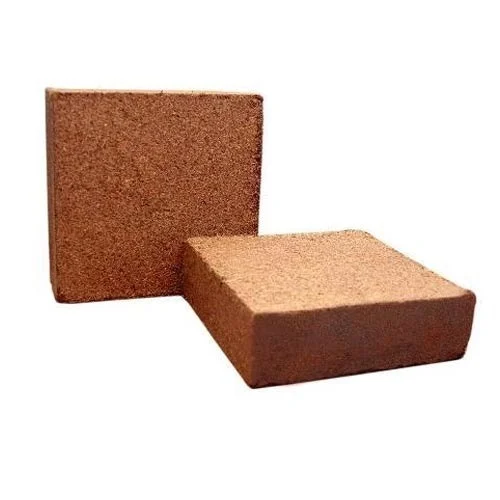
India hosts the supplier Cocotechniker, which currently lists six distinct products across its catalogue. The offering spans various forms of coco peat and coir pith, including bulk peat, compressed peat bricks, grow‑bags and slabs, as well as semi‑husked coconut sourced from the Pollachi region. In the rope and twine segment the catalogue mentions coir yarn and coir rope, while the fibre line covers coir, coco and coconut fibres classified under HS code 5305.00 as natural coconut fibre (Cocos nucifera). These products are grouped under the top categories Coco Peat & Coir Pith, Semi‑husked Coconut, Ropes & Twines, and Coir Fiber.

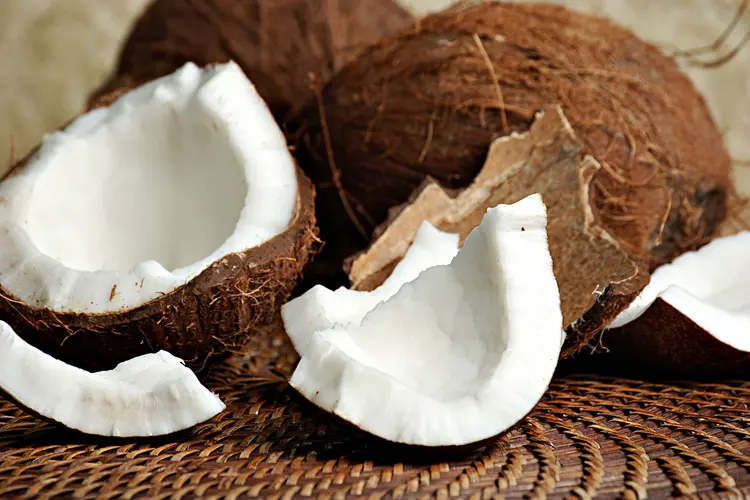
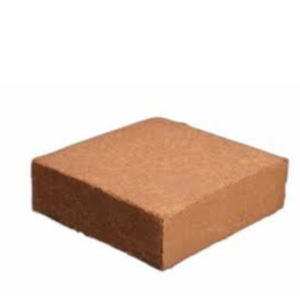
The coco peat items are typically produced by shredding the husk of mature coconuts and compressing the material into bricks or bags for ease of transport. Semi‑husked coconut consists of coconut meat partially removed, retaining a portion of the husk, and is used in horticulture and as a raw material for further fibre extraction. Coir yarn and rope are spun from the same fibre, offering tensile strengths that meet standard horticultural specifications. The fibre product listed with HS 5305.00 is a natural fibre used for matting, erosion control and composite manufacturing. All six products are listed without additional certifications in the supplied data.

Product Range and Specialties of Cocotechniker

Cocotechniker’s catalogue includes bulk coco peat, compressed peat bricks, grow‑bags and slabs, each commonly supplied in 25 kg bags or 1 m³ bricks that fit standard 20‑ft containers. Industry standards for coco peat typically require particle size distribution between 2 mm and 20 mm, moisture content below 12 %, pH between 5.5 and 6.5 and electrical conductivity (EC) under 0.5 dS m⁻¹. Semi‑husked coconut is usually graded by husk removal percentage (70 - 80 % husk retained) and moisture content not exceeding 10 %. Coir yarn and rope are offered in diameters from 2 mm to 10 mm with tensile strength ranging from 50 MPa to 150 MPa, conforming to the specifications cited in ISO 9001‑based coir products. The fibre product under HS 5305.00 is supplied as raw fibre bales, often meeting the ICUMSA‑type grading of 45 - 55 % lignin content for erosion‑control mats.

Typical export packaging for these items includes polypropylene‑lined bags for coco peat, wooden crates for bricks, and woven polypropylene sacks for fibres, all designed to withstand moisture and prevent contamination. Buyers frequently request certification such as a phytosanitary certificate for semi‑husked coconut and a test report confirming tensile strength for coir rope. The coir fibre sector often adheres to the ASTM D 3843 standard for fibre length and the ISO 14001 environmental management system for sustainable harvesting.

Trade and Export Information - Cocotechniker

India is among the world’s largest exporters of coir and coco peat, supplying horticultural markets in Europe, North America, the Middle East and Southeast Asia. HS chapter 12 (1205) covers coconut husk and related products, while HS chapter 53 (5305) specifically addresses natural coconut fibre, both of which are relevant to Cocotechniker’s range. Importers typically require a phytosanitary certificate, a certificate of origin and, where applicable, compliance with the EU’s REACH regulation for organic residues.

Logistically, coco peat bricks and grow‑bags are commonly shipped in 20‑ft or 40‑ft containers with a loading capacity of approximately 22 tonnes per container, while coir fibre bales are packed on pallets to optimise space. Standard Incoterms used by Indian coir exporters include FOB Mumbai and CIF Dubai, allowing buyers to arrange onward transport. Indian exporters often operate under the Ministry of Commerce’s Export Promotion Capital Goods scheme, which supports quality assurance and traceability for agricultural commodities.

Sourcing from Cocotechniker - Buyer Guidance

When sourcing coco peat or peat bricks from Cocotechniker, buyers should request a product data sheet that lists particle size distribution, moisture content, pH and EC values, as well as a recent laboratory test report. For semi‑husked coconut, a phytosanitary certificate and a moisture analysis report are standard documents to verify compliance with import regulations.

For coir yarn, rope and fibre, request tensile strength test results, fibre length distribution (ASTM D 3843) and, if sustainability is a concern, an environmental management certificate such as ISO 14001. Verify that the HS codes on the commercial invoice match the catalogue entries (e.g., 5305.00 for natural coconut fibre) and confirm packaging dimensions to ensure efficient container loading.

Frequently Asked Questions About Cocotechniker

What forms of coco peat does Cocotechniker offer?

The catalogue lists bulk coco peat, compressed peat bricks, grow‑bags and slabs, each suitable for horticultural substrate applications.

Which HS code applies to the coir fibre product?

The coir fibre, coco fibre and coconut fibre are classified under HS code 5305.00 for natural coconut fibre.

What documentation should a buyer request for semi‑husked coconut?

Buyers should ask for a phytosanitary certificate, a moisture content analysis and a certificate of origin to satisfy most import requirements.

Are there standard specifications for coir rope tensile strength?

Coir rope is commonly supplied with tensile strength ranging from 50 MPa to 150 MPa, and buyers should request a test report confirming the specific grade.

How are coco peat products typically packaged for export?

Bulk coco peat is usually packed in 25 kg polypropylene‑lined bags, bricks in wooden crates, and grow‑bags in stacked pallets to fit 20‑ft containers.

Which markets commonly import Indian coir products?

Major importers include the European Union, the United States, the United Arab Emirates and Southeast Asian countries such as Singapore and Malaysia.

What certifications are normally required for coir fibre shipments?

Importers often look for a phytosanitary certificate, ISO 9001 quality management certification and, where applicable, ISO 14001 environmental certification.

What incoterms are typically used for shipments from India?

Indian coir exporters frequently use FOB Mumbai for buyer‑arranged freight or CIF Dubai for delivered cost, insurance and freight.


Featured Products from this Supplier

Other Suppliers in Primary Category

Top Trusted Suppliers

Related Products

Trending in Parent Category

More Suppliers in Category

Related Products

Other Suppliers

EximNext
58.7K+ live requirements
Register Free🎁 Reach verified global buyers
Post Requirement
🌍 Trusted by 224.9K+ businesses in 200+ countries|
58.7K+ active requirements right now
✉️ [email protected]
|
Sell on EximNextPost Requirement
EximNext
AgricultureApparelConstructionElectronicFoodHomeIndustrialMineralsMiscellaneous
🔥 Deals|✨ AI Match|🏭 Suppliers|📋 Buy Leads|💰 Trade Finance
58.7K+ live RFQs·194.8K+ suppliers
🎁 Reach global buyers →
EximNext
EximNext
Register Free
🎁 Reach verified global buyers
Sign In
📋Post Requirement💬Get Quotes✨AI Match📋RFQ Marketplace
All Categories
Services & Tools
🏭Supplier Directory🔥Today's Deals💰Trade Finance
Sell on EximNext →
AboutContactBlogHelp
Industrial & Minerals  ·  India
6
products listed

Cocotechniker

⚓ Harbor
Country flag , India
🛡️
54/100
Trust Score

Cocotechniker Product Catalog

Showing 6 of 6 products
View all products →
Coco Peat / Coco Pith / Coir Peat / Coir Pith
⚓ Harbor
Coco Peat / Coco Pith / Coir Peat / Coir Pith
Contact
MOQ: 1 Unit
Coco Peat / Coco Pith Brick
⚓ Harbor
Coco Peat / Coco Pith Brick
Contact
MOQ: 1 Unit
Coco Peat Grow Bags / Coco Peat Slabs
⚓ Harbor
Coco Peat Grow Bags / Coco Peat Slabs
Contact
MOQ: 1 Unit
Pollachi Semi Husked Coconut
⚓ Harbor
Pollachi Semi Husked Coconut
Contact
MOQ: 1 Unit
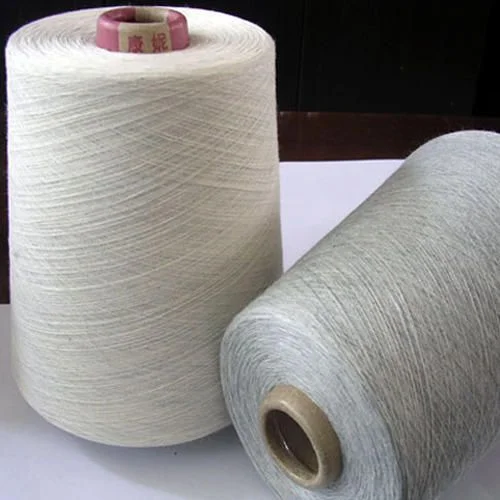
Coir Yarn / Coir Rope
⚓ Harbor
Coir Yarn / Coir Rope
Contact
MOQ: 1 Unit
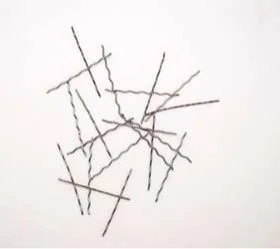
Coir Fibers / Coco Fibers / Coconut Fiber
⚓ Harbor
Coir Fibers / Coco Fibers / Coconut Fiber
Contact
MOQ: 1 Unit

About Cocotechniker - Coco Peat & Coir Pith Supplier in India

India hosts the supplier Cocotechniker, which currently lists six distinct products across its catalogue. The offering spans various forms of coco peat and coir pith, including bulk peat, compressed peat bricks, grow‑bags and slabs, as well as semi‑husked coconut sourced from the Pollachi region. In the rope and twine segment the catalogue mentions coir yarn and coir rope, while the fibre line covers coir, coco and coconut fibres classified under HS code 5305.00 as natural coconut fibre (Cocos nucifera). These products are grouped under the top categories Coco Peat & Coir Pith, Semi‑husked Coconut, Ropes & Twines, and Coir Fiber.

The coco peat items are typically produced by shredding the husk of mature coconuts and compressing the material into bricks or bags for ease of transport. Semi‑husked coconut consists of coconut meat partially removed, retaining a portion of the husk, and is used in horticulture and as a raw material for further fibre extraction. Coir yarn and rope are spun from the same fibre, offering tensile strengths that meet standard horticultural specifications. The fibre product listed with HS 5305.00 is a natural fibre used for matting, erosion control and composite manufacturing. All six products are listed without additional certifications in the supplied data.

Product Range and Specialties of Cocotechniker

Cocotechniker’s catalogue includes bulk coco peat, compressed peat bricks, grow‑bags and slabs, each commonly supplied in 25 kg bags or 1 m³ bricks that fit standard 20‑ft containers. Industry standards for coco peat typically require particle size distribution between 2 mm and 20 mm, moisture content below 12 %, pH between 5.5 and 6.5 and electrical conductivity (EC) under 0.5 dS m⁻¹. Semi‑husked coconut is usually graded by husk removal percentage (70 - 80 % husk retained) and moisture content not exceeding 10 %. Coir yarn and rope are offered in diameters from 2 mm to 10 mm with tensile strength ranging from 50 MPa to 150 MPa, conforming to the specifications cited in ISO 9001‑based coir products. The fibre product under HS 5305.00 is supplied as raw fibre bales, often meeting the ICUMSA‑type grading of 45 - 55 % lignin content for erosion‑control mats.

Typical export packaging for these items includes polypropylene‑lined bags for coco peat, wooden crates for bricks, and woven polypropylene sacks for fibres, all designed to withstand moisture and prevent contamination. Buyers frequently request certification such as a phytosanitary certificate for semi‑husked coconut and a test report confirming tensile strength for coir rope. The coir fibre sector often adheres to the ASTM D 3843 standard for fibre length and the ISO 14001 environmental management system for sustainable harvesting.

Trade and Export Information - Cocotechniker

India is among the world’s largest exporters of coir and coco peat, supplying horticultural markets in Europe, North America, the Middle East and Southeast Asia. HS chapter 12 (1205) covers coconut husk and related products, while HS chapter 53 (5305) specifically addresses natural coconut fibre, both of which are relevant to Cocotechniker’s range. Importers typically require a phytosanitary certificate, a certificate of origin and, where applicable, compliance with the EU’s REACH regulation for organic residues.

Logistically, coco peat bricks and grow‑bags are commonly shipped in 20‑ft or 40‑ft containers with a loading capacity of approximately 22 tonnes per container, while coir fibre bales are packed on pallets to optimise space. Standard Incoterms used by Indian coir exporters include FOB Mumbai and CIF Dubai, allowing buyers to arrange onward transport. Indian exporters often operate under the Ministry of Commerce’s Export Promotion Capital Goods scheme, which supports quality assurance and traceability for agricultural commodities.

Sourcing from Cocotechniker - Buyer Guidance

When sourcing coco peat or peat bricks from Cocotechniker, buyers should request a product data sheet that lists particle size distribution, moisture content, pH and EC values, as well as a recent laboratory test report. For semi‑husked coconut, a phytosanitary certificate and a moisture analysis report are standard documents to verify compliance with import regulations.

For coir yarn, rope and fibre, request tensile strength test results, fibre length distribution (ASTM D 3843) and, if sustainability is a concern, an environmental management certificate such as ISO 14001. Verify that the HS codes on the commercial invoice match the catalogue entries (e.g., 5305.00 for natural coconut fibre) and confirm packaging dimensions to ensure efficient container loading.

Frequently Asked Questions About Cocotechniker

What forms of coco peat does Cocotechniker offer?

The catalogue lists bulk coco peat, compressed peat bricks, grow‑bags and slabs, each suitable for horticultural substrate applications.

Which HS code applies to the coir fibre product?

The coir fibre, coco fibre and coconut fibre are classified under HS code 5305.00 for natural coconut fibre.

What documentation should a buyer request for semi‑husked coconut?

Buyers should ask for a phytosanitary certificate, a moisture content analysis and a certificate of origin to satisfy most import requirements.

Are there standard specifications for coir rope tensile strength?

Coir rope is commonly supplied with tensile strength ranging from 50 MPa to 150 MPa, and buyers should request a test report confirming the specific grade.

How are coco peat products typically packaged for export?

Bulk coco peat is usually packed in 25 kg polypropylene‑lined bags, bricks in wooden crates, and grow‑bags in stacked pallets to fit 20‑ft containers.

Which markets commonly import Indian coir products?

Major importers include the European Union, the United States, the United Arab Emirates and Southeast Asian countries such as Singapore and Malaysia.

What certifications are normally required for coir fibre shipments?

Importers often look for a phytosanitary certificate, ISO 9001 quality management certification and, where applicable, ISO 14001 environmental certification.

What incoterms are typically used for shipments from India?

Indian coir exporters frequently use FOB Mumbai for buyer‑arranged freight or CIF Dubai for delivered cost, insurance and freight.

About Cocotechniker - Coco Peat & Coir Pith Supplier in India

India hosts the supplier Cocotechniker, which currently lists six distinct products across its catalogue. The offering spans various forms of coco peat and coir pith, including bulk peat, compressed peat bricks, grow‑bags and slabs, as well as semi‑husked coconut sourced from the Pollachi region. In the rope and twine segment the catalogue mentions coir yarn and coir rope, while the fibre line covers coir, coco and coconut fibres classified under HS code 5305.00 as natural coconut fibre (Cocos nucifera). These products are grouped under the top categories Coco Peat & Coir Pith, Semi‑husked Coconut, Ropes & Twines, and Coir Fiber.

The coco peat items are typically produced by shredding the husk of mature coconuts and compressing the material into bricks or bags for ease of transport. Semi‑husked coconut consists of coconut meat partially removed, retaining a portion of the husk, and is used in horticulture and as a raw material for further fibre extraction. Coir yarn and rope are spun from the same fibre, offering tensile strengths that meet standard horticultural specifications. The fibre product listed with HS 5305.00 is a natural fibre used for matting, erosion control and composite manufacturing. All six products are listed without additional certifications in the supplied data.

Product Range and Specialties of Cocotechniker

Cocotechniker’s catalogue includes bulk coco peat, compressed peat bricks, grow‑bags and slabs, each commonly supplied in 25 kg bags or 1 m³ bricks that fit standard 20‑ft containers. Industry standards for coco peat typically require particle size distribution between 2 mm and 20 mm, moisture content below 12 %, pH between 5.5 and 6.5 and electrical conductivity (EC) under 0.5 dS m⁻¹. Semi‑husked coconut is usually graded by husk removal percentage (70 - 80 % husk retained) and moisture content not exceeding 10 %. Coir yarn and rope are offered in diameters from 2 mm to 10 mm with tensile strength ranging from 50 MPa to 150 MPa, conforming to the specifications cited in ISO 9001‑based coir products. The fibre product under HS 5305.00 is supplied as raw fibre bales, often meeting the ICUMSA‑type grading of 45 - 55 % lignin content for erosion‑control mats.

Typical export packaging for these items includes polypropylene‑lined bags for coco peat, wooden crates for bricks, and woven polypropylene sacks for fibres, all designed to withstand moisture and prevent contamination. Buyers frequently request certification such as a phytosanitary certificate for semi‑husked coconut and a test report confirming tensile strength for coir rope. The coir fibre sector often adheres to the ASTM D 3843 standard for fibre length and the ISO 14001 environmental management system for sustainable harvesting.

Trade and Export Information - Cocotechniker

India is among the world’s largest exporters of coir and coco peat, supplying horticultural markets in Europe, North America, the Middle East and Southeast Asia. HS chapter 12 (1205) covers coconut husk and related products, while HS chapter 53 (5305) specifically addresses natural coconut fibre, both of which are relevant to Cocotechniker’s range. Importers typically require a phytosanitary certificate, a certificate of origin and, where applicable, compliance with the EU’s REACH regulation for organic residues.

Logistically, coco peat bricks and grow‑bags are commonly shipped in 20‑ft or 40‑ft containers with a loading capacity of approximately 22 tonnes per container, while coir fibre bales are packed on pallets to optimise space. Standard Incoterms used by Indian coir exporters include FOB Mumbai and CIF Dubai, allowing buyers to arrange onward transport. Indian exporters often operate under the Ministry of Commerce’s Export Promotion Capital Goods scheme, which supports quality assurance and traceability for agricultural commodities.

Sourcing from Cocotechniker - Buyer Guidance

When sourcing coco peat or peat bricks from Cocotechniker, buyers should request a product data sheet that lists particle size distribution, moisture content, pH and EC values, as well as a recent laboratory test report. For semi‑husked coconut, a phytosanitary certificate and a moisture analysis report are standard documents to verify compliance with import regulations.

For coir yarn, rope and fibre, request tensile strength test results, fibre length distribution (ASTM D 3843) and, if sustainability is a concern, an environmental management certificate such as ISO 14001. Verify that the HS codes on the commercial invoice match the catalogue entries (e.g., 5305.00 for natural coconut fibre) and confirm packaging dimensions to ensure efficient container loading.

Frequently Asked Questions About Cocotechniker
What forms of coco peat does Cocotechniker offer?
The catalogue lists bulk coco peat, compressed peat bricks, grow‑bags and slabs, each suitable for horticultural substrate applications.
Which HS code applies to the coir fibre product?
The coir fibre, coco fibre and coconut fibre are classified under HS code 5305.00 for natural coconut fibre.
What documentation should a buyer request for semi‑husked coconut?
Buyers should ask for a phytosanitary certificate, a moisture content analysis and a certificate of origin to satisfy most import requirements.
Are there standard specifications for coir rope tensile strength?
Coir rope is commonly supplied with tensile strength ranging from 50 MPa to 150 MPa, and buyers should request a test report confirming the specific grade.
How are coco peat products typically packaged for export?
Bulk coco peat is usually packed in 25 kg polypropylene‑lined bags, bricks in wooden crates, and grow‑bags in stacked pallets to fit 20‑ft containers.
Which markets commonly import Indian coir products?
Major importers include the European Union, the United States, the United Arab Emirates and Southeast Asian countries such as Singapore and Malaysia.
What certifications are normally required for coir fibre shipments?
Importers often look for a phytosanitary certificate, ISO 9001 quality management certification and, where applicable, ISO 14001 environmental certification.
What incoterms are typically used for shipments from India?
Indian coir exporters frequently use FOB Mumbai for buyer‑arranged freight or CIF Dubai for delivered cost, insurance and freight.

Cocotechniker
Country flag India
⚓ HarborIndustrial & Minerals
54/100
Trust Score
6
Products
✓ Free to contact — no commission
✓ Escrow payment available
✓ Verified business identity
Compare more suppliers
Post a requirement — get 10 quotes free
Let verified suppliers compete for your business. Free, fast, no commitment.
EximNext Verified Supplier
Business identity verified
Physical address confirmed
Financial history checked
Certifications authenticated
Trade references validated
Due Diligence
Verify this supplier's real shipping history.
Every shipment, every buyer, every port. Trade data that can't be faked.
Run due diligence →
Discover More

Related Suppliers & Products

Explore similar suppliers, related products and trending categories

Featured Products from this Supplier

Other Suppliers in Primary Category

Top Trusted Suppliers

Related Products

Trending in Parent Category

More Suppliers in Category

Stay ahead in global trade
Weekly market insights & new supplier alerts.
EximNext
Exim Next is a leading global B2B marketplace, connecting over 205,000 verified suppliers and buyers across 200+ countries. As a trusted import export marketplace, it serves as the essential B2B portal for businesses worldwide, empowering them to expand their international reach. With Exim Next, businesses can trade smarter and grow faster.
SECURE PAYMENTS
VISAMastercardPayPalSWIFTL/CEscrow
Follow us
© 2026 EximNext