Coco Labs Global Pvt. Ltd. — Verified Supplier

About Coco Labs Global Pvt. Ltd. - Coco Peat and Coir Product Supplier in Sri Lanka

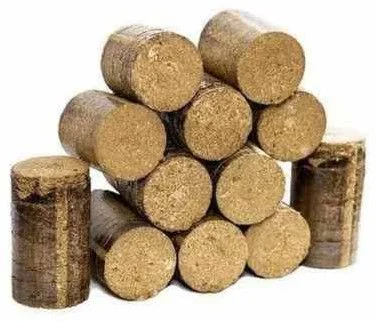
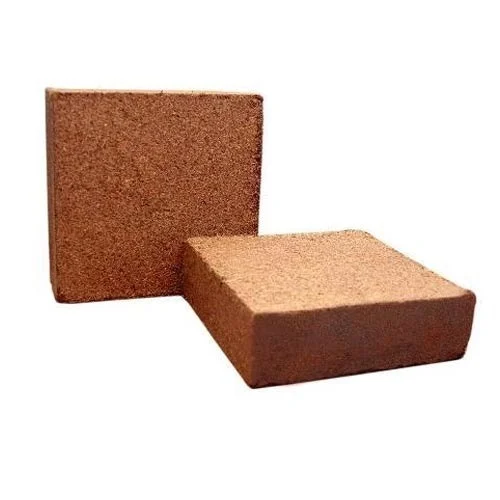
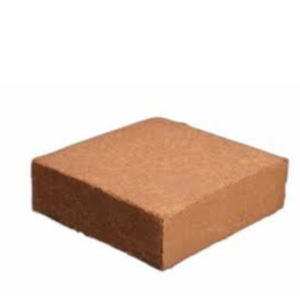
Coco Labs Global Pvt. Ltd. is a Sri Lanka-based exporter listing 10 active products, the majority of which sit within the coco peat and coir substrate family used in horticulture, hydroponics, and nursery cultivation. The catalogue is anchored in compressed and shaped coir formats, including Briquette, Chip Block, Peat Block, Disk, Grow Bags, Open Top Bags, Fiber Pots, Seeding Pellets, and Starter Blocks, with a Weed Mat rounding out the agricultural inputs line. Sri Lanka is one of the world's principal origins for brown and white coir fibre and coir-based growing media, and the product mix listed here reflects the country's established export position in value-added coco peat rather than raw husks. The remaining catalogue items, Flower Pots and Flower Vases as well as Agriculture Bags, indicate a secondary decorative and packaging line alongside the core coir range, giving buyers a consolidated source for both substrate and ancillary horticultural supplies.

The supplier's listing spans the full production chain of coir growing media, from raw compressed blocks and briquettes that buyers rehydrate on-site, through to pre-shaped consumer-ready formats such as seeding pellets, starter blocks, and fiber pots designed for direct transplant. Grow Bags and Open Top Bags are typically sold in 100 cm x 18 cm or similar slab dimensions used in greenhouse vegetable production, while Peat Blocks and Chip Blocks are commonly traded in 5 kg compressed formats with expansion ratios in the 5:1 to 8:1 range once water is added. The inclusion of a Weed Mat alongside these substrate products points to a complete ground-cover and weed-control offering for landscapers and commercial growers. Together, the 10 listed items describe a focused coco peat export programme rather than a diversified general goods operation.

Product Range and Specialties of Coco Labs Global Pvt. Ltd.

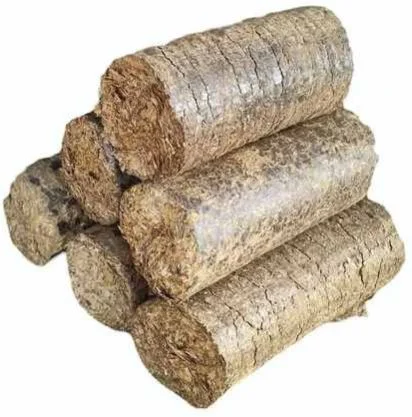
The catalogue covers the principal coir substrate forms that dominate international trade from Sri Lanka. Briquette, Peat Block, and Chip Block are compressed products typically produced at low EC (electrical conductivity, usually below 0.5 mS/cm for hydroponic grade) and pH ranges of 5.5 to 6.8, with chip block variants retaining more fibre structure for orchid and anthurium growers. Disk, Seeding Pellets, and Starter Blocks are small-format propagation products, often supplied in dehydrated discs of 30 mm to 50 mm diameter that expand on watering, used in commercial nurseries for vegetable and ornamental seedling raising. Grow Bags and Open Top Bags are the standard coco slab formats used in protected cultivation of tomatoes, cucumbers, peppers, and strawberries, typically sold in pre-cut sleeves with planting and drainage slits.

Beyond substrates, the catalogue includes Fiber Pots, which are biodegradable plant containers made from pressed coir fibre and valued in the nursery trade as a peat-free alternative, and a Weed Mat, generally a woven or needle-punched coir geotextile used in landscaping and slope stabilisation. Flower Pots and Flower Vases, together with Agriculture Bags, sit outside the core coir substrate range and represent a smaller decorative and packaging line. Across the substrate family, buyers typically evaluate products on EC, pH, moisture content (usually held below 20% for compressed formats), sieve grade (coarse, medium, fine), expansion volume, and the proportion of fibre versus pith, all of which are standard specification parameters for coco peat goods traded under HS code 5305.90 (other coconut fibres) and coir yarn/fabric derivatives.

Trade and Export Information - Coco Labs Global Pvt. Ltd.

Sri Lankan coir exports are well established in the international horticultural supply chain, with the Netherlands, the United States, the United Kingdom, Australia, Japan, and South Korea acting as the principal import markets for coco peat slabs, blocks, and briquettes. Coir-based growing media typically clear customs under HS code 5305 (coconut, abaca, ramie and other vegetable textile fibres), with coir yarn, twine, and woven mats falling under 5308 and coir floor coverings under 5702. Compressed substrate blocks and grow bags are commonly shipped in 20 ft and 40 ft container loads, with palletisation and stretch-wrapping the norm to protect against moisture re-absorption during transit, and FOB Colombo or CIF destination port terms are the most frequently used Incoterms for these cargoes.

Buyers of coco peat and coir substrates in these markets are typically greenhouse vegetable growers, hydroponic farms, ornamental nurseries, mushroom producers, and landscape contractors, all of whom generally require documentation such as a phytosanitary certificate, a certificate of origin, a packing list, and a commercial invoice, and increasingly an independent lab analysis covering EC, pH, moisture, and heavy metals. While organic and peat-free certifications such as OMRI, RHP, and ISO 9001 are commonly requested by buyers in the EU and North America, confirmation of any such certification held by Coco Labs Global Pvt. Ltd. should be requested directly. Sri Lanka's coir export sector is regulated by the Sri Lanka Export Development Board and the Department of Export Agriculture, and shipments are routinely subject to pre-shipment inspection for grade and moisture compliance.

Sourcing from Coco Labs Global Pvt. Ltd. - Buyer Guidance

Buyers sourcing coir substrates from Sri Lanka should request a current laboratory analysis with each shipment, specifying EC (mS/cm at 1:1.5 dilution), pH, moisture content percentage, sieve grade, and expansion ratio, as these parameters directly determine suitability for hydroponic versus soil-mix use. For Grow Bags and Open Top Bags, confirming the slab dimensions, buffer treatment status (whether the coir has been buffered with calcium nitrate to displace sodium and potassium), and the presence of pre-cut planting and drainage holes is essential before order confirmation. Samples of Briquette, Peat Block, and Chip Block should be requested in their compressed form so the buyer can verify rehydration behaviour and fibre-to-pith ratio on arrival. Documentation typically required includes a phytosanitary certificate, certificate of origin, packing list, commercial invoice, and a bill of lading, with independent third-party inspection (for example SGS or Bureau Veritas) recommended for first-time orders.

The inclusion of decorative Flower Pots, Flower Vases, and Agriculture Bags alongside the core coir line means buyers can consolidate a mixed container, but these items sit outside the standard coco peat specification framework and should be evaluated on their own material, dimension, and packaging criteria. Lead times for compressed coir products from Sri Lanka generally run 15 to 30 days from order confirmation depending on production slot and container availability, and minimum order quantities are typically one 20 ft container for substrate blocks and bags. Verifying the supplier's response time to technical enquiries, willingness to share recent lab reports, and ability to provide references from existing import markets are practical signals of export readiness. Any specific quality management or organic-input certifications held by the company should be confirmed in writing before contract finalisation.

Frequently Asked Questions About Coco Labs Global Pvt. Ltd.

What product formats does Coco Labs Global Pvt. Ltd. offer in the coco peat range?

The catalogue lists 10 active products, with the core coir substrate range covering Briquette, Chip Block, Peat Block, Disk, Grow Bags, Open Top Bags, Fiber Pots, Seeding Pellets, and Starter Blocks, plus a Weed Mat for landscaping use. Flower Pots, Flower Vases, and Agriculture Bags form a smaller ancillary line outside the substrate family.

Which HS codes apply to the coir substrate products listed?

Compressed coco peat blocks, briquettes, grow bags, and seeding pellets are typically classified under HS code 5305 (coconut and other vegetable textile fibres), with coir yarn, twine, and woven mats falling under 5308 and coir floor coverings under 5702. Buyers should confirm the exact classification with their customs broker based on the specific product and declared use.

What quality parameters should I request for compressed coir blocks and briquettes?

Request a current laboratory report covering electrical conductivity (EC in mS/cm), pH, moisture content percentage, sieve grade, and expansion ratio after rehydration. For hydroponic-grade material, EC below 0.5 mS/cm and pH between 5.5 and 6.8 are typical benchmarks, and confirmation of buffer treatment is important for slab and grow bag formats.

Which documents are normally required for a coco peat shipment from Sri Lanka?

A phytosanitary certificate, certificate of origin, commercial invoice, packing list, and bill of lading are standard. Buyers in the EU, UK, and North America also commonly request an independent lab analysis and may require third-party pre-shipment inspection by SGS, Bureau Veritas, or an equivalent body.

What are the typical packaging and shipping norms for these products?

Compressed blocks and briquettes are usually stretch-wrapped on pallets and loaded into 20 ft or 40 ft containers, with moisture-controlled packaging to prevent premature rehydration. Grow bags and open top bags are typically packed in cartons or bales on pallets, and FOB Colombo or CIF destination port are the most common Incoterms.

What is the usual minimum order quantity and lead time?

Minimum order quantities for coir substrates from Sri Lanka are typically one 20 ft container, with lead times of 15 to 30 days from order confirmation depending on the production schedule and container availability. Smaller formats such as seeding pellets and fiber pots may be available in lower quantities, but this should be confirmed directly with the supplier.

Which certifications should I ask Coco Labs Global Pvt. Ltd. about?

Buyers in the horticultural and hydroponic sectors commonly request OMRI listing for organic use, RHP certification for growing media quality, and ISO 9001 for quality management. Confirmation of any such certifications held by the company should be requested in writing, along with recent independent lab reports covering EC, pH, and heavy metal content.

Which countries are the main import markets for Sri Lankan coir substrates?

Sri Lankan coco peat and coir products are primarily exported to the Netherlands, the United States, the United Kingdom, Australia, Japan, and South Korea, where they supply greenhouse vegetable growers, hydroponic farms, and ornamental nurseries. Demand is also growing in the Middle East and parts of Africa for landscape and agricultural applications.


Featured Products from this Supplier

Other Suppliers in Primary Category

Top Trusted Suppliers

Related Products

Trending in Parent Category

More Suppliers in Category

Related Products

Other Suppliers

EximNext
58.4K+ live requirements
Register Free🎁 5 free buy-lead credits
Post Requirement
🌍 Trusted by 224.3K+ businesses in 200+ countries|
58.4K+ active requirements right now
✉️ [email protected]
|
Sell on EximNextPost Requirement
EximNext
AgricultureApparelConstructionElectronicFoodHomeIndustrialMineralsMiscellaneous
🔥 Deals|✨ AI Match|🏭 Suppliers|📋 Buy Leads|💰 Trade Finance|⭐ Upgrade
58.4K+ live RFQs·194.4K+ suppliers
🎁 5 free credits →
EximNext
EximNext
Register Free
🎁 5 free buy-lead credits
Sign In
📋Post Requirement💬Get QuotesAI Match📋RFQ Marketplace
All Categories
Services & Tools
🏭Supplier Directory🔥Today's Deals💰Trade FinanceMembership
Sell on EximNext
AboutContactBlogHelp
🏭

Coco Labs Global Pvt. Ltd.

Harbor
Country flag , Sri Lanka
🛡️
55/100
Trust Score

Coco Labs Global Pvt. Ltd. Product Catalog

Showing 10 of 10 products
View all products →
Briquette
Harbor
Briquette
Contact
MOQ: 1 Unit
Chip Block
Harbor
Chip Block
Contact
MOQ: 1 Unit
Disk
Harbor
Disk
Contact
MOQ: 1 Unit
Fiber Pots
Harbor
Fiber Pots
Contact
MOQ: 1 Unit
Grow Bags
Harbor
Grow Bags
Contact
MOQ: 1 Unit
Open Top Bags
Harbor
Open Top Bags
Contact
MOQ: 1 Unit
Peat Block
Harbor
Peat Block
Contact
MOQ: 1 Unit
Seeding Pellets
Harbor
Seeding Pellets
Contact
MOQ: 1 Unit
Starter Blocks
Harbor
Starter Blocks
Contact
MOQ: 1 Unit
Weed Mat
Harbor
Weed Mat
Contact
MOQ: 1 Unit

About Coco Labs Global Pvt. Ltd. - Coco Peat and Coir Product Supplier in Sri Lanka

Coco Labs Global Pvt. Ltd. is a Sri Lanka-based exporter listing 10 active products, the majority of which sit within the coco peat and coir substrate family used in horticulture, hydroponics, and nursery cultivation. The catalogue is anchored in compressed and shaped coir formats, including Briquette, Chip Block, Peat Block, Disk, Grow Bags, Open Top Bags, Fiber Pots, Seeding Pellets, and Starter Blocks, with a Weed Mat rounding out the agricultural inputs line. Sri Lanka is one of the world's principal origins for brown and white coir fibre and coir-based growing media, and the product mix listed here reflects the country's established export position in value-added coco peat rather than raw husks. The remaining catalogue items, Flower Pots and Flower Vases as well as Agriculture Bags, indicate a secondary decorative and packaging line alongside the core coir range, giving buyers a consolidated source for both substrate and ancillary horticultural supplies.

The supplier's listing spans the full production chain of coir growing media, from raw compressed blocks and briquettes that buyers rehydrate on-site, through to pre-shaped consumer-ready formats such as seeding pellets, starter blocks, and fiber pots designed for direct transplant. Grow Bags and Open Top Bags are typically sold in 100 cm x 18 cm or similar slab dimensions used in greenhouse vegetable production, while Peat Blocks and Chip Blocks are commonly traded in 5 kg compressed formats with expansion ratios in the 5:1 to 8:1 range once water is added. The inclusion of a Weed Mat alongside these substrate products points to a complete ground-cover and weed-control offering for landscapers and commercial growers. Together, the 10 listed items describe a focused coco peat export programme rather than a diversified general goods operation.

Product Range and Specialties of Coco Labs Global Pvt. Ltd.

The catalogue covers the principal coir substrate forms that dominate international trade from Sri Lanka. Briquette, Peat Block, and Chip Block are compressed products typically produced at low EC (electrical conductivity, usually below 0.5 mS/cm for hydroponic grade) and pH ranges of 5.5 to 6.8, with chip block variants retaining more fibre structure for orchid and anthurium growers. Disk, Seeding Pellets, and Starter Blocks are small-format propagation products, often supplied in dehydrated discs of 30 mm to 50 mm diameter that expand on watering, used in commercial nurseries for vegetable and ornamental seedling raising. Grow Bags and Open Top Bags are the standard coco slab formats used in protected cultivation of tomatoes, cucumbers, peppers, and strawberries, typically sold in pre-cut sleeves with planting and drainage slits.

Beyond substrates, the catalogue includes Fiber Pots, which are biodegradable plant containers made from pressed coir fibre and valued in the nursery trade as a peat-free alternative, and a Weed Mat, generally a woven or needle-punched coir geotextile used in landscaping and slope stabilisation. Flower Pots and Flower Vases, together with Agriculture Bags, sit outside the core coir substrate range and represent a smaller decorative and packaging line. Across the substrate family, buyers typically evaluate products on EC, pH, moisture content (usually held below 20% for compressed formats), sieve grade (coarse, medium, fine), expansion volume, and the proportion of fibre versus pith, all of which are standard specification parameters for coco peat goods traded under HS code 5305.90 (other coconut fibres) and coir yarn/fabric derivatives.

Trade and Export Information - Coco Labs Global Pvt. Ltd.

Sri Lankan coir exports are well established in the international horticultural supply chain, with the Netherlands, the United States, the United Kingdom, Australia, Japan, and South Korea acting as the principal import markets for coco peat slabs, blocks, and briquettes. Coir-based growing media typically clear customs under HS code 5305 (coconut, abaca, ramie and other vegetable textile fibres), with coir yarn, twine, and woven mats falling under 5308 and coir floor coverings under 5702. Compressed substrate blocks and grow bags are commonly shipped in 20 ft and 40 ft container loads, with palletisation and stretch-wrapping the norm to protect against moisture re-absorption during transit, and FOB Colombo or CIF destination port terms are the most frequently used Incoterms for these cargoes.

Buyers of coco peat and coir substrates in these markets are typically greenhouse vegetable growers, hydroponic farms, ornamental nurseries, mushroom producers, and landscape contractors, all of whom generally require documentation such as a phytosanitary certificate, a certificate of origin, a packing list, and a commercial invoice, and increasingly an independent lab analysis covering EC, pH, moisture, and heavy metals. While organic and peat-free certifications such as OMRI, RHP, and ISO 9001 are commonly requested by buyers in the EU and North America, confirmation of any such certification held by Coco Labs Global Pvt. Ltd. should be requested directly. Sri Lanka's coir export sector is regulated by the Sri Lanka Export Development Board and the Department of Export Agriculture, and shipments are routinely subject to pre-shipment inspection for grade and moisture compliance.

Sourcing from Coco Labs Global Pvt. Ltd. - Buyer Guidance

Buyers sourcing coir substrates from Sri Lanka should request a current laboratory analysis with each shipment, specifying EC (mS/cm at 1:1.5 dilution), pH, moisture content percentage, sieve grade, and expansion ratio, as these parameters directly determine suitability for hydroponic versus soil-mix use. For Grow Bags and Open Top Bags, confirming the slab dimensions, buffer treatment status (whether the coir has been buffered with calcium nitrate to displace sodium and potassium), and the presence of pre-cut planting and drainage holes is essential before order confirmation. Samples of Briquette, Peat Block, and Chip Block should be requested in their compressed form so the buyer can verify rehydration behaviour and fibre-to-pith ratio on arrival. Documentation typically required includes a phytosanitary certificate, certificate of origin, packing list, commercial invoice, and a bill of lading, with independent third-party inspection (for example SGS or Bureau Veritas) recommended for first-time orders.

The inclusion of decorative Flower Pots, Flower Vases, and Agriculture Bags alongside the core coir line means buyers can consolidate a mixed container, but these items sit outside the standard coco peat specification framework and should be evaluated on their own material, dimension, and packaging criteria. Lead times for compressed coir products from Sri Lanka generally run 15 to 30 days from order confirmation depending on production slot and container availability, and minimum order quantities are typically one 20 ft container for substrate blocks and bags. Verifying the supplier's response time to technical enquiries, willingness to share recent lab reports, and ability to provide references from existing import markets are practical signals of export readiness. Any specific quality management or organic-input certifications held by the company should be confirmed in writing before contract finalisation.

Frequently Asked Questions About Coco Labs Global Pvt. Ltd.

What product formats does Coco Labs Global Pvt. Ltd. offer in the coco peat range?

The catalogue lists 10 active products, with the core coir substrate range covering Briquette, Chip Block, Peat Block, Disk, Grow Bags, Open Top Bags, Fiber Pots, Seeding Pellets, and Starter Blocks, plus a Weed Mat for landscaping use. Flower Pots, Flower Vases, and Agriculture Bags form a smaller ancillary line outside the substrate family.

Which HS codes apply to the coir substrate products listed?

Compressed coco peat blocks, briquettes, grow bags, and seeding pellets are typically classified under HS code 5305 (coconut and other vegetable textile fibres), with coir yarn, twine, and woven mats falling under 5308 and coir floor coverings under 5702. Buyers should confirm the exact classification with their customs broker based on the specific product and declared use.

What quality parameters should I request for compressed coir blocks and briquettes?

Request a current laboratory report covering electrical conductivity (EC in mS/cm), pH, moisture content percentage, sieve grade, and expansion ratio after rehydration. For hydroponic-grade material, EC below 0.5 mS/cm and pH between 5.5 and 6.8 are typical benchmarks, and confirmation of buffer treatment is important for slab and grow bag formats.

Which documents are normally required for a coco peat shipment from Sri Lanka?

A phytosanitary certificate, certificate of origin, commercial invoice, packing list, and bill of lading are standard. Buyers in the EU, UK, and North America also commonly request an independent lab analysis and may require third-party pre-shipment inspection by SGS, Bureau Veritas, or an equivalent body.

What are the typical packaging and shipping norms for these products?

Compressed blocks and briquettes are usually stretch-wrapped on pallets and loaded into 20 ft or 40 ft containers, with moisture-controlled packaging to prevent premature rehydration. Grow bags and open top bags are typically packed in cartons or bales on pallets, and FOB Colombo or CIF destination port are the most common Incoterms.

What is the usual minimum order quantity and lead time?

Minimum order quantities for coir substrates from Sri Lanka are typically one 20 ft container, with lead times of 15 to 30 days from order confirmation depending on the production schedule and container availability. Smaller formats such as seeding pellets and fiber pots may be available in lower quantities, but this should be confirmed directly with the supplier.

Which certifications should I ask Coco Labs Global Pvt. Ltd. about?

Buyers in the horticultural and hydroponic sectors commonly request OMRI listing for organic use, RHP certification for growing media quality, and ISO 9001 for quality management. Confirmation of any such certifications held by the company should be requested in writing, along with recent independent lab reports covering EC, pH, and heavy metal content.

Which countries are the main import markets for Sri Lankan coir substrates?

Sri Lankan coco peat and coir products are primarily exported to the Netherlands, the United States, the United Kingdom, Australia, Japan, and South Korea, where they supply greenhouse vegetable growers, hydroponic farms, and ornamental nurseries. Demand is also growing in the Middle East and parts of Africa for landscape and agricultural applications.

About Coco Labs Global Pvt. Ltd. - Coco Peat and Coir Product Supplier in Sri Lanka

Coco Labs Global Pvt. Ltd. is a Sri Lanka-based exporter listing 10 active products, the majority of which sit within the coco peat and coir substrate family used in horticulture, hydroponics, and nursery cultivation. The catalogue is anchored in compressed and shaped coir formats, including Briquette, Chip Block, Peat Block, Disk, Grow Bags, Open Top Bags, Fiber Pots, Seeding Pellets, and Starter Blocks, with a Weed Mat rounding out the agricultural inputs line. Sri Lanka is one of the world's principal origins for brown and white coir fibre and coir-based growing media, and the product mix listed here reflects the country's established export position in value-added coco peat rather than raw husks. The remaining catalogue items, Flower Pots and Flower Vases as well as Agriculture Bags, indicate a secondary decorative and packaging line alongside the core coir range, giving buyers a consolidated source for both substrate and ancillary horticultural supplies.

The supplier's listing spans the full production chain of coir growing media, from raw compressed blocks and briquettes that buyers rehydrate on-site, through to pre-shaped consumer-ready formats such as seeding pellets, starter blocks, and fiber pots designed for direct transplant. Grow Bags and Open Top Bags are typically sold in 100 cm x 18 cm or similar slab dimensions used in greenhouse vegetable production, while Peat Blocks and Chip Blocks are commonly traded in 5 kg compressed formats with expansion ratios in the 5:1 to 8:1 range once water is added. The inclusion of a Weed Mat alongside these substrate products points to a complete ground-cover and weed-control offering for landscapers and commercial growers. Together, the 10 listed items describe a focused coco peat export programme rather than a diversified general goods operation.

Product Range and Specialties of Coco Labs Global Pvt. Ltd.

The catalogue covers the principal coir substrate forms that dominate international trade from Sri Lanka. Briquette, Peat Block, and Chip Block are compressed products typically produced at low EC (electrical conductivity, usually below 0.5 mS/cm for hydroponic grade) and pH ranges of 5.5 to 6.8, with chip block variants retaining more fibre structure for orchid and anthurium growers. Disk, Seeding Pellets, and Starter Blocks are small-format propagation products, often supplied in dehydrated discs of 30 mm to 50 mm diameter that expand on watering, used in commercial nurseries for vegetable and ornamental seedling raising. Grow Bags and Open Top Bags are the standard coco slab formats used in protected cultivation of tomatoes, cucumbers, peppers, and strawberries, typically sold in pre-cut sleeves with planting and drainage slits.

Beyond substrates, the catalogue includes Fiber Pots, which are biodegradable plant containers made from pressed coir fibre and valued in the nursery trade as a peat-free alternative, and a Weed Mat, generally a woven or needle-punched coir geotextile used in landscaping and slope stabilisation. Flower Pots and Flower Vases, together with Agriculture Bags, sit outside the core coir substrate range and represent a smaller decorative and packaging line. Across the substrate family, buyers typically evaluate products on EC, pH, moisture content (usually held below 20% for compressed formats), sieve grade (coarse, medium, fine), expansion volume, and the proportion of fibre versus pith, all of which are standard specification parameters for coco peat goods traded under HS code 5305.90 (other coconut fibres) and coir yarn/fabric derivatives.

Trade and Export Information - Coco Labs Global Pvt. Ltd.

Sri Lankan coir exports are well established in the international horticultural supply chain, with the Netherlands, the United States, the United Kingdom, Australia, Japan, and South Korea acting as the principal import markets for coco peat slabs, blocks, and briquettes. Coir-based growing media typically clear customs under HS code 5305 (coconut, abaca, ramie and other vegetable textile fibres), with coir yarn, twine, and woven mats falling under 5308 and coir floor coverings under 5702. Compressed substrate blocks and grow bags are commonly shipped in 20 ft and 40 ft container loads, with palletisation and stretch-wrapping the norm to protect against moisture re-absorption during transit, and FOB Colombo or CIF destination port terms are the most frequently used Incoterms for these cargoes.

Buyers of coco peat and coir substrates in these markets are typically greenhouse vegetable growers, hydroponic farms, ornamental nurseries, mushroom producers, and landscape contractors, all of whom generally require documentation such as a phytosanitary certificate, a certificate of origin, a packing list, and a commercial invoice, and increasingly an independent lab analysis covering EC, pH, moisture, and heavy metals. While organic and peat-free certifications such as OMRI, RHP, and ISO 9001 are commonly requested by buyers in the EU and North America, confirmation of any such certification held by Coco Labs Global Pvt. Ltd. should be requested directly. Sri Lanka's coir export sector is regulated by the Sri Lanka Export Development Board and the Department of Export Agriculture, and shipments are routinely subject to pre-shipment inspection for grade and moisture compliance.

Sourcing from Coco Labs Global Pvt. Ltd. - Buyer Guidance

Buyers sourcing coir substrates from Sri Lanka should request a current laboratory analysis with each shipment, specifying EC (mS/cm at 1:1.5 dilution), pH, moisture content percentage, sieve grade, and expansion ratio, as these parameters directly determine suitability for hydroponic versus soil-mix use. For Grow Bags and Open Top Bags, confirming the slab dimensions, buffer treatment status (whether the coir has been buffered with calcium nitrate to displace sodium and potassium), and the presence of pre-cut planting and drainage holes is essential before order confirmation. Samples of Briquette, Peat Block, and Chip Block should be requested in their compressed form so the buyer can verify rehydration behaviour and fibre-to-pith ratio on arrival. Documentation typically required includes a phytosanitary certificate, certificate of origin, packing list, commercial invoice, and a bill of lading, with independent third-party inspection (for example SGS or Bureau Veritas) recommended for first-time orders.

The inclusion of decorative Flower Pots, Flower Vases, and Agriculture Bags alongside the core coir line means buyers can consolidate a mixed container, but these items sit outside the standard coco peat specification framework and should be evaluated on their own material, dimension, and packaging criteria. Lead times for compressed coir products from Sri Lanka generally run 15 to 30 days from order confirmation depending on production slot and container availability, and minimum order quantities are typically one 20 ft container for substrate blocks and bags. Verifying the supplier's response time to technical enquiries, willingness to share recent lab reports, and ability to provide references from existing import markets are practical signals of export readiness. Any specific quality management or organic-input certifications held by the company should be confirmed in writing before contract finalisation.

Frequently Asked Questions About Coco Labs Global Pvt. Ltd.
What product formats does Coco Labs Global Pvt. Ltd. offer in the coco peat range?
The catalogue lists 10 active products, with the core coir substrate range covering Briquette, Chip Block, Peat Block, Disk, Grow Bags, Open Top Bags, Fiber Pots, Seeding Pellets, and Starter Blocks, plus a Weed Mat for landscaping use. Flower Pots, Flower Vases, and Agriculture Bags form a smaller ancillary line outside the substrate family.
Which HS codes apply to the coir substrate products listed?
Compressed coco peat blocks, briquettes, grow bags, and seeding pellets are typically classified under HS code 5305 (coconut and other vegetable textile fibres), with coir yarn, twine, and woven mats falling under 5308 and coir floor coverings under 5702. Buyers should confirm the exact classification with their customs broker based on the specific product and declared use.
What quality parameters should I request for compressed coir blocks and briquettes?
Request a current laboratory report covering electrical conductivity (EC in mS/cm), pH, moisture content percentage, sieve grade, and expansion ratio after rehydration. For hydroponic-grade material, EC below 0.5 mS/cm and pH between 5.5 and 6.8 are typical benchmarks, and confirmation of buffer treatment is important for slab and grow bag formats.
Which documents are normally required for a coco peat shipment from Sri Lanka?
A phytosanitary certificate, certificate of origin, commercial invoice, packing list, and bill of lading are standard. Buyers in the EU, UK, and North America also commonly request an independent lab analysis and may require third-party pre-shipment inspection by SGS, Bureau Veritas, or an equivalent body.
What are the typical packaging and shipping norms for these products?
Compressed blocks and briquettes are usually stretch-wrapped on pallets and loaded into 20 ft or 40 ft containers, with moisture-controlled packaging to prevent premature rehydration. Grow bags and open top bags are typically packed in cartons or bales on pallets, and FOB Colombo or CIF destination port are the most common Incoterms.
What is the usual minimum order quantity and lead time?
Minimum order quantities for coir substrates from Sri Lanka are typically one 20 ft container, with lead times of 15 to 30 days from order confirmation depending on the production schedule and container availability. Smaller formats such as seeding pellets and fiber pots may be available in lower quantities, but this should be confirmed directly with the supplier.
Which certifications should I ask Coco Labs Global Pvt. Ltd. about?
Buyers in the horticultural and hydroponic sectors commonly request OMRI listing for organic use, RHP certification for growing media quality, and ISO 9001 for quality management. Confirmation of any such certifications held by the company should be requested in writing, along with recent independent lab reports covering EC, pH, and heavy metal content.
Which countries are the main import markets for Sri Lankan coir substrates?
Sri Lankan coco peat and coir products are primarily exported to the Netherlands, the United States, the United Kingdom, Australia, Japan, and South Korea, where they supply greenhouse vegetable growers, hydroponic farms, and ornamental nurseries. Demand is also growing in the Middle East and parts of Africa for landscape and agricultural applications.

🏭
Coco Labs Global Pvt. Ltd.
Country flag , Sri Lanka

Harbor
55/100
Trust Score
📦
10
Products
Free to contact — no commission
Escrow payment available
Verified business identity
Compare more suppliers
Post a requirement — get 10 quotes free
Let verified suppliers compete for your business. Free, fast, no commitment.
EximNext Verified Supplier
Business identity verified
Physical address confirmed
Financial history checked
Certifications authenticated
Trade references validated
Due Diligence
Verify this supplier's real shipping history.
Every shipment, every buyer, every port. Trade data that can't be faked.
Run due diligence →
Discover More

Related Suppliers & Products

Explore similar suppliers, related products and trending categories

Featured Products from this Supplier

Other Suppliers in Primary Category

Top Trusted Suppliers

Related Products

Trending in Parent Category

More Suppliers in Category

Stay ahead in global trade
Weekly market insights & new supplier alerts.
EximNext
Exim Next is a leading global B2B marketplace, connecting over 205,000 verified suppliers and buyers across 200+ countries. As a trusted import export marketplace, it serves as the essential B2B portal for businesses worldwide, empowering them to expand their international reach. With Exim Next, businesses can trade smarter and grow faster.
SECURE PAYMENTS
VISAMastercardPayPalSWIFTL/CEscrow
Follow us
© 2026 EximNext