Coastal Exim — Verified Supplier

About Coastal Exim - Fresh Vegetables Supplier in India

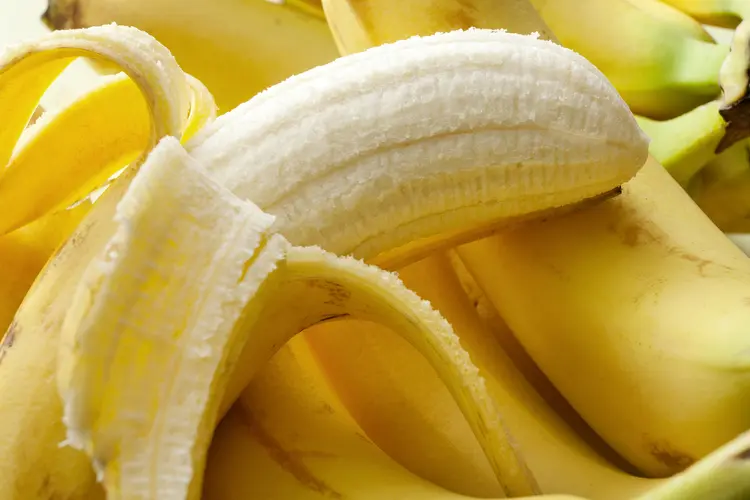
India, with an active catalogue of 19 fresh produce items, supplies a range of horticultural products through Coastal Exim. The supplier's listing includes fresh green chilli, fresh eggplant, fresh cucumber, fresh lady's finger, fresh ash gourd, fresh elephant foot yam, fresh papaya, fresh Thai guava, fresh pumpkin, fresh gherkins, fresh ridge gourd, fresh drumstick, fresh lemon, semi husked coconut, fresh bottle gourd, fresh bitter gourd, fresh red chilli, fresh snake gourd, and fresh raw banana. These items fall under HS chapter 07 for edible vegetables and HS chapter 08 for certain fruits such as papaya and guava. The catalogue covers both leafy and fruiting vegetables typical of Indian agribusiness. All products are presented as fresh, unprocessed commodities ready for export.

The product mix reflects common Indian horticultural output, focusing on chillies, gourds, cucurbitaceae, and tropical fruits. The supplier does not specify packaging dimensions, but the items are generally harvested, packed in ventilated cartons, and shipped in refrigerated containers. The active product count of 19 indicates a diversified but focused portfolio within the fresh vegetable segment. No additional processing or value‑added steps are mentioned in the provided facts.

Product Range and Specialties of Coastal Exim

Coastal Exim’s catalogue lists nineteen specific fresh items, ranging from green chilli, eggplant and cucumber to less common varieties such as ash gourd, elephant foot yam and snake gourd. In Indian export practice, chillies are graded by colour, size and moisture content, with Grade A typically showing a uniform green colour, length of 5‑8 cm and moisture below 10 %. Eggplant (brinjal) is sorted by weight (250‑350 g) and smooth skin, while cucumbers are often classified as 12‑15 cm in length with a firmness that resists bruising. Fruits such as papaya and Thai guava are usually sized 500‑800 g and 150‑200 g respectively, with a Brix level of 10‑12 for papaya and 8‑10 for guava.

Industry standards for these categories generally require packaging in corrugated cartons of 20‑30 kg per box, with inner liners of polyethylene to maintain humidity. A 20‑ft refrigerated container can accommodate approximately 12‑14 metric tonnes of mixed vegetables, while a 40‑ft container can hold up to 26‑28 tonnes, depending on product density. Exporters normally apply a pre‑cooling step to bring product temperature to 4‑6 °C before loading, and they label each carton with batch number, origin, and HS‑code family for customs clearance.

Trade and Export Information - Coastal Exim

India is a major exporter of fresh vegetables to the European Union, the Middle East, GCC states and Southeast Asian markets. HS chapter 07 (e.g., 0709 for fresh or chilled peppers, 0705 for cucumbers and gherkins) and HS chapter 08 (e.g., 0805 for fresh papaya) are routinely used for customs classification of the items listed by Coastal Exim. Buyers typically request compliance with GlobalGAP, a phytosanitary certificate issued by the Indian Plant Quarantine, and where applicable, ISO 22000 or FSSAI certification for food safety. Export logistics favour CIF or FOB terms, with refrigerated sea freight being the standard mode for maintaining product quality during transit.

Typical Indian export shipments of fresh vegetables use insulated pallets, moisture‑absorbing liners and temperature‑controlled containers (often 20 °C for leafy items and 4 °C for chillies and gourds). Inspection agencies such as SGS or Bureau Veritas may be engaged for pre‑shipment sampling and residue testing. Seasonal peaks occur from October to March for chillies and from March to June for gourds, influencing container availability and lead times.

Sourcing from Coastal Exim - Buyer Guidance

Prospective buyers should request a recent phytosanitary certificate, the latest GlobalGAP audit report and a product specification sheet that lists size, weight, moisture content and permissible pesticide residue limits (usually below the EU maximum residue levels). Samples are normally supplied in a sealed carton with a temperature log, allowing verification of colour, firmness and absence of spoilage before a full order is placed.

Before confirming an order, buyers are advised to verify the HS code declared for each product, confirm that the supplier can meet the required container load (e.g., 12 tonnes per 20‑ft container) and ensure that the packaging meets the buyer’s market regulations, such as EU‑approved cardboard strength and labelling in English. Requesting a third‑party lab report on pesticide residues and microbial load (e.g., total plate count <10⁴ CFU/g) helps assess compliance with import standards.

Frequently Asked Questions About Coastal Exim

What fresh vegetable items does Coastal Exim list for export?

The supplier lists nineteen items, including green chilli, eggplant, cucumber, lady's finger, ash gourd, elephant foot yam, papaya, Thai guava, pumpkin, gherkins, ridge gourd, drumstick, lemon, semi husked coconut, bottle gourd, bitter gourd, red chilli, snake gourd and raw banana.

Which HS‑code chapters cover the products offered by Coastal Exim?

The vegetables fall under HS chapter 07 (e.g., 0709 for chillies, 0705 for cucumbers) and the fruits such as papaya and guava are classified under HS chapter 08 (e.g., 0805).

What certifications are typically required for importing these Indian fresh produce items?

Importers usually require a phytosanitary certificate, GlobalGAP audit compliance and, where the buyer demands, ISO 22000 or FSSAI food‑safety certification.

What are the common packaging specifications for these fresh vegetables?

Products are commonly packed in ventilated corrugated cartons of 20‑30 kg, with inner polyethylene liners, stacked on insulated pallets and loaded into refrigerated containers set at 4‑6 °C for chillies and gourds.

What is the typical minimum order quantity (MOQ) and container loading for these goods?

A standard 20‑ft refrigerated container can hold roughly 12‑14 metric tonnes of mixed vegetables, which translates to about 400‑500 kg per product type as a practical MOQ for many buyers.

How long does lead time usually take from order confirmation to shipment?

Lead time depends on season but generally ranges from 10 to 21 days for pre‑cooling, packaging and container booking, with longer times during peak harvest periods.

What documentation should a buyer request before finalising a purchase?

Buyers should ask for the phytosanitary certificate, GlobalGAP audit report, product specification sheet (size, weight, moisture), HS‑code declaration and, if required, a third‑party lab test report for pesticide residues.

Which regions are the main import markets for Indian fresh vegetables?

The European Union, the United Arab Emirates, Saudi Arabia and other GCC countries, as well as Southeast Asian nations such as Singapore and Malaysia, are the primary destinations for these products.


Featured Products from this Supplier

Other Suppliers in Primary Category

Related Products

Trending in Parent Category

More Suppliers in Category

Related Products

Other Suppliers

EximNext
58.5K+ live requirements
Register Free🎁 Reach verified global buyers
Post Requirement
🌍 Trusted by 224.6K+ businesses in 200+ countries|
58.5K+ active requirements right now
✉️ [email protected]
|
Sell on EximNextPost Requirement
EximNext
AgricultureApparelConstructionElectronicFoodHomeIndustrialMineralsMiscellaneous
🔥 Deals|✨ AI Match|🏭 Suppliers|📋 Buy Leads|💰 Trade Finance
58.5K+ live RFQs·194.6K+ suppliers
🎁 Reach global buyers →
EximNext
EximNext
Register Free
🎁 Reach verified global buyers
Sign In
📋Post Requirement💬Get QuotesAI Match📋RFQ Marketplace
All Categories
Services & Tools
🏭Supplier Directory🔥Today's Deals💰Trade Finance
Sell on EximNext
AboutContactBlogHelp
🏭

Coastal Exim

Harbor
Country flag , India
🛡️
77/100
Trust Score

Coastal Exim Product Catalog

Showing 12 of 19 products
View all products →
Fresh Raw Banana
Harbor
Fresh Raw Banana
Contact
MOQ: 1 Unit
Fresh Snake Gourd
Harbor
Fresh Snake Gourd
Contact
MOQ: 1 Unit
Fresh Red Chilli
Harbor
Fresh Red Chilli
Contact
MOQ: 1 Unit
Fresh Bitter Gourd
Harbor
Fresh Bitter Gourd
Contact
MOQ: 1 Unit
Fresh Bottle Gourd
Harbor
Fresh Bottle Gourd
Contact
MOQ: 1 Unit
Semi Husked Coconut
Harbor
Semi Husked Coconut
Contact
MOQ: 1 Unit
Fresh Lemon
Harbor
Fresh Lemon
Contact
MOQ: 1 Unit
Fresh Drumstick
Harbor
Fresh Drumstick
Contact
MOQ: 1 Unit
Fresh Ridge Gourd
Harbor
Fresh Ridge Gourd
Contact
MOQ: 1 Unit
Fresh Gherkins
Harbor
Fresh Gherkins
Contact
MOQ: 1 Unit
Fresh Pumpkin
Harbor
Fresh Pumpkin
Contact
MOQ: 1 Unit
Fresh Green Chilli
Harbor
Fresh Green Chilli
Contact
MOQ: 1 Unit

About Coastal Exim - Fresh Vegetables Supplier in India

India, with an active catalogue of 19 fresh produce items, supplies a range of horticultural products through Coastal Exim. The supplier's listing includes fresh green chilli, fresh eggplant, fresh cucumber, fresh lady's finger, fresh ash gourd, fresh elephant foot yam, fresh papaya, fresh Thai guava, fresh pumpkin, fresh gherkins, fresh ridge gourd, fresh drumstick, fresh lemon, semi husked coconut, fresh bottle gourd, fresh bitter gourd, fresh red chilli, fresh snake gourd, and fresh raw banana. These items fall under HS chapter 07 for edible vegetables and HS chapter 08 for certain fruits such as papaya and guava. The catalogue covers both leafy and fruiting vegetables typical of Indian agribusiness. All products are presented as fresh, unprocessed commodities ready for export.

The product mix reflects common Indian horticultural output, focusing on chillies, gourds, cucurbitaceae, and tropical fruits. The supplier does not specify packaging dimensions, but the items are generally harvested, packed in ventilated cartons, and shipped in refrigerated containers. The active product count of 19 indicates a diversified but focused portfolio within the fresh vegetable segment. No additional processing or value‑added steps are mentioned in the provided facts.

Product Range and Specialties of Coastal Exim

Coastal Exim’s catalogue lists nineteen specific fresh items, ranging from green chilli, eggplant and cucumber to less common varieties such as ash gourd, elephant foot yam and snake gourd. In Indian export practice, chillies are graded by colour, size and moisture content, with Grade A typically showing a uniform green colour, length of 5‑8 cm and moisture below 10 %. Eggplant (brinjal) is sorted by weight (250‑350 g) and smooth skin, while cucumbers are often classified as 12‑15 cm in length with a firmness that resists bruising. Fruits such as papaya and Thai guava are usually sized 500‑800 g and 150‑200 g respectively, with a Brix level of 10‑12 for papaya and 8‑10 for guava.

Industry standards for these categories generally require packaging in corrugated cartons of 20‑30 kg per box, with inner liners of polyethylene to maintain humidity. A 20‑ft refrigerated container can accommodate approximately 12‑14 metric tonnes of mixed vegetables, while a 40‑ft container can hold up to 26‑28 tonnes, depending on product density. Exporters normally apply a pre‑cooling step to bring product temperature to 4‑6 °C before loading, and they label each carton with batch number, origin, and HS‑code family for customs clearance.

Trade and Export Information - Coastal Exim

India is a major exporter of fresh vegetables to the European Union, the Middle East, GCC states and Southeast Asian markets. HS chapter 07 (e.g., 0709 for fresh or chilled peppers, 0705 for cucumbers and gherkins) and HS chapter 08 (e.g., 0805 for fresh papaya) are routinely used for customs classification of the items listed by Coastal Exim. Buyers typically request compliance with GlobalGAP, a phytosanitary certificate issued by the Indian Plant Quarantine, and where applicable, ISO 22000 or FSSAI certification for food safety. Export logistics favour CIF or FOB terms, with refrigerated sea freight being the standard mode for maintaining product quality during transit.

Typical Indian export shipments of fresh vegetables use insulated pallets, moisture‑absorbing liners and temperature‑controlled containers (often 20 °C for leafy items and 4 °C for chillies and gourds). Inspection agencies such as SGS or Bureau Veritas may be engaged for pre‑shipment sampling and residue testing. Seasonal peaks occur from October to March for chillies and from March to June for gourds, influencing container availability and lead times.

Sourcing from Coastal Exim - Buyer Guidance

Prospective buyers should request a recent phytosanitary certificate, the latest GlobalGAP audit report and a product specification sheet that lists size, weight, moisture content and permissible pesticide residue limits (usually below the EU maximum residue levels). Samples are normally supplied in a sealed carton with a temperature log, allowing verification of colour, firmness and absence of spoilage before a full order is placed.

Before confirming an order, buyers are advised to verify the HS code declared for each product, confirm that the supplier can meet the required container load (e.g., 12 tonnes per 20‑ft container) and ensure that the packaging meets the buyer’s market regulations, such as EU‑approved cardboard strength and labelling in English. Requesting a third‑party lab report on pesticide residues and microbial load (e.g., total plate count <10⁴ CFU/g) helps assess compliance with import standards.

Frequently Asked Questions About Coastal Exim

What fresh vegetable items does Coastal Exim list for export?

The supplier lists nineteen items, including green chilli, eggplant, cucumber, lady's finger, ash gourd, elephant foot yam, papaya, Thai guava, pumpkin, gherkins, ridge gourd, drumstick, lemon, semi husked coconut, bottle gourd, bitter gourd, red chilli, snake gourd and raw banana.

Which HS‑code chapters cover the products offered by Coastal Exim?

The vegetables fall under HS chapter 07 (e.g., 0709 for chillies, 0705 for cucumbers) and the fruits such as papaya and guava are classified under HS chapter 08 (e.g., 0805).

What certifications are typically required for importing these Indian fresh produce items?

Importers usually require a phytosanitary certificate, GlobalGAP audit compliance and, where the buyer demands, ISO 22000 or FSSAI food‑safety certification.

What are the common packaging specifications for these fresh vegetables?

Products are commonly packed in ventilated corrugated cartons of 20‑30 kg, with inner polyethylene liners, stacked on insulated pallets and loaded into refrigerated containers set at 4‑6 °C for chillies and gourds.

What is the typical minimum order quantity (MOQ) and container loading for these goods?

A standard 20‑ft refrigerated container can hold roughly 12‑14 metric tonnes of mixed vegetables, which translates to about 400‑500 kg per product type as a practical MOQ for many buyers.

How long does lead time usually take from order confirmation to shipment?

Lead time depends on season but generally ranges from 10 to 21 days for pre‑cooling, packaging and container booking, with longer times during peak harvest periods.

What documentation should a buyer request before finalising a purchase?

Buyers should ask for the phytosanitary certificate, GlobalGAP audit report, product specification sheet (size, weight, moisture), HS‑code declaration and, if required, a third‑party lab test report for pesticide residues.

Which regions are the main import markets for Indian fresh vegetables?

The European Union, the United Arab Emirates, Saudi Arabia and other GCC countries, as well as Southeast Asian nations such as Singapore and Malaysia, are the primary destinations for these products.

About Coastal Exim - Fresh Vegetables Supplier in India

India, with an active catalogue of 19 fresh produce items, supplies a range of horticultural products through Coastal Exim. The supplier's listing includes fresh green chilli, fresh eggplant, fresh cucumber, fresh lady's finger, fresh ash gourd, fresh elephant foot yam, fresh papaya, fresh Thai guava, fresh pumpkin, fresh gherkins, fresh ridge gourd, fresh drumstick, fresh lemon, semi husked coconut, fresh bottle gourd, fresh bitter gourd, fresh red chilli, fresh snake gourd, and fresh raw banana. These items fall under HS chapter 07 for edible vegetables and HS chapter 08 for certain fruits such as papaya and guava. The catalogue covers both leafy and fruiting vegetables typical of Indian agribusiness. All products are presented as fresh, unprocessed commodities ready for export.

The product mix reflects common Indian horticultural output, focusing on chillies, gourds, cucurbitaceae, and tropical fruits. The supplier does not specify packaging dimensions, but the items are generally harvested, packed in ventilated cartons, and shipped in refrigerated containers. The active product count of 19 indicates a diversified but focused portfolio within the fresh vegetable segment. No additional processing or value‑added steps are mentioned in the provided facts.

Product Range and Specialties of Coastal Exim

Coastal Exim’s catalogue lists nineteen specific fresh items, ranging from green chilli, eggplant and cucumber to less common varieties such as ash gourd, elephant foot yam and snake gourd. In Indian export practice, chillies are graded by colour, size and moisture content, with Grade A typically showing a uniform green colour, length of 5‑8 cm and moisture below 10 %. Eggplant (brinjal) is sorted by weight (250‑350 g) and smooth skin, while cucumbers are often classified as 12‑15 cm in length with a firmness that resists bruising. Fruits such as papaya and Thai guava are usually sized 500‑800 g and 150‑200 g respectively, with a Brix level of 10‑12 for papaya and 8‑10 for guava.

Industry standards for these categories generally require packaging in corrugated cartons of 20‑30 kg per box, with inner liners of polyethylene to maintain humidity. A 20‑ft refrigerated container can accommodate approximately 12‑14 metric tonnes of mixed vegetables, while a 40‑ft container can hold up to 26‑28 tonnes, depending on product density. Exporters normally apply a pre‑cooling step to bring product temperature to 4‑6 °C before loading, and they label each carton with batch number, origin, and HS‑code family for customs clearance.

Trade and Export Information - Coastal Exim

India is a major exporter of fresh vegetables to the European Union, the Middle East, GCC states and Southeast Asian markets. HS chapter 07 (e.g., 0709 for fresh or chilled peppers, 0705 for cucumbers and gherkins) and HS chapter 08 (e.g., 0805 for fresh papaya) are routinely used for customs classification of the items listed by Coastal Exim. Buyers typically request compliance with GlobalGAP, a phytosanitary certificate issued by the Indian Plant Quarantine, and where applicable, ISO 22000 or FSSAI certification for food safety. Export logistics favour CIF or FOB terms, with refrigerated sea freight being the standard mode for maintaining product quality during transit.

Typical Indian export shipments of fresh vegetables use insulated pallets, moisture‑absorbing liners and temperature‑controlled containers (often 20 °C for leafy items and 4 °C for chillies and gourds). Inspection agencies such as SGS or Bureau Veritas may be engaged for pre‑shipment sampling and residue testing. Seasonal peaks occur from October to March for chillies and from March to June for gourds, influencing container availability and lead times.

Sourcing from Coastal Exim - Buyer Guidance

Prospective buyers should request a recent phytosanitary certificate, the latest GlobalGAP audit report and a product specification sheet that lists size, weight, moisture content and permissible pesticide residue limits (usually below the EU maximum residue levels). Samples are normally supplied in a sealed carton with a temperature log, allowing verification of colour, firmness and absence of spoilage before a full order is placed.

Before confirming an order, buyers are advised to verify the HS code declared for each product, confirm that the supplier can meet the required container load (e.g., 12 tonnes per 20‑ft container) and ensure that the packaging meets the buyer’s market regulations, such as EU‑approved cardboard strength and labelling in English. Requesting a third‑party lab report on pesticide residues and microbial load (e.g., total plate count <10⁴ CFU/g) helps assess compliance with import standards.

Frequently Asked Questions About Coastal Exim
What fresh vegetable items does Coastal Exim list for export?
The supplier lists nineteen items, including green chilli, eggplant, cucumber, lady's finger, ash gourd, elephant foot yam, papaya, Thai guava, pumpkin, gherkins, ridge gourd, drumstick, lemon, semi husked coconut, bottle gourd, bitter gourd, red chilli, snake gourd and raw banana.
Which HS‑code chapters cover the products offered by Coastal Exim?
The vegetables fall under HS chapter 07 (e.g., 0709 for chillies, 0705 for cucumbers) and the fruits such as papaya and guava are classified under HS chapter 08 (e.g., 0805).
What certifications are typically required for importing these Indian fresh produce items?
Importers usually require a phytosanitary certificate, GlobalGAP audit compliance and, where the buyer demands, ISO 22000 or FSSAI food‑safety certification.
What are the common packaging specifications for these fresh vegetables?
Products are commonly packed in ventilated corrugated cartons of 20‑30 kg, with inner polyethylene liners, stacked on insulated pallets and loaded into refrigerated containers set at 4‑6 °C for chillies and gourds.
What is the typical minimum order quantity (MOQ) and container loading for these goods?
A standard 20‑ft refrigerated container can hold roughly 12‑14 metric tonnes of mixed vegetables, which translates to about 400‑500 kg per product type as a practical MOQ for many buyers.
How long does lead time usually take from order confirmation to shipment?
Lead time depends on season but generally ranges from 10 to 21 days for pre‑cooling, packaging and container booking, with longer times during peak harvest periods.
What documentation should a buyer request before finalising a purchase?
Buyers should ask for the phytosanitary certificate, GlobalGAP audit report, product specification sheet (size, weight, moisture), HS‑code declaration and, if required, a third‑party lab test report for pesticide residues.
Which regions are the main import markets for Indian fresh vegetables?
The European Union, the United Arab Emirates, Saudi Arabia and other GCC countries, as well as Southeast Asian nations such as Singapore and Malaysia, are the primary destinations for these products.

🏭
Coastal Exim
Country flag , India
Harbor
77/100
Trust Score
📦
19
Products
Free to contact — no commission
Escrow payment available
Verified business identity
Compare more suppliers
Post a requirement — get 10 quotes free
Let verified suppliers compete for your business. Free, fast, no commitment.
EximNext Verified Supplier
Business identity verified
Physical address confirmed
Financial history checked
Certifications authenticated
Trade references validated
Due Diligence
Verify this supplier's real shipping history.
Every shipment, every buyer, every port. Trade data that can't be faked.
Run due diligence →
Discover More

Related Suppliers & Products

Explore similar suppliers, related products and trending categories

Featured Products from this Supplier

Other Suppliers in Primary Category

Related Products

Trending in Parent Category

More Suppliers in Category

Stay ahead in global trade
Weekly market insights & new supplier alerts.
EximNext
Exim Next is a leading global B2B marketplace, connecting over 205,000 verified suppliers and buyers across 200+ countries. As a trusted import export marketplace, it serves as the essential B2B portal for businesses worldwide, empowering them to expand their international reach. With Exim Next, businesses can trade smarter and grow faster.
SECURE PAYMENTS
VISAMastercardPayPalSWIFTL/CEscrow
Follow us
© 2026 EximNext