Chansheng Magnetoelectric Machinery Co., Ltd. — Verified Supplier
About Chansheng Magnetoelectric Machinery Co., Ltd. - Industrial Machinery Supplier in China
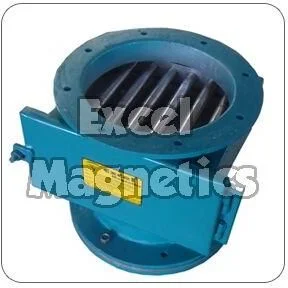
China hosts Chansheng Magnetoelectric Machinery Co., Ltd., which lists 26 active products across industrial machinery, metal‑working machinery, magnets and magnetic products, light and medium machinery, and machined components. The catalogue is organized under HS‑code families such as 8474.10 for magnetic separators, 8505.90 for electric lifting magnets, 8505.11 for permanent‑magnet rods, and 9024.90 for metal detectors, reflecting the core product groups the company offers.
The product list includes a Magnetic Iron Separator (HS 8474.10, carbon‑steel housing, NdFeB magnets, rubber belt), several electromagnetic separators (dry, air‑cooled, oil‑cold, etc.) and a range of permanent‑magnet rollers and rods (HS 8474.10 and HS 8505.11, using NdFeB grades N35‑N52 or ferrite). Additional items are the Mw5 Series Electric Lifting Magnet (HS 8505.90, steel housing with copper coil), armoured self‑cleaning permanent separators (HS 8479.89), and a Metal Detector for powder or granular material (HS 9024.90, carbon‑steel housing with electronic sensors).
Product Range and Specialties of Chansheng Magnetoelectric Machinery Co., Ltd.
The catalogue covers magnetic separation equipment such as dry and wet electromagnetic separators, self‑cleaning iron separators, and permanent‑magnet rollers for belt or pipe systems. In the industry, electromagnetic separators are commonly specified with a magnetic field strength of 0.5 - 1.5 Tesla and belt widths from 300 mm to 1500 mm, while permanent‑magnet rollers often use NdFeB grades N35 to N52 delivering surface flux densities of 1.0 - 1.4 Tesla. Typical specifications for electric lifting magnets include a rated lifting capacity of 500 kg to 5 t and a coil voltage of 220 V or 380 V, classified under HS 8505.90.
Magnetic rods and bars supplied under HS 8505.11 are usually sintered NdFeB components with tolerances of ±0.1 mm in diameter and a coercivity of 900 - 1200 kA/m. Metal detectors for powders (HS 9024.90) are generally calibrated to detect ferrous contaminants down to 0.1 % by weight, with a detection depth of 5‑10 mm in bulk material. The product suite therefore spans the key hardware needed for mineral processing, recycling, and bulk material handling lines.
Trade and Export Information - Chansheng Magnetoelectric Machinery Co., Ltd.
Chinese manufacturers of magnetic separation and lifting equipment typically ship to Europe, North America, the Middle East and Southeast Asia, where the mining, recycling and bulk‑material industries import such machinery. HS 8474.10 items are classified under Chapter 84 (nuclear reactors, boilers, machinery) and often require CE marking for the EU and ISO 9001 quality‑management certification for international buyers. HS 8505.90 and HS 8505.11 fall under Chapter 85 (electrical machinery) and are frequently inspected for RoHS compliance and safety standards such as IEC 60204‑1. Metal detectors (HS 9024.90) are subject to customs checks for electronic equipment and may need FCC or CE test reports depending on the destination.
Export logistics from China usually involve 20‑ft or 40‑ft containers with steel‑framed pallets, wooden crates or bulk‑bag packaging for larger rollers. Common Incoterms are FOB Shanghai or CIF Rotterdam, with buyers arranging inland transport. Chinese exporters often provide pre‑shipment inspection reports (e.g., SGS, Bureau Veritas) to satisfy buyer‑side quality assurance.
Sourcing from Chansheng Magnetoelectric Machinery Co., Ltd. - Buyer Guidance
When sourcing magnetic separators from Chansheng, request the magnetic field strength, belt width, and material grade data sheets, as well as a test report confirming separation efficiency for the intended particle size range (e.g., 0.5 mm to 5 mm). For permanent‑magnet rollers and rods, ask for the NdFeB grade certificate, coercivity values and dimensional inspection reports; ISO 9001 and CE conformity declarations are standard documents to verify. The metal detector should be accompanied by a functional test report showing detection limits for ferrous particles and compliance with IEC 61340‑5‑1 or equivalent standards.
Before confirming an order, verify the HS‑code declaration matches the product description, confirm the packaging dimensions (e.g., 1 m × 0.8 m × 0.6 m for a roller unit) and request a pre‑shipment inspection certificate. Lead times for electromagnetic separators are typically 30‑45 days from order receipt, while permanent‑magnet rollers may require 20‑35 days depending on magnet grade availability.
Frequently Asked Questions About Chansheng Magnetoelectric Machinery Co., Ltd.
What HS codes are used for Chansheng's magnetic separators?
The magnetic iron separators and permanent‑magnet rollers are classified under HS 8474.10, while the electric lifting magnet falls under HS 8505.90 and the permanent‑magnet rods under HS 8505.11. The metal detector is listed under HS 9024.90.
Which magnetic material grades are offered for permanent magnets?
The catalogue specifies NdFeB grades ranging from N35 to N52 and ferrite magnets. These grades determine the maximum energy product (BHmax) and are standard across the industry for high‑performance magnetic devices.
What certifications should a buyer request for these machines?
Typical certifications include ISO 9001 quality‑management, CE marking for EU markets, RoHS compliance for electrical items, and IEC safety standards such as IEC 60204‑1 for lifting magnets. Buyers should request the relevant certificates before purchase.
How are the separators packaged for export?
Separators are usually crated in wooden pallets with protective foam inserts, or loaded on steel‑framed pallets for larger rollers. Shipping is done in 20‑ft or 40‑ft containers, with dimensions and weight declared according to the HS code.
What are the common buyer specifications for electromagnetic separators?
Buyers often specify a magnetic field strength of 0.5‑1.5 Tesla, belt widths between 300 mm and 1500 mm, and a corrosion‑resistant carbon‑steel housing. Performance data such as iron removal efficiency (>95 % for particles >2 mm) are also requested.
What documentation is needed for the metal detector?
A functional test report showing detection limits (e.g., 0.1 % ferrous content), a CE declaration of conformity, and an IEC 61340‑5‑1 compliance statement are standard documents to request.
What is the typical lead time for a custom rolling separator?
Custom‑size permanent‑magnet rollers generally require 20‑35 days from order confirmation, depending on magnet grade availability and any special housing dimensions.
Which regions import these types of magnetic equipment most frequently?
Europe, North America, the Middle East and Southeast Asia are the primary import regions, driven by demand from mining, recycling, bulk‑material handling and food‑processing sectors.




 , China