Chancing Industrial Co., Ltd — Supplier
About Chancing Industrial Co., Ltd - Paper Bags Supplier in China
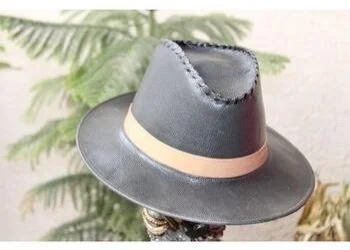
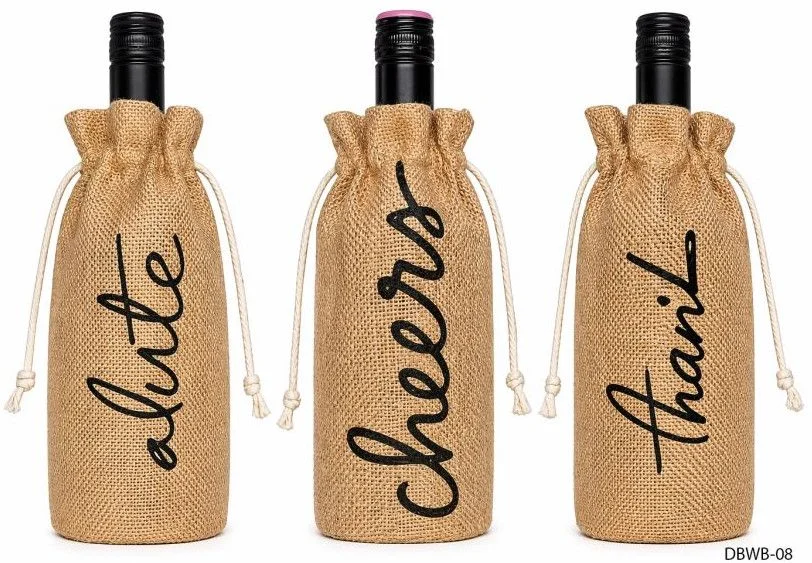
Based in China, Chancing Industrial Co., Ltd lists 19 active products across several categories including paper bags, various shirts and t‑shirts, shopping bags, hats, wine‑bag packaging and related accessories. The supplier’s catalogue spans items such as children’s t‑shirts, baseball caps, custom‑logo kraft paper bags, envelope bags with window, and stainless‑steel key chains. Each product is positioned within the broader paper‑based packaging and apparel segments that dominate Chinese export volumes. The listed categories reflect a focus on lightweight, printable paper solutions and casual clothing items commonly sourced by retailers. No additional corporate history or financial data is provided.
Product Range and Specialties of Chancing Industrial Co., Ltd
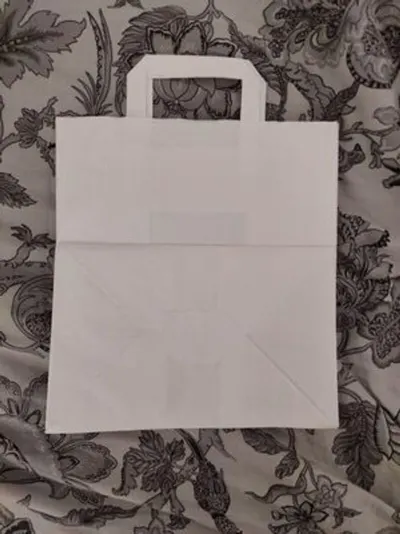
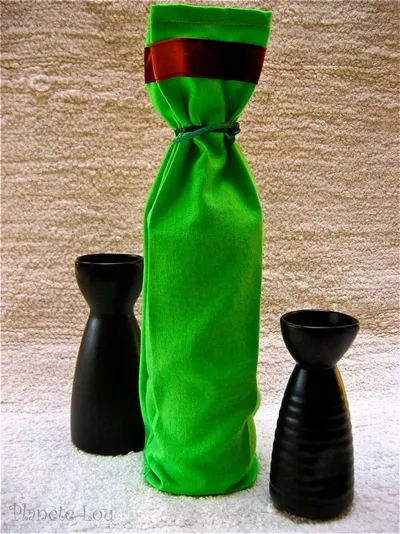
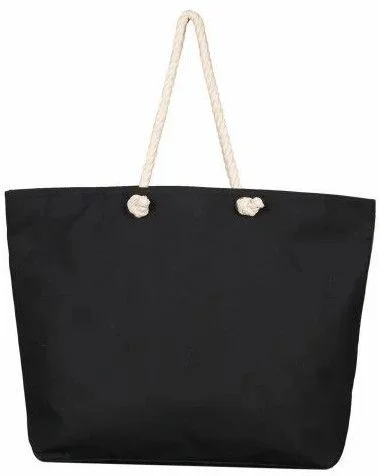
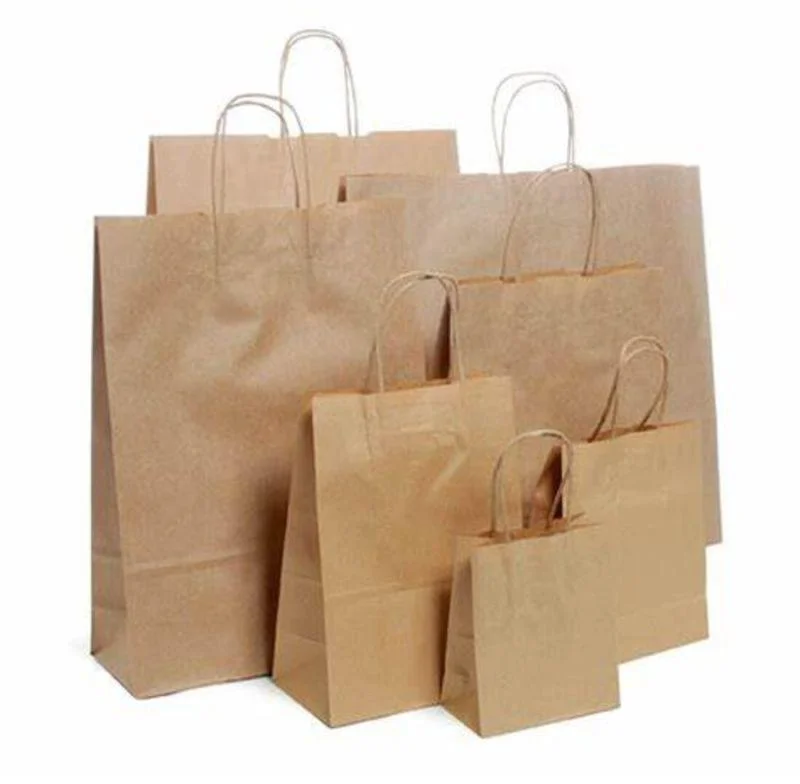
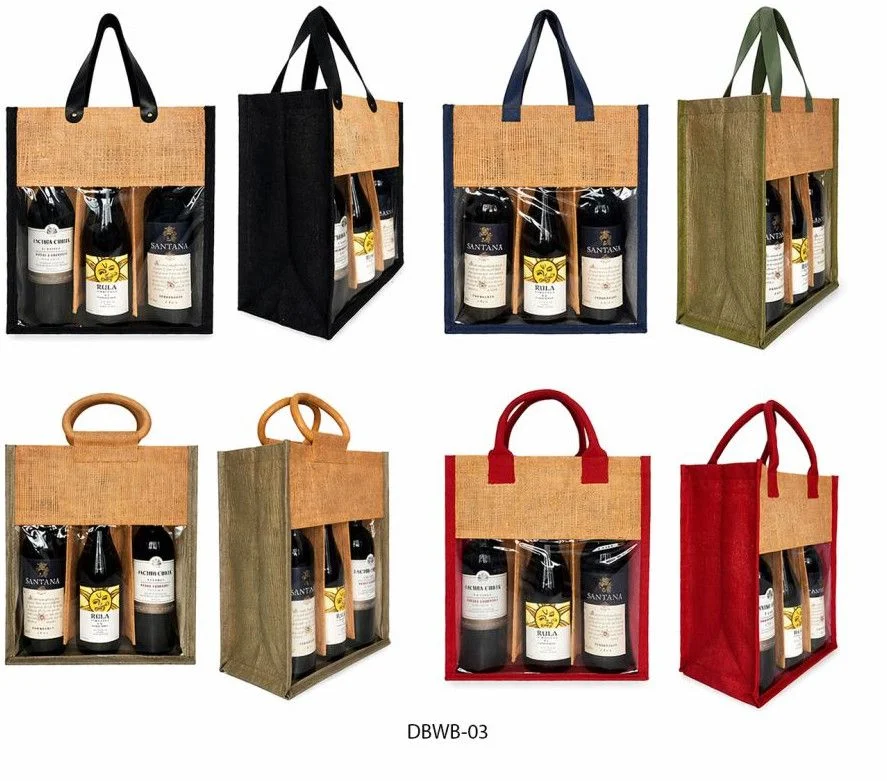
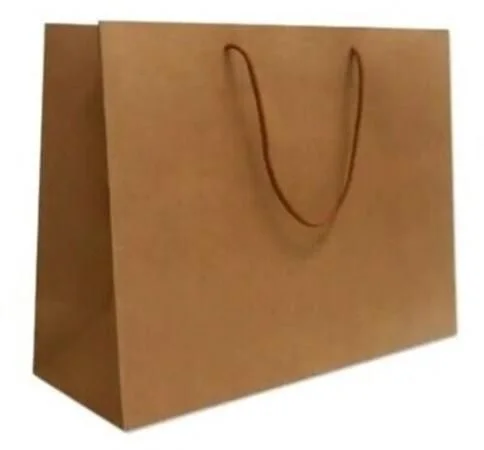
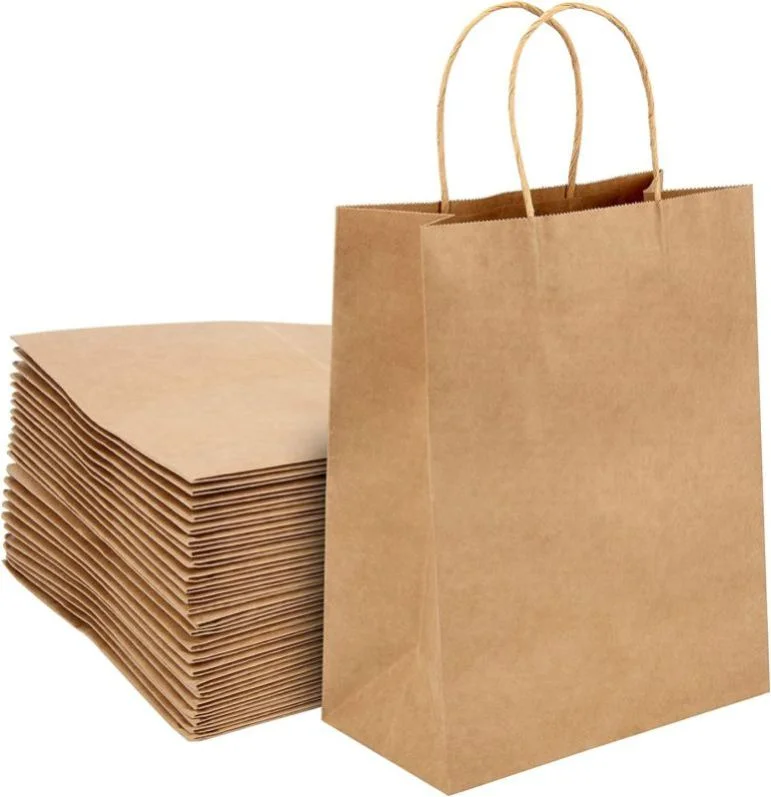
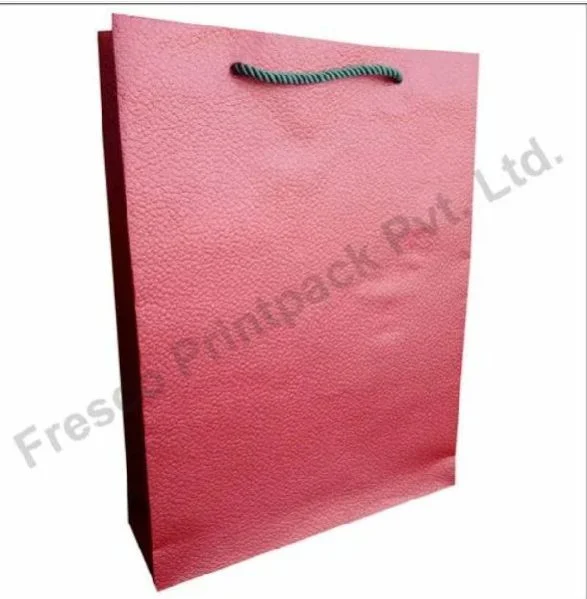
Chancing Industrial’s paper‑bag portfolio includes custom logo kraft paper bags, brown screen‑printing bags, shopping paper bags and envelope bags with window. In the Chinese market, kraft paper bags are typically produced from 80‑120 g/m² kraft liner, with a burst strength of 12‑15 kN/m and printed using water‑based inks that meet EU REACH limits. Envelope bags often use 100‑130 g/m² paper and feature a clear window made of low‑density polyethylene (LDPE) film, a common practice for product visibility. Wine‑bag variants are usually sized to hold a standard 750 ml bottle and may incorporate a reinforced bottom of 150 g/m² paper for added strength.
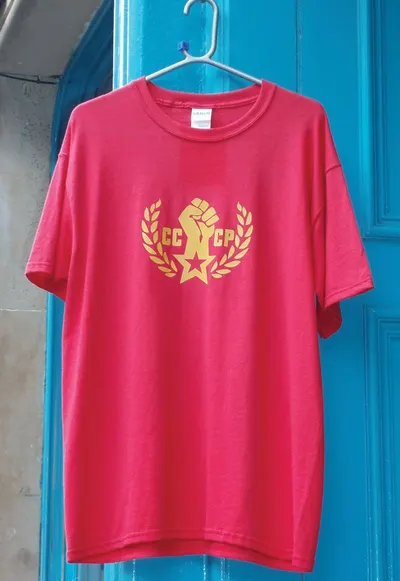
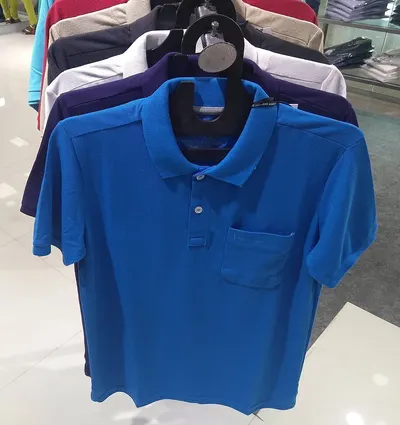
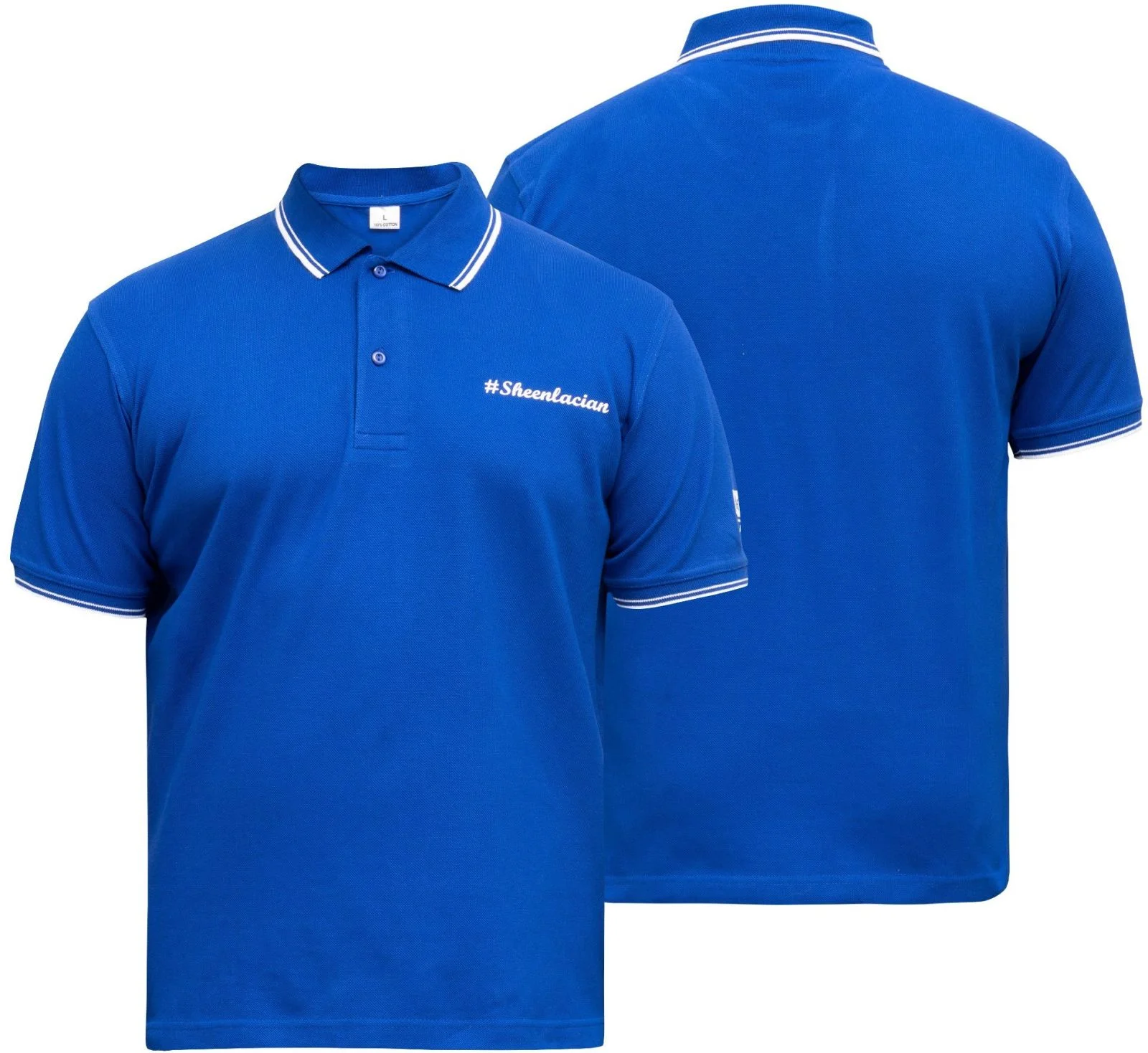
The apparel segment lists children’s t‑shirts, cotton compression t‑shirts, regular t‑shirts, polo shirts and baseball caps. Standard specifications for casual cotton garments in China involve 100 % combed cotton yarns of 30‑40 tex, a fabric weight of 150‑180 gsm for t‑shirts and 200‑220 gsm for polo shirts, with double‑needle stitching on seams. Caps are commonly made from 100 % cotton twill or polyester blends, featuring a structured six‑panel design and a standard head circumference of 55‑58 cm. Custom printing on garments is frequently applied through screen printing or heat transfer, both of which require inks that comply with Oeko‑Tex Standard 100 for harmful substance limits.
Trade and Export Information - Chancing Industrial Co., Ltd
China remains the world’s largest exporter of paper packaging and low‑cost apparel, with the European Union, United States and Southeast Asian markets accounting for the bulk of shipments. Paper bags are classified under HS chapter 48 and are typically shipped in 20‑foot containers holding up to 1,200 kg of flat‑packed bags, while garments fall under HS chapters 61 and 62 and are packed in poly‑bagged cartons placed on pallets. Exporters from China commonly use FOB Shanghai or Ningbo ports, and buyers often request CIF terms to the destination port.
Buyers of Chinese paper packaging usually require evidence of FSC or PEFC forest‑certification, as well as compliance with the EU Packaging and Packaging Waste Directive. Apparel imports often need an Oeko‑Tex Standard 100 certificate and a test report confirming compliance with the US CPSIA for lead content in children’s clothing. Standard documentation includes a commercial invoice, packing list, certificate of origin and, where applicable, a phytosanitary certificate for natural fibre products. Logistics typically involve container loading with palletized cartons, and moisture‑controlled storage is recommended for paper products to prevent warping.
Sourcing from Chancing Industrial Co., Ltd - Buyer Guidance
Prospective buyers should request material data sheets that specify paper gram weight, burst strength and ink compliance for any bag product, and fabric composition, GSM and stitching details for garment items. Sample orders of at least 50‑100 units are standard practice to evaluate print quality, dimensional tolerances and colour consistency before committing to larger volumes. Verify that the supplier can provide FSC or PEFC certificates for paper and Oeko‑Tex Standard 100 reports for cotton garments, and ask for a third‑party inspection report such as SGS or Intertek for larger orders.
Confirm packaging details, including whether bags will be delivered flat‑packed in cardboard boxes with a typical load of 5,000 units per 40‑ft container, and whether garments will be sealed in poly‑bags with a 0.05 mm thickness. Clarify lead times, which for printed paper bags in China range from 15‑25 working days after artwork approval, and for custom‑printed apparel from 30‑45 working days depending on order size. Ensure that the supplier agrees to provide a pre‑shipment inspection report and that payment terms align with the chosen Incoterm, such as L/C at sight under FOB conditions.
Frequently Asked Questions About Chancing Industrial Co., Ltd
What product categories does Chancing Industrial offer?
The supplier lists paper‑based packaging such as custom kraft bags, shopping bags, envelope bags with window and wine‑bottle gift bags, as well as apparel items including children’s t‑shirts, regular t‑shirts, polo shirts, cotton compression shirts and baseball caps.
How can I obtain a sample of a paper bag or garment?
Buyers can request a sample batch of 50‑100 units, providing artwork or design specifications; the supplier typically ships samples via air freight on a prepaid basis and includes a material data sheet with the shipment.
Which certifications should I ask the supplier to provide for paper bags?
For paper packaging, request an FSC or PEFC forest‑certification and a compliance statement that the inks meet REACH and EU Packaging Waste Directive limits; a third‑party inspection report (e.g., SGS) is also common.
What quality tests are standard for the t‑shirts and polo shirts?
Standard tests include fabric weight measurement (gsm), seam strength, colour‑fastness to washing (ISO 105‑C06) and a lead‑content test for children’s shirts (CPSIA compliance); buyers usually ask for the corresponding test reports.
What are the typical packaging and container loading details?
Paper bags are flat‑packed in cardboard boxes, with approximately 5,000‑6,000 bags per 40‑ft container; garments are folded, placed in poly‑bags and stacked on pallets, with about 200‑250 cartons per 40‑ft container.
Which Incoterms are commonly used for shipments from China?
Exporters often operate on FOB terms from ports such as Shanghai or Ningbo, while many buyers prefer CIF to their destination port; L/C at sight is a frequent payment method under these terms.
What documentation accompanies the shipment?
Standard export documents include a commercial invoice, packing list, certificate of origin, any applicable forest‑certification or Oeko‑Tex certificates, and a pre‑shipment inspection report if requested.




 , China