Ceylanica Food Export Pvt Ltd — Verified Supplier
About Ceylanica Food Export Pvt Ltd - Spices Supplier in Sri Lanka
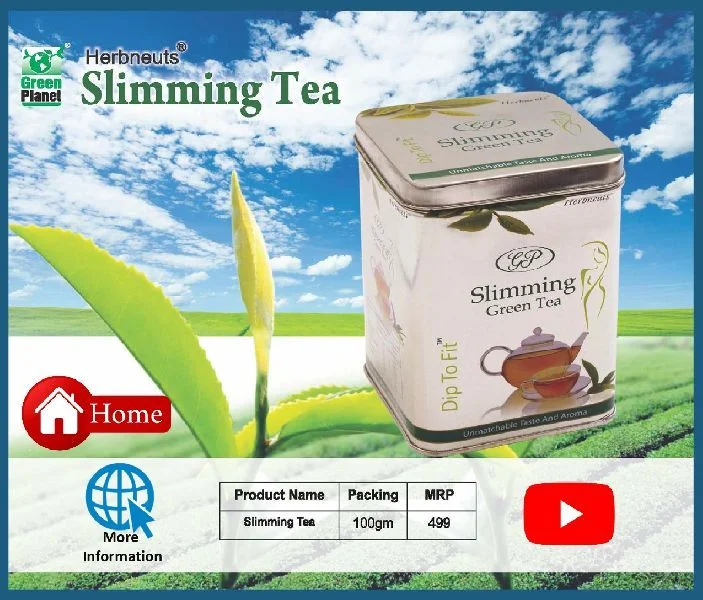
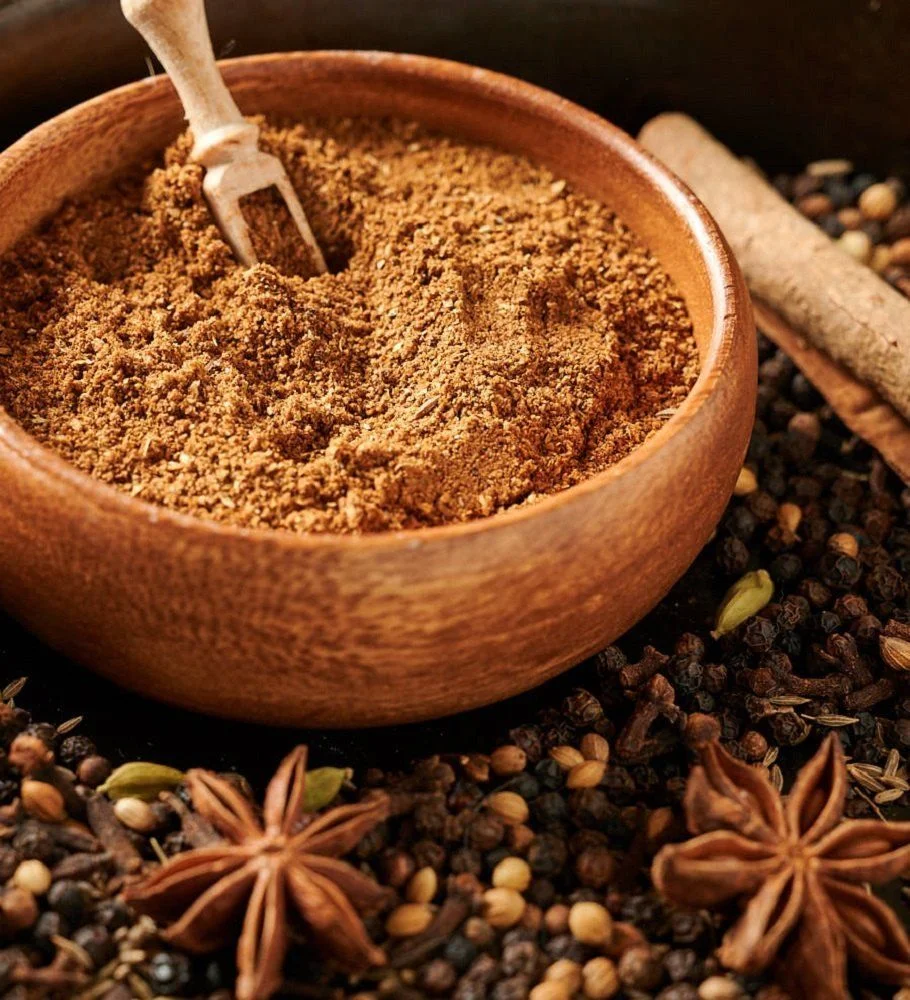
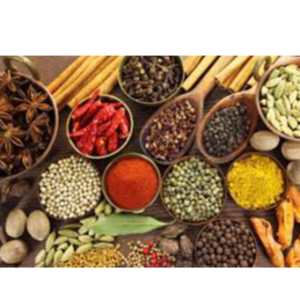
Ceylanica Food Export Pvt Ltd is based in Sri Lanka and currently lists 27 distinct products. The catalogue covers a mixture of dried spices, fresh vegetables, and specialty tea blends. Product families include black pepper, white pepper, green pepper, cardamom, cloves, nutmeg, cinnamon and assorted herbs. In addition, the company offers fresh onion, garlic, ginger, potatoes and a selection of teas such as blue butterfly pea and moringa. All items fall under HS chapter 09 for spices and chapter 08 for fresh vegetables where applicable.
The spice line follows standard Sri Lankan export grades, for example black pepper of size 8‑12 mm with moisture below 13 % and oil content around 45‑50 %. White and green pepper are processed similarly, with a typical particle size of 6‑10 mm. Cardamom is supplied as whole pods meeting a minimum length of 12 mm and a moisture limit of 12 %. The tea range conforms to Ceylon grading such as OP (Orange Pekoe) and BOP, with leaf moisture generally under 4 %. Fresh vegetables are packed in 20 kg mesh bags or refrigerated cartons, complying with phytosanitary requirements for export.
Product Range and Specialties of Ceylanica Food Export Pvt Ltd
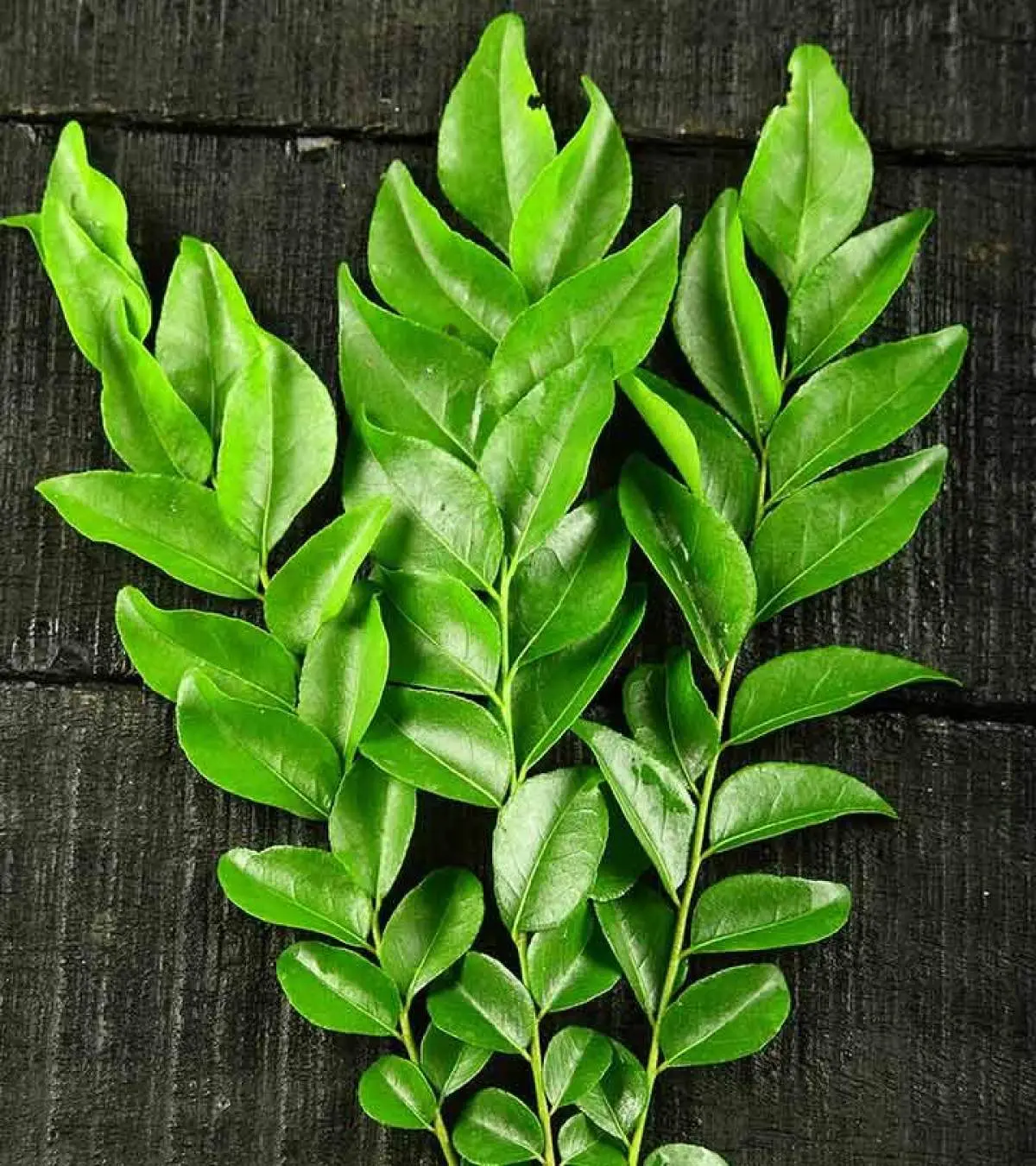
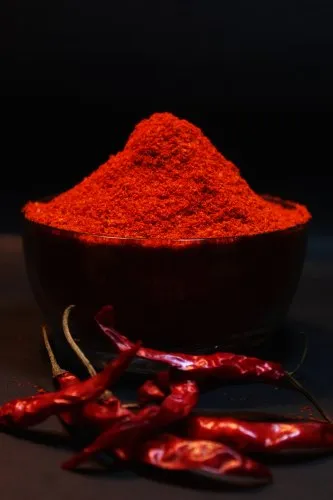
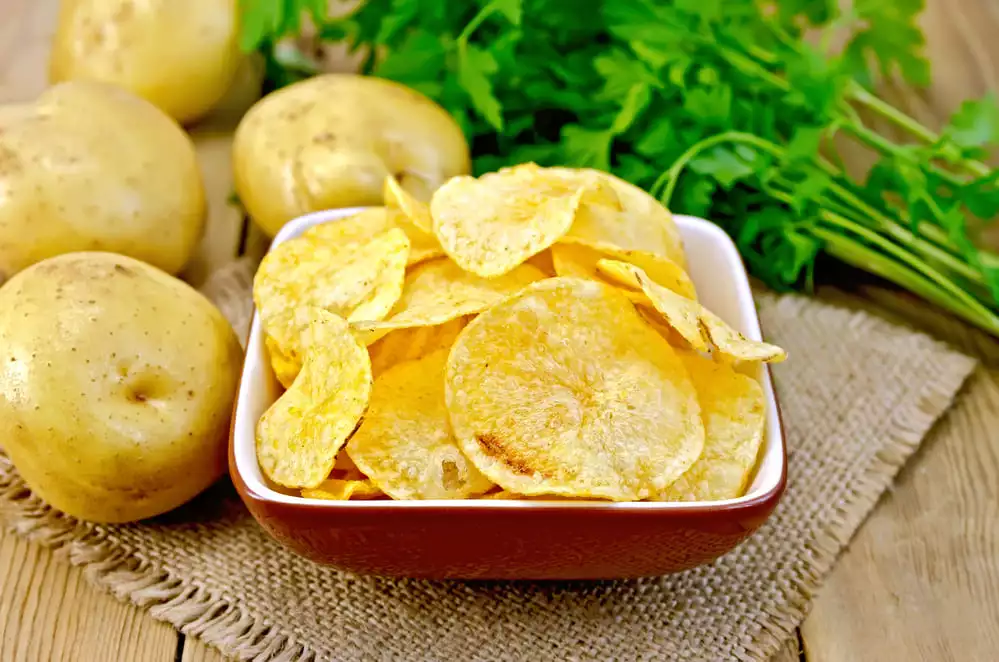
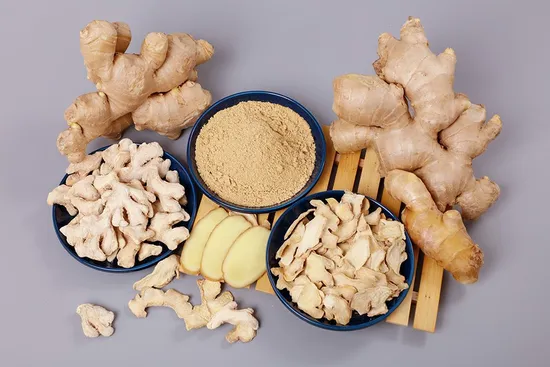
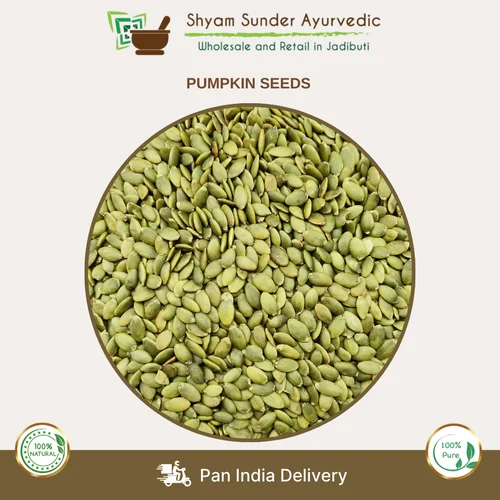
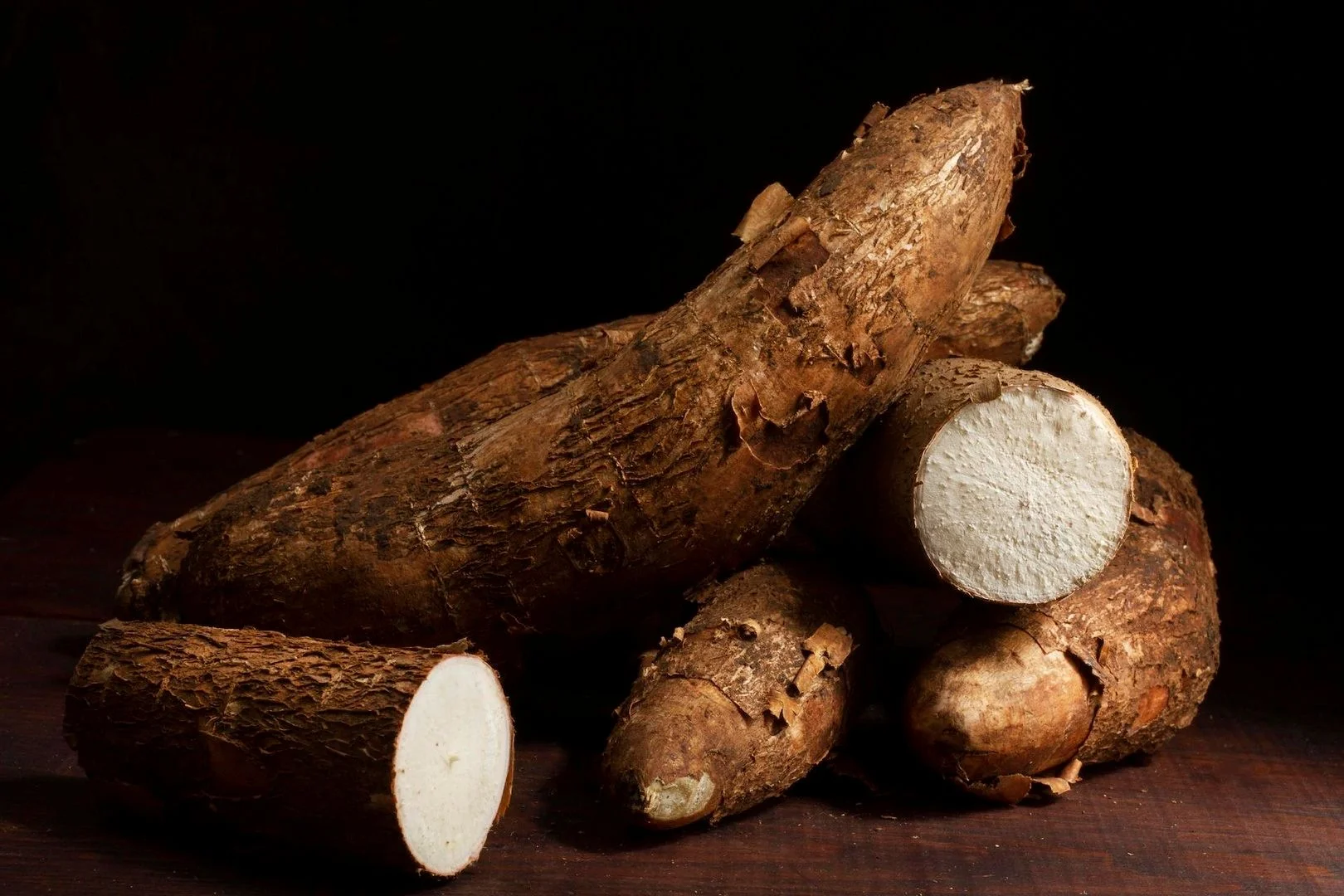
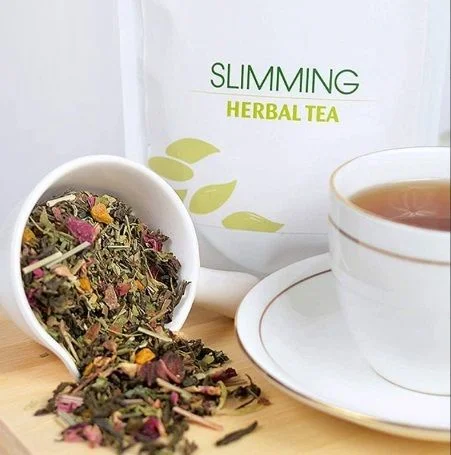
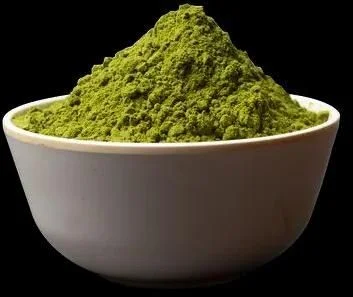
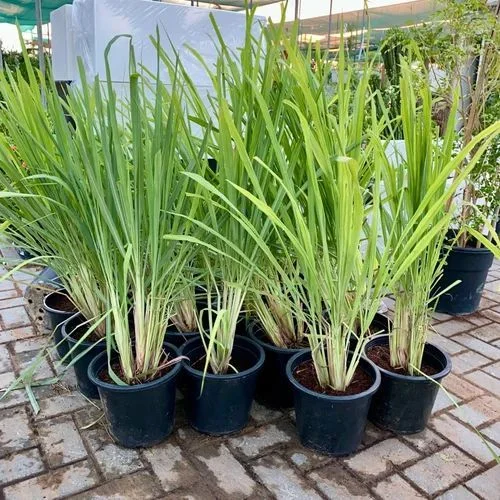
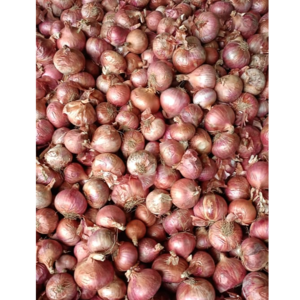
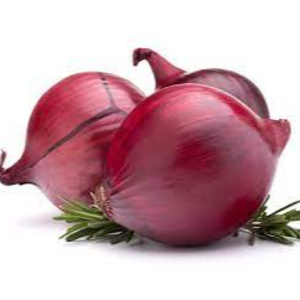
The catalogue lists individual items that fall into three broad groups: dried spices (black pepper, white pepper, green pepper, cardamom, cloves, nutmeg, cinnamon, herbs), fresh produce (onion, garlic, ginger, potato, green chilli, red chilli, turmeric, lemon grass, curry leaves, jackfruit, cassava, pumpkin, moringa leaves), and specialty teas (blue butterfly pea, ginger, lemon, kidney, herbal, moringa). Typical export grades for Sri Lankan spices include size specifications (e.g., black pepper 8‑12 mm), moisture limits below 13 % for peppers and below 12 % for cardamom, and oil content around 45‑50 % for pepper varieties. Tea products are usually graded by leaf size and cut, with moisture content under 4 % and caffeine levels documented in a certificate of analysis. Fresh vegetables are commonly shipped in 20 kg polypropylene mesh bags, 25 kg cartons, or refrigerated containers with temperature control at 0‑4 °C to preserve freshness.
Industry practice adds that buyers often request compliance with ISO 9001 quality management, HACCP food safety plans, and where applicable organic certification (e.g., USDA Organic or EU Organic). For spices, a common quality benchmark is the International Pepper Quality Standard, which defines oil content, moisture, and pungency. Tea exporters frequently provide a tea grade certificate, leaf count, and brew strength test results. Fresh produce typically requires a phytosanitary certificate, pesticide residue report, and temperature‑controlled logistics.
Trade and Export Information - Ceylanica Food Export Pvt Ltd
Sri Lanka is a long‑standing exporter of pepper, cardamom, cinnamon and Ceylon tea, with major destinations in the European Union, the United States, the Middle East and Southeast Asia. Export shipments of spices fall under HS code 0904, while fresh vegetables use HS codes 0701‑0709, and tea uses HS code 0902. Buyers usually require documentation such as a certificate of origin, phytosanitary certificate for fresh produce, and a certificate of analysis for moisture, oil content or pesticide residues for spices and tea. Commonly requested certifications include ISO 9001, HACCP, and where relevant, organic or fair‑trade certificates. Standard Incoterms for Sri Lankan spice shipments are FOB Colombo or CIF destinations, with cargo loaded in 20‑ft or 40‑ft containers, and fresh vegetables often shipped in refrigerated (reefer) containers to maintain the cold chain.
Sourcing from Ceylanica Food Export Pvt Ltd - Buyer Guidance
When sourcing from Ceylanica Food Export, buyers should request a sample batch and a corresponding certificate of analysis that details moisture, oil content, particle size and any pesticide residue limits. Verify the presence of a valid phytosanitary certificate for all fresh vegetable items and confirm that the supplier can provide ISO 9001 or HACCP compliance documentation if required by the importing market. Check packaging details - spices are typically packed in food‑grade polypropylene bags (5 kg or 25 kg), teas in bulk cartons (10 kg) and fresh produce in mesh bags or temperature‑controlled containers - to ensure they meet the buyer’s handling and labeling standards.
Frequently Asked Questions About Ceylanica Food Export Pvt Ltd
What quality specifications are typical for the black pepper offered by Ceylanica Food Export?
Black pepper is generally supplied in 8‑12 mm size, with moisture below 13 % and oil content between 45‑50 %. Buyers usually request a certificate of analysis confirming these parameters.
Does the supplier provide organic certification for any of its products?
The facts do not list any certifications. Buyers interested in organic status should ask the supplier to supply an up‑to‑date organic certificate such as USDA Organic or EU Organic if available.
What documentation is required for importing the fresh onion and garlic shipments?
Importers normally need a phytosanitary certificate, a certificate of origin and a pesticide residue report. The supplier can arrange these documents upon request.
Which HS codes apply to the spice and tea products?
Spice products fall under HS chapter 09 (e.g., 0904 for pepper, 0905 for cinnamon), while tea products are classified under HS 0902. Fresh vegetables are covered by HS chapter 07.
What are the typical minimum order quantities (MOQ) for the dried spices?
MOQs for dried spices are commonly set at 500 kg per container load, but the exact figure should be confirmed with the supplier based on the specific spice and packaging size.
What packaging formats are used for the specialty teas?
Specialty teas are usually packed in food‑grade cartons of 10 kg or in bulk poly‑bags of 25 kg, with moisture content kept below 4 % and a label indicating the tea grade.
Which Incoterms are most frequently used for shipments from Sri Lanka?
Exporters from Sri Lanka typically operate on FOB Colombo or CIF destination terms, with cargo loaded into 20‑ft or 40‑ft containers for spices and refrigerated containers for fresh produce.
How can a buyer verify the supplier’s compliance with food safety standards?
Buyers should request the supplier’s HACCP plan, ISO 9001 certificate, and any recent audit reports. Reviewing these documents helps confirm that the supplier follows recognized food safety protocols.




 , Sri Lanka