Centex — Verified Supplier
About Centex - Seafood Supplier in Netherlands
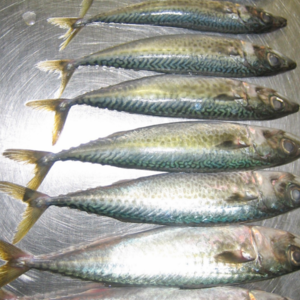
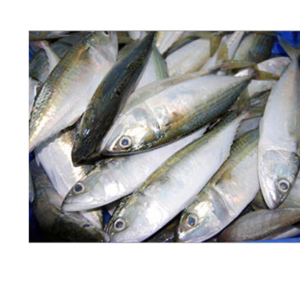
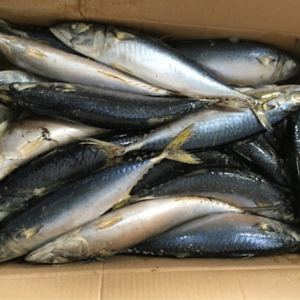
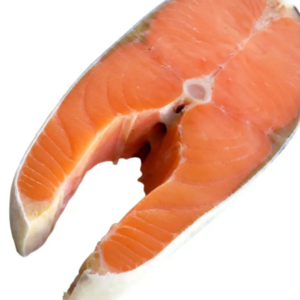
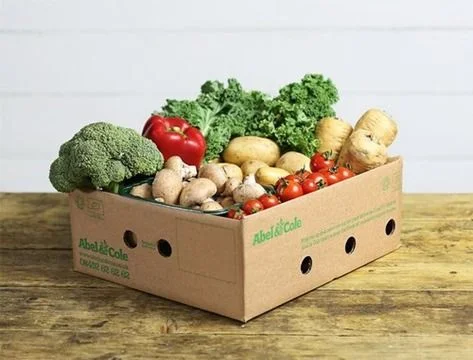
Netherlands‑based Centex lists eight active product lines across seafood, horticulture, dairy and specialty items. The catalogue includes frozen sardines and mackerel, a mixed line of fresh and frozen vegetables and fruit, a generic seafood assortment, saffron, Medjool dates, fresh mandarin and navel oranges together with strawberries, private‑label cosmetics and beauty products, and milk powder. The supplier is classified in the “harbor” trust tier, indicating a mid‑level verification level within the platform. Each product line is presented under its own category without further subdivision in the supplied data.
Centex’s product list covers both primary food commodities and ancillary goods such as labeling solutions. The seafood segment mentions both frozen sardines and mackerel as well as a broader “Seafood” category, while the horticultural segment combines fresh and frozen vegetables, fruit, and specific citrus varieties. The dairy segment is represented by milk powder, and the specialty segment includes saffron, Medjool dates and private‑label cosmetics. The eight distinct entries reflect the supplier’s focus on a diversified but limited portfolio rather than a broad commodity catalogue.
Product Range and Specialties of Centex
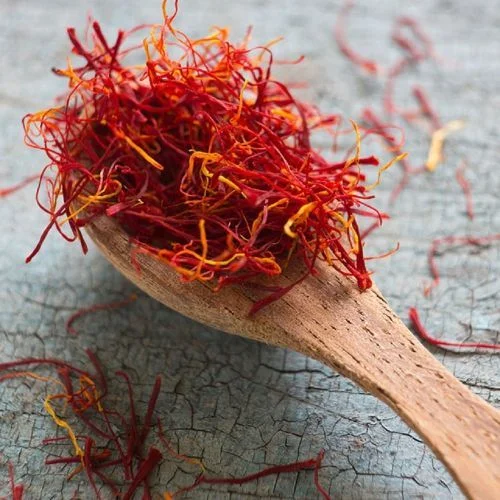
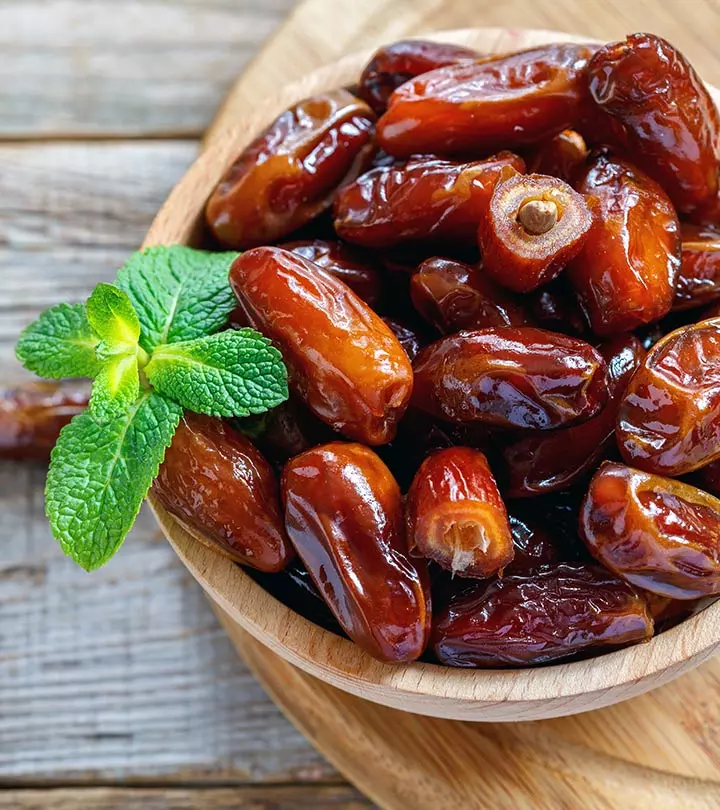
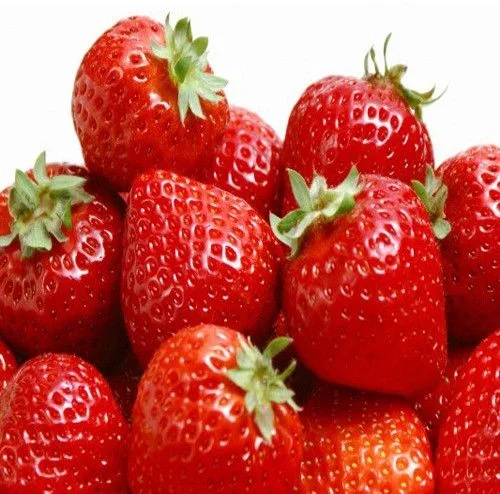
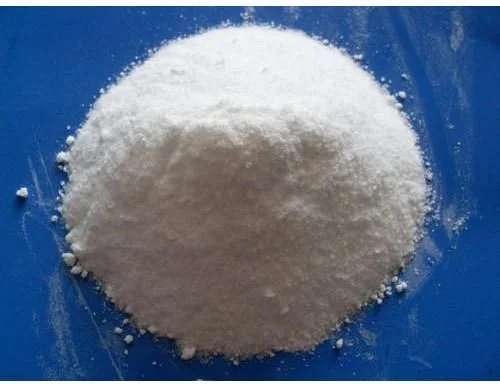
The catalogue’s eight entries span several well‑defined export categories. Frozen sardines and mackerel are typically sold in 10 kg or 20 kg vacuum‑packed blocks and meet EU freeze‑temperature standards of - 18 °C or lower. Fresh and frozen vegetables and fruit from the Netherlands are often graded by size, colour uniformity and residual moisture, with common export pack sizes of 5 kg or 25 kg cartons. Saffron from the region is usually graded by ISO 3632 colour index, with Grade 1 (≥ 250 mg kg‑1 crocin) being the premium standard. Medjool dates are exported in bulk 20 kg bags, with moisture content generally below 20 % and a minimum size of 25 mm. Dutch oranges and strawberries are packed in ventilated trays or bulk crates, with typical Brix values above 10 for oranges and firmness standards for strawberries. Private‑label cosmetics follow EU cosmetic regulation (Regulation EC 1223/2009) and are often supplied in custom packaging. Milk powder is exported as whole‑milk or skimmed variants in 25 kg paper bags, with fat content ranging from 26 % (whole) to < 1 % (skim).
Trade and Export Information - Centex
The Netherlands is a major hub for re‑export of seafood, horticultural produce and dairy powders to the EU, the Middle East and North Africa. Frozen fish such as sardines and mackerel are commonly shipped in refrigerated containers (40 ft reefer) under Incoterms CIP or DAP, and buyers typically request HACCP or BRC audit reports for food safety compliance. Fresh and frozen vegetables and citrus are subject to phytosanitary certificates and EU plant health regulations; importers in the Gulf Cooperation Council (GCC) and Western Europe often demand EU organic or GlobalGAP certificates where applicable. Saffron and dates are classified under HS chapter 09 and are frequently inspected for purity and adulteration, with buyers in Europe and the United States requesting COA and ISO 3632 test results. Milk powder from the Netherlands adheres to EU dairy standards, and buyers in Asia and Africa usually ask for ISO 22000 or FSSC 22000 certification along with a Certificate of Analysis. Private‑label cosmetics must meet EU cosmetic labeling and safety dossier requirements; exporters often provide a Product Information File (PIF) and compliance with the EU’s REACH regulation.
Sourcing from Centex - Buyer Guidance
When evaluating Centex’s offerings, buyers should request product‑specific certificates of analysis, HACCP or BRC audit reports for the seafood and dairy lines, and phytosanitary certificates for the fresh produce. For saffron, a COA confirming ISO 3632 Grade 1 and a purity test (no added dyes) are standard verification points. Dates buyers typically ask for moisture content data and a pesticide residue report. Cosmetic buyers need a completed Product Information File, safety assessment, and proof of compliance with REACH and the EU Cosmetics Regulation. Confirm packaging dimensions (e.g., 20 kg bulk bags for milk powder, 40 ft reefer containers for frozen fish) and shipping terms before finalising the order, and verify that the supplier can meet the typical MOQ of one 20 ft container for bulk commodities or smaller pallet loads for cosmetics.
Frequently Asked Questions About Centex
What are the typical shipment sizes for Centex’s frozen sardines and mackerel?
Frozen sardines and mackerel are usually packed in vacuum‑sealed blocks of 10 kg or 20 kg and loaded into 40 ft refrigerated containers, allowing a full container load of approximately 18 tonnes.
Which quality certifications should a buyer request for the fresh vegetables and fruit?
Buyers should ask for a phytosanitary certificate, GlobalGAP or EU organic certification if required, and a recent Certificate of Analysis showing compliance with EU pesticide residue limits.
How is saffron quality verified for export from the Netherlands?
Saffron quality is commonly verified by ISO 3632 colour index testing; buyers usually request a COA showing Grade 1 (≥ 250 mg kg‑1 crocin) and a purity analysis confirming no adulterants.
What documentation is standard for Medjool dates shipments?
Standard documentation includes a Certificate of Origin, a moisture content report (typically ≤ 20 %), and a pesticide residue test report in line with EU import requirements.
Which certifications are relevant for the milk powder offered by Centex?
Milk powder exporters generally provide an ISO 22000 or FSSC 22000 food safety audit report, a Certificate of Analysis detailing fat, protein and moisture levels, and a Certificate of Origin for customs clearance.
What regulatory files are needed for the private‑label cosmetics?
The EU requires a complete Product Information File (PIF), a safety assessment report, REACH registration evidence, and labeling compliance documentation before the cosmetics can be placed on the market.
What Incoterms are commonly used for Centex’s seafood exports?
Seafood shipments from the Netherlands are frequently quoted under CIP (Carriage and Insurance Paid to) or DAP (Delivered at Place), with temperature‑controlled logistics ensured throughout transit.
What are typical lead times and MOQs for the fresh orange and strawberry range?
Lead times for fresh citrus and strawberries are usually 2 - 3 weeks from order confirmation, with a minimum order of one 20 ft container (approximately 15 tonnes) for oranges and a pallet load (≈ 500 kg) for strawberries.




 , Netherlands