Cell Instruments — Supplier
About Cell Instruments - Tools & Instruments Supplier in China
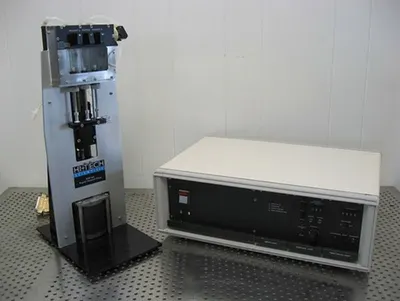
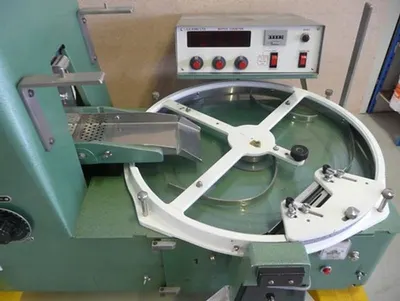
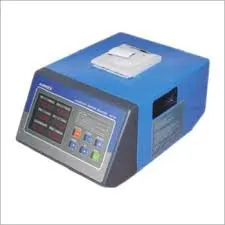
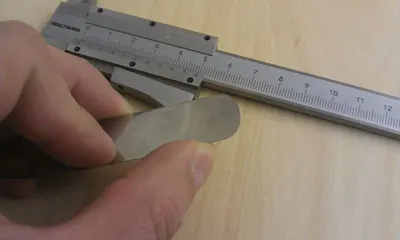
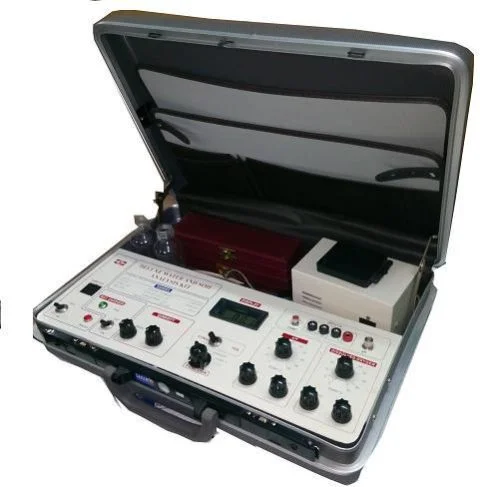
China lists seven testing and measurement devices under the Cell Instruments catalogue. The company classifies its offerings under Tools & Instruments, Light & Medium Machinery and Industrial Machinery, and the items include Lesk Tester Equipment, a Vacuum Tightness Tester variant, a Coefficient of Friction Tester, a Tensile Testing Machine for Plastic Film, Film Free Shrink Testing Equipment, Heat Seal Tester Equipment and Paper Thickness Tester Equipment. Each product is positioned for laboratory or production‑line quality control in sectors such as packaging, paper conversion and thin‑film manufacturing. The catalogue does not provide HS codes, but the devices fall within the testing‑equipment families commonly recorded under HS chapter 90.
The seven listed devices cover a spectrum of physical property testing, from leak detection (Lesk and vacuum tightness testers) to mechanical strength (tensile testing of plastic film) and dimensional measurement (paper thickness tester). The range reflects typical equipment used by manufacturers to verify seal integrity, material friction, shrink behaviour, heat‑seal performance and substrate thickness, all of which are standard checkpoints in packaging and industrial material production.
Product Range and Specialties of Cell Instruments
The catalogue’s seven items represent core test equipment for thin‑material industries. Lesk Tester and Vacuum Tightness Tester units are generally used to detect leaks at pressures down to 0.1 Pa and are often calibrated against ISO 2039. Coefficient of Friction Testers normally measure static and kinetic friction in the range of 0.1 - 1.0 N·s/m and follow ASTM D 1894 for polymer films. Tensile Testing Machines for Plastic Film are typically specified to a load capacity of 500 N to 5 kN, with cross‑head speeds from 10 mm/min to 200 mm/min, and comply with ASTM D 882 for film strength. Film Free Shrink Testing Equipment evaluates shrink ratios at temperatures between 80 °C and 150 °C, a parameter often reported in ISO 1874. Heat Seal Tester Equipment measures seal strength in newtons and is frequently validated against ASTM F 88. Paper Thickness Tester Equipment measures grammage and caliper, usually reported in µm, and aligns with ISO 536. Buyers normally expect these machines to be supplied with calibration certificates and to meet ISO 9001 quality‑management standards, although such certifications are not listed for this supplier.
Trade and Export Information - Cell Instruments
China is a major exporter of laboratory and industrial testing equipment, with HS code 9025 covering a broad selection of measuring and testing machines. Export shipments from Chinese manufacturers frequently target Europe, North America and Southeast Asia, where food‑packaging, paper‑board and thin‑film producers require on‑site quality verification. Buyers in these regions commonly request CE marking, IECEx certification for explosive‑environment safety, and compliance with ISO 9001 or ISO 17025 for calibration competence. Standard export packaging consists of wooden crates with internal cushioning, often palletised for 20‑ft containers that can hold roughly 30 to 40 medium‑size testers depending on dimensions. Freight terms such as FOB Shanghai or CIF Hamburg are typical, and customs clearance usually references the 9025‑99 sub‑heading for “other testing apparatus”.
Sourcing from Cell Instruments - Buyer Guidance
When sourcing testing equipment from Cell Instruments, buyers should request a current calibration certificate for each device, a Declaration of Conformity (DoC) for CE, and any applicable test reports that demonstrate compliance with the relevant ASTM or ISO standards mentioned above. It is prudent to verify the machine’s measurement range, load capacity and temperature limits against the buyer’s specification sheet before confirming an order. Minimum order quantities are often set at one unit per model, with typical lead times of 30‑45 days from order receipt, subject to factory scheduling and export documentation preparation. Samples or demo units can be arranged for performance verification, and buyers should confirm packaging dimensions and weight to calculate freight costs accurately.
Frequently Asked Questions About Cell Instruments
What types of testing equipment does Cell Instruments list in its catalogue?
The catalogue includes a Lesk Tester, a Vacuum Tightness Tester, a Coefficient of Friction Tester, a Tensile Testing Machine for Plastic Film, Film Free Shrink Testing Equipment, Heat Seal Tester and Paper Thickness Tester.
Are the listed devices covered by a specific HS code?
All seven devices fall under HS chapter 90, specifically the 9025 sub‑heading for measuring and testing apparatus.
Which industry standards are typically applied to these testers?
Typical standards include ISO 2039 for leak testing, ASTM D 1894 for friction, ASTM D 882 for tensile strength of films, ISO 1874 for shrink testing, and ASTM F 88 for heat‑seal strength.
What certifications should a buyer request before purchase?
Buyers should request a CE Declaration of Conformity, any applicable IECEx certification, and a calibration certificate that references ISO 17025 or ISO 9001.
What is a common minimum order quantity and lead time for these machines?
The usual minimum order quantity is one unit per model, with a lead time of roughly 30‑45 days from order confirmation.
How are the machines typically packaged for export?
Export packaging normally uses wooden crates with internal foam or cardboard cushioning, palletised for container loading, and complies with ISPM 15 wood‑pest treatment requirements.
Which regions most frequently import testing equipment from China?
Europe, North America and Southeast Asia are the primary import regions for Chinese testing equipment, especially for packaging, paper and thin‑film industries.
What documentation is needed for customs clearance of these testers?
Customs clearance generally requires a commercial invoice, packing list, the HS code 9025‑99 description, and any required certificates such as the CE DoC or test reports.




 , China