Agriculture›
 Apparel and fashion accessories›
 Construction & real estate›💡Electronic & Electrical›🍎Food & Beverages›🛋️Home furnishing & supplies›⚗️Industrial goods & chemical›🪨Minerals & metals›📦Miscellaneous›Agriculture›Apparel and fashion accessories›Construction & real estate›💡Electronic & Electrical›🍎Food & Beverages›🛋️Home furnishing & supplies›⚗️Industrial goods & chemical›🪨Minerals & metals›📦Miscellaneous›
Capital Project Product Catalog
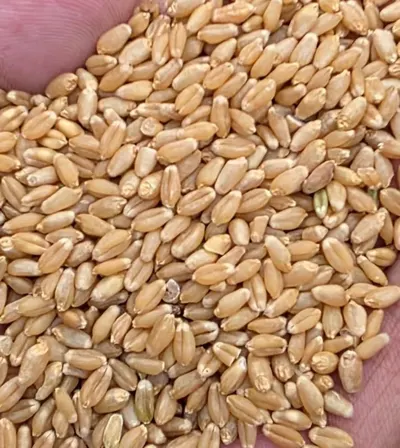

About Capital Project - Wheat Flour Supplier in Croatia
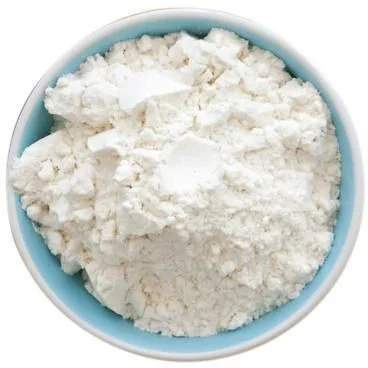
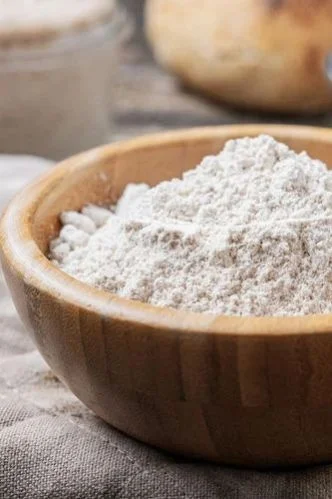
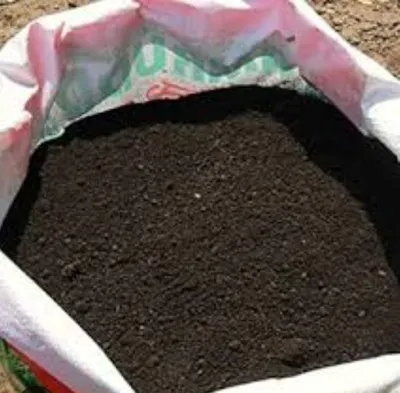
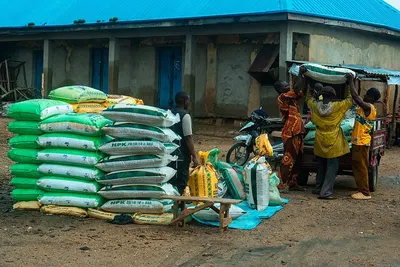
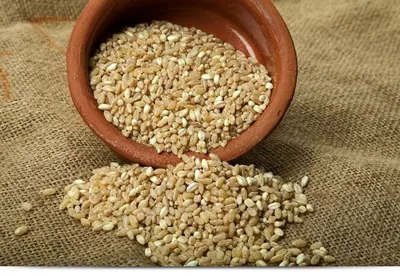
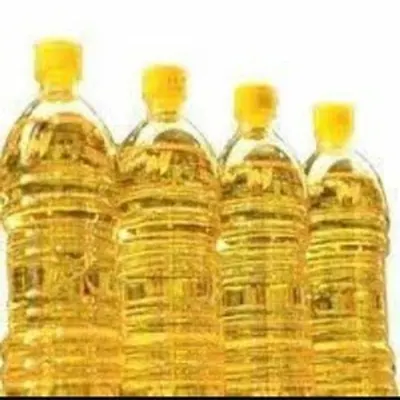
Capital Project is based in Croatia and lists seven active products across three primary categories: wheat flour, fertilizers and sunflower oil. The catalogue includes generic wheat flour and three region‑specific variants - Russian, Ukraine and Croatian - as well as Ukraine refined deodorized sunflower oil, a compound NPK fertilizer and a blend of urea, nitrogen, nitrogen‑sulfur and potassium products. Each entry is recorded under the supplier’s “harbor” trust tier, indicating a moderate level of verification within the platform.
In international trade, wheat flour falls under HS chapter 11 (cereals) - typically HS 1101 - while bulk fertilizers are classified in HS chapter 31 (e.g., HS 3105 for compound fertilizers) and sunflower oil under HS chapter 15 (HS 1512). Exporters of these commodities from Croatia often target EU member states, the Middle East and North‑African markets, where demand for food grade flour and edible oils, as well as agricultural inputs, remains strong. The product mix shown reflects both food‑grade and industrial‑grade goods that comply with standard customs classifications.
Product Range and Specialties of Capital Project
The supplier’s catalogue lists three wheat flour types (generic, Russian, Ukraine and Croatian), a refined deodorized sunflower oil sourced from Ukraine, a compound NPK fertilizer, and a mixed nitrogen‑phosphorus‑potassium blend that includes urea and nitrogen‑sulfur. In the broader wheat‑flour market, buyers differentiate grades by protein content (10‑14 % for bread‑making, 12‑15 % for pastry) and ash level (0.5‑0.8 %). Sunflower oil is commonly specified by free fatty acid (FFA) content below 0.1 % and an iodine value of 110‑120. Fertilizer blends are evaluated by nutrient ratios (e.g., 20‑20‑20 NPK) and purity of urea (>46 % N).
Frequently Asked Questions About Capital Project
What wheat flour grades are available from Capital Project?
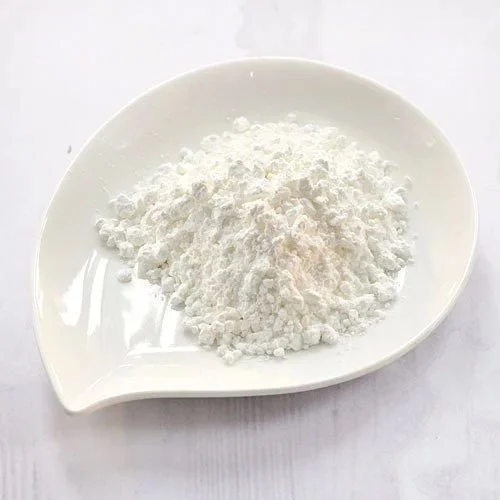
The catalogue lists generic wheat flour and three regional variants - Russian, Ukraine and Croatian - which are typically classified under HS 1101. Buyers should request the protein and ash content analysis to confirm suitability for specific baking applications.
Does the sunflower oil meet standard food‑grade specifications?
The product is described as refined and deodorized, matching the usual HS 1512 classification. Request a lab report showing free fatty acid below 0.1 % and an iodine value between 110 and 120 to verify food‑grade quality.
What is the composition of the compound NPK fertilizer?
The catalogue records a generic compound NPK blend. Standard practice is to obtain a specification sheet indicating the exact nitrogen‑phosphorus‑potassium ratio (e.g., 20‑20‑20) and the granule size distribution before purchase.
Which certifications should I ask for when buying fertilizers?
Typical certifications include REACH registration for chemical safety, an ISO 9001 quality management certificate, and an MSDS detailing the composition of urea, nitrogen, nitrogen‑sulfur and potassium components.
How is the wheat flour packaged for export?
Export shipments usually use food‑grade polypropylene bags of 25 kg each, packed on pallets inside 20‑ft or 40‑ft containers. This packaging complies with most EU and Middle‑East import regulations.
 Croatia
Related Suppliers & Products
Explore similar suppliers, related products and trending categories