Agriculture›
 Apparel and fashion accessories›
 Construction & real estate›💡Electronic & Electrical›🍎Food & Beverages›🛋️Home furnishing & supplies›⚗️Industrial goods & chemical›🪨Minerals & metals›📦Miscellaneous›Agriculture›Apparel and fashion accessories›Construction & real estate›💡Electronic & Electrical›🍎Food & Beverages›🛋️Home furnishing & supplies›⚗️Industrial goods & chemical›🪨Minerals & metals›📦Miscellaneous›
Capeskin Leather Works Product Catalog

About Capeskin Leather Works - Leather Goods Supplier in India
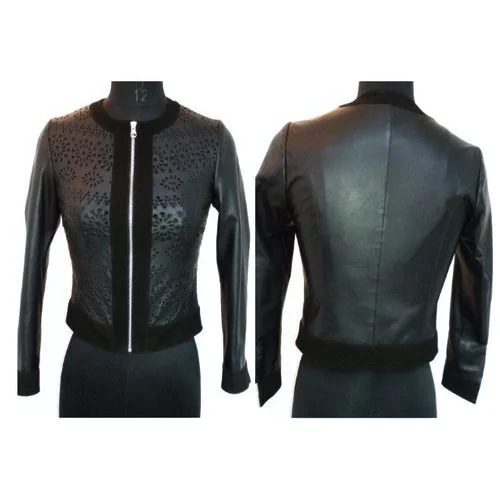
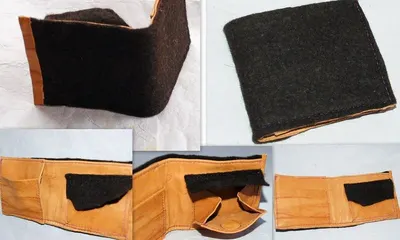
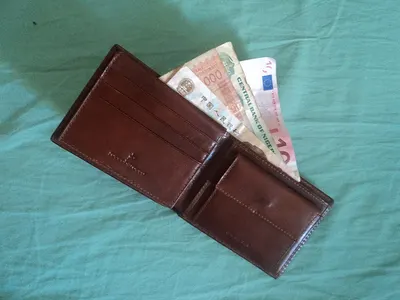
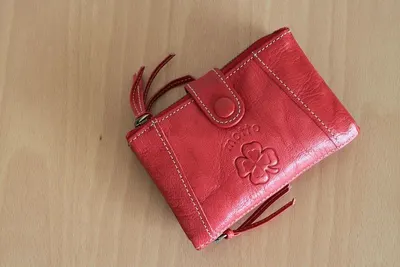
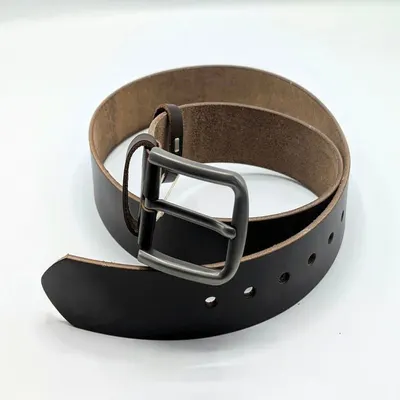
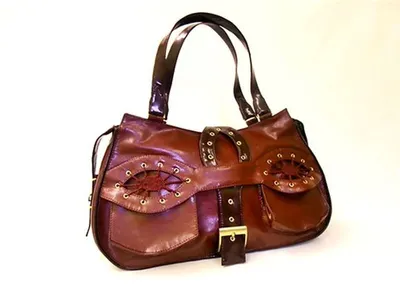
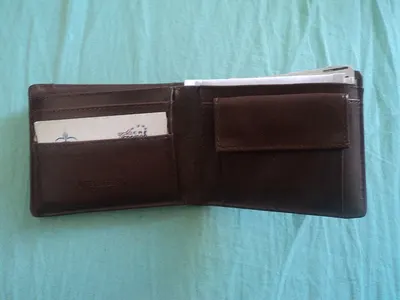
India is the source country for Capeskin Leather Works, which currently lists ten distinct leather products. The catalogue covers leather wallets, belts, backpacks and other leather bags, grouped under the broader leather goods segment. Each item falls within HS chapter 42, which classifies leather garments and accessories. The supplier’s portfolio includes both men’s and women’s designs, ranging from wallets to duffle bags. Product listings are presented without specific certifications in the supplied data.
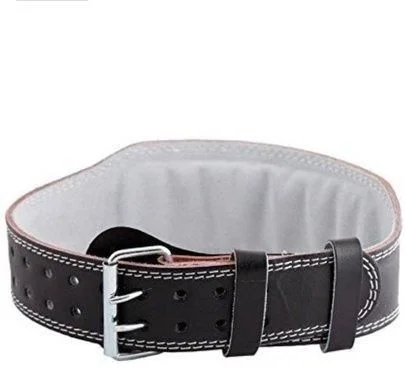
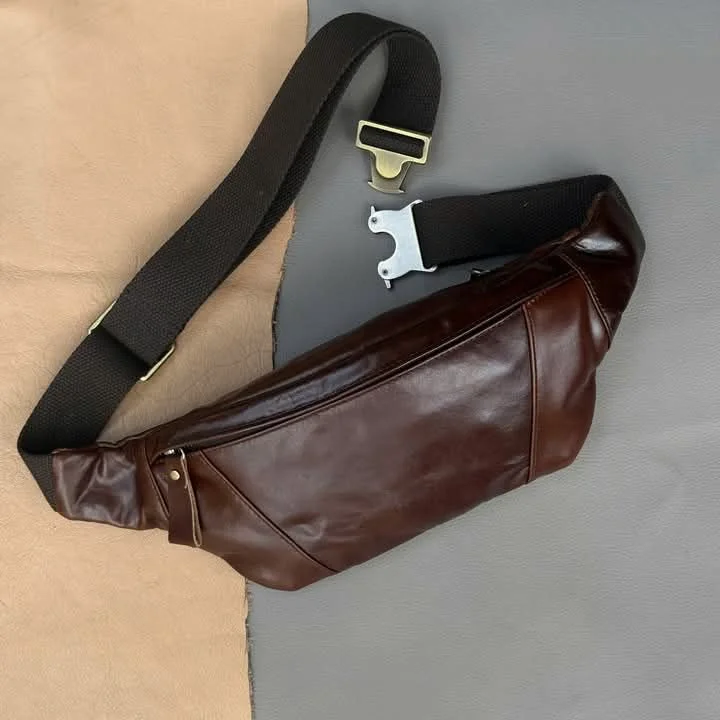
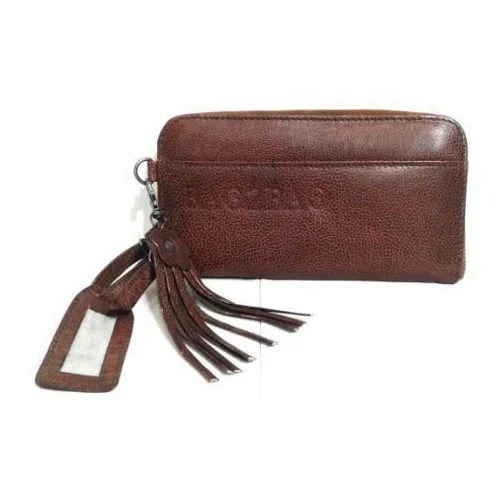
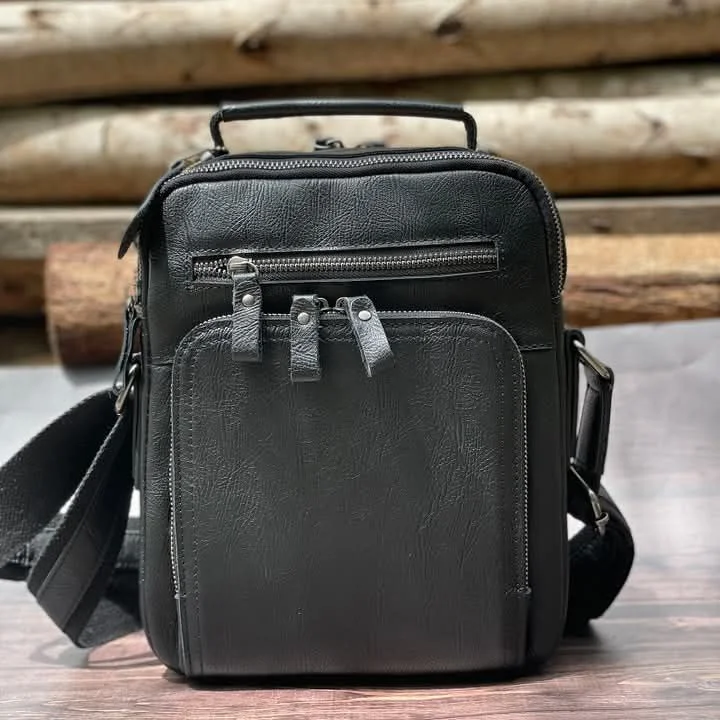
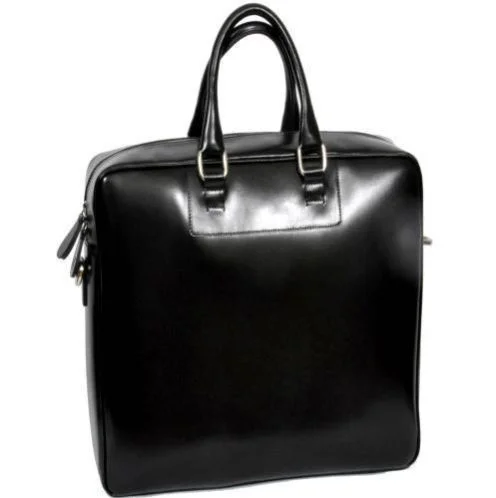
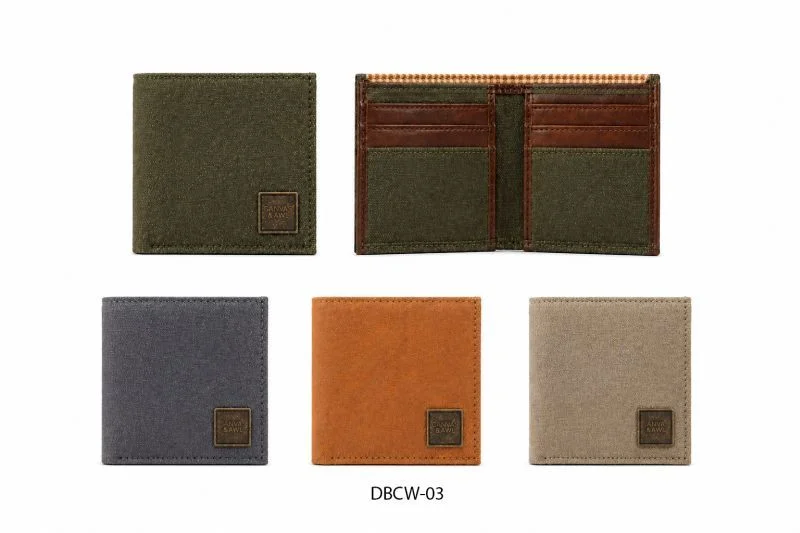
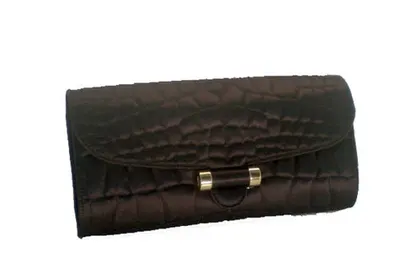
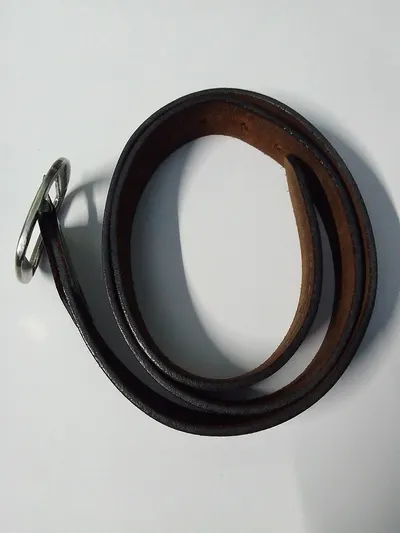
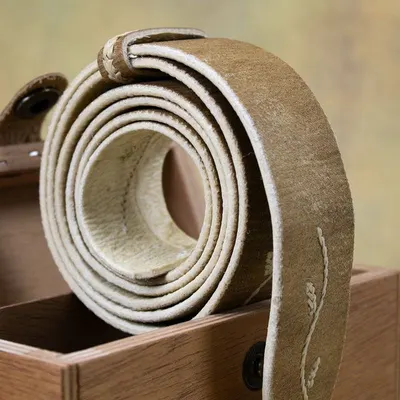
The product list includes a Double Side Belt, a Croco Finish Double Sided Belt, an Antique Finish Men Wallet, a Croco Finish Olive Green Wallet, a Belt‑Tool Finish, a Backpack, a Buff Leather Duffle Bag, a Tan Men Purse, a Formal Men Wallet and a Brown Wallet. These items represent a mix of belt styles, wallet finishes and backpack constructions, each described by its finish type rather than material composition. The catalogue does not specify leather grade, but the range suggests use of vegetable‑tanned or chrome‑tanned leather typical for Indian manufacturers. No HS codes are attached to individual products in the provided data.
Product Range and Specialties of Capeskin Leather Works
From the ten listed items, Capeskin Leather Works offers belts with double‑sided stitching, croc‑patterned finishes and tool‑style hardware, as well as wallets in antique, olive‑green and brown hues. The backpack and duffle bag are described as Buff Leather, indicating a robust, full‑grain or top‑grain leather construction commonly used for load‑bearing accessories.
In the leather goods sector, buyers commonly request full‑grain or top‑grain leather with a thickness of 1.2 mm to 2.0 mm for belts and 1.5 mm to 3.0 mm for bags. Standard finishes include vegetable tanning, chrome tanning, and surface embossing such as croc or tool patterns. Typical specifications also cover colour fastness to light (ISO 105‑B02) and tensile strength (minimum 30 MPa for belt leather).
Frequently Asked Questions About Capeskin Leather Works
What leather finishes are available in the belt and wallet range?
The catalogue lists double‑sided stitching, croc embossing, antique patina and tool‑style finishes; these are applied to either vegetable‑tanned or chrome‑tanned leather.
Which HS code is used for the leather accessories?
Indian leather accessories fall under HS chapter 42, which covers leather garments and accessories such as belts, wallets and bags.
What certifications should a buyer verify before purchasing?
Buyers typically request ISO 9001 quality management, REACH compliance and any third‑party inspection reports; the supplier’s specific certifications are not listed in the provided data.
What are the typical packaging methods for the backpacks and duffle bags?
Standard practice is to pack each item in individual poly‑bag liners, then place them in sealed cardboard boxes or wooden crates for container loading.
What is the usual lead time for custom‑finished leather belts?
Lead times for custom finishes generally range from 30 to 45 days after design approval and sample acceptance.
 India
Related Suppliers & Products
Explore similar suppliers, related products and trending categories