Calerin Group — Verified Supplier
About Calerin Group - Food & Commodity Supplier in Bulgaria
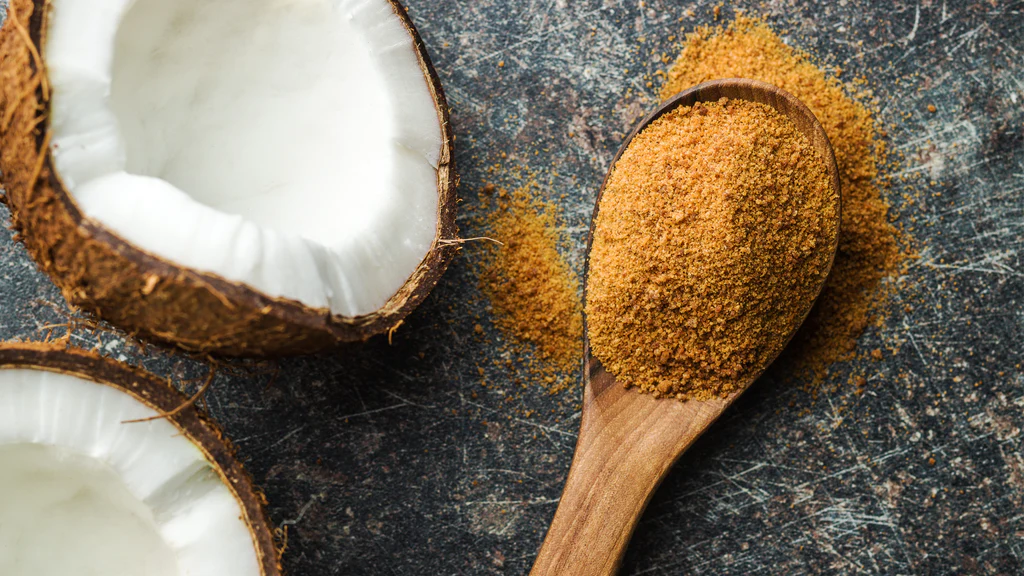
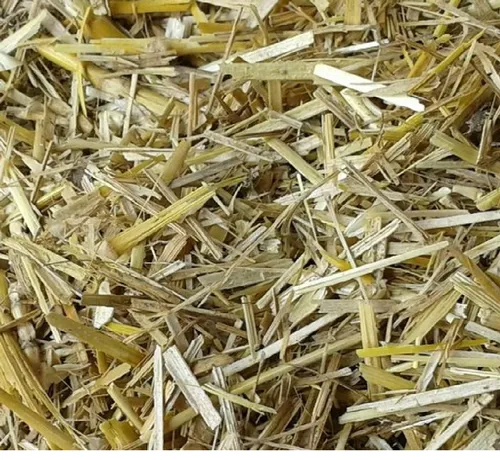
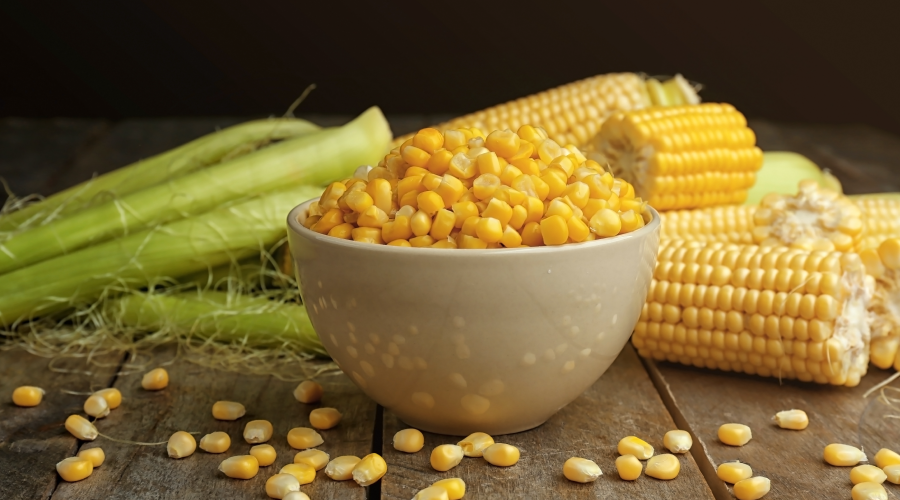
Bulgaria hosts Calerin Group, which lists 13 active products across food, agricultural and scrap commodity categories. The catalogue includes refined rapeseed oil (non‑GMO), refined sunflower oil, soybean oil (non‑GMO), durum wheat, yellow corn, wheat flour type 55, brown sugar (ICUMSA 60), white sugar (ICUMSA 45), cashew nuts, urea, soybean beans (grade A, non‑oil) and a bulk fuels line. In addition, the group offers used rail scrap classified under HS 7204.10 as carbon steel low‑alloy ferrous scrap. The product list spans the top categories of sugar, rapeseed oil, soybean oil, wheat, sunflower oil, used rail scrap, corn, and wheat flour as indicated in the supplied facts.
The supplier’s catalogue groups the commodities by HS‑code families typical for each type: oils fall under Chapter 15, cereals and flours under Chapter 10, sugars under Chapter 17, and ferrous scrap under Chapter 72. No additional HS codes are provided for the food items, so only the rail scrap code is cited. Calerin Group’s product set reflects standard export commodities from Bulgaria, a EU member with established grain and oilseed production and a growing scrap metal recycling sector.
Product Range and Specialties of Calerin Group
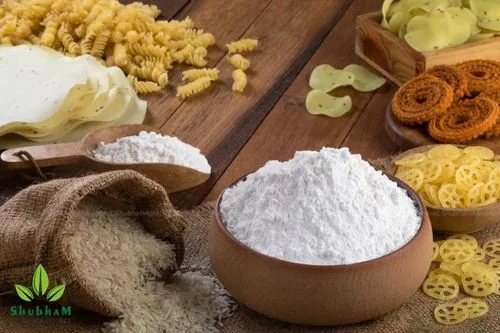
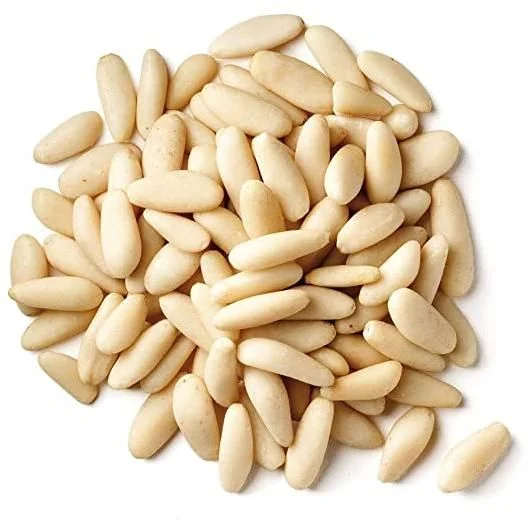
Calerin Group’s current offering includes refined rapeseed and sunflower oils labelled as non‑GMO, which in the market are usually measured by free fatty acid (FFA) levels below 0.1 % and iodine values around 115 - 125 g I₂/100 g. Refined soybean oil typically meets a peroxide value under 10 meq O₂/kg and a flash point above 260 °C. The durum wheat and yellow corn are traded in bulk or 25 kg bags, with protein contents commonly around 12 - 13 % for durum and 8 - 9 % for corn. Wheat flour type 55 conforms to European flour standards (ash 0.55 % and moisture ≤14 %). The sugar grades cited - ICUMSA 45 and ICUMSA 60 - correspond to white and brown sugars respectively, with moisture limits of 0.04 % and 0.5 %. Cashew nuts are usually exported in 20 kg bags with a moisture content below 5 % and a shell‑fraction around 45 %. Urea is supplied as granular 46 % N fertilizer, typically packed in 1 ton bags.
Trade and Export Information - Calerin Group
Bulgaria’s grain and oilseed output is largely shipped to EU members, the Middle East and North Africa, while sugar and nuts are commonly destined for EU and Asian markets. Ferrous scrap such as used rail is exported under HS 7204 to steel recyclers in Central Europe and the United Arab Emirates, often on roll‑on/roll‑off vessels. Buyers normally request ISO 9001 quality management certificates, HACCP or FSSC 22000 for food items, and a SGS or Bureau Veritas inspection report for scrap metal. Standard export documentation includes a commercial invoice, packing list, certificate of origin, phytosanitary certificate for seeds and nuts, and a material safety data sheet for urea. Typical logistics involve 20‑ft or 40‑ft containers for grains, flours and sugars, bulk tankers for refined oils, and open‑top containers or bulk carriers for scrap metal, with Incoterms such as FOB or CIF widely used.
Sourcing from Calerin Group - Buyer Guidance
When sourcing from Calerin Group, buyers should request a recent Certificate of Analysis (CoA) for each oil, confirming FFA, peroxide value and non‑GMO status, and a moisture and ash report for wheat flour type 55. For sugars, an ICUMSA certification and moisture test report are standard. Grain purchases normally require a third‑party inspection report (e.g., SGS) covering protein, moisture and foreign matter. Scrap metal orders should be accompanied by a mill test report specifying grade, alloy composition and a verification of the HS 7204.10 classification. Buyers are advised to verify the supplier’s ISO 9001 or HACCP certification before finalizing contracts and to request sample shipments for quality confirmation where feasible.
Frequently Asked Questions About Calerin Group
What oil grades does Calerin Group list and what specifications are typical?
The catalogue lists refined rapeseed, sunflower and soybean oils marked as non‑GMO. Typical specifications include free fatty acid levels ≤0.1 %, peroxide values ≤10 meq O₂/kg and iodine values around 115 - 125 g I₂/100 g.
Which sugar grades are offered and how are they measured?
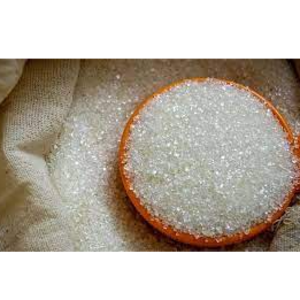
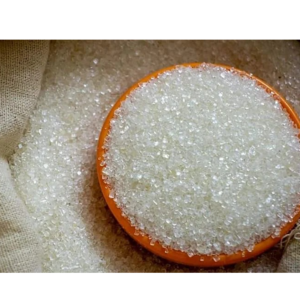
Brown sugar (ICUMSA 60) and white sugar (ICUMSA 45) are listed. ICUMSA numbers indicate color purity; ICUMSA 45 is a high‑grade white sugar with moisture ≤0.04 %, while ICUMSA 60 denotes brown sugar with higher moisture, usually ≤0.5 %.
What HS code applies to the used rail scrap?
Used rail scrap is classified under HS 7204.10 as carbon steel low‑alloy ferrous scrap, the code provided in the supplier’s catalogue.
What documentation should a buyer request for wheat flour type 55?
Buyers should ask for a Certificate of Analysis showing ash content around 0.55 %, moisture ≤14 % and a compliance statement with EU flour standard EN 1672.
Are non‑GMO certifications available for the oils?
The supplier labels the rapeseed, sunflower and soybean oils as non‑GMO; buyers should request the supplier’s non‑GMO declaration or a third‑party test report to confirm the claim.
What are the typical packaging formats for the grains and oils?
Cereals such as durum wheat and yellow corn are usually shipped in 25 kg bags or bulk 20‑ft containers. Refined oils are commonly packed in 20 ft or 40 ft containers with stainless‑steel drums or bulk tanker trucks.
Which certifications are commonly required for the food products?
International buyers often require ISO 9001 quality management, HACCP or FSSC 22000 food safety certification, and a phytosanitary certificate for nuts and seeds.
What lead time and MOQ are typical for the listed commodities?
Lead times vary by product but generally range from 30 to 60 days from order confirmation. Minimum order quantities are usually one 20‑ft container for bulk grains, 5 tons for oils and 1 ton for urea, unless otherwise negotiated.




 , Bulgaria