Blissfoodp — Verified Supplier
About Blissfoodp - Food Supplier in Panama
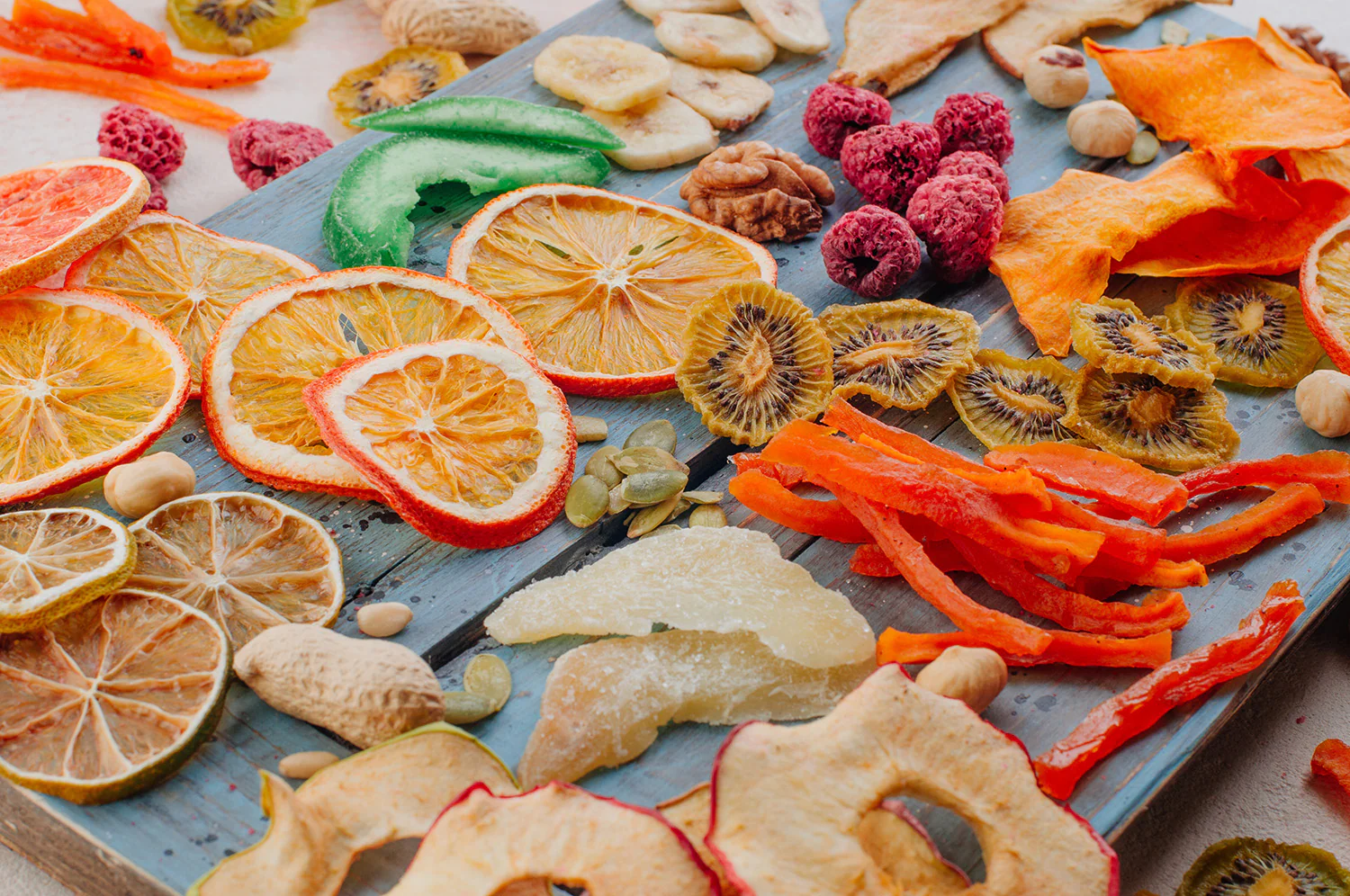
Blissfoodp is based in Panama City, Panama and maintains a catalogue of eight active products. The supplier’s portfolio includes herbal tea (Yerba), honey, multiple coffee origins, fresh exotic fruits, pineapple, seafood varieties, and soybean. Products are identified under standard HS chapters such as 0901 for coffee, 0805 for pineapples, 0409 for honey, 0302 for seafood, and 1201 for soybeans. The listed items correspond to the top categories reported, namely Herbal Tea, Honey, Arabica Coffee, Other Fresh Fruits, Pineapple, Seafood, Coffee, and Soybean. Blissfoodp’s import tier is classified as “imported” with a trust tier of “harbor”. The company’s public profile notes establishment in 2024.
Product Range and Specialties of Blissfoodp
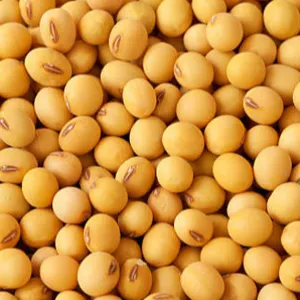
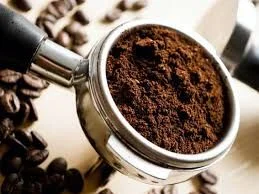
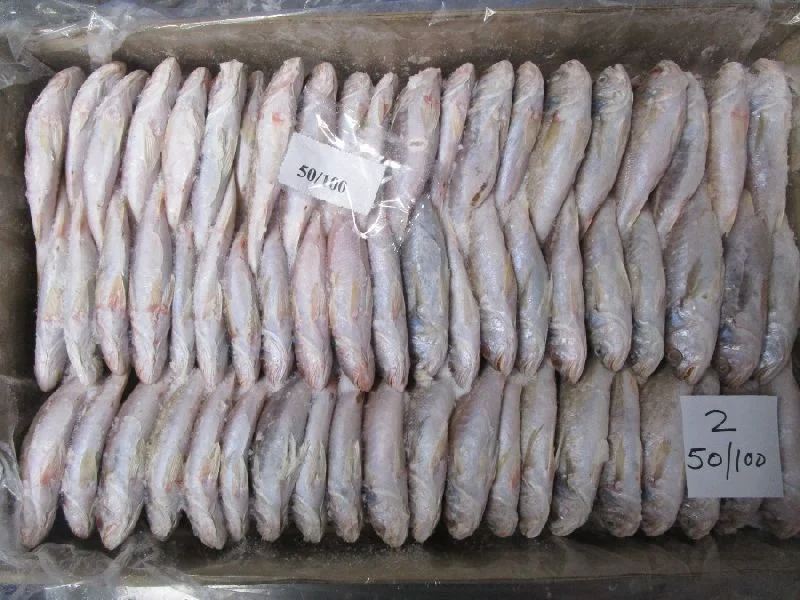
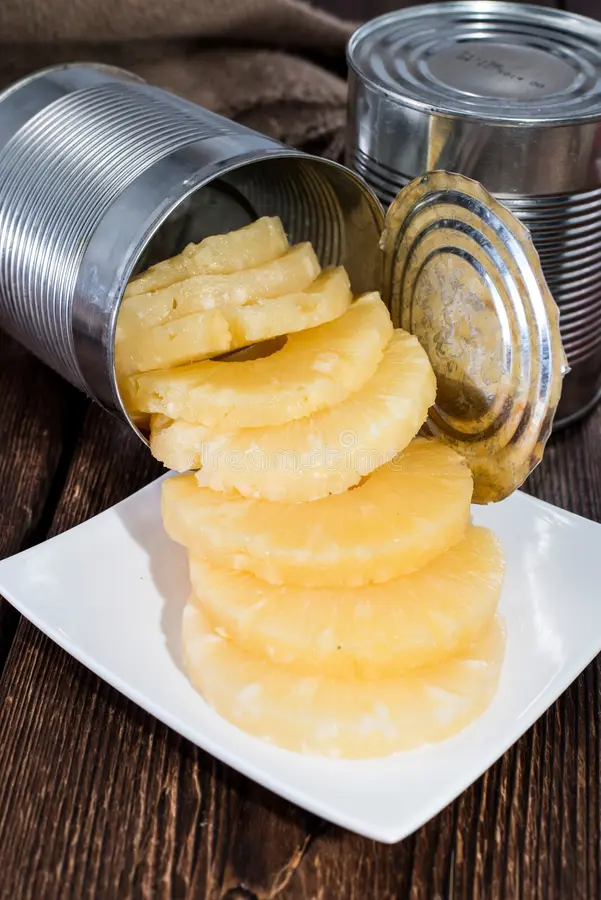
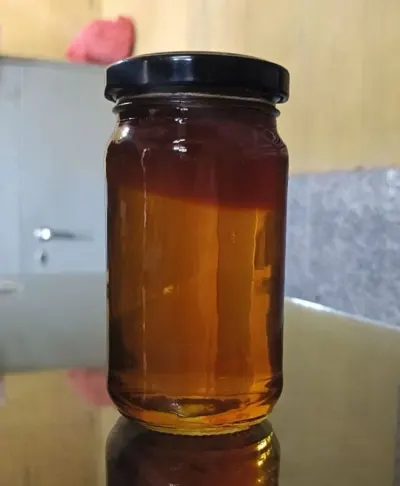
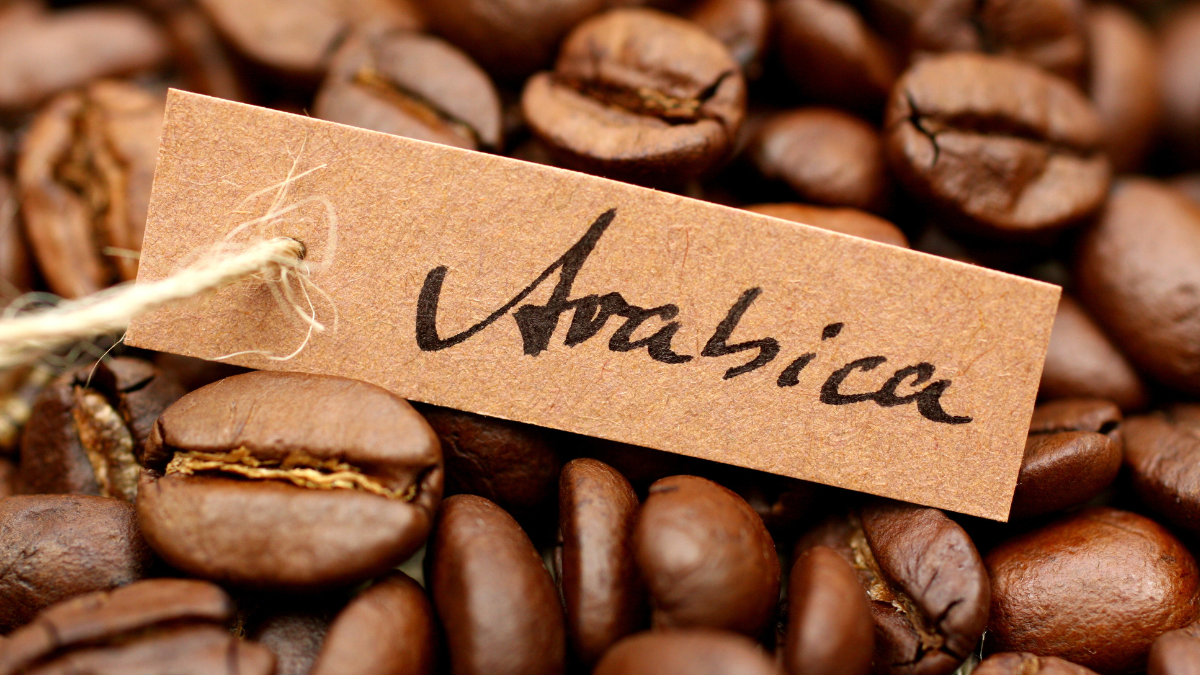
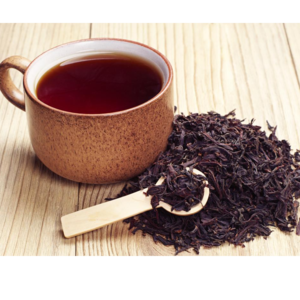
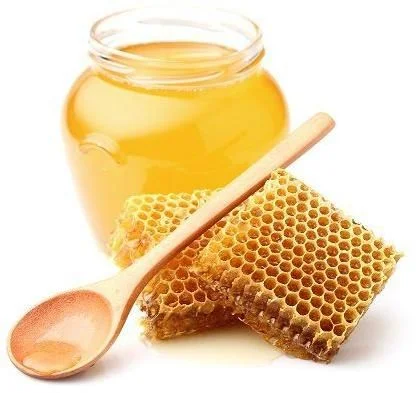
Arabica coffee varieties such as Arabian and Geisha are classified as specialty coffee and are usually graded by cupping scores above 80 points, with moisture content between 10‑12 % and bean size 15‑18 mm. International buyers often require certifications such as ISO 22000, HACCP, and, where applicable, organic or Fairtrade documentation. Honey marketed as “pure and raw” is commonly evaluated against ICUMSA 45 standards, with moisture limits of 18 % or lower and a minimum sucrose content of 95 %. Pineapple of the MD2 variety is typically harvested at a Brix level of 14‑16 % and packed in bulk crates or vacuum‑sealed cartons for export. Soybean shipments are assessed for protein content of 35‑40 % and moisture below 13 %, with phytosanitary certificates required for most markets. Seafood such as shrimp, lobster and fish are usually frozen at - 18 °C, packed in insulated boxes, and must meet HACCP and FDA/EFSA residue limits. Yerba, a type of herbal tea, is generally sold as dried leaves with a moisture content under 12 % and may be graded by leaf size and flavor profile. Exotic fruits and other fresh fruits fall under HS 0808 and are commonly shipped in refrigerated containers with a shelf life of 7‑14 days depending on the variety, with buyers typically requesting phytosanitary certificates and compliance with GlobalGAP standards.
Trade and Export Information - Blissfoodp
Panama serves as a strategic logistics hub for Latin American agricultural exports, with the Panama Canal facilitating rapid sea‑lane access to North America, Europe and Asia. Exporters of coffee, honey, pineapple and seafood from Panama commonly ship to the United States, the European Union, Canada and Japan, where demand for specialty coffee and high‑quality tropical products remains strong. HS chapter 09 (coffee) and chapter 04 (honey) are among the most frequently inspected categories, requiring phytosanitary certificates and, for the EU, compliance with the EU Food Hygiene Regulation (Regulation (EC) No 852/2004). Pineapple (HS 0805) and other fresh fruits often need a fumigation certificate and must meet the maximum residue limits (MRLs) set by the destination country. Seafood shipments (HS 0302) are subject to HACCP audit trails and must be accompanied by a health certificate that confirms compliance with the Codex Alimentarius standards for fish and crustaceans. Panama’s export authorities typically issue certificates of origin that allow preferential tariff treatment under the Central America‑EU Association Agreement. Standard container loading for coffee beans or roasted coffee is 20‑ft containers holding up to 12 metric tons, while bulk honey is often packed in food‑grade drums of 200 L or 500 kg IBCs. Frozen seafood is usually exported in refrigerated containers (40‑ft reefer) with temperature monitoring devices to ensure the cold chain, and buyers should request the supplier’s export documentation pack, including commercial invoice, packing list, bill of lading, and any required sanitary certificates before shipment.
Sourcing from Blissfoodp - Buyer Guidance
When sourcing from Blissfoodp, buyers should request detailed product specifications, including moisture content for honey and coffee, Brix level for pineapple, and protein percentage for soybean. Laboratory test reports for pesticide residues, aflatoxin (for coffee and nuts), and microbial counts (for honey and seafood) are standard documents that help verify compliance with importing country regulations. Certifications to look for include ISO 22000, HACCP, and any organic or Fairtrade certificates if the buyer requires them. For seafood, a health certificate issued by the Panamanian authority and a freezer temperature log are essential. Buyers are advised to confirm the packaging format - e.g., 200 L drums for honey, 40‑ft reefers for seafood, and cardboard cartons for pineapples - to ensure compatibility with their logistics chain. Prior to placing a full order, requesting a sample batch and reviewing the supplier’s phytosanitary and origin certificates can reduce risk. Typical minimum order quantities for coffee beans range from 10 metric tons, while honey is often ordered in multiples of 5 000 kg. Pineapple shipments usually require a full container load (≈ 30 tons) to achieve cost‑effective freight rates, and lead times for fresh fruit and seafood can be 2‑4 weeks from order confirmation, whereas dried products such as coffee and soybeans may require 4‑6 weeks due to processing and quality checks.
Frequently Asked Questions About Blissfoodp
What HS codes apply to Blissfoodp’s coffee products?
Coffee products listed by Blissfoodp fall under HS Chapter 09, specifically HS code 0901 for coffee beans. Buyers should verify the exact sub‑heading on the commercial invoice.
Which certifications should I request for the honey?
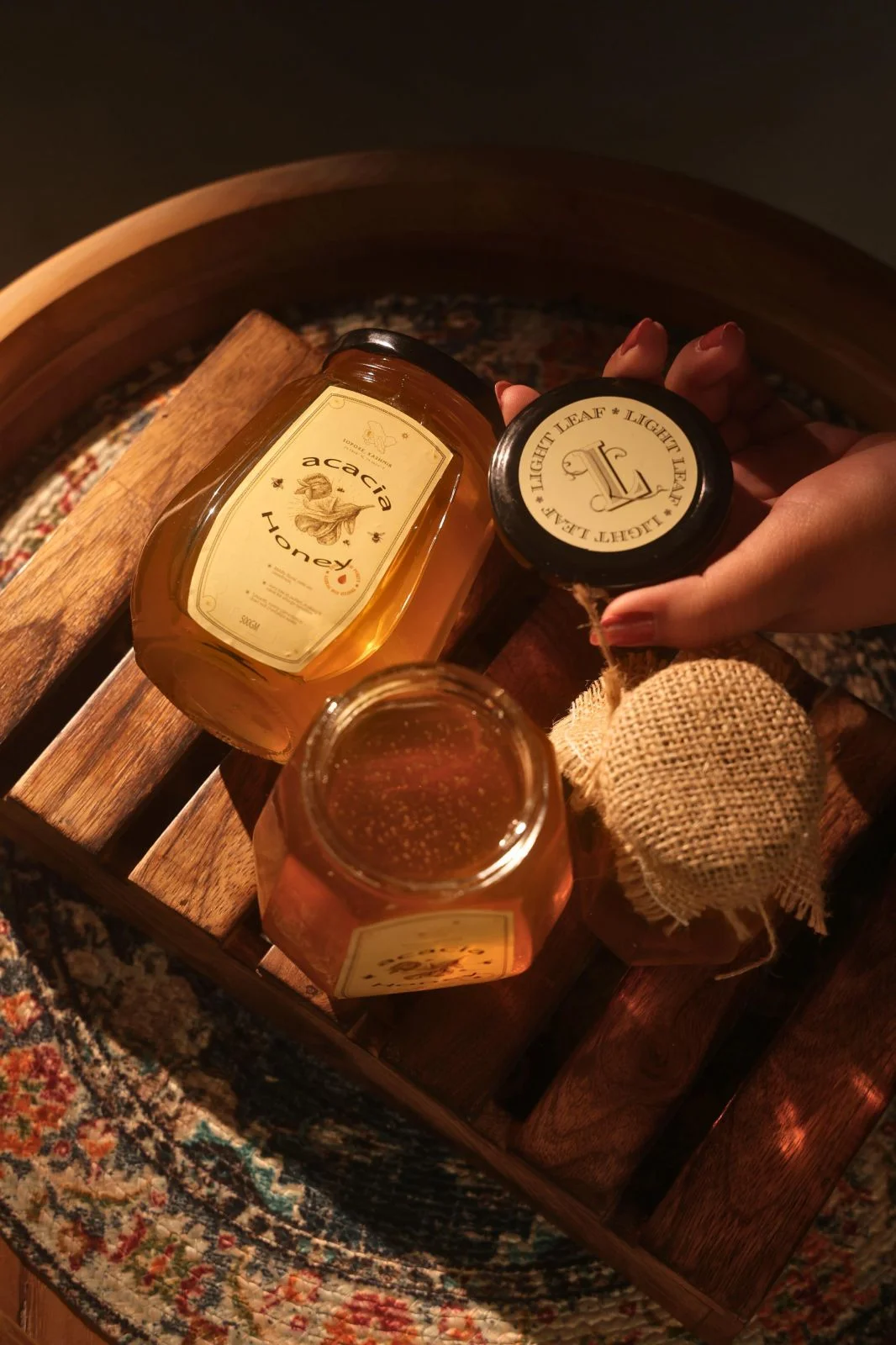
For raw honey, request an ICUMSA analysis report, a moisture content test (≤ 18 %), and any ISO 22000 or HACCP certificates the supplier holds. If organic claims are needed, ask for the corresponding organic certification.
How is the MD2 pineapple packaged for export?
MD2 pineapple is typically packed in bulk crates or vacuum‑sealed cartons with protective padding, designed for refrigerated container loading. The shipment is usually accompanied by a phytosanitary certificate and a Brix test report.
What documentation is required for seafood shipments?
Seafood exports require a health certificate, HACCP compliance documentation, and a temperature log confirming frozen storage at - 18 °C. A certificate of origin and a bill of lading are also standard.
What are typical moisture limits for the coffee beans?
Specialty Arabica coffee beans are generally required to have a moisture content between 10 % and 12 % to prevent mold development during transport.
Can I obtain a sample of the Yerba before placing a larger order?
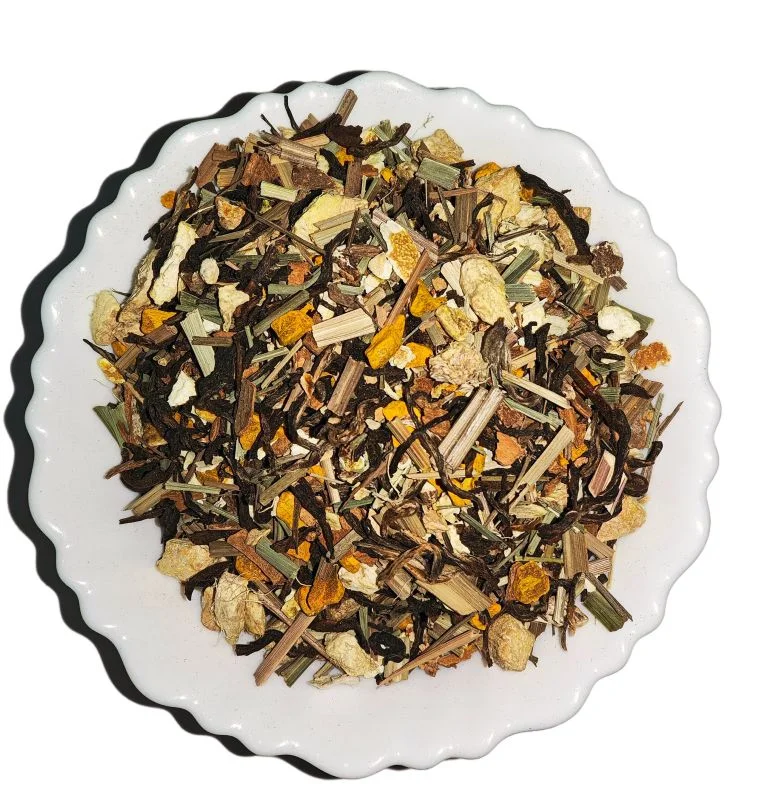
Yes, buyers can request a sample of Yerba in a sealed bag, accompanied by a moisture analysis and a leaf‑size grading report to assess quality before committing to a bulk purchase.
What are the usual lead times for soybean deliveries?
Soybean orders from Panama typically have a lead time of 4‑6 weeks, covering processing, quality testing, and container loading.
Which markets does Blissfoodp primarily export to?
While specific destinations are not listed, exporters of Panamanian coffee, honey, pineapple, seafood and soybeans commonly serve the United States, the European Union, Canada and Japan, reflecting the major demand centers for these products.




 , Panama