Agriculture›
 Apparel and fashion accessories›
 Construction & real estate›💡Electronic & Electrical›🍎Food & Beverages›🛋️Home furnishing & supplies›⚗️Industrial goods & chemical›🪨Minerals & metals›📦Miscellaneous›Agriculture›Apparel and fashion accessories›Construction & real estate›💡Electronic & Electrical›🍎Food & Beverages›🛋️Home furnishing & supplies›⚗️Industrial goods & chemical›🪨Minerals & metals›📦Miscellaneous›
Bio Herbal Farm Company Product Catalog

About Bio Herbal Farm Company - Herbal Supplier in Egypt
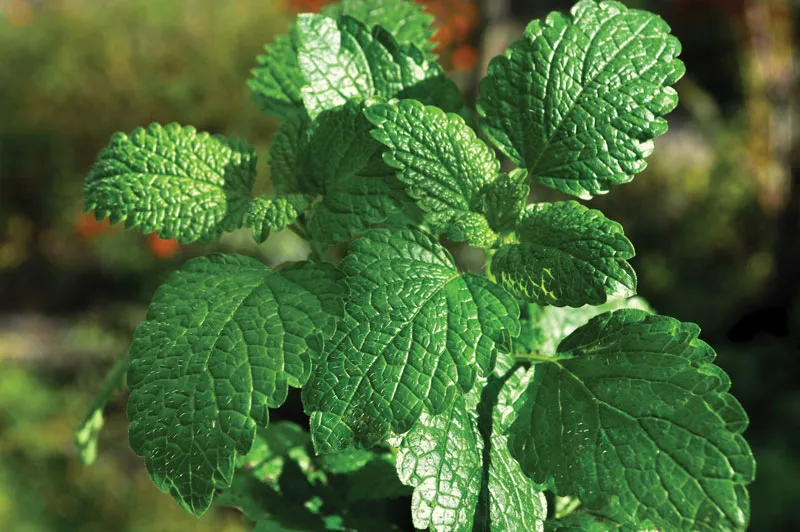
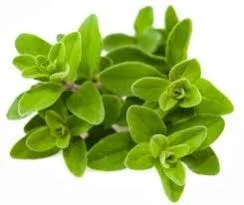
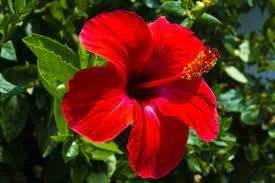
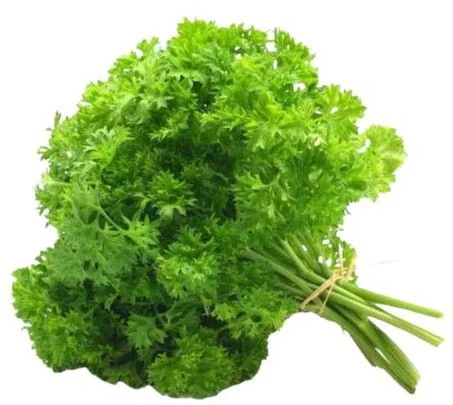
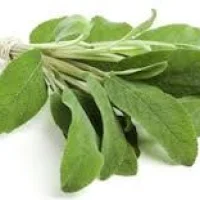
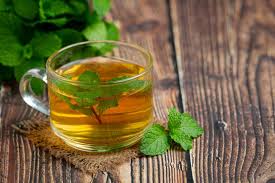
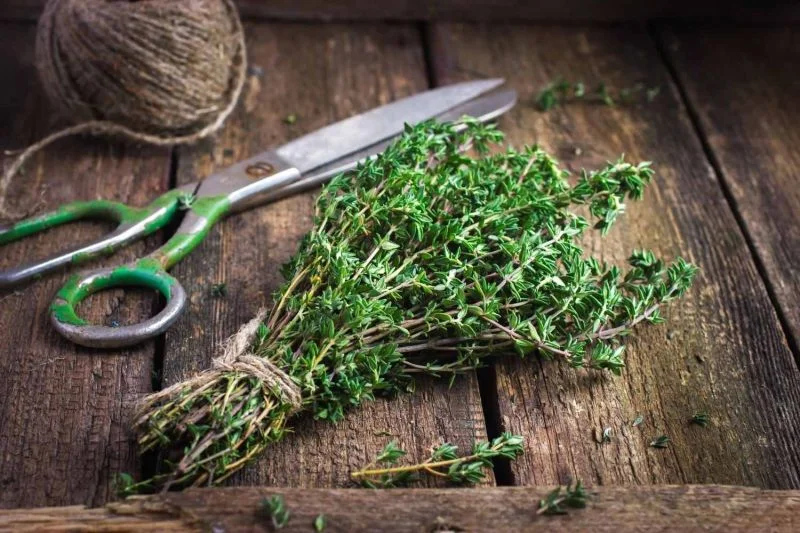
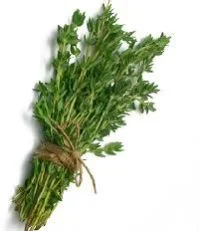
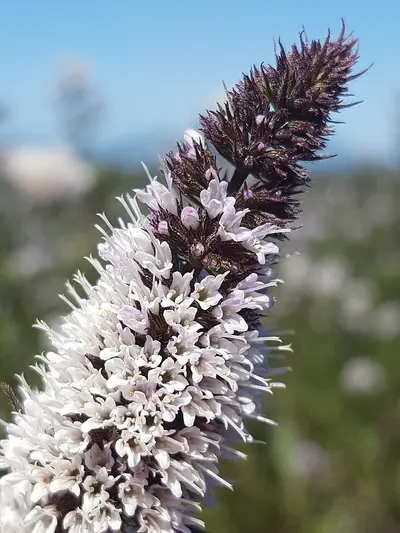
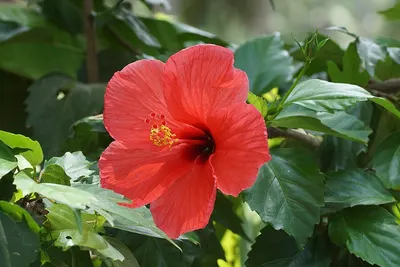
Egypt, a significant player in the global herbal market, is home to Bio Herbal Farm Company, which boasts an active product count of 5. The company's product range includes Peppermint, Marjoram, Hibiscus, Parsley, and Sage, all of which are popular herbs used in various industries such as food, beverages, and pharmaceuticals. With its strategic location in Egypt, Bio Herbal Farm Company is well-positioned to cater to the demands of the global market. The company's herbal products are likely to be of interest to buyers from regions such as Europe, North America, and Asia, where there is a growing demand for natural and organic products.
The herbal products offered by Bio Herbal Farm Company are likely to be graded according to their quality, with specifications such as moisture content, purity, and essential oil content being crucial parameters. For instance, Peppermint is typically graded according to its essential oil content, with quality Peppermint containing at least 1.5% essential oil. Similarly, Marjoram is graded according to its moisture content, with quality Marjoram containing less than 10% moisture.
Product Range and Specialties of Bio Herbal Farm Company
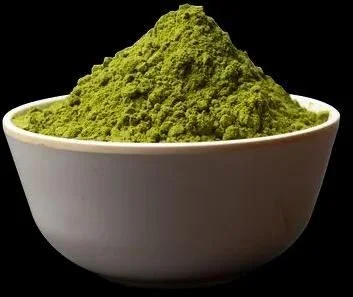
Bio Herbal Farm Company's product range includes a variety of herbs, each with its unique characteristics and uses. Peppermint, for example, is commonly used in teas, candies, and digestive products, while Marjoram is used in soups, stews, and meat dishes. Hibiscus, on the other hand, is used in teas, juices, and as a natural food coloring. Parsley and Sage are commonly used as garnishes and in sauces. Buyers can expect to find these herbs in various forms, including dried, powdered, and fresh.
In the herbal industry, buyers typically require certifications such as ISO 22000, which ensures food safety, and ISO 9001, which ensures quality management. Additionally, buyers may require test reports, such as those for heavy metals, pesticides, and microbial contaminants, to ensure the safety and quality of the herbs.
Frequently Asked Questions About Bio Herbal Farm Company
What certifications should buyers request from Bio Herbal Farm Company?
Buyers should request certifications such as ISO 22000 and ISO 9001 to ensure compliance with food safety and quality management standards.
What documents should buyers request from Bio Herbal Farm Company?
Buyers should request documents such as certificates of origin, phytosanitary certificates, and commercial invoices to ensure compliance with regulatory requirements.
What is the typical moisture content of Peppermint?
The typical moisture content of Peppermint is less than 10%. Buyers should request test reports to confirm this parameter.
What is the typical essential oil content of Marjoram?
The typical essential oil content of Marjoram is at least 1.5%. Buyers should request test reports to confirm this parameter.
What is the typical packaging format for herbal products?
The typical packaging format for herbal products includes 20 ft and 40 ft containers. Buyers should confirm the packaging details with the supplier.
 Egypt
Related Suppliers & Products
Explore similar suppliers, related products and trending categories