Bella Food & Beverage Co., Ltd. — Verified Supplier
About Bella Food & Beverage Co., Ltd. - Fruit Juices Supplier in Viet Nam
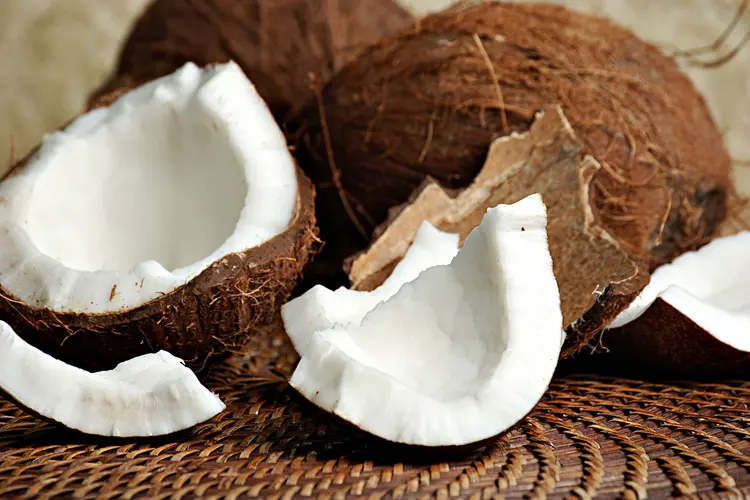
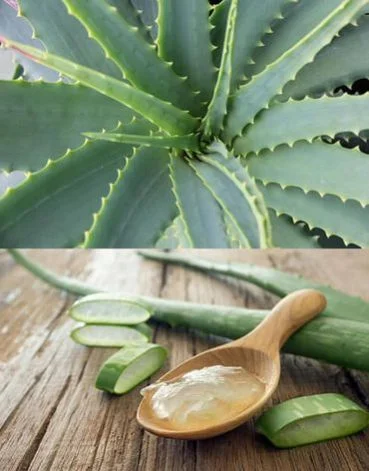
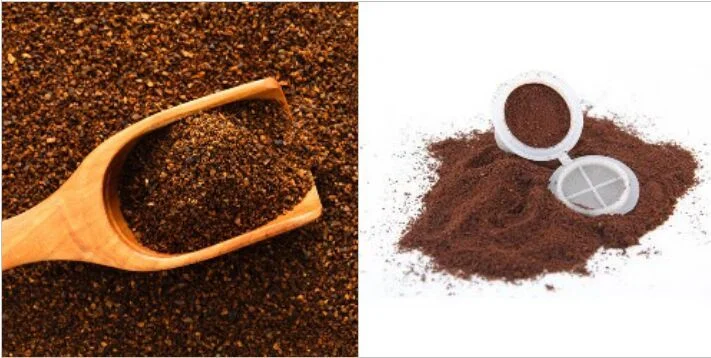
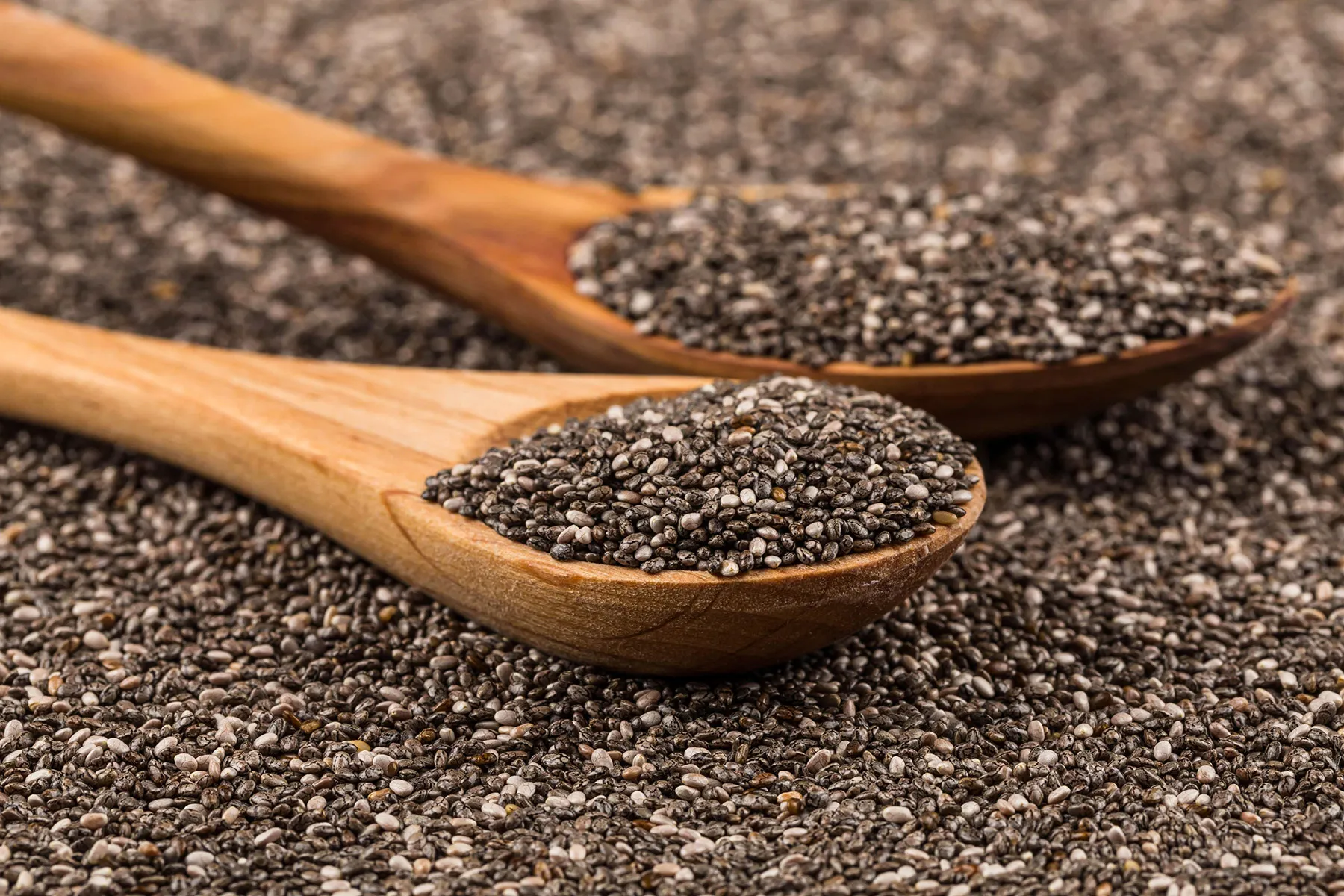
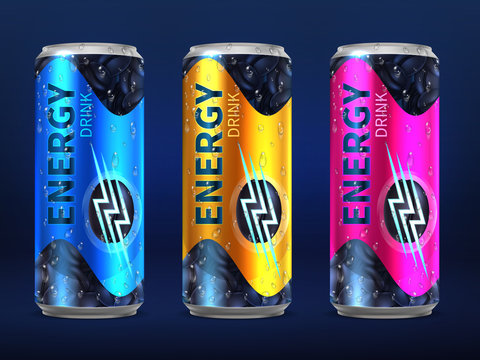
Vietnam‑based Bella Food & Beverage Co., Ltd. lists eleven active products across beverage and herb categories. The catalogue includes Fruit Juice, Basil Seed Drink, Energy Drink, Chia Seed Drink, Coffee, Falooda, Nata De Coco, Aloe Vera Juices, Coconut Drink, Soft Drink and Soya Drink, covering both ready‑to‑drink and ingredient forms.
The product set falls under several HS‑code families commonly used for beverage trade, such as HS 2202 for fruit juices, HS 2106 for soft drinks, HS 2101 for coffee and HS 2105 for other non‑alcoholic beverages. These codes guide customs classification and duty assessment for exporters and importers handling similar Vietnamese food‑grade liquids.
Product Range and Specialties of Bella Food & Beverage Co., Ltd.
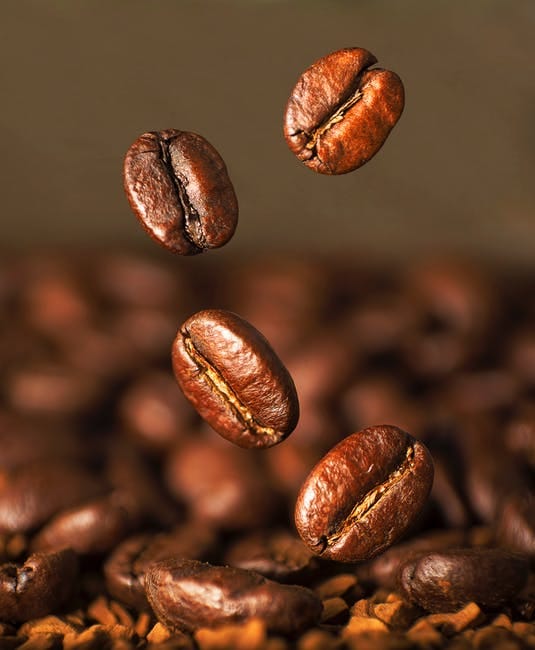
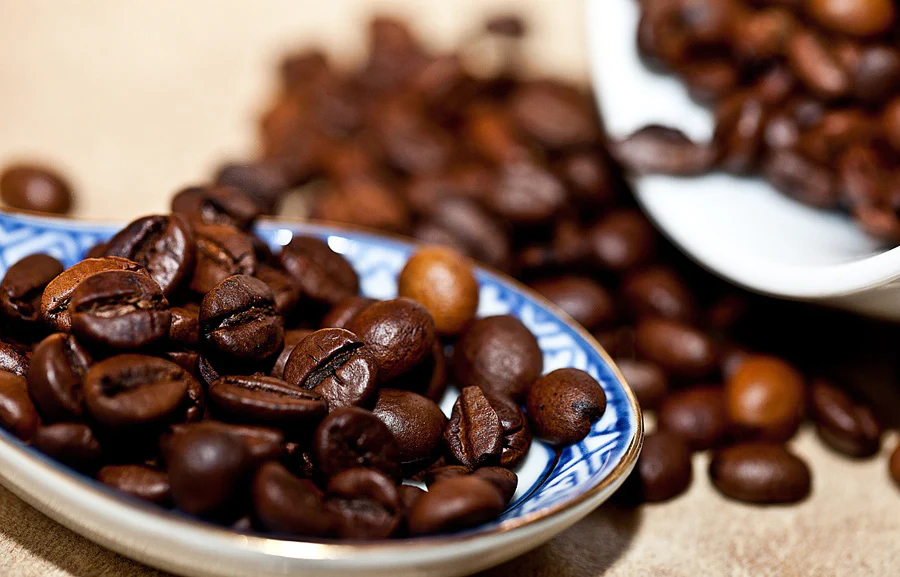
The listed items span ready‑to‑drink juices (Fruit Juice, Aloe Vera Juices, Coconut Drink, Soft Drink, Soya Drink) and functional drinks (Basil Seed Drink, Chia Seed Drink, Energy Drink, Falooda, Nata De Coco). Typical industry specifications include Brix levels of 10‑15 % for fruit‑based juices, pH 3.0‑4.0, pasteurisation at 85‑95 °C for 30 seconds, and shelf‑life of 12‑24 months in PET or Tetra Pak packaging. Functional drinks often require declared fiber content (e.g., ≥2 g / 100 ml for chia or basil seed drinks) and caffeine levels of 30‑80 mg / L for energy drinks. Coffee is usually offered as roasted beans or ground coffee, meeting ISO 9001 quality management and often graded by Arabica percentage and moisture content below 12 %.
Trade and Export Information - Bella Food & Beverage Co., Ltd.
Vietnam ranks among the top global exporters of beverages and coffee, with the EU, United States and Japan representing the largest import markets for Vietnamese non‑alcoholic drinks. HS 2202, 2106 and 2101 products are routinely inspected under the Codex Alimentarius framework, and importers frequently request HACCP or ISO 22000 certification, as well as organic or Kosher certificates when applicable. Standard export logistics involve 20‑foot containers holding up to 15 metric tonnes of liquid packs, or 40‑foot containers for bulk shipments, with Incoterms such as FOB Ho Chi Minh City or CIF Singapore commonly used. Vietnamese exporters also observe phytosanitary regulations for plant‑based ingredients, requiring phytosanitary certificates for items like basil seed or chia seed drinks.
Sourcing from Bella Food & Beverage Co., Ltd. - Buyer Guidance
Buyers should obtain a full product specification sheet that lists Brix, pH, microbial limits (e.g., total plate count <10⁴ CFU/ml), and any allergen statements. Request a Certificate of Analysis for each batch, along with HACCP or ISO 22000 compliance documents, and where relevant, organic or Kosher certificates. Verify packaging material (PET 250 ml, 500 ml or 1 L bottles, or Tetra Pak cartons) and confirm that the supplier can meet typical MOQ ranges of 5 000 units per SKU, with lead times of 30‑45 days from order confirmation.
Frequently Asked Questions About Bella Food & Beverage Co., Ltd.
What HS codes apply to the beverages listed by Bella Food & Beverage?
Typical HS classifications are 2202 for fruit juices, 2106 for soft drinks, 2101 for coffee and 2105 for other non‑alcoholic beverages, which match the catalogue items.
Which quality certifications are commonly required for these Vietnamese drinks?
Importers usually ask for HACCP, ISO 22000, and where relevant organic or Kosher certificates; these are not listed as held by the supplier, so they should be requested.
What are the usual packaging formats for the listed drinks?
Bottles in PET (250 ml, 500 ml, 1 L) and Tetra Pak cartons are standard; bulk formats such as 200‑liter IBCs are also used for some functional drinks.
What is a typical minimum order quantity for a single beverage SKU?
Buyers often start with 5 000 units per SKU, which can be adjusted based on container capacity and product shelf life.
How long does production and shipment normally take?
Lead times of 30 to 45 days are common from order confirmation to loading, depending on product type and packaging.
Which documents should be requested before placing an order?
Request a product specification sheet, Certificate of Analysis, HACCP or ISO 22000 compliance proof, and a phytosanitary certificate for plant‑based drinks.
What are the main export markets for Vietnamese beverage products?
The European Union, United States and Japan are the largest importers of Vietnamese non‑alcoholic beverages and coffee.
What logistics options are typical for shipping these drinks?
Standard logistics use 20‑foot or 40‑foot containers, with Incoterms such as FOB Ho Chi Minh City or CIF Singapore most frequently applied.




 , Viet Nam