Agriculture›
 Apparel and fashion accessories›
 Construction & real estate›💡Electronic & Electrical›🍎Food & Beverages›🛋️Home furnishing & supplies›⚗️Industrial goods & chemical›🪨Minerals & metals›📦Miscellaneous›Agriculture›Apparel and fashion accessories›Construction & real estate›💡Electronic & Electrical›🍎Food & Beverages›🛋️Home furnishing & supplies›⚗️Industrial goods & chemical›🪨Minerals & metals›📦Miscellaneous›
Azerbaijan Trade Organization
⚓ Harbor , AzerbaijanNew supplier / no reviews yet
Azerbaijan Trade Organization Product Catalog



About Azerbaijan Trade Organization - Diesel Supplier in Azerbaijan
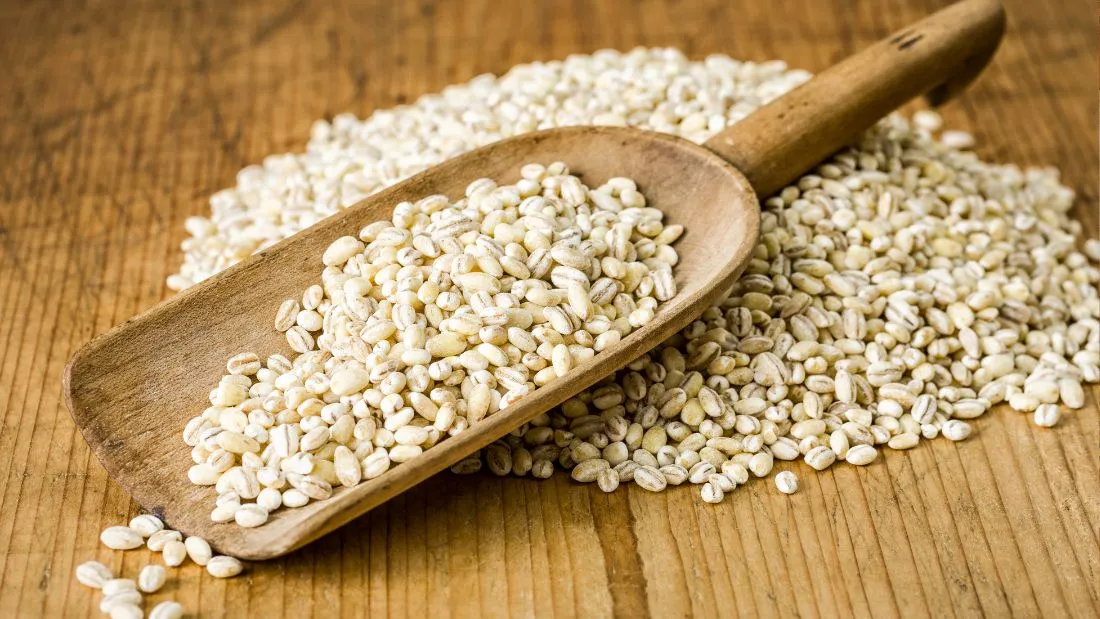
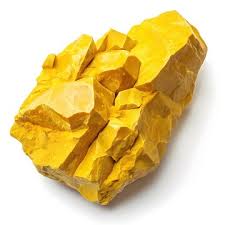
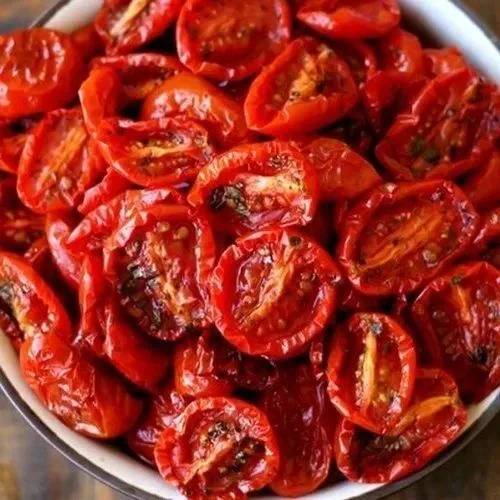
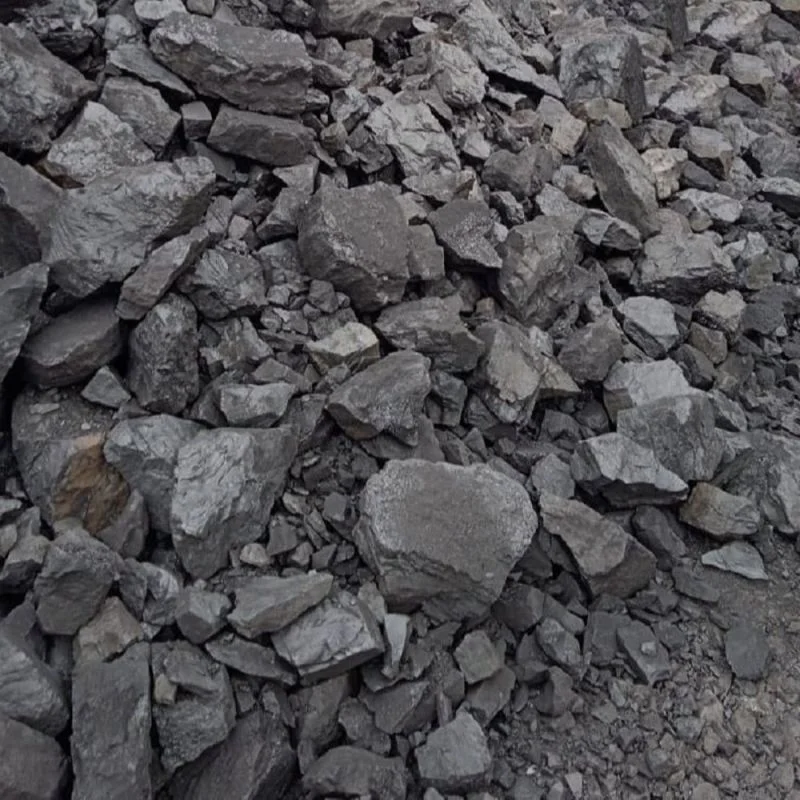
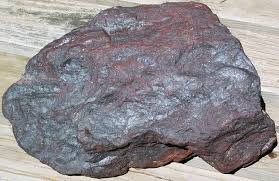
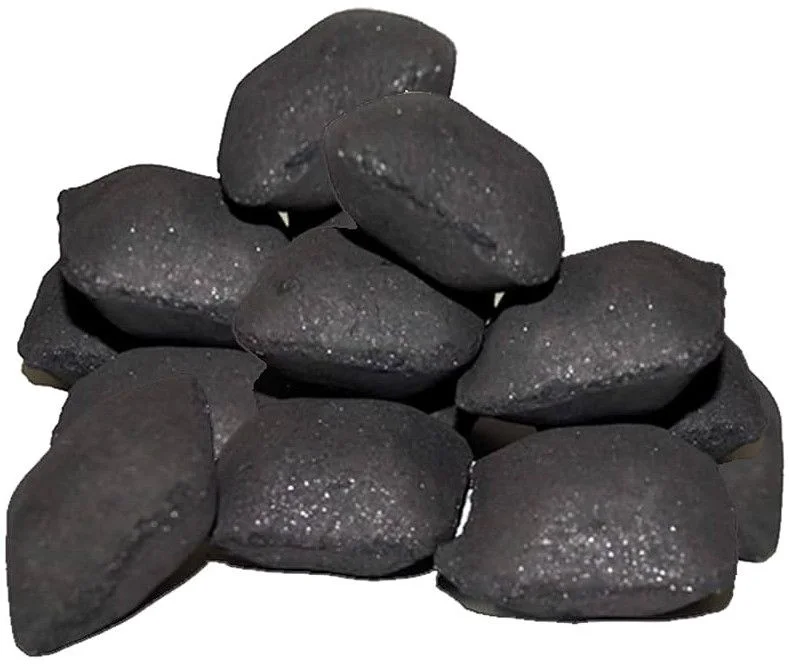
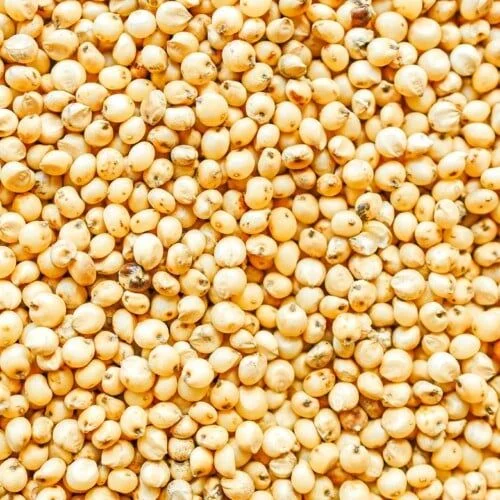
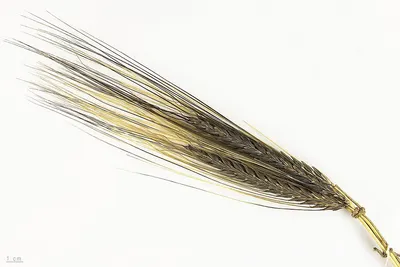
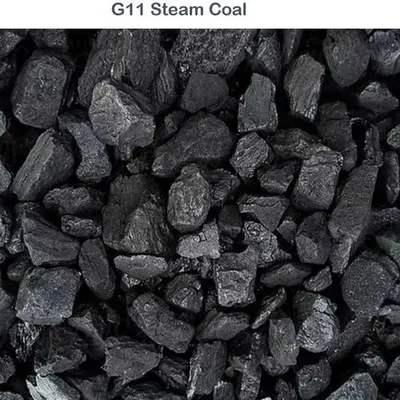
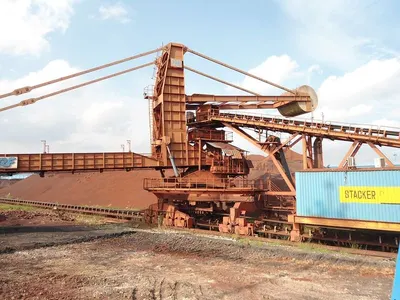
Azerbaijan Trade Organization is based in Azerbaijan and currently lists 14 active products across several commodity groups. The catalogue includes energy products such as Diesel EN590, D2 gasoil and Aviation Fuel, agricultural goods like Wheat, Barley (HS 1003.90) and Fresh Tomato, processed vegetable pastes such as Tomato Paste, as well as industrial commodities including Granular Sulphur, Steam Coal, Steel Billets (HS 7207.11, carbon mild steel) and Iron Ore (HS 2601.11, hematite/magnetite with Fe content 58‑65%). Each entry is grouped under the top categories reported, for example Diesel, Wheat, Processed Vegetable Pastes & Purees, Sulphur, Poultry, Steel Billets, Steam Coal and Iron Ore. The supplier’s trust tier is listed as “harbor”, indicating a mid‑level verification level on the platform. No further corporate history, employee numbers or revenue figures are provided in the source data.
Product Range and Specialties of Azerbaijan Trade Organization
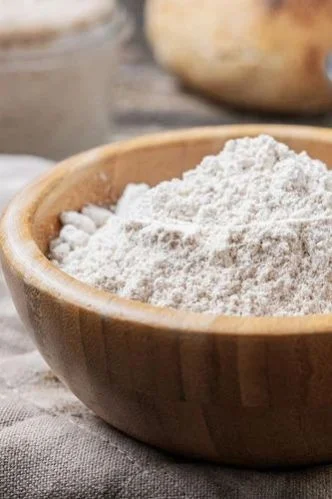
The product list shows Wheat and Wheat Flour as separate entries, a Barley grain product identified with HS code 1003.90, and Fresh Tomato alongside Tomato Paste, representing both raw and processed vegetable categories. In the steel segment the only item is Carbon Steel Billet (mild steel) under HS 7207.11, while Iron Ore is described with Fe content between 58 % and 65 % under HS 2601.11. Energy products comprise Diesel EN590, D2 Gasoil and Aviation Fuel, and the bulk mineral side includes Steam Coal and Granular Sulphur. Typical industry specifications for these categories include wheat protein levels of 12‑14 % and moisture below 14 %, barley protein around 12 % and moisture under 13 %, diesel conforming to EN590 standards (sulfur ≤10 ppm, cetane number ≥51), aviation fuel meeting ASTM D1655 or ISO 9100, steel billets often supplied to ASTM A36 or EN 10025 grade specifications, and iron ore with Fe content in the 58‑65 % range and moisture below 5 %. Sulphur is generally required at a purity of 99.5 % or higher, and steam coal typically carries a calorific value of 5,500‑6,000 kcal/kg with sulfur content below 1 %.
Frequently Asked Questions About Azerbaijan Trade Organization
What commodity categories does Azerbaijan Trade Organization list?
The supplier lists fourteen products covering Diesel EN590, D2 Gasoil, Aviation Fuel, Wheat, Wheat Flour, Barley (HS 1003.90), Fresh Tomato, Tomato Paste, Granular Sulphur, Steam Coal, Steel Billets (HS 7207.11, carbon mild steel) and Iron Ore (HS 2601.11, Fe 58‑65 %).
Which HS codes are associated with the steel and iron ore products?
Steel Billets are classified under HS 7207.11 and described as carbon mild steel billets. Iron Ore is listed under HS 2601.11 with a reported iron content of 58‑65 %.
What typical quality specifications should I verify for diesel purchases?
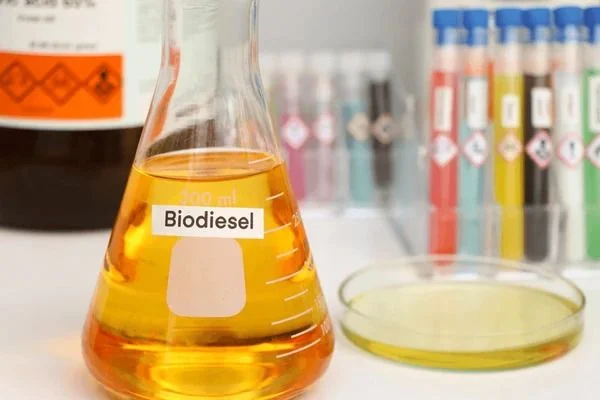
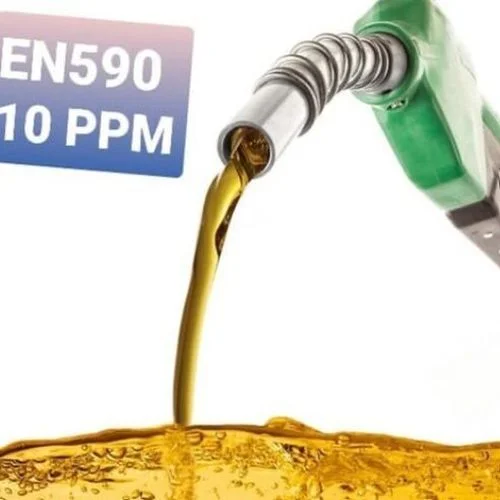
Diesel should meet EN590 standards, which require sulfur ≤10 ppm, a cetane number of at least 51, density between 820‑845 kg/m³ and a flash point above 55 °C. Request a recent EN590 analysis report.
How is wheat quality usually measured for export?
Export‑grade wheat is commonly assessed for protein content (12‑14 %), moisture (≤14 %), ash (≤1.5 %) and test weight (≈78 kg/hl). Buyers normally ask for a laboratory certificate covering these parameters.
What certifications are normally required for steel billets?
Buyers typically request a Mill Test Certificate (MTC) conforming to ASTM A36 or EN 10025, and evidence of ISO 9001 quality management. An independent SGS inspection report is also standard.
AzerbaijanRelated Suppliers & Products
Explore similar suppliers, related products and trending categories