AVM Cocos — Verified Supplier

About AVM Cocos - Coconut By-Products Supplier in India

India hosts AVM Cocos, which currently lists eight active products in its catalogue. The catalogue includes Husked Coconut, Coconut Powder, Coconut Shell, Charcoal, Coconut Fibre, Coco Pith, Grow Bag and Geotextiles, covering the broader categories of coconut by‑products, coir and related textile applications. Each product aligns with standard HS code families for coconut and technical textiles, such as HS 4402‑4406 for coconut derivatives and HS 5602 for geotextile fabrics. The supplier’s portfolio reflects the typical product mix exported from the Indian coconut sector, ranging from raw husked nuts to processed fibres and specialty bags.

The eight items span raw material (Husked Coconut, Coconut Shell), processed powders, fibre and pith for horticultural use, as well as charcoal and engineered textile products. AVM Cocos does not disclose any additional certifications, so buyers should verify conformity with the usual import requirements for each HS chapter. The product set is representative of Indian exporters that serve markets in the Middle East, Europe and North America, where demand for sustainable coconut derivatives remains strong.

Product Range and Specialties of AVM Cocos

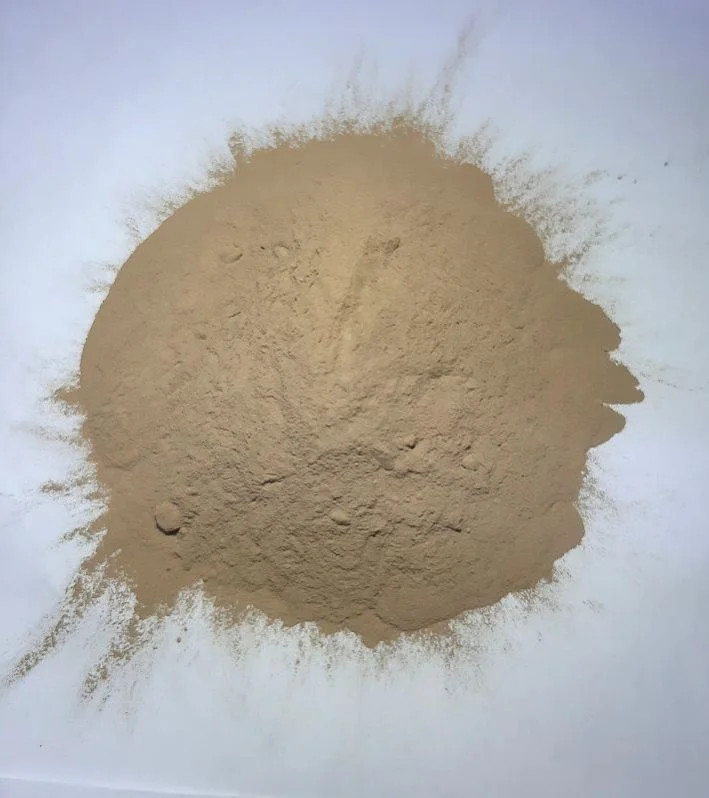
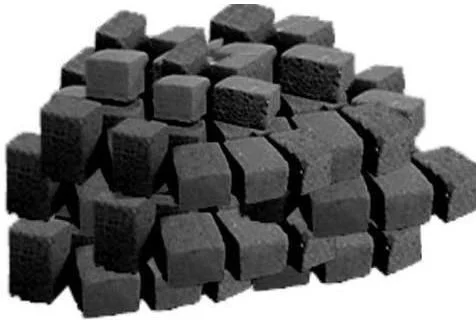
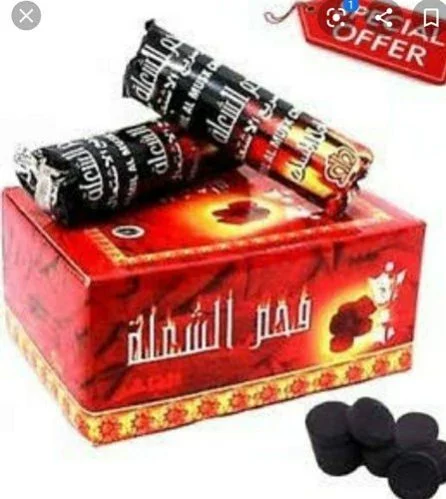
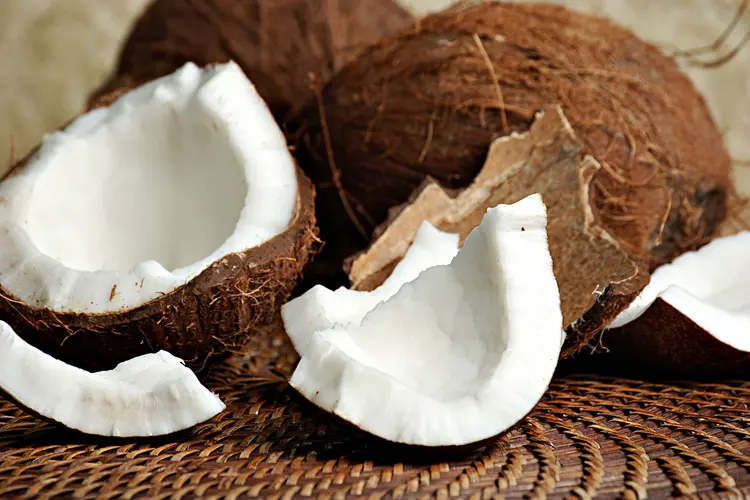
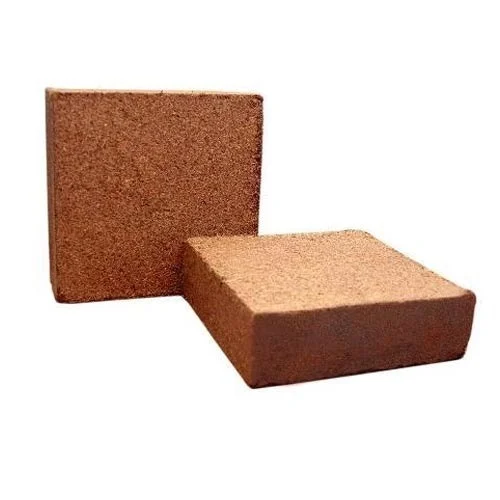
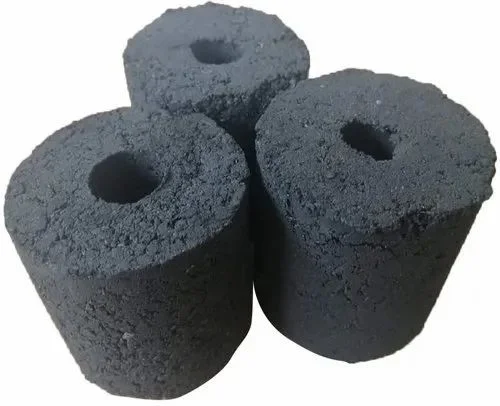
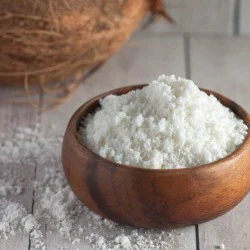
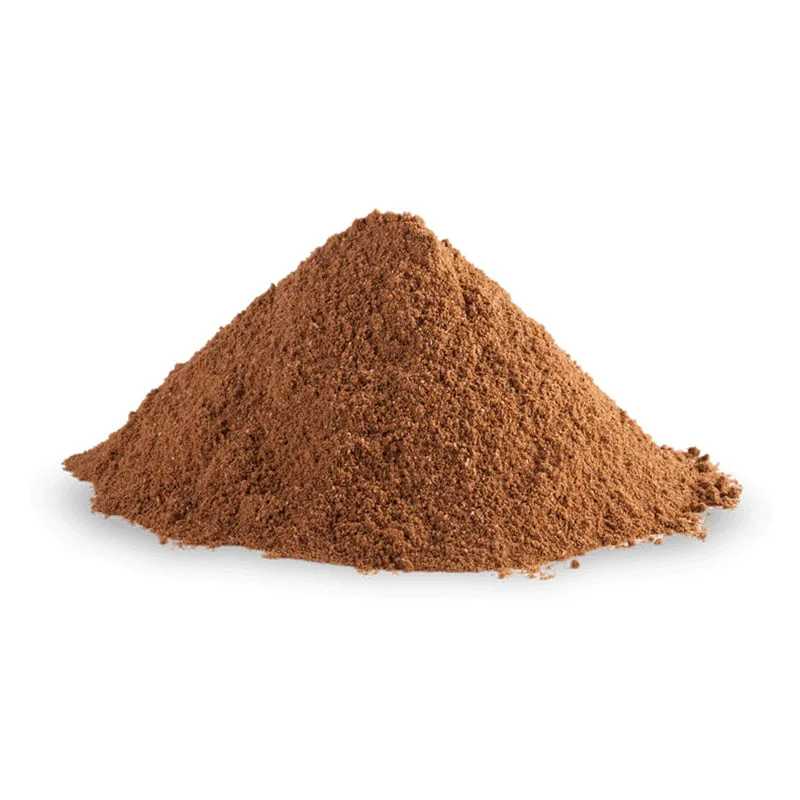
AVM Cocos offers Husked Coconut that is typically graded A or B with moisture below 10 % and a kernel recovery of 60‑65 %. Coconut Powder is usually milled to 80‑120 mesh, with moisture under 8 % and a bulk density of 0.45‑0.55 g cm‑3. Coconut Shell and Charcoal are supplied in sizes 6‑12 mm; charcoal grades commonly target ash content below 5 % and a calorific value of 28‑30 MJ kg‑1. Coconut Fibre (coir) is measured by length 30‑50 mm, bulk density 0.12‑0.15 g cm‑3, and tensile strength around 1 MPa, while Coco Pith (coir pith) has moisture 12‑15 % and bulk density 0.07‑0.09 g cm‑3. Grow Bags are woven coir containers available in standard dimensions such as 30 × 30 cm or 50 × 50 cm, with load capacities from 5 L to 20 L. Geotextiles are supplied as non‑woven or woven sheets with thickness 0.5‑2 mm, tensile strength 100‑300 N m‑1, and perforation rates suited to drainage or reinforcement applications.

Trade and Export Information - AVM Cocos

India ranks among the top global exporters of coconut by‑products, with major shipment corridors to the United Arab Emirates, Saudi Arabia, the United States, the European Union and China. The HS 44 series (e.g., 4402 for husked coconut, 4403 for coconut shells, 4404 for coconut husks, 4406 for charcoal) governs customs duties and often requires a phytosanitary certificate and a certificate of origin. Technical textiles such as geotextiles fall under HS 5602, where buyers typically request compliance with ISO 9001 and ISO 14001, as well as test reports for tensile strength and UV resistance. Export logistics usually involve loading bulk or bagged cargo into 20 ft or 40 ft containers, with FOB Mumbai or CIF Dubai being common Incoterms. Indian exporters also adhere to the Bureau of Indian Standards (BIS) guidelines for moisture and contaminant limits, although these are not mandatory certifications for all buyers.

Sourcing from AVM Cocos - Buyer Guidance

When sourcing from AVM Cocos, buyers should request moisture content and bulk density test reports for all coconut‑based products, and ash‑content analysis for charcoal. For fibre and pith, a specification sheet covering fibre length, tensile strength and permissible impurity levels is standard practice. Buyers are advised to obtain a phytosanitary certificate, a certificate of origin, and, where required by the destination market, ISO 9001 or ISO 14001 compliance documentation before finalizing orders. Verifying packaging details - such as polypropylene woven sacks for grow bags or bulk containers for charcoal - helps ensure cargo integrity during sea transit.

Frequently Asked Questions About AVM Cocos

What coconut products does AVM Cocos offer?

AVM Cocos lists eight products: Husked Coconut, Coconut Powder, Coconut Shell, Charcoal, Coconut Fibre, Coco Pith, Grow Bag and Geotextiles. Each item belongs to the broader coconut by‑product and coir categories.

Which HS code families cover these products?

The products are classified under HS chapter 44 for coconut derivatives (e.g., 4402, 4403, 4404, 4406) and HS chapter 56 for technical textiles such as geotextiles (e.g., 5602). These codes determine customs duties and required documentation.

What typical quality specifications should buyers verify for coconut fibre?

Buyers usually check fibre length of 30‑50 mm, bulk density of 0.12‑0.15 g cm‑3, moisture content not exceeding 10 % and a minimum tensile strength of 1 MPa. Test reports confirming these parameters are commonly requested.

What certifications are commonly required for Indian coconut charcoal exports?

Importers often require ISO 9001 quality management, ISO 14001 environmental compliance, a phytosanitary certificate, and, when marketed as sustainable, an FSC or organic certification. These documents should be requested before shipment.

How are the grow bags typically packaged for shipment?

Grow bags are packed in polypropylene woven sacks or bulk cartons, loaded into 20 ft or 40 ft containers. Container loading usually does not exceed 22 tons to comply with maritime weight limits.

What are the usual Incoterms used for shipping these products from India?

Exporters from India frequently use FOB (Port of Mumbai) or CIF (Dubai) depending on the buyer’s preference. The chosen Incoterm determines responsibility for freight and insurance.

What sample or test documentation should a new buyer request?

New buyers should ask for a material safety data sheet, moisture and bulk density test report, and, for charcoal, an ash‑content analysis. Additional certifications such as phytosanitary certificates can be requested to satisfy import regulations.


Featured Products from this Supplier

Other Suppliers in Primary Category

Top Trusted Suppliers

Related Products

Trending in Parent Category

More Suppliers in Category

Related Products

Other Suppliers

EximNext
58.5K+ live requirements
Register Free🎁 Reach verified global buyers
Post Requirement
🌍 Trusted by 224.6K+ businesses in 200+ countries|
58.5K+ active requirements right now
✉️ [email protected]
|
Sell on EximNextPost Requirement
EximNext
AgricultureApparelConstructionElectronicFoodHomeIndustrialMineralsMiscellaneous
🔥 Deals|✨ AI Match|🏭 Suppliers|📋 Buy Leads|💰 Trade Finance
58.5K+ live RFQs·194.6K+ suppliers
🎁 Reach global buyers →
EximNext
EximNext
Register Free
🎁 Reach verified global buyers
Sign In
📋Post Requirement💬Get QuotesAI Match📋RFQ Marketplace
All Categories
Services & Tools
🏭Supplier Directory🔥Today's Deals💰Trade Finance
Sell on EximNext
AboutContactBlogHelp
🏭

AVM Cocos

Harbor
Country flag , India
🛡️
54/100
Trust Score

AVM Cocos Product Catalog

Showing 8 of 8 products
View all products →
Husked Coconut
Harbor
Husked Coconut
Contact
MOQ: 1 Unit
Coconut Powder
Harbor
Coconut Powder
Contact
MOQ: 1 Unit
Coconut Shell
Harbor
Coconut Shell
Contact
MOQ: 1 Unit
Charcoal
Harbor
Charcoal
Contact
MOQ: 1 Unit
Coconut Fibre
Harbor
Coconut Fibre
Contact
MOQ: 1 Unit
Coco Pith
Harbor
Coco Pith
Contact
MOQ: 1 Unit
Grow Bag
Harbor
Grow Bag
Contact
MOQ: 1 Unit
Geotextiles
Harbor
Geotextiles
Contact
MOQ: 1 Unit

About AVM Cocos - Coconut By-Products Supplier in India

India hosts AVM Cocos, which currently lists eight active products in its catalogue. The catalogue includes Husked Coconut, Coconut Powder, Coconut Shell, Charcoal, Coconut Fibre, Coco Pith, Grow Bag and Geotextiles, covering the broader categories of coconut by‑products, coir and related textile applications. Each product aligns with standard HS code families for coconut and technical textiles, such as HS 4402‑4406 for coconut derivatives and HS 5602 for geotextile fabrics. The supplier’s portfolio reflects the typical product mix exported from the Indian coconut sector, ranging from raw husked nuts to processed fibres and specialty bags.

The eight items span raw material (Husked Coconut, Coconut Shell), processed powders, fibre and pith for horticultural use, as well as charcoal and engineered textile products. AVM Cocos does not disclose any additional certifications, so buyers should verify conformity with the usual import requirements for each HS chapter. The product set is representative of Indian exporters that serve markets in the Middle East, Europe and North America, where demand for sustainable coconut derivatives remains strong.

Product Range and Specialties of AVM Cocos

AVM Cocos offers Husked Coconut that is typically graded A or B with moisture below 10 % and a kernel recovery of 60‑65 %. Coconut Powder is usually milled to 80‑120 mesh, with moisture under 8 % and a bulk density of 0.45‑0.55 g cm‑3. Coconut Shell and Charcoal are supplied in sizes 6‑12 mm; charcoal grades commonly target ash content below 5 % and a calorific value of 28‑30 MJ kg‑1. Coconut Fibre (coir) is measured by length 30‑50 mm, bulk density 0.12‑0.15 g cm‑3, and tensile strength around 1 MPa, while Coco Pith (coir pith) has moisture 12‑15 % and bulk density 0.07‑0.09 g cm‑3. Grow Bags are woven coir containers available in standard dimensions such as 30 × 30 cm or 50 × 50 cm, with load capacities from 5 L to 20 L. Geotextiles are supplied as non‑woven or woven sheets with thickness 0.5‑2 mm, tensile strength 100‑300 N m‑1, and perforation rates suited to drainage or reinforcement applications.

Trade and Export Information - AVM Cocos

India ranks among the top global exporters of coconut by‑products, with major shipment corridors to the United Arab Emirates, Saudi Arabia, the United States, the European Union and China. The HS 44 series (e.g., 4402 for husked coconut, 4403 for coconut shells, 4404 for coconut husks, 4406 for charcoal) governs customs duties and often requires a phytosanitary certificate and a certificate of origin. Technical textiles such as geotextiles fall under HS 5602, where buyers typically request compliance with ISO 9001 and ISO 14001, as well as test reports for tensile strength and UV resistance. Export logistics usually involve loading bulk or bagged cargo into 20 ft or 40 ft containers, with FOB Mumbai or CIF Dubai being common Incoterms. Indian exporters also adhere to the Bureau of Indian Standards (BIS) guidelines for moisture and contaminant limits, although these are not mandatory certifications for all buyers.

Sourcing from AVM Cocos - Buyer Guidance

When sourcing from AVM Cocos, buyers should request moisture content and bulk density test reports for all coconut‑based products, and ash‑content analysis for charcoal. For fibre and pith, a specification sheet covering fibre length, tensile strength and permissible impurity levels is standard practice. Buyers are advised to obtain a phytosanitary certificate, a certificate of origin, and, where required by the destination market, ISO 9001 or ISO 14001 compliance documentation before finalizing orders. Verifying packaging details - such as polypropylene woven sacks for grow bags or bulk containers for charcoal - helps ensure cargo integrity during sea transit.

Frequently Asked Questions About AVM Cocos

What coconut products does AVM Cocos offer?

AVM Cocos lists eight products: Husked Coconut, Coconut Powder, Coconut Shell, Charcoal, Coconut Fibre, Coco Pith, Grow Bag and Geotextiles. Each item belongs to the broader coconut by‑product and coir categories.

Which HS code families cover these products?

The products are classified under HS chapter 44 for coconut derivatives (e.g., 4402, 4403, 4404, 4406) and HS chapter 56 for technical textiles such as geotextiles (e.g., 5602). These codes determine customs duties and required documentation.

What typical quality specifications should buyers verify for coconut fibre?

Buyers usually check fibre length of 30‑50 mm, bulk density of 0.12‑0.15 g cm‑3, moisture content not exceeding 10 % and a minimum tensile strength of 1 MPa. Test reports confirming these parameters are commonly requested.

What certifications are commonly required for Indian coconut charcoal exports?

Importers often require ISO 9001 quality management, ISO 14001 environmental compliance, a phytosanitary certificate, and, when marketed as sustainable, an FSC or organic certification. These documents should be requested before shipment.

How are the grow bags typically packaged for shipment?

Grow bags are packed in polypropylene woven sacks or bulk cartons, loaded into 20 ft or 40 ft containers. Container loading usually does not exceed 22 tons to comply with maritime weight limits.

What are the usual Incoterms used for shipping these products from India?

Exporters from India frequently use FOB (Port of Mumbai) or CIF (Dubai) depending on the buyer’s preference. The chosen Incoterm determines responsibility for freight and insurance.

What sample or test documentation should a new buyer request?

New buyers should ask for a material safety data sheet, moisture and bulk density test report, and, for charcoal, an ash‑content analysis. Additional certifications such as phytosanitary certificates can be requested to satisfy import regulations.

About AVM Cocos - Coconut By-Products Supplier in India

India hosts AVM Cocos, which currently lists eight active products in its catalogue. The catalogue includes Husked Coconut, Coconut Powder, Coconut Shell, Charcoal, Coconut Fibre, Coco Pith, Grow Bag and Geotextiles, covering the broader categories of coconut by‑products, coir and related textile applications. Each product aligns with standard HS code families for coconut and technical textiles, such as HS 4402‑4406 for coconut derivatives and HS 5602 for geotextile fabrics. The supplier’s portfolio reflects the typical product mix exported from the Indian coconut sector, ranging from raw husked nuts to processed fibres and specialty bags.

The eight items span raw material (Husked Coconut, Coconut Shell), processed powders, fibre and pith for horticultural use, as well as charcoal and engineered textile products. AVM Cocos does not disclose any additional certifications, so buyers should verify conformity with the usual import requirements for each HS chapter. The product set is representative of Indian exporters that serve markets in the Middle East, Europe and North America, where demand for sustainable coconut derivatives remains strong.

Product Range and Specialties of AVM Cocos

AVM Cocos offers Husked Coconut that is typically graded A or B with moisture below 10 % and a kernel recovery of 60‑65 %. Coconut Powder is usually milled to 80‑120 mesh, with moisture under 8 % and a bulk density of 0.45‑0.55 g cm‑3. Coconut Shell and Charcoal are supplied in sizes 6‑12 mm; charcoal grades commonly target ash content below 5 % and a calorific value of 28‑30 MJ kg‑1. Coconut Fibre (coir) is measured by length 30‑50 mm, bulk density 0.12‑0.15 g cm‑3, and tensile strength around 1 MPa, while Coco Pith (coir pith) has moisture 12‑15 % and bulk density 0.07‑0.09 g cm‑3. Grow Bags are woven coir containers available in standard dimensions such as 30 × 30 cm or 50 × 50 cm, with load capacities from 5 L to 20 L. Geotextiles are supplied as non‑woven or woven sheets with thickness 0.5‑2 mm, tensile strength 100‑300 N m‑1, and perforation rates suited to drainage or reinforcement applications.

Trade and Export Information - AVM Cocos

India ranks among the top global exporters of coconut by‑products, with major shipment corridors to the United Arab Emirates, Saudi Arabia, the United States, the European Union and China. The HS 44 series (e.g., 4402 for husked coconut, 4403 for coconut shells, 4404 for coconut husks, 4406 for charcoal) governs customs duties and often requires a phytosanitary certificate and a certificate of origin. Technical textiles such as geotextiles fall under HS 5602, where buyers typically request compliance with ISO 9001 and ISO 14001, as well as test reports for tensile strength and UV resistance. Export logistics usually involve loading bulk or bagged cargo into 20 ft or 40 ft containers, with FOB Mumbai or CIF Dubai being common Incoterms. Indian exporters also adhere to the Bureau of Indian Standards (BIS) guidelines for moisture and contaminant limits, although these are not mandatory certifications for all buyers.

Sourcing from AVM Cocos - Buyer Guidance

When sourcing from AVM Cocos, buyers should request moisture content and bulk density test reports for all coconut‑based products, and ash‑content analysis for charcoal. For fibre and pith, a specification sheet covering fibre length, tensile strength and permissible impurity levels is standard practice. Buyers are advised to obtain a phytosanitary certificate, a certificate of origin, and, where required by the destination market, ISO 9001 or ISO 14001 compliance documentation before finalizing orders. Verifying packaging details - such as polypropylene woven sacks for grow bags or bulk containers for charcoal - helps ensure cargo integrity during sea transit.

Frequently Asked Questions About AVM Cocos
What coconut products does AVM Cocos offer?
AVM Cocos lists eight products: Husked Coconut, Coconut Powder, Coconut Shell, Charcoal, Coconut Fibre, Coco Pith, Grow Bag and Geotextiles. Each item belongs to the broader coconut by‑product and coir categories.
Which HS code families cover these products?
The products are classified under HS chapter 44 for coconut derivatives (e.g., 4402, 4403, 4404, 4406) and HS chapter 56 for technical textiles such as geotextiles (e.g., 5602). These codes determine customs duties and required documentation.
What typical quality specifications should buyers verify for coconut fibre?
Buyers usually check fibre length of 30‑50 mm, bulk density of 0.12‑0.15 g cm‑3, moisture content not exceeding 10 % and a minimum tensile strength of 1 MPa. Test reports confirming these parameters are commonly requested.
What certifications are commonly required for Indian coconut charcoal exports?
Importers often require ISO 9001 quality management, ISO 14001 environmental compliance, a phytosanitary certificate, and, when marketed as sustainable, an FSC or organic certification. These documents should be requested before shipment.
How are the grow bags typically packaged for shipment?
Grow bags are packed in polypropylene woven sacks or bulk cartons, loaded into 20 ft or 40 ft containers. Container loading usually does not exceed 22 tons to comply with maritime weight limits.
What are the usual Incoterms used for shipping these products from India?
Exporters from India frequently use FOB (Port of Mumbai) or CIF (Dubai) depending on the buyer’s preference. The chosen Incoterm determines responsibility for freight and insurance.
What sample or test documentation should a new buyer request?
New buyers should ask for a material safety data sheet, moisture and bulk density test report, and, for charcoal, an ash‑content analysis. Additional certifications such as phytosanitary certificates can be requested to satisfy import regulations.

🏭
AVM Cocos
Country flag , India
Harbor
54/100
Trust Score
📦
8
Products
Free to contact — no commission
Escrow payment available
Verified business identity
Compare more suppliers
Post a requirement — get 10 quotes free
Let verified suppliers compete for your business. Free, fast, no commitment.
EximNext Verified Supplier
Business identity verified
Physical address confirmed
Financial history checked
Certifications authenticated
Trade references validated
Due Diligence
Verify this supplier's real shipping history.
Every shipment, every buyer, every port. Trade data that can't be faked.
Run due diligence →
Discover More

Related Suppliers & Products

Explore similar suppliers, related products and trending categories

Featured Products from this Supplier

Other Suppliers in Primary Category

Top Trusted Suppliers

Related Products

Trending in Parent Category

More Suppliers in Category

Stay ahead in global trade
Weekly market insights & new supplier alerts.
EximNext
Exim Next is a leading global B2B marketplace, connecting over 205,000 verified suppliers and buyers across 200+ countries. As a trusted import export marketplace, it serves as the essential B2B portal for businesses worldwide, empowering them to expand their international reach. With Exim Next, businesses can trade smarter and grow faster.
SECURE PAYMENTS
VISAMastercardPayPalSWIFTL/CEscrow
Follow us
© 2026 EximNext