Arora Aromatics — Supplier
About Arora Aromatics - Essential Oils Supplier in India
Arora Aromatics, located in India, offers a diverse range of products, with 10 active products listed in their catalogue. Their product range includes Essential Oils, such as Spearmint Oil, Palmrosa Oil, and Lemongrass Oil, as well as Menthol Crystals and Herbs. The company's product portfolio caters to various industries, including aromatherapy, cosmetics, and pharmaceuticals. Buyers from regions such as North America, Europe, and Asia typically source these goods from Indian exporters. India's export context for these goods involves adherence to regulations, such as those related to packaging, labeling, and quality standards.
The company's active product count and diverse range of Essential Oils, including Peppermint Oil and Basil Oil, demonstrate its capabilities as a supplier. The Indian origin of these products ensures that they are subject to the country's quality control measures, which are in line with international standards. Exporters of Essential Oils from India typically need to comply with regulations, such as those related to HS codes, and ensure that their products meet the required standards, such as those specified by the International Organization for Standardization (ISO).
Product Range and Specialties of Arora Aromatics
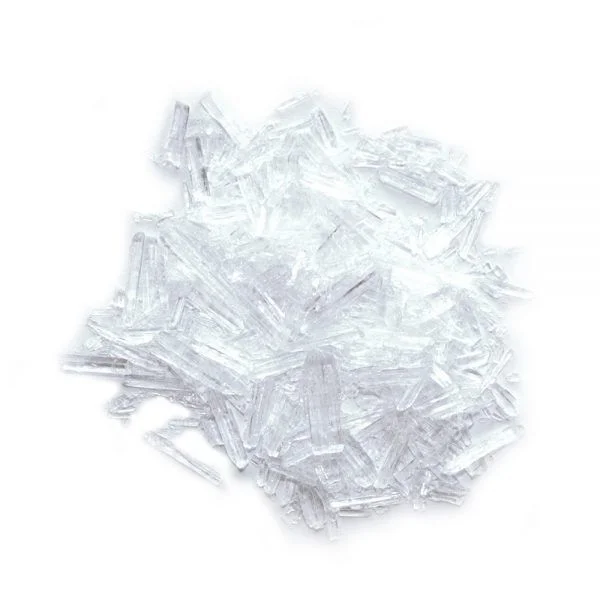
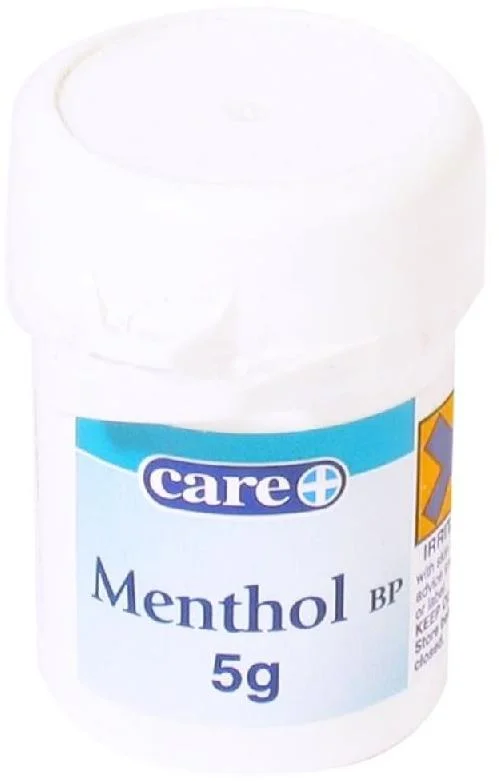
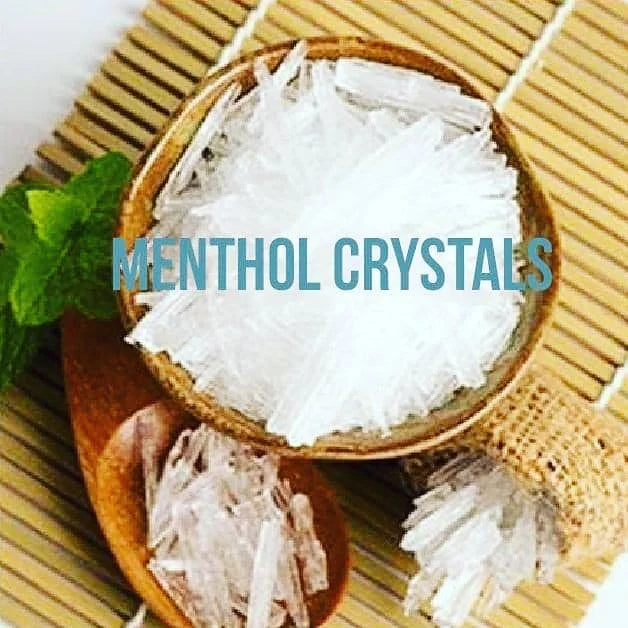
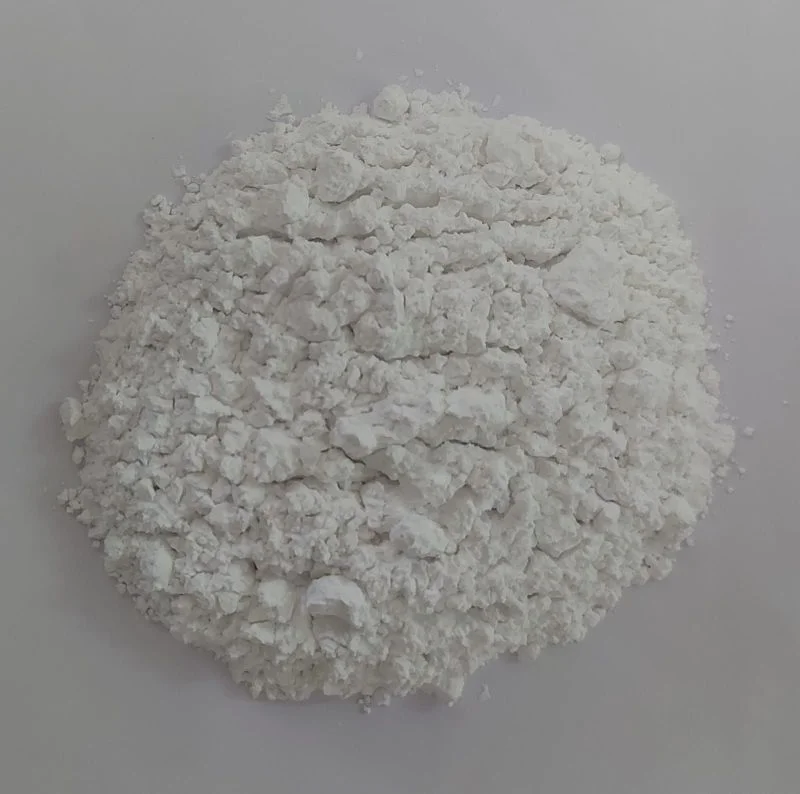
Arora Aromatics' product range includes various types of Essential Oils, such as Spearmint Oil and Lemongrass Oil, which are commonly used in aromatherapy and cosmetics. These oils are typically characterized by their purity, often expressed as a percentage, and their quality, which can be assessed through tests, such as gas chromatography. Buyers of Essential Oils usually require specifications, such as the oil's botanical name, its country of origin, and its quality grade, to ensure that they meet their requirements. The company's catalogue also includes Menthol Crystals and Natural Menthol Powder, which are used in pharmaceuticals and cosmetics, and are typically characterized by their purity and particle size.
The typical grades and standard specifications for Essential Oils, such as those specified by the ISO, involve parameters, such as optical rotation, refractive index, and solubility. Buyers should request specifications, such as the oil's density, viscosity, and flash point, to ensure that they meet their requirements. The common materials and variants used in the production of Essential Oils include different botanical species, and buyers should be aware of the potential variations in quality and characteristics.
Trade and Export Information - Arora Aromatics
Exporters of Essential Oils from India, such as Arora Aromatics, typically need to comply with regulations, such as those related to HS codes, and ensure that their products meet the required standards. The HS code families involved in the export of Essential Oils include 3301, which covers essential oils and resinoids. The certifications and standards commonly required for Essential Oils include ISO 9001, which covers quality management, and ISO 14001, which covers environmental management. Buyers from regions, such as North America and Europe, typically require compliance with regulations, such as those related to labeling and packaging, and may require additional certifications, such as those related to organic or fair trade practices.
Sourcing from Arora Aromatics - Buyer Guidance
When sourcing from Arora Aromatics, buyers should request specifications, such as the oil's botanical name, its country of origin, and its quality grade, to ensure that they meet their requirements. Buyers should also verify the company's compliance with regulations, such as those related to HS codes, and ensure that the products meet the required standards. The typical quality parameters for Essential Oils include purity, often expressed as a percentage, and quality, which can be assessed through tests, such as gas chromatography. Buyers should be aware of the potential variations in quality and characteristics of Essential Oils and should request test reports and certifications, such as ISO 9001, to ensure that the products meet their requirements.
Frequently Asked Questions About Arora Aromatics
What is the typical purity of Essential Oils?
The typical purity of Essential Oils can vary depending on the botanical species and the quality grade, but it is often expressed as a percentage, such as 95% or 99%. Buyers should request specifications, such as the oil's density, viscosity, and flash point, to ensure that they meet their requirements.
What are the common certifications required for Essential Oils?
The common certifications required for Essential Oils include ISO 9001, which covers quality management, and ISO 14001, which covers environmental management. Buyers may also require additional certifications, such as those related to organic or fair trade practices.
What is the minimum order quantity (MOQ) for Arora Aromatics' products?
The MOQ for Arora Aromatics' products can vary depending on the product and the buyer's requirements, but it is typically expressed in units, such as kilograms or liters. Buyers should request specifications, such as the oil's density, viscosity, and flash point, to ensure that they meet their requirements.
What is the lead time for Arora Aromatics' products?
The lead time for Arora Aromatics' products can vary depending on the product and the buyer's requirements, but it is typically expressed in days or weeks. Buyers should request specifications, such as the oil's density, viscosity, and flash point, to ensure that they meet their requirements.
How are Arora Aromatics' products packaged and shipped?
Arora Aromatics' products are typically packaged in units, such as kilograms or liters, and shipped in containers, such as drums or bottles. The company ensures that the products are properly labeled and packaged to meet the required standards and regulations.
What are the quality parameters for Menthol Crystals?
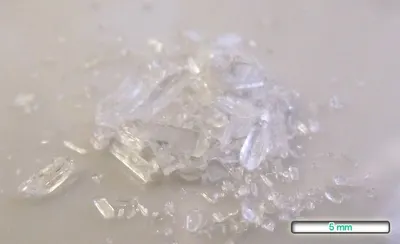
The quality parameters for Menthol Crystals include purity, often expressed as a percentage, and particle size. Buyers should request specifications, such as the crystal's density, viscosity, and melting point, to ensure that they meet their requirements.
What are the common applications of Peppermint Oil?
Peppermint Oil is commonly used in aromatherapy, cosmetics, and pharmaceuticals. Buyers should request specifications, such as the oil's botanical name, its country of origin, and its quality grade, to ensure that they meet their requirements.




 , India