Anuyant Traders — Verified Supplier

About Anuyant Traders - Crockery & Utensils Supplier in India

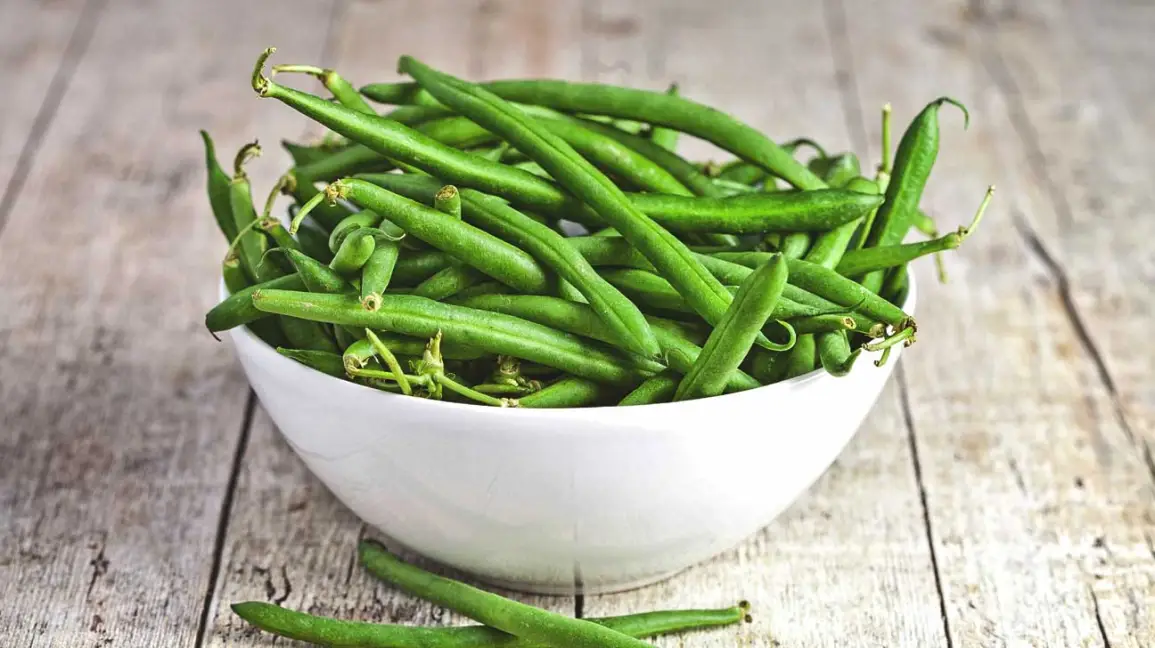
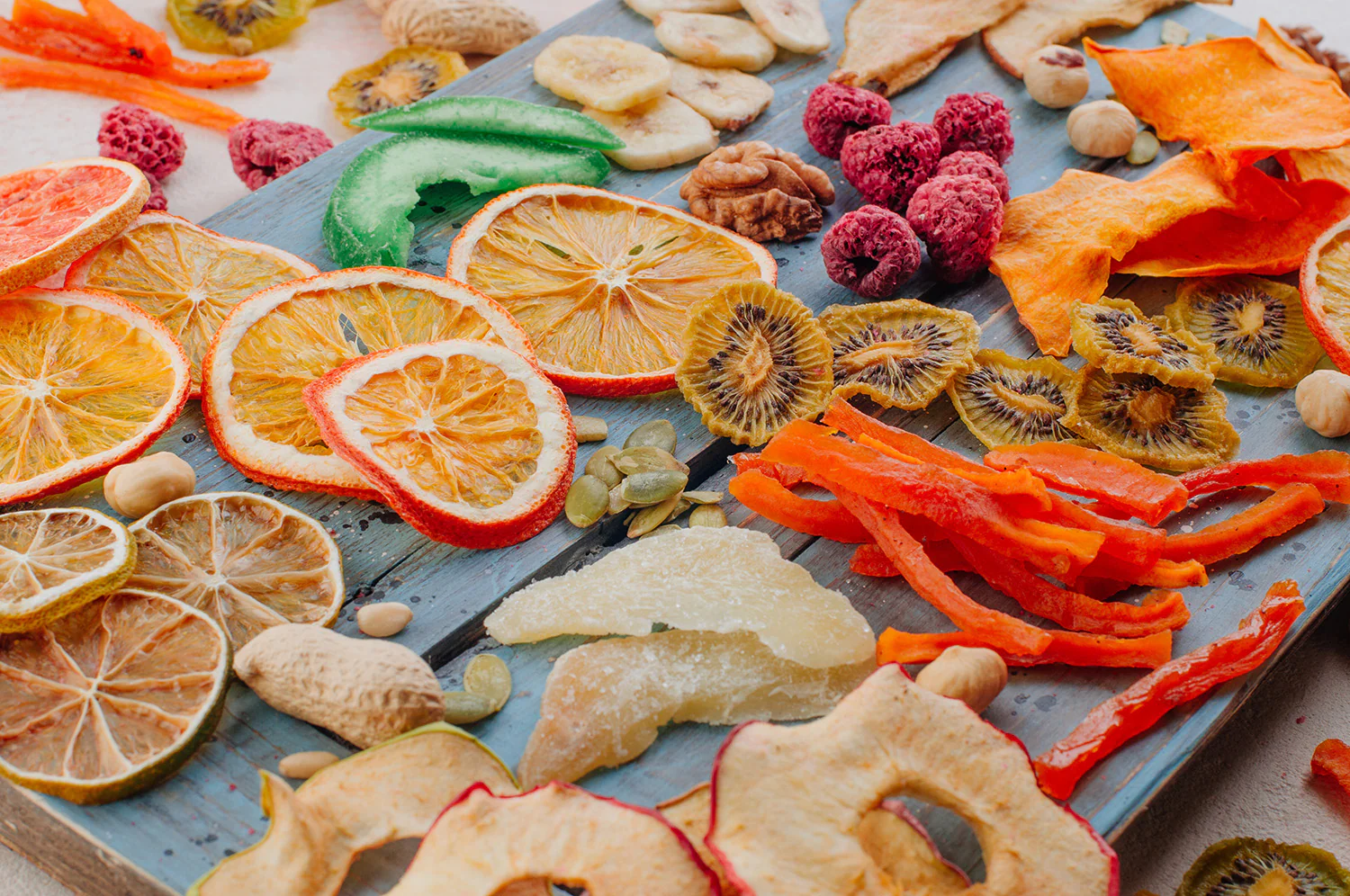
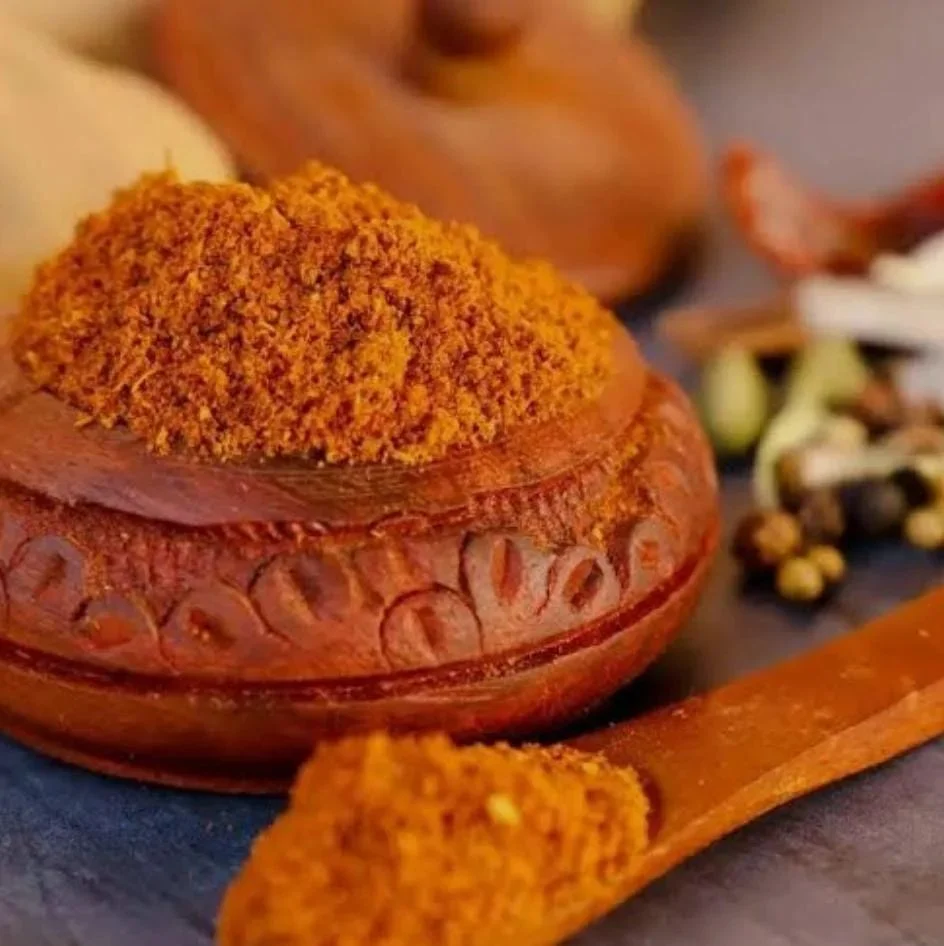
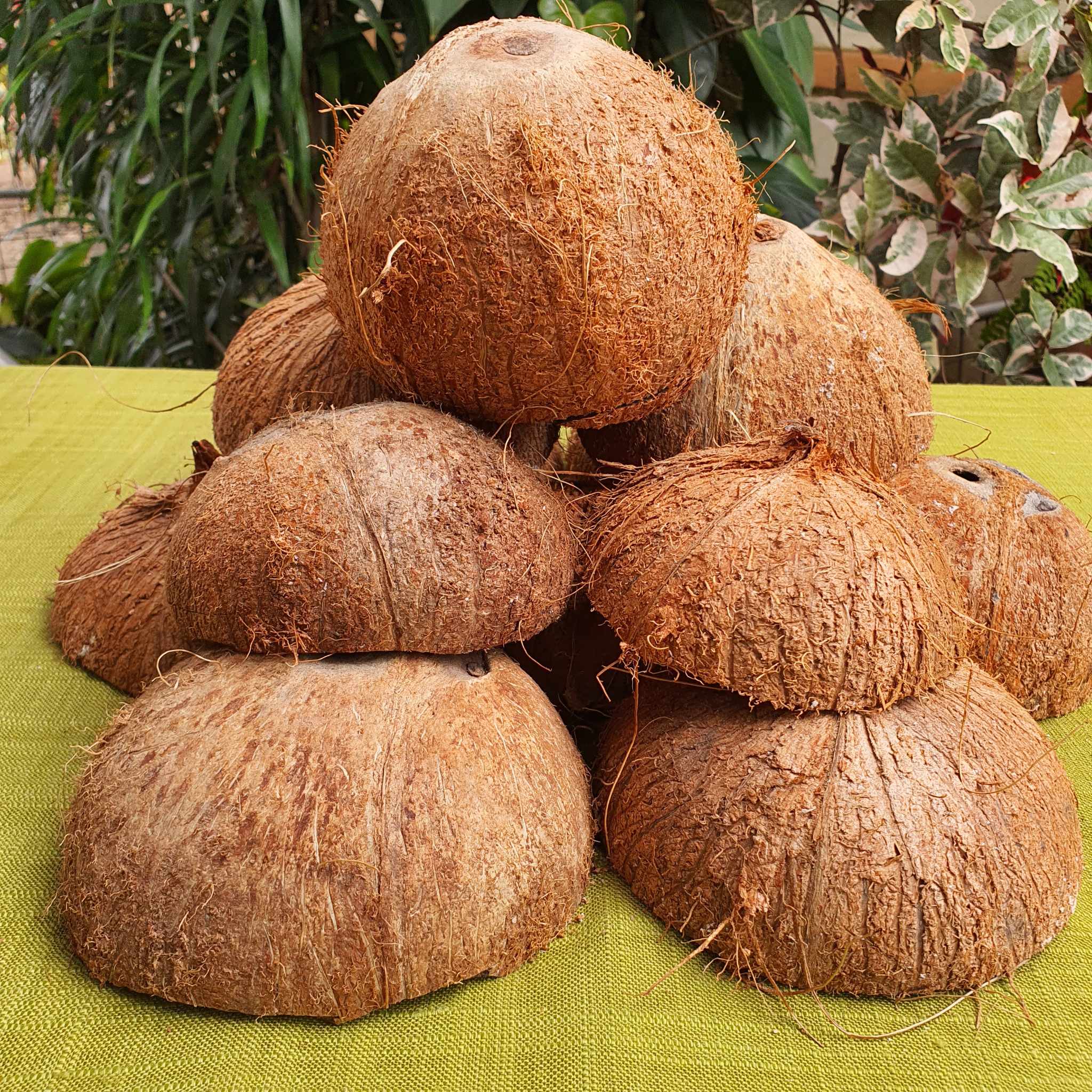
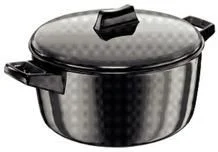
India hosts the five active product listings of Anuyant Traders, covering Crockery & Utensils, Spices, Beans, Dry Fruits & Nuts, and Flower Pots/Vases. The catalogue includes Ceramics Crockery, a line of Spices, a Beans segment identified with HS code 0713.39 for dried legumes such as kidney, black, navy, pinto and lima beans, a Dry Fruits collection, and Ceramics Pot items used as flower containers. Each product category aligns with distinct HS‑code families: ceramics generally fall under chapter 69, spices under 0805, beans under 0713, and dry fruits under 0802. The supplier’s portfolio therefore spans both durable goods and edible commodities, providing a mixed‑type offering for international buyers.

The listed products are described without reference to any brand or certification held by the supplier. Ceramics Crockery and Ceramics Pot are manufactured from vitrified clay and are typically glazed for food‑contact safety. The Spices range likely includes common Indian varieties such as turmeric, cumin and coriander, while the Dry Fruits collection may comprise almonds, cashews and pistachios. All five items are sourced within India, a major exporter of both tableware and agricultural produce.

Product Range and Specialties of Anuyant Traders

Anuyant Traders’ catalogue shows concrete product types: glazed Ceramics Crockery for dining use, ornamental Ceramics Pot for floral displays, a spice assortment, dried beans with the specific HS code 0713.39, and assorted dry fruits. In the ceramics sector, buyers usually look for standards such as ISO 9001 quality management and compliance with FDA or EU food‑contact regulations for glazed ware. Beans exported from India are commonly graded by size and moisture content, with typical moisture limits of 12 % or lower and grading under the Indian Standard IS 2545. Spices are evaluated for purity, volatile oil content and pesticide residue limits set by Codex Alimentarius. Dry fruits are often graded by kernel size, moisture (usually ≤5 %) and aflatoxin levels, with many importers requesting organic certification where applicable.

Trade and Export Information - Anuyant Traders

India is a global exporter of both ceramic tableware and food commodities. Ceramic crockery and pots are frequently shipped to the European Union, the United States and the Gulf Cooperation Council under HS chapter 69, often in 20‑ft or 40‑ft containers with wooden pallets and protective padding. Spices, beans and dry fruits are shipped in bulk or bagged form under HS chapters 08 and 07, with standard packaging of 25 kg polypropylene bags or 1 ton bulk containers. Importers typically require certificates such as FSSAI approval, phytosanitary certificates, and where relevant, ISO 22000 or organic certification. Indian exporters also comply with the EU’s REACH regulation for ceramics and the US FDA Food Safety Modernization Act for food items, making these goods compatible with major regulatory regimes.

Sourcing from Anuyant Traders - Buyer Guidance

When sourcing ceramics from this supplier, request a material safety data sheet (MSDS), a glaze compliance certificate (e.g., FDA or EU food‑contact), and a sample batch for dimensional check (e.g., diameter, height, wall thickness). For the beans, obtain a phytosanitary certificate, a moisture test report, and a grain size analysis to confirm the 0713.39 classification. Spice buyers should ask for a certificate of analysis showing volatile oil percentage, pesticide residue levels and a recent laboratory test report meeting Codex limits. Dry‑fruit purchasers commonly request an aflatoxin test, a moisture content report and, if needed, an organic or fair‑trade certificate before confirming order quantities.

Frequently Asked Questions About Anuyant Traders

What HS codes are associated with the products listed by Anuyant Traders?

Beans are listed under HS code 0713.39 for dried legumes. Ceramics Crockery and Ceramics Pot typically fall under HS chapter 69 (e.g., 6912 for tableware), while Spices and Dry Fruits are classified under HS chapters 08 and 07 respectively.

Does the supplier provide any certifications for its food products?

The facts do not list any certifications held by the supplier. Buyers should request FSSAI registration, phytosanitary certificates and, where required, ISO 22000 or organic certificates from the supplier.

What are the typical packaging formats for the beans and dry fruits?

Indian exporters usually pack dried beans in 25 kg woven polypropylene bags and dry fruits in similar 25 kg bags or bulk 1 ton containers, sealed to protect against moisture and pest intrusion.

Are samples available for the ceramics items?

Buyers can ask for a sample set of Ceramics Crockery or Ceramics Pot to verify glaze finish, dimensions and compliance with food‑contact standards before placing a bulk order.

What quality parameters should buyers verify for the spices?

Key parameters include volatile oil content, moisture level (typically ≤12 %), and pesticide residue levels that meet Codex limits; a certificate of analysis should be provided for each spice batch.

Which markets commonly import the product categories offered by this supplier?

European Union countries, the United States and Gulf states are major importers of Indian ceramics, while spices, beans and dry fruits are frequently shipped to Europe, North America, the Middle East and Southeast Asia.

What documentation is needed for customs clearance of the beans?

A phytosanitary certificate, commercial invoice, packing list and the HS code 0713.39 declaration are standard requirements for customs clearance of dried legumes.

How are the ceramics typically shipped to avoid damage?

Ceramic tableware and pots are usually crated with molded pulp or cardboard inserts, placed on wooden pallets, and shipped in sealed containers to prevent breakage during transit.


Featured Products from this Supplier

Other Suppliers in Primary Category

Top Trusted Suppliers

Related Products

Trending in Parent Category

More Suppliers in Category

Related Products

Other Suppliers

EximNext
58.5K+ live requirements
Register Free🎁 Reach verified global buyers
Post Requirement
🌍 Trusted by 224.6K+ businesses in 200+ countries|
58.5K+ active requirements right now
✉️ [email protected]
|
Sell on EximNextPost Requirement
EximNext
AgricultureApparelConstructionElectronicFoodHomeIndustrialMineralsMiscellaneous
🔥 Deals|✨ AI Match|🏭 Suppliers|📋 Buy Leads|💰 Trade Finance
58.5K+ live RFQs·194.6K+ suppliers
🎁 Reach global buyers →
EximNext
EximNext
Register Free
🎁 Reach verified global buyers
Sign In
📋Post Requirement💬Get QuotesAI Match📋RFQ Marketplace
All Categories
Services & Tools
🏭Supplier Directory🔥Today's Deals💰Trade Finance
Sell on EximNext
AboutContactBlogHelp
🏭

Anuyant Traders

Harbor
Country flag , India
🛡️
54/100
Trust Score

Anuyant Traders Product Catalog

Showing 5 of 5 products
View all products →
Beans
Harbor
Beans
Contact
MOQ: 1 Unit
Dry Fruits
Harbor
Dry Fruits
Contact
MOQ: 1 Unit
Ceramics Pot
Harbor
Ceramics Pot
Contact
MOQ: 1 Unit
Spices
Harbor
Spices
Contact
MOQ: 1 Unit
Ceramics Crockery
Harbor
Ceramics Crockery
Contact
MOQ: 1 Unit

About Anuyant Traders - Crockery & Utensils Supplier in India

India hosts the five active product listings of Anuyant Traders, covering Crockery & Utensils, Spices, Beans, Dry Fruits & Nuts, and Flower Pots/Vases. The catalogue includes Ceramics Crockery, a line of Spices, a Beans segment identified with HS code 0713.39 for dried legumes such as kidney, black, navy, pinto and lima beans, a Dry Fruits collection, and Ceramics Pot items used as flower containers. Each product category aligns with distinct HS‑code families: ceramics generally fall under chapter 69, spices under 0805, beans under 0713, and dry fruits under 0802. The supplier’s portfolio therefore spans both durable goods and edible commodities, providing a mixed‑type offering for international buyers.

The listed products are described without reference to any brand or certification held by the supplier. Ceramics Crockery and Ceramics Pot are manufactured from vitrified clay and are typically glazed for food‑contact safety. The Spices range likely includes common Indian varieties such as turmeric, cumin and coriander, while the Dry Fruits collection may comprise almonds, cashews and pistachios. All five items are sourced within India, a major exporter of both tableware and agricultural produce.

Product Range and Specialties of Anuyant Traders

Anuyant Traders’ catalogue shows concrete product types: glazed Ceramics Crockery for dining use, ornamental Ceramics Pot for floral displays, a spice assortment, dried beans with the specific HS code 0713.39, and assorted dry fruits. In the ceramics sector, buyers usually look for standards such as ISO 9001 quality management and compliance with FDA or EU food‑contact regulations for glazed ware. Beans exported from India are commonly graded by size and moisture content, with typical moisture limits of 12 % or lower and grading under the Indian Standard IS 2545. Spices are evaluated for purity, volatile oil content and pesticide residue limits set by Codex Alimentarius. Dry fruits are often graded by kernel size, moisture (usually ≤5 %) and aflatoxin levels, with many importers requesting organic certification where applicable.

Trade and Export Information - Anuyant Traders

India is a global exporter of both ceramic tableware and food commodities. Ceramic crockery and pots are frequently shipped to the European Union, the United States and the Gulf Cooperation Council under HS chapter 69, often in 20‑ft or 40‑ft containers with wooden pallets and protective padding. Spices, beans and dry fruits are shipped in bulk or bagged form under HS chapters 08 and 07, with standard packaging of 25 kg polypropylene bags or 1 ton bulk containers. Importers typically require certificates such as FSSAI approval, phytosanitary certificates, and where relevant, ISO 22000 or organic certification. Indian exporters also comply with the EU’s REACH regulation for ceramics and the US FDA Food Safety Modernization Act for food items, making these goods compatible with major regulatory regimes.

Sourcing from Anuyant Traders - Buyer Guidance

When sourcing ceramics from this supplier, request a material safety data sheet (MSDS), a glaze compliance certificate (e.g., FDA or EU food‑contact), and a sample batch for dimensional check (e.g., diameter, height, wall thickness). For the beans, obtain a phytosanitary certificate, a moisture test report, and a grain size analysis to confirm the 0713.39 classification. Spice buyers should ask for a certificate of analysis showing volatile oil percentage, pesticide residue levels and a recent laboratory test report meeting Codex limits. Dry‑fruit purchasers commonly request an aflatoxin test, a moisture content report and, if needed, an organic or fair‑trade certificate before confirming order quantities.

Frequently Asked Questions About Anuyant Traders

What HS codes are associated with the products listed by Anuyant Traders?

Beans are listed under HS code 0713.39 for dried legumes. Ceramics Crockery and Ceramics Pot typically fall under HS chapter 69 (e.g., 6912 for tableware), while Spices and Dry Fruits are classified under HS chapters 08 and 07 respectively.

Does the supplier provide any certifications for its food products?

The facts do not list any certifications held by the supplier. Buyers should request FSSAI registration, phytosanitary certificates and, where required, ISO 22000 or organic certificates from the supplier.

What are the typical packaging formats for the beans and dry fruits?

Indian exporters usually pack dried beans in 25 kg woven polypropylene bags and dry fruits in similar 25 kg bags or bulk 1 ton containers, sealed to protect against moisture and pest intrusion.

Are samples available for the ceramics items?

Buyers can ask for a sample set of Ceramics Crockery or Ceramics Pot to verify glaze finish, dimensions and compliance with food‑contact standards before placing a bulk order.

What quality parameters should buyers verify for the spices?

Key parameters include volatile oil content, moisture level (typically ≤12 %), and pesticide residue levels that meet Codex limits; a certificate of analysis should be provided for each spice batch.

Which markets commonly import the product categories offered by this supplier?

European Union countries, the United States and Gulf states are major importers of Indian ceramics, while spices, beans and dry fruits are frequently shipped to Europe, North America, the Middle East and Southeast Asia.

What documentation is needed for customs clearance of the beans?

A phytosanitary certificate, commercial invoice, packing list and the HS code 0713.39 declaration are standard requirements for customs clearance of dried legumes.

How are the ceramics typically shipped to avoid damage?

Ceramic tableware and pots are usually crated with molded pulp or cardboard inserts, placed on wooden pallets, and shipped in sealed containers to prevent breakage during transit.

About Anuyant Traders - Crockery & Utensils Supplier in India

India hosts the five active product listings of Anuyant Traders, covering Crockery & Utensils, Spices, Beans, Dry Fruits & Nuts, and Flower Pots/Vases. The catalogue includes Ceramics Crockery, a line of Spices, a Beans segment identified with HS code 0713.39 for dried legumes such as kidney, black, navy, pinto and lima beans, a Dry Fruits collection, and Ceramics Pot items used as flower containers. Each product category aligns with distinct HS‑code families: ceramics generally fall under chapter 69, spices under 0805, beans under 0713, and dry fruits under 0802. The supplier’s portfolio therefore spans both durable goods and edible commodities, providing a mixed‑type offering for international buyers.

The listed products are described without reference to any brand or certification held by the supplier. Ceramics Crockery and Ceramics Pot are manufactured from vitrified clay and are typically glazed for food‑contact safety. The Spices range likely includes common Indian varieties such as turmeric, cumin and coriander, while the Dry Fruits collection may comprise almonds, cashews and pistachios. All five items are sourced within India, a major exporter of both tableware and agricultural produce.

Product Range and Specialties of Anuyant Traders

Anuyant Traders’ catalogue shows concrete product types: glazed Ceramics Crockery for dining use, ornamental Ceramics Pot for floral displays, a spice assortment, dried beans with the specific HS code 0713.39, and assorted dry fruits. In the ceramics sector, buyers usually look for standards such as ISO 9001 quality management and compliance with FDA or EU food‑contact regulations for glazed ware. Beans exported from India are commonly graded by size and moisture content, with typical moisture limits of 12 % or lower and grading under the Indian Standard IS 2545. Spices are evaluated for purity, volatile oil content and pesticide residue limits set by Codex Alimentarius. Dry fruits are often graded by kernel size, moisture (usually ≤5 %) and aflatoxin levels, with many importers requesting organic certification where applicable.

Trade and Export Information - Anuyant Traders

India is a global exporter of both ceramic tableware and food commodities. Ceramic crockery and pots are frequently shipped to the European Union, the United States and the Gulf Cooperation Council under HS chapter 69, often in 20‑ft or 40‑ft containers with wooden pallets and protective padding. Spices, beans and dry fruits are shipped in bulk or bagged form under HS chapters 08 and 07, with standard packaging of 25 kg polypropylene bags or 1 ton bulk containers. Importers typically require certificates such as FSSAI approval, phytosanitary certificates, and where relevant, ISO 22000 or organic certification. Indian exporters also comply with the EU’s REACH regulation for ceramics and the US FDA Food Safety Modernization Act for food items, making these goods compatible with major regulatory regimes.

Sourcing from Anuyant Traders - Buyer Guidance

When sourcing ceramics from this supplier, request a material safety data sheet (MSDS), a glaze compliance certificate (e.g., FDA or EU food‑contact), and a sample batch for dimensional check (e.g., diameter, height, wall thickness). For the beans, obtain a phytosanitary certificate, a moisture test report, and a grain size analysis to confirm the 0713.39 classification. Spice buyers should ask for a certificate of analysis showing volatile oil percentage, pesticide residue levels and a recent laboratory test report meeting Codex limits. Dry‑fruit purchasers commonly request an aflatoxin test, a moisture content report and, if needed, an organic or fair‑trade certificate before confirming order quantities.

Frequently Asked Questions About Anuyant Traders
What HS codes are associated with the products listed by Anuyant Traders?
Beans are listed under HS code 0713.39 for dried legumes. Ceramics Crockery and Ceramics Pot typically fall under HS chapter 69 (e.g., 6912 for tableware), while Spices and Dry Fruits are classified under HS chapters 08 and 07 respectively.
Does the supplier provide any certifications for its food products?
The facts do not list any certifications held by the supplier. Buyers should request FSSAI registration, phytosanitary certificates and, where required, ISO 22000 or organic certificates from the supplier.
What are the typical packaging formats for the beans and dry fruits?
Indian exporters usually pack dried beans in 25 kg woven polypropylene bags and dry fruits in similar 25 kg bags or bulk 1 ton containers, sealed to protect against moisture and pest intrusion.
Are samples available for the ceramics items?
Buyers can ask for a sample set of Ceramics Crockery or Ceramics Pot to verify glaze finish, dimensions and compliance with food‑contact standards before placing a bulk order.
What quality parameters should buyers verify for the spices?
Key parameters include volatile oil content, moisture level (typically ≤12 %), and pesticide residue levels that meet Codex limits; a certificate of analysis should be provided for each spice batch.
Which markets commonly import the product categories offered by this supplier?
European Union countries, the United States and Gulf states are major importers of Indian ceramics, while spices, beans and dry fruits are frequently shipped to Europe, North America, the Middle East and Southeast Asia.
What documentation is needed for customs clearance of the beans?
A phytosanitary certificate, commercial invoice, packing list and the HS code 0713.39 declaration are standard requirements for customs clearance of dried legumes.
How are the ceramics typically shipped to avoid damage?
Ceramic tableware and pots are usually crated with molded pulp or cardboard inserts, placed on wooden pallets, and shipped in sealed containers to prevent breakage during transit.

🏭
Anuyant Traders
Country flag , India
Harbor
54/100
Trust Score
📦
5
Products
Free to contact — no commission
Escrow payment available
Verified business identity
Compare more suppliers
Post a requirement — get 10 quotes free
Let verified suppliers compete for your business. Free, fast, no commitment.
EximNext Verified Supplier
Business identity verified
Physical address confirmed
Financial history checked
Certifications authenticated
Trade references validated
Due Diligence
Verify this supplier's real shipping history.
Every shipment, every buyer, every port. Trade data that can't be faked.
Run due diligence →
Discover More

Related Suppliers & Products

Explore similar suppliers, related products and trending categories

Featured Products from this Supplier

Other Suppliers in Primary Category

Top Trusted Suppliers

Related Products

Trending in Parent Category

More Suppliers in Category

Stay ahead in global trade
Weekly market insights & new supplier alerts.
EximNext
Exim Next is a leading global B2B marketplace, connecting over 205,000 verified suppliers and buyers across 200+ countries. As a trusted import export marketplace, it serves as the essential B2B portal for businesses worldwide, empowering them to expand their international reach. With Exim Next, businesses can trade smarter and grow faster.
SECURE PAYMENTS
VISAMastercardPayPalSWIFTL/CEscrow
Follow us
© 2026 EximNext