Anand Talc — Verified Supplier
About Anand Talc - Mineral Powders Supplier in India
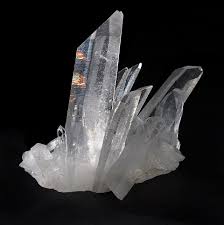
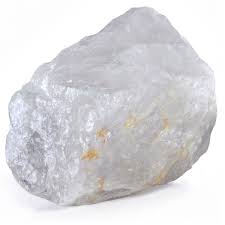
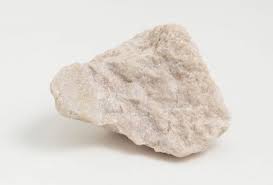
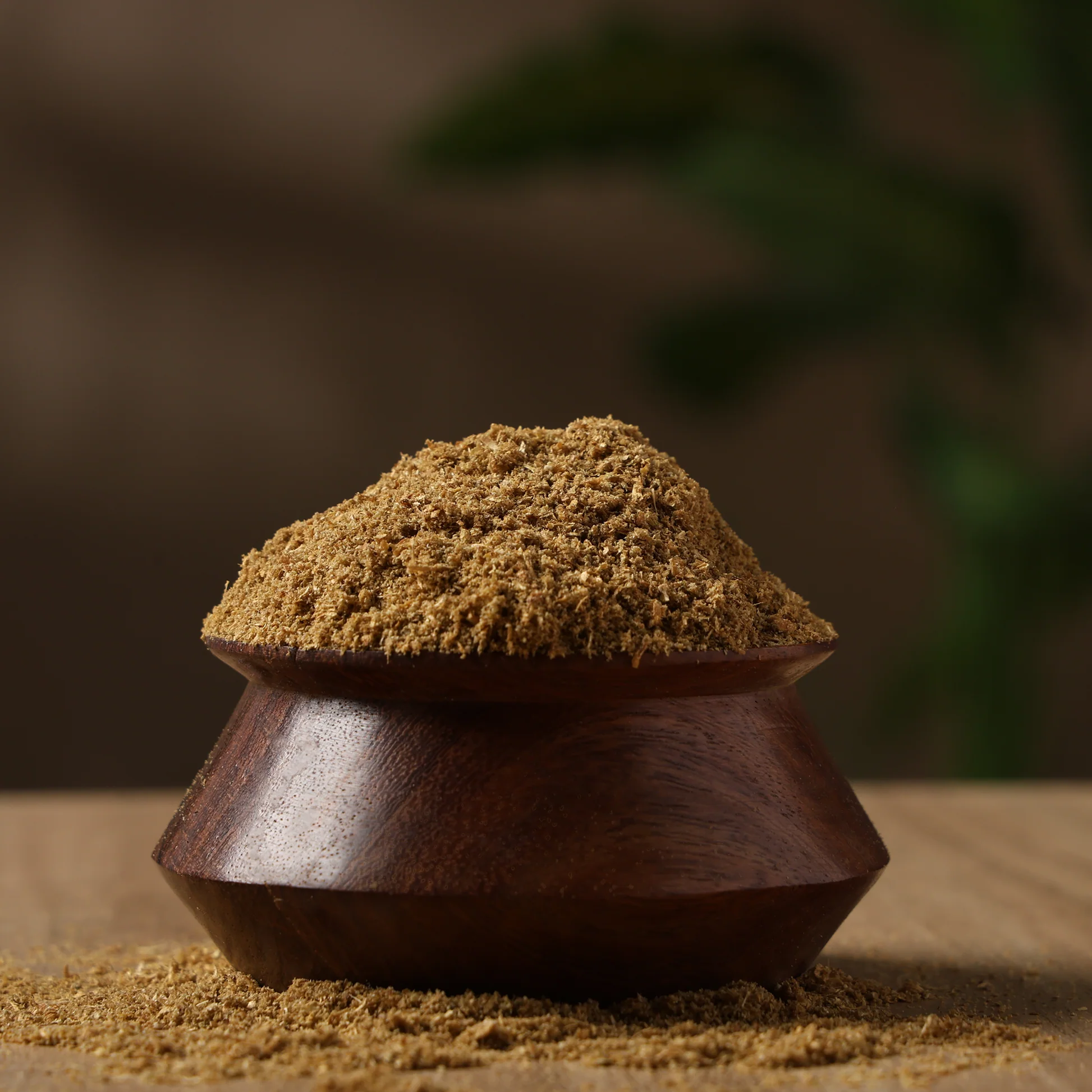
India, with a catalogue of eight listed mineral powder products, supplies a range of materials under the Agriculture and Other Ores & Minerals categories. The supplier’s current listings include pyrophyllite powder, talc powder, dolomite powder, calcite powder, kyanite powder, sillimanite powder, quartz powder, and a paper‑grade talc powder identified under HS code 2526.20. The paper‑grade talc entry specifies natural talc mineral (hydrated magnesium silicate). The product count reflects the breadth of mineral types offered for industrial applications such as ceramics, fertilizers, and paper manufacturing. Each product is presented with its generic material description, aligning with standard HS‑chapter 25 mineral commodities.
The paper‑grade talc powder entry specifies HS code 2526.20 and describes the material as natural talc mineral, a hydrated magnesium silicate commonly processed to particle sizes below 75 µm for use in coating and filler applications. The remaining seven products are listed without explicit HS codes but fall within the HS‑chapter 25 range for mineral powders, which typically includes codes 2525 for pyrophyllite, 2526 for talc, 2527 for dolomite, 2528 for calcite, 2529 for kyanite and sillimanite, and 2529 for quartz. The catalogue does not provide additional technical parameters, but the inclusion of these mineral powders indicates suitability for sectors such as ceramics, refractory, paint, and plastics.
Product Range and Specialties of Anand Talc
Anand Talc’s catalogue covers natural mineral powders including talc, dolomite, calcite, pyrophyllite, kyanite, sillimanite and quartz. In the talc segment, buyers typically request paper‑grade talc with a purity of 99 % + , moisture below 0.5 % and a particle size distribution measured by D50 of 30 - 50 µm for use in coating and filler applications. Dolomite and calcite powders are often supplied with calcium carbonate equivalents above 95 % and particle sizes ranging from 10 to 200 µm for use in metallurgy and construction. Pyrophyllite, kyanite and sillimanite are refractory minerals where hardness (Mohs 6 - 7) and thermal stability are key specifications, and quartz powder is frequently graded by silica purity (>99.5 %) and low iron content for glass and electronics. Standard industry certifications such as ISO 9001 quality management, SGS inspection reports, and Material Safety Data Sheets (MSDS) are common requirements for these mineral grades.
Trade and Export Information - Anand Talc
India is a major exporter of mineral powders, with shipments of talc, dolomite and related ores directed toward Southeast Asian manufacturers, European refractory producers, and North American paper processors. The HS‑code family 2526 (talc) and adjacent codes 2525‑2529 (other mineral powders) are routinely subject to customs inspections that verify particle size, moisture and heavy‑metal limits under EU REACH or US TSCA regulations. Buyers generally request ISO 9001 certification, third‑party SGS or BVQI inspection certificates, and compliance documents such as the Declaration of Conformity for REACH‑registered substances. Bulk shipments are commonly packed in 25 kg polypropylene bags, stacked on pallets for 20‑ft or 40‑ft containers, with CIF or FOB terms used in trade contracts. Export logistics from Indian ports such as Mumbai and Chennai support timely delivery to target markets in the Middle East, Europe and the Americas.
Sourcing from Anand Talc - Buyer Guidance
Prospective buyers should obtain a recent MSDS for each mineral powder and verify the supplier’s ISO 9001 or equivalent quality system certificate before placing an order. Sample requests typically involve 1 kg of the specific grade, with particle‑size analysis, purity assay and moisture content results provided by an accredited laboratory. Confirm that the HS code listed (e.g., 2526.20 for paper‑grade talc) matches the intended customs classification and that any required REACH or TSCA registrations are in place for the destination country. Clarify packaging details, such as bag material and pallet configuration, and request a pre‑shipment inspection report to ensure compliance with the buyer’s import standards.
Frequently Asked Questions About Anand Talc
What mineral powders does Anand Talc list in its catalogue?
The catalogue contains eight products: pyrophyllite powder, talc powder, paper‑grade talc powder (HS 2526.20), dolomite powder, calcite powder, kyanite powder, sillimanite powder and quartz powder. These products are supplied in bulk form suitable for industrial processing.
How can a buyer request a sample of the paper‑grade talc powder?
A buyer can request a 1 kg sample by contacting the supplier through the trade platform, specifying the HS code 2526.20 and the intended use. The supplier should provide an MSDS and a laboratory report covering purity, moisture and particle‑size distribution.
Which certifications are commonly required for importing these mineral powders from India?
Importers typically ask for ISO 9001 quality‑management certification, a third‑party inspection certificate (e.g., SGS or BVQI) and a Material Safety Data Sheet. For talc and quartz, REACH registration or US TSCA compliance may also be required depending on the destination market.
What are the standard HS codes for the listed mineral powders?
The paper‑grade talc is classified under HS 2526.20. Related minerals fall under adjacent codes: pyrophyllite (2525), talc (2526), dolomite (2527), calcite (2528), kyanite and sillimanite (2529), and quartz powder (2529). Exact sub‑headings depend on particle size and end‑use.
What packaging and container options are typical for bulk shipments?
Bulk mineral powders are usually packed in 25 kg polypropylene bags, placed on Euro pallets. Full‑load shipments fit into 20‑ft or 40‑ft containers, with CIF or FOB terms commonly used in Indian export contracts.
What are typical minimum order quantities and lead times for these products?
Minimum order quantities generally start at one 20‑ft container (approximately 10‑12 tons) for most powders, though smaller batches may be arranged with higher per‑ton costs. Lead times from order confirmation to shipment range from 30 to 45 days, depending on product preparation and customs documentation.
How is product purity verified for quartz and talc powders?
Purity is usually confirmed by an accredited laboratory using X‑ray fluorescence (XRF) or inductively coupled plasma (ICP) analysis, reporting silica content above 99.5 % for quartz and talc purity above 99 % for talc grades. Test reports are included in the pre‑shipment inspection certificate.
Which regions are the primary importers of Indian mineral powders?
Key import markets include Southeast Asia (e.g., Vietnam, Thailand), the European Union (especially Germany and Italy), and North America (United States and Canada). These regions source Indian mineral powders for applications in ceramics, refractory, paper coating and plastics.




 , India