Alsefy Exporting Co. — Verified Supplier
About Alsefy Exporting Co. - Fruits Supplier in Egypt
Alsefy Exporting Co. is based in Egypt and currently lists five active products for export. The catalogue spans fresh citrus, vegetables, legumes and a fuel commodity, reflecting the company's focus on agricultural produce and charcoal. Products include Orange, Lime, Broccoli, Green beans and Wood charcoal. The orange entry is recorded under HS code 0805.10 as Fresh Citrus Sinensis, while the green beans are listed with HS code 0708.90 for Fresh Agricultural Commodity - Phaseolus vulgaris. The remaining items are described without specific HS classifications in the supplied data.
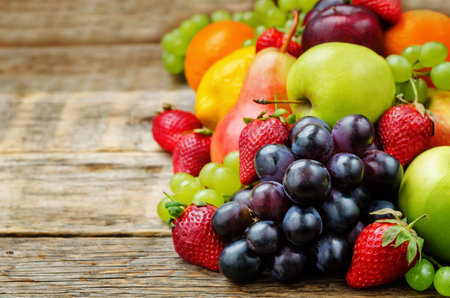
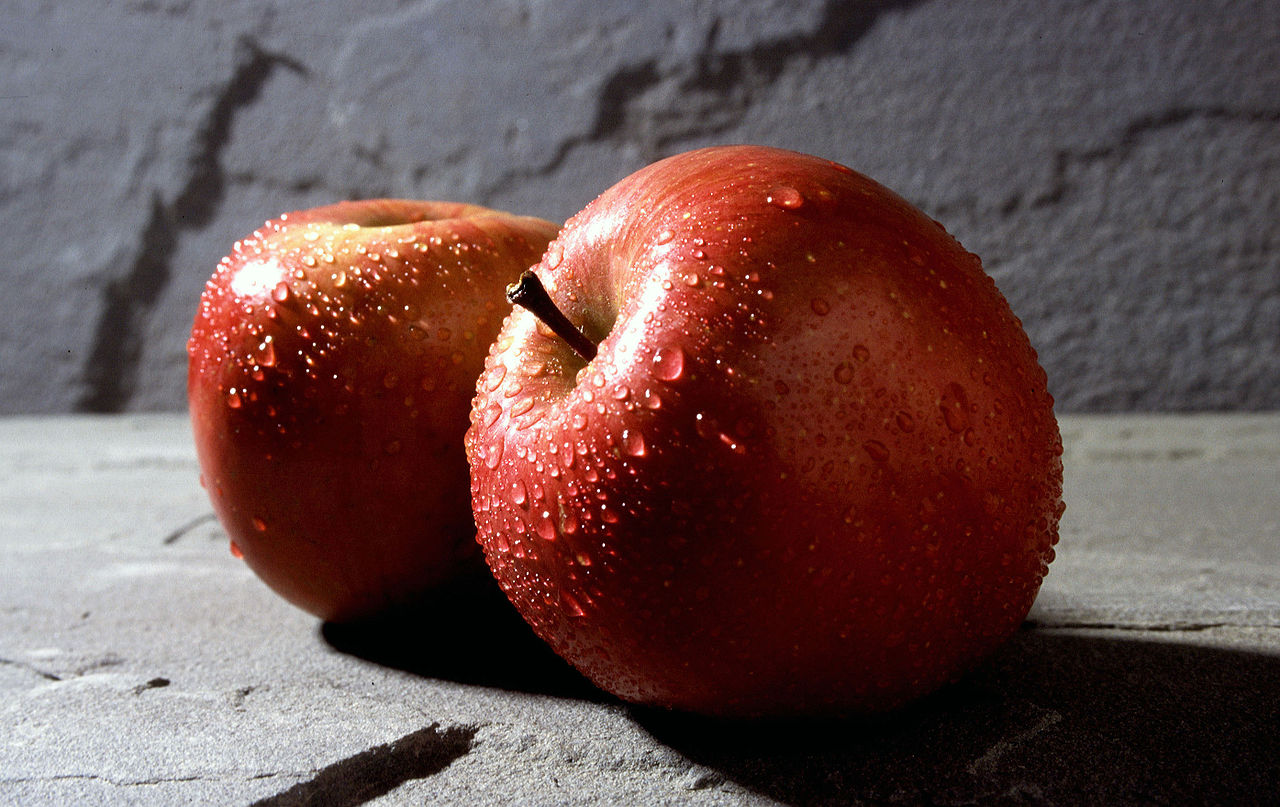
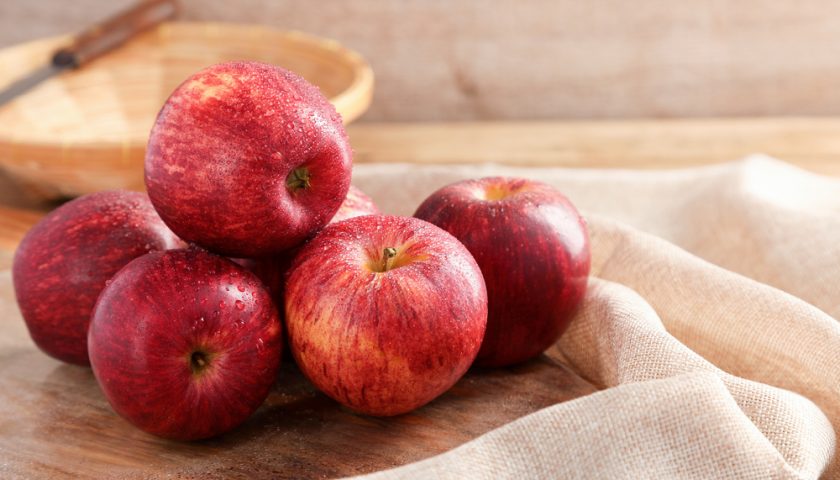
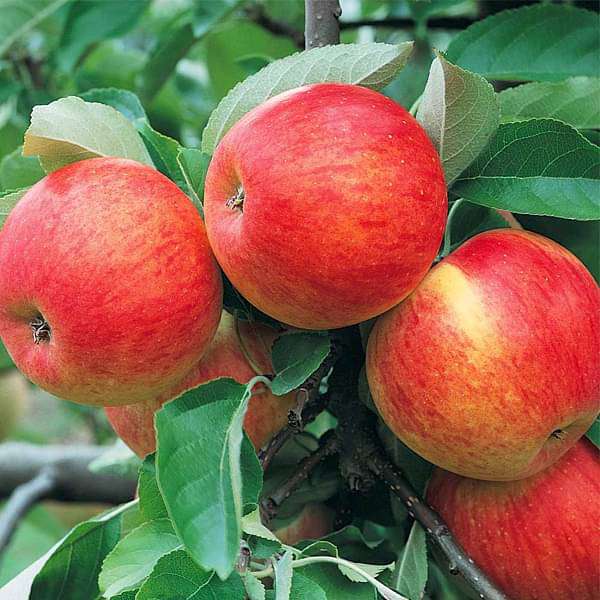
The supplier’s top categories are Apple, Fruits, Charcoal, Beans and Vegetables, indicating a primary emphasis on fruit and vegetable commodities. Within the fruit segment, both orange and lime fall under the HS chapter 08 for edible fruit, whereas the vegetable segment includes broccoli (typically HS 0709) and green beans (HS 0708.90). The charcoal product belongs to the wood charcoal family, commonly classified under HS chapter 44 for wood and articles thereof. This mix of five products forms the complete active offering presented by Alsefy Exporting Co.
Product Range and Specialties of Alsefy Exporting Co.
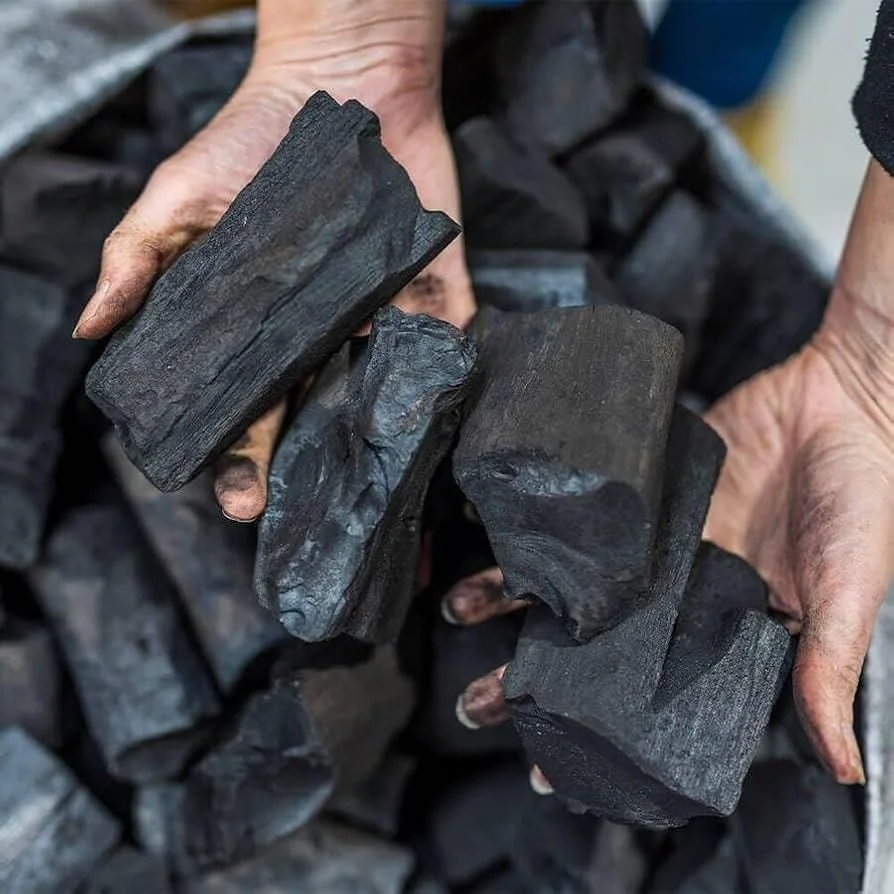
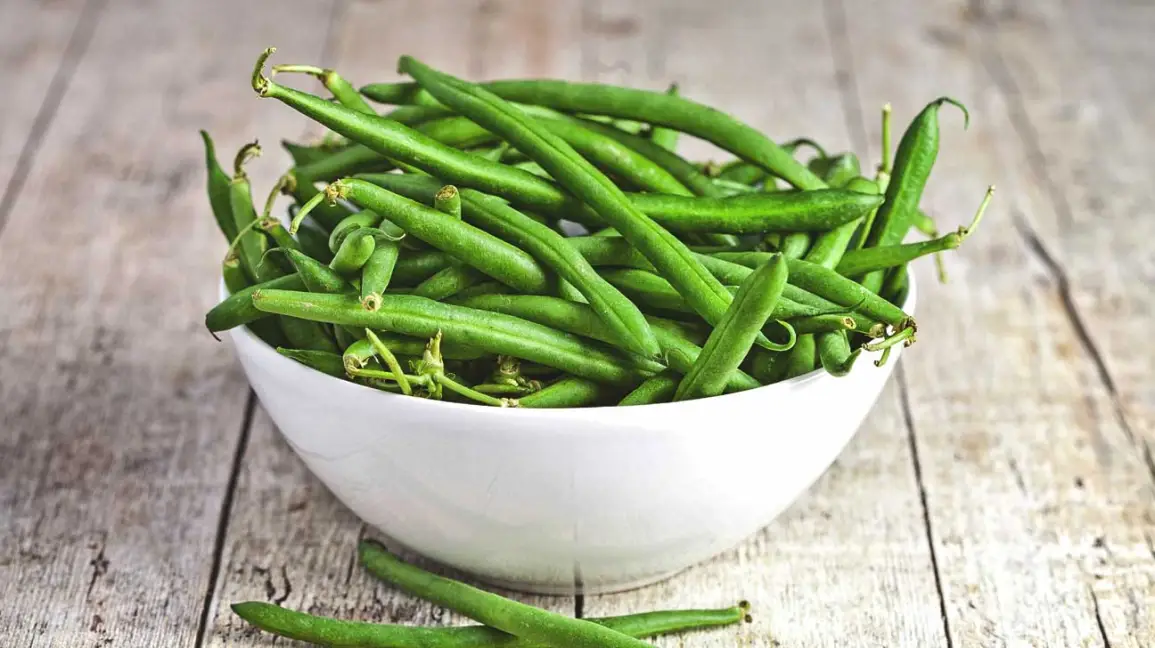
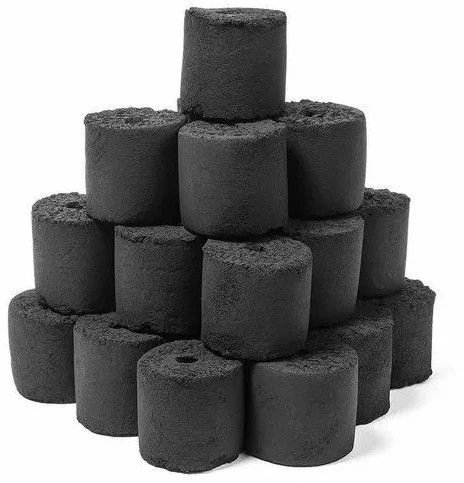
Alsefy Exporting Co.’s catalogue comprises fresh orange (Sweet Orange, Citrus sinensis) and lime, both harvested for fresh market consumption. Typical export specifications for Egyptian citrus include a minimum Brix of 10 - 12 %, peel thickness of 2 - 3 mm, and compliance with EU pesticide residue limits. Green beans are supplied as fresh Phaseolus vulgaris, usually graded by length (40 - 80 mm) and uniform color, with a common moisture content below 12 %. Broccoli is generally exported as whole heads with a diameter of 15 - 25 cm and a visual grade of “A” for tight florets. Wood charcoal is marketed based on fixed carbon content (≥ 75 %) and low ash (< 10 %), often packed in 25 kg bags for bulk shipment. Buyers commonly request GlobalGAP certification, ISO 22000 food safety management, and phytosanitary certificates for these commodities.
Trade and Export Information - Alsefy Exporting Co.
Egypt is a long‑standing exporter of citrus, beans and vegetables to the European Union, the Gulf Cooperation Council and North‑African markets. HS code 0805.10 for oranges and 0708.90 for green beans are routinely inspected under the EU’s Rapid Alert System for Food and Feed (RASFF) and require a phytosanitary certificate confirming freedom from pests. Charcoal from Egypt is frequently shipped to the Middle East and South‑East Asian steel and metallurgical sectors, where HS chapter 44 products are subject to customs valuation based on net weight and may need a certificate of origin for preferential tariffs. Standard export logistics involve FOB Port of Alexandria or CIF to destination ports, with containerization in 20‑ft or 40‑ft units for fresh produce (refrigerated reefers) and bulk pallets for charcoal. Common buyer‑required certifications include GlobalGAP for produce, ISO 9001 for processing, and compliance with EU pesticide residue limits (MRLs).
Sourcing from Alsefy Exporting Co. - Buyer Guidance
When sourcing from Alsefy Exporting Co., buyers should request recent phytosanitary certificates and laboratory analysis reports for pesticide residues on citrus and beans. For charcoal, a test report indicating fixed carbon, ash content and moisture should be obtained. Samples of each fresh product are typically provided in 5 kg cartons, with a standard MOQ of 10 metric tons per shipment for citrus and 5 metric tons for beans and broccoli. Verify that the supplier can meet refrigeration requirements (e.g., 0 °C ± 2 °C for citrus) and that packaging complies with ISPM 15 for wooden pallets. Confirmation of GlobalGAP or ISO 22000 certification should be part of the pre‑order documentation.
Frequently Asked Questions About Alsefy Exporting Co.
What fruit products does Alsefy Exporting Co. offer?
The catalogue lists fresh orange (HS 0805.10) and lime, both harvested in Egypt and prepared for fresh market export.
Which vegetable items are available?
Broccoli and green beans are offered; green beans are recorded under HS 0708.90 and are supplied as fresh Phaseolus vulgaris.
Does the supplier provide wood charcoal?
Yes, wood charcoal is listed, typically classified under HS chapter 44 and exported with specifications such as ≥ 75 % fixed carbon and < 10 % ash.
What certifications are commonly required for these products?
Buyers generally request GlobalGAP or ISO 22000 for fresh produce and a phytosanitary certificate for all agricultural items; charcoal shipments often need a certificate of origin.
What are the typical minimum order quantities?
Exporters of Egyptian citrus often set a MOQ of around 10 metric tons, while beans, broccoli and charcoal are commonly offered from 5 metric tons per order.
What packaging and shipping methods are used?
Fresh citrus and vegetables are packed in refrigerated 20‑ft or 40‑ft reefers, while charcoal is shipped in bulk on pallets inside standard containers; FOB Alexandria and CIF are typical Incoterms.
How long is the lead time from order to shipment?
Lead times usually range from 2 to 4 weeks for fresh produce after harvest and quality inspection, and 3 to 5 weeks for charcoal after processing.
How can a buyer request a sample?
Buyers can ask the supplier to send a 5 kg sample of the desired fruit or vegetable, with shipping costs typically borne by the buyer and the sample dispatched under standard refrigerated or bulk handling as appropriate.




 , Egypt