Alpaca Agriculture And Trading — Verified Supplier

About Alpaca Agriculture And Trading - Food Processing Supplier in Egypt

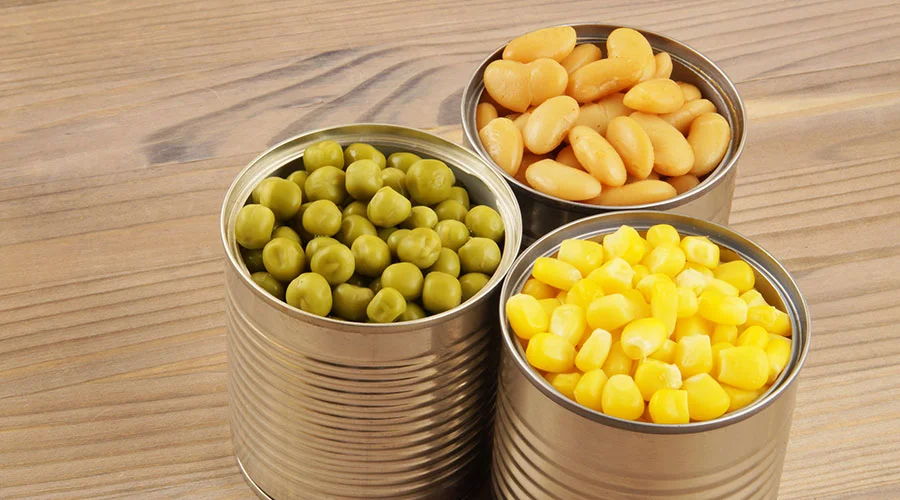
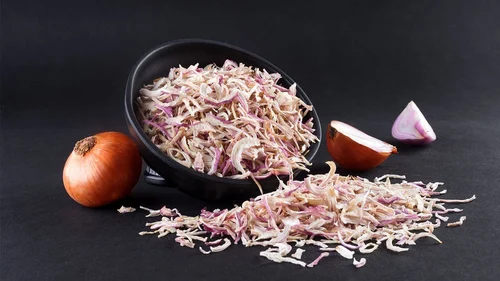
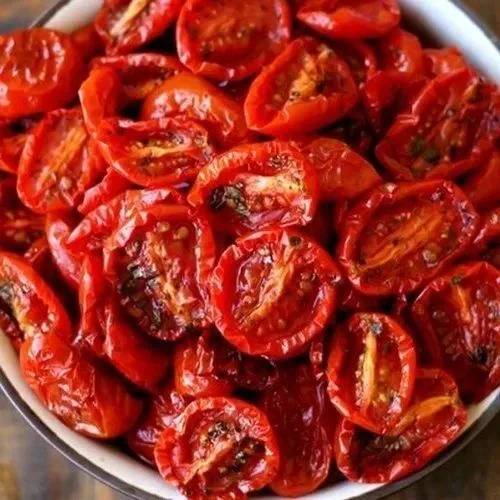
Egypt‑based Alpaca Agriculture And Trading lists five active products across its catalogue. The portfolio includes tomato paste, green and Kalamata black olives, IQF frozen vegetables and fruits, fresh onions, and a range of canned vegetables and fruits. Each product is presented under the broader categories of Tomato Paste & Purees, Olives, IQF or Frozen Vegetables, Fresh Onion and Canned Vegetables, matching the supplier’s top category list. The catalogue does not provide additional technical specifications, but the product count and categories are clearly defined in the supplier’s data.

The supplier’s catalogue groups the items by processing stage: a cooked concentrate (tomato paste), whole or pitted preserved olives, flash‑frozen horticultural produce, raw fresh onions, and heat‑sterilised canned goods. These groups align with common export classifications for Egyptian horticultural products, where tomato paste typically targets food‑service and retail sectors, olives serve both culinary and snack markets, IQF produce is used by manufacturers requiring frozen inputs, fresh onions are supplied to fresh‑produce chains, and canned vegetables meet long‑shelf‑life demand. No certifications are listed for Alpaca Agriculture And Trading, so buyers should verify compliance with standard food‑safety schemes before purchase.

Product Range and Specialties of Alpaca Agriculture And Trading

The five listed products cover the main segments of Egypt’s processed‑vegetable export industry. Tomato paste is generally produced to a Brix of 30‑35 % with a pH around 4.0, and buyers often request specifications for total soluble solids, acidity and microbial limits. Olive offerings include both green and Kalamata black varieties; typical industry grades are defined by fruit size (large > 12 mm), pit‑removal rate and brine concentration (6‑10 % NaCl). IQF frozen vegetables and fruits are flash‑frozen at - 30 °C to preserve texture, with standard packaging in 10 kg cartons or 20 kg bulk bags. Fresh onions are usually graded by size (large > 80 mm) and moisture content (8‑10 %). Canned vegetables and fruits are commonly packed in steel cans of 400 g to 1 kg, sterilised at 115 °C for 30‑45 minutes to achieve commercial sterility.

Trade and Export Information - Alpaca Agriculture And Trading

Egypt is a long‑standing exporter of processed horticultural goods, supplying the European Union, the Gulf Cooperation Council, and East African markets. Tomato paste and canned vegetables generally travel in dry‑box containers, while IQF frozen produce requires refrigerated containers (40 ft Reefer) to maintain - 18 °C or lower. Olive shipments are usually loaded in standard dry containers with protective padding to avoid bruising. Typical export documentation includes a phytosanitary certificate, a Certificate of Origin, and a commercial invoice; buyers often ask for a HACCP or ISO 22000 audit report when sourcing from Egypt. The country’s proximity to the Suez Canal facilitates fast sea‑lane connections to Europe and Asia, making 20 ft or 40 ft containers the common logistics unit for these products.

Sourcing from Alpaca Agriculture And Trading - Buyer Guidance

When sourcing from Alpaca Agriculture And Trading, buyers should request a recent HACCP plan, ISO 22000 or equivalent food‑safety audit, and a phytosanitary certificate for each product batch. For tomato paste, a Brix and acidity test report, as well as a microbial analysis (total plate count, coliforms, Salmonella) are standard. Olive orders should be accompanied by a brine‑analysis report showing salt concentration and pH, plus a moisture‑content test. IQF frozen vegetables require a freezer‑temperature log and a certificate confirming compliance with the EU’s Regulation 1169/2011 on food information. Fresh onion purchases benefit from a moisture‑content and sprouting‑rate report, while canned vegetables need a sterility validation report and a metal‑detectable test result. Verifying these documents before order confirmation helps mitigate quality and regulatory risk.

Frequently Asked Questions About Alpaca Agriculture And Trading

What product categories does Alpaca Agriculture And Trading list?

The supplier lists tomato paste, green and Kalamata black olives, IQF frozen vegetables and fruits, fresh onions, and canned vegetables and fruits.

How many distinct products are active in the catalogue?

Five distinct products are shown in the catalogue.

Which certifications does the supplier hold?

No certifications are mentioned in the supplier’s data; buyers should request standard food‑safety certificates such as HACCP or ISO 22000.

What specifications are typical for the tomato paste offered?

Tomato paste is usually specified by Brix (30‑35 %), pH (≈4.0), total soluble solids, acidity, and limits for total plate count, coliforms and Salmonella.

What documentation should I ask for when ordering olives?

Request a brine analysis (salt concentration and pH), moisture‑content test, and a phytosanitary certificate for the olive shipment.

What packaging is common for the IQF frozen vegetables?

IQF frozen produce is typically packed in 10 kg cartons or 20 kg bulk bags and shipped in refrigerated containers maintaining - 18 °C or lower.

Which markets commonly import Egyptian canned vegetables?

European Union countries, Gulf states and East African nations are frequent importers of Egyptian canned vegetables.

What are the usual container types for fresh onions?

Fresh onions are normally shipped in dry‑box 20 ft or 40 ft containers on palletized wooden frames to protect against bruising.

Featured Products from this Supplier

Other Suppliers in Primary Category

Top Trusted Suppliers

Related Products

Trending in Parent Category

More Suppliers in Category

Related Products

Other Suppliers

EximNext
58.5K+ live requirements
Register Free🎁 Reach verified global buyers
Post Requirement
🌍 Trusted by 224.6K+ businesses in 200+ countries|
58.5K+ active requirements right now
✉️ [email protected]
|
Sell on EximNextPost Requirement
EximNext
AgricultureApparelConstructionElectronicFoodHomeIndustrialMineralsMiscellaneous
🔥 Deals|✨ AI Match|🏭 Suppliers|📋 Buy Leads|💰 Trade Finance
58.5K+ live RFQs·194.6K+ suppliers
🎁 Reach global buyers →
EximNext
EximNext
Register Free
🎁 Reach verified global buyers
Sign In
📋Post Requirement💬Get QuotesAI Match📋RFQ Marketplace
All Categories
Services & Tools
🏭Supplier Directory🔥Today's Deals💰Trade Finance
Sell on EximNext
AboutContactBlogHelp
🏭

Alpaca Agriculture And Trading

Harbor
Country flag , Egypt
🛡️
54/100
Trust Score

Alpaca Agriculture And Trading Product Catalog

Showing 5 of 5 products
View all products →
Canned vegetables & fruits
Harbor
Canned vegetables & fruits
Contact
MOQ: 1 Unit
Fresh Onion
Harbor
Fresh Onion
Contact
MOQ: 1 Unit
Tomato paste
Harbor
Tomato paste
Contact
MOQ: 1 Unit
Green Olives & Kalamata Black Olives
Harbor
Green Olives & Kalamata Black Olives
Contact
MOQ: 1 Unit
Frozen Vegetables And Fruits IQF
Harbor
Frozen Vegetables And Fruits IQF
Contact
MOQ: 1 Unit

About Alpaca Agriculture And Trading - Food Processing Supplier in Egypt

Egypt‑based Alpaca Agriculture And Trading lists five active products across its catalogue. The portfolio includes tomato paste, green and Kalamata black olives, IQF frozen vegetables and fruits, fresh onions, and a range of canned vegetables and fruits. Each product is presented under the broader categories of Tomato Paste & Purees, Olives, IQF or Frozen Vegetables, Fresh Onion and Canned Vegetables, matching the supplier’s top category list. The catalogue does not provide additional technical specifications, but the product count and categories are clearly defined in the supplier’s data.

The supplier’s catalogue groups the items by processing stage: a cooked concentrate (tomato paste), whole or pitted preserved olives, flash‑frozen horticultural produce, raw fresh onions, and heat‑sterilised canned goods. These groups align with common export classifications for Egyptian horticultural products, where tomato paste typically targets food‑service and retail sectors, olives serve both culinary and snack markets, IQF produce is used by manufacturers requiring frozen inputs, fresh onions are supplied to fresh‑produce chains, and canned vegetables meet long‑shelf‑life demand. No certifications are listed for Alpaca Agriculture And Trading, so buyers should verify compliance with standard food‑safety schemes before purchase.

Product Range and Specialties of Alpaca Agriculture And Trading

The five listed products cover the main segments of Egypt’s processed‑vegetable export industry. Tomato paste is generally produced to a Brix of 30‑35 % with a pH around 4.0, and buyers often request specifications for total soluble solids, acidity and microbial limits. Olive offerings include both green and Kalamata black varieties; typical industry grades are defined by fruit size (large > 12 mm), pit‑removal rate and brine concentration (6‑10 % NaCl). IQF frozen vegetables and fruits are flash‑frozen at - 30 °C to preserve texture, with standard packaging in 10 kg cartons or 20 kg bulk bags. Fresh onions are usually graded by size (large > 80 mm) and moisture content (8‑10 %). Canned vegetables and fruits are commonly packed in steel cans of 400 g to 1 kg, sterilised at 115 °C for 30‑45 minutes to achieve commercial sterility.

Trade and Export Information - Alpaca Agriculture And Trading

Egypt is a long‑standing exporter of processed horticultural goods, supplying the European Union, the Gulf Cooperation Council, and East African markets. Tomato paste and canned vegetables generally travel in dry‑box containers, while IQF frozen produce requires refrigerated containers (40 ft Reefer) to maintain - 18 °C or lower. Olive shipments are usually loaded in standard dry containers with protective padding to avoid bruising. Typical export documentation includes a phytosanitary certificate, a Certificate of Origin, and a commercial invoice; buyers often ask for a HACCP or ISO 22000 audit report when sourcing from Egypt. The country’s proximity to the Suez Canal facilitates fast sea‑lane connections to Europe and Asia, making 20 ft or 40 ft containers the common logistics unit for these products.

Sourcing from Alpaca Agriculture And Trading - Buyer Guidance

When sourcing from Alpaca Agriculture And Trading, buyers should request a recent HACCP plan, ISO 22000 or equivalent food‑safety audit, and a phytosanitary certificate for each product batch. For tomato paste, a Brix and acidity test report, as well as a microbial analysis (total plate count, coliforms, Salmonella) are standard. Olive orders should be accompanied by a brine‑analysis report showing salt concentration and pH, plus a moisture‑content test. IQF frozen vegetables require a freezer‑temperature log and a certificate confirming compliance with the EU’s Regulation 1169/2011 on food information. Fresh onion purchases benefit from a moisture‑content and sprouting‑rate report, while canned vegetables need a sterility validation report and a metal‑detectable test result. Verifying these documents before order confirmation helps mitigate quality and regulatory risk.

Frequently Asked Questions About Alpaca Agriculture And Trading

What product categories does Alpaca Agriculture And Trading list?

The supplier lists tomato paste, green and Kalamata black olives, IQF frozen vegetables and fruits, fresh onions, and canned vegetables and fruits.

How many distinct products are active in the catalogue?

Five distinct products are shown in the catalogue.

Which certifications does the supplier hold?

No certifications are mentioned in the supplier’s data; buyers should request standard food‑safety certificates such as HACCP or ISO 22000.

What specifications are typical for the tomato paste offered?

Tomato paste is usually specified by Brix (30‑35 %), pH (≈4.0), total soluble solids, acidity, and limits for total plate count, coliforms and Salmonella.

What documentation should I ask for when ordering olives?

Request a brine analysis (salt concentration and pH), moisture‑content test, and a phytosanitary certificate for the olive shipment.

What packaging is common for the IQF frozen vegetables?

IQF frozen produce is typically packed in 10 kg cartons or 20 kg bulk bags and shipped in refrigerated containers maintaining - 18 °C or lower.

Which markets commonly import Egyptian canned vegetables?

European Union countries, Gulf states and East African nations are frequent importers of Egyptian canned vegetables.

What are the usual container types for fresh onions?

Fresh onions are normally shipped in dry‑box 20 ft or 40 ft containers on palletized wooden frames to protect against bruising.

About Alpaca Agriculture And Trading - Food Processing Supplier in Egypt

Egypt‑based Alpaca Agriculture And Trading lists five active products across its catalogue. The portfolio includes tomato paste, green and Kalamata black olives, IQF frozen vegetables and fruits, fresh onions, and a range of canned vegetables and fruits. Each product is presented under the broader categories of Tomato Paste & Purees, Olives, IQF or Frozen Vegetables, Fresh Onion and Canned Vegetables, matching the supplier’s top category list. The catalogue does not provide additional technical specifications, but the product count and categories are clearly defined in the supplier’s data.

The supplier’s catalogue groups the items by processing stage: a cooked concentrate (tomato paste), whole or pitted preserved olives, flash‑frozen horticultural produce, raw fresh onions, and heat‑sterilised canned goods. These groups align with common export classifications for Egyptian horticultural products, where tomato paste typically targets food‑service and retail sectors, olives serve both culinary and snack markets, IQF produce is used by manufacturers requiring frozen inputs, fresh onions are supplied to fresh‑produce chains, and canned vegetables meet long‑shelf‑life demand. No certifications are listed for Alpaca Agriculture And Trading, so buyers should verify compliance with standard food‑safety schemes before purchase.

Product Range and Specialties of Alpaca Agriculture And Trading

The five listed products cover the main segments of Egypt’s processed‑vegetable export industry. Tomato paste is generally produced to a Brix of 30‑35 % with a pH around 4.0, and buyers often request specifications for total soluble solids, acidity and microbial limits. Olive offerings include both green and Kalamata black varieties; typical industry grades are defined by fruit size (large > 12 mm), pit‑removal rate and brine concentration (6‑10 % NaCl). IQF frozen vegetables and fruits are flash‑frozen at - 30 °C to preserve texture, with standard packaging in 10 kg cartons or 20 kg bulk bags. Fresh onions are usually graded by size (large > 80 mm) and moisture content (8‑10 %). Canned vegetables and fruits are commonly packed in steel cans of 400 g to 1 kg, sterilised at 115 °C for 30‑45 minutes to achieve commercial sterility.

Trade and Export Information - Alpaca Agriculture And Trading

Egypt is a long‑standing exporter of processed horticultural goods, supplying the European Union, the Gulf Cooperation Council, and East African markets. Tomato paste and canned vegetables generally travel in dry‑box containers, while IQF frozen produce requires refrigerated containers (40 ft Reefer) to maintain - 18 °C or lower. Olive shipments are usually loaded in standard dry containers with protective padding to avoid bruising. Typical export documentation includes a phytosanitary certificate, a Certificate of Origin, and a commercial invoice; buyers often ask for a HACCP or ISO 22000 audit report when sourcing from Egypt. The country’s proximity to the Suez Canal facilitates fast sea‑lane connections to Europe and Asia, making 20 ft or 40 ft containers the common logistics unit for these products.

Sourcing from Alpaca Agriculture And Trading - Buyer Guidance

When sourcing from Alpaca Agriculture And Trading, buyers should request a recent HACCP plan, ISO 22000 or equivalent food‑safety audit, and a phytosanitary certificate for each product batch. For tomato paste, a Brix and acidity test report, as well as a microbial analysis (total plate count, coliforms, Salmonella) are standard. Olive orders should be accompanied by a brine‑analysis report showing salt concentration and pH, plus a moisture‑content test. IQF frozen vegetables require a freezer‑temperature log and a certificate confirming compliance with the EU’s Regulation 1169/2011 on food information. Fresh onion purchases benefit from a moisture‑content and sprouting‑rate report, while canned vegetables need a sterility validation report and a metal‑detectable test result. Verifying these documents before order confirmation helps mitigate quality and regulatory risk.

Frequently Asked Questions About Alpaca Agriculture And Trading
What product categories does Alpaca Agriculture And Trading list?
The supplier lists tomato paste, green and Kalamata black olives, IQF frozen vegetables and fruits, fresh onions, and canned vegetables and fruits.
How many distinct products are active in the catalogue?
Five distinct products are shown in the catalogue.
Which certifications does the supplier hold?
No certifications are mentioned in the supplier’s data; buyers should request standard food‑safety certificates such as HACCP or ISO 22000.
What specifications are typical for the tomato paste offered?
Tomato paste is usually specified by Brix (30‑35 %), pH (≈4.0), total soluble solids, acidity, and limits for total plate count, coliforms and Salmonella.
What documentation should I ask for when ordering olives?
Request a brine analysis (salt concentration and pH), moisture‑content test, and a phytosanitary certificate for the olive shipment.
What packaging is common for the IQF frozen vegetables?
IQF frozen produce is typically packed in 10 kg cartons or 20 kg bulk bags and shipped in refrigerated containers maintaining - 18 °C or lower.
Which markets commonly import Egyptian canned vegetables?
European Union countries, Gulf states and East African nations are frequent importers of Egyptian canned vegetables.
What are the usual container types for fresh onions?
Fresh onions are normally shipped in dry‑box 20 ft or 40 ft containers on palletized wooden frames to protect against bruising.

🏭
Alpaca Agriculture And Trading
Country flag , Egypt
Harbor
54/100
Trust Score
📦
5
Products
Free to contact — no commission
Escrow payment available
Verified business identity
Compare more suppliers
Post a requirement — get 10 quotes free
Let verified suppliers compete for your business. Free, fast, no commitment.
EximNext Verified Supplier
Business identity verified
Physical address confirmed
Financial history checked
Certifications authenticated
Trade references validated
Due Diligence
Verify this supplier's real shipping history.
Every shipment, every buyer, every port. Trade data that can't be faked.
Run due diligence →
Discover More

Related Suppliers & Products

Explore similar suppliers, related products and trending categories

Featured Products from this Supplier

Other Suppliers in Primary Category

Top Trusted Suppliers

Related Products

Trending in Parent Category

More Suppliers in Category

Stay ahead in global trade
Weekly market insights & new supplier alerts.
EximNext
Exim Next is a leading global B2B marketplace, connecting over 205,000 verified suppliers and buyers across 200+ countries. As a trusted import export marketplace, it serves as the essential B2B portal for businesses worldwide, empowering them to expand their international reach. With Exim Next, businesses can trade smarter and grow faster.
SECURE PAYMENTS
VISAMastercardPayPalSWIFTL/CEscrow
Follow us
© 2026 EximNext