Agriculture›
 Apparel and fashion accessories›
 Construction & real estate›💡Electronic & Electrical›🍎Food & Beverages›🛋️Home furnishing & supplies›⚗️Industrial goods & chemical›🪨Minerals & metals›📦Miscellaneous›Agriculture›Apparel and fashion accessories›Construction & real estate›💡Electronic & Electrical›🍎Food & Beverages›🛋️Home furnishing & supplies›⚗️Industrial goods & chemical›🪨Minerals & metals›📦Miscellaneous›
Alkhamash Company For Industry
⚓ Harbor , Saudi ArabiaNew supplier / no reviews yet
Alkhamash Company For Industry Product Catalog
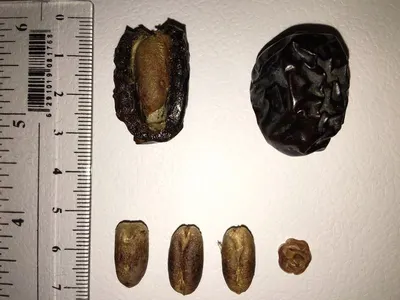
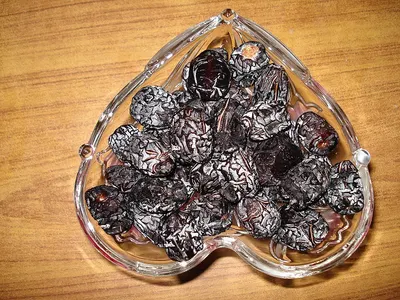
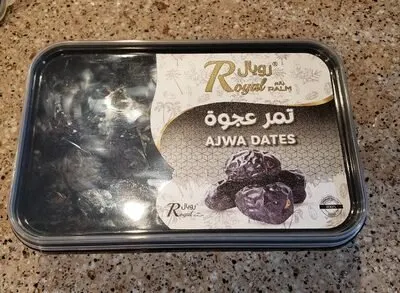
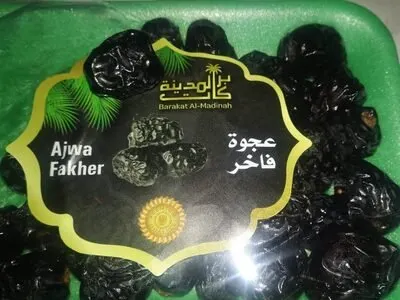
About Alkhamash Company For Industry - Dates Supplier in Saudi Arabia
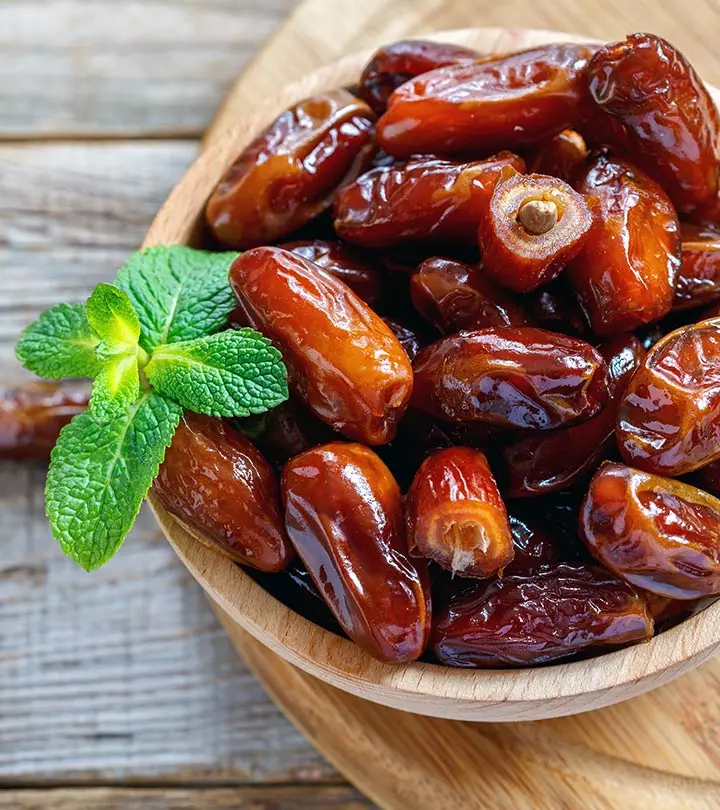
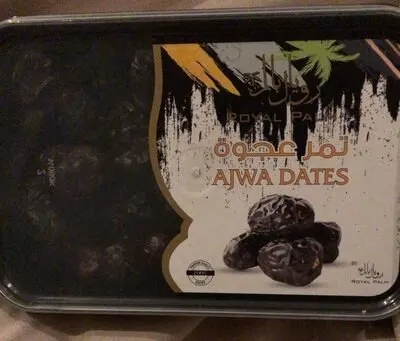
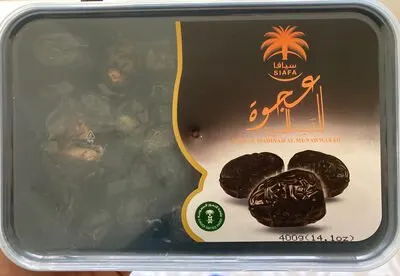
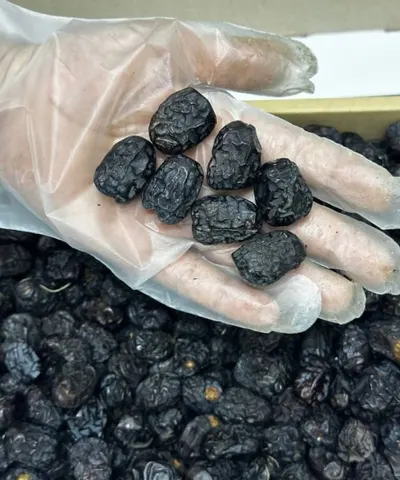
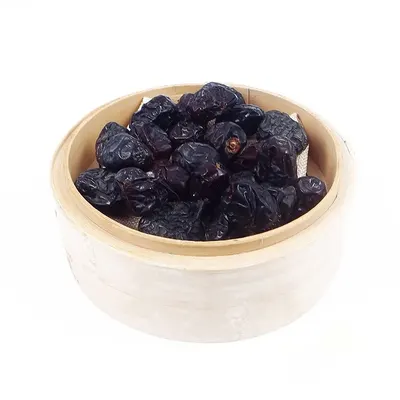
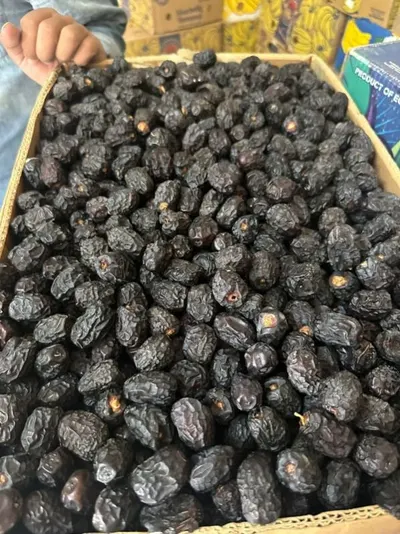
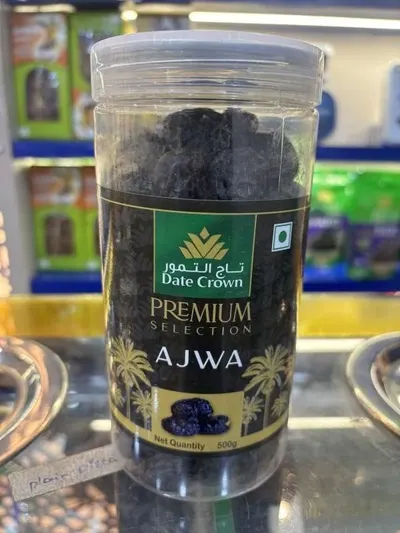
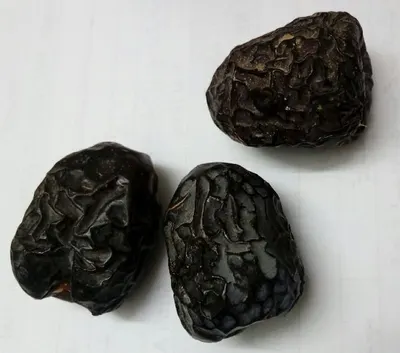
Saudi Arabia‑based Alkhamash Company For Industry lists 16 active products in its catalogue. The portfolio is centred on date fruit varieties, including Ajwa Date and Anbara Date which are both recorded under HS code 0804.10 for fresh or dried fruit of the Phoenix dactylifera species. The remaining fourteen entries are additional Saudi date cultivars such as Majdool, Mabroom, Safawi, and Khalas, each identified by name only in the source data. All items fall within the broader HS chapter 08 covering edible fruit and nuts, a classification commonly used for bulk fruit shipments.
The supplier’s catalogue distinguishes between fresh‑dried and natural date formats, with material descriptions noting “Fresh Dried Fruit” for Ajwa and “Natural Date Fruit” for Anbara. No further specifications such as moisture content, size grade, or packaging format are provided in the source facts. The product list therefore represents a snapshot of Saudi date varieties that can be sourced for processing, retail, or bulk export, each tied to the standard HS code family for dates.
Product Range and Specialties of Alkhamash Company For Industry
Alkhamash’s catalogue covers a spectrum of Saudi date cultivars that are typical in the global date market. In industry practice dates are graded by size (e.g., small, medium, large), moisture level (usually below 20 % for dried dates), and sugar content (often above 70 %). Common specifications include a minimum flesh thickness of 5 mm for premium varieties such as Ajwa, and a uniform appearance without mold. Buyers frequently request ISO 22000 or HACCP compliance, Halal certification, and laboratory reports showing moisture, pH, and microbial counts. Packaging for export often uses 10 kg cartons, 25 kg wooden boxes, or 1 ton bulk containers, with the HS‑10 sub‑heading 0804.10 covering both fresh‑dried and natural dates.
Frequently Asked Questions About Alkhamash Company For Industry
What date varieties are listed in Alkhamash’s catalogue?
The catalogue includes Ajwa, Anbara, Majdool, Mabroom, Safawi, Mashrook, Sagae, Khudri, Khalas, Sukari Mufatal, Rashoudia, Rothana, Nabtat Ali, Vaccummed Sukari, Vaccummed Khalas, and Sukari Ruttab, totaling sixteen distinct products.
Which HS code applies to the dates offered by Alkhamash?
Ajwa Date and Anbara Date are specifically recorded under HS code 0804.10, which covers fresh or dried dates of the Phoenix dactylifera species. The other varieties fall under the same HS chapter 08.04 for dates.
What certifications should a buyer request for Saudi date imports?
Buyers should request Halal certification, a phytosanitary certificate, and, where applicable, ISO 22000 or HACCP compliance documents to meet common import requirements for fruit.
How are Saudi dates typically packaged for export?
Export packaging commonly uses 10 kg cartons stacked in 25 kg wooden boxes or bulk containers, with moisture‑controlled liners to keep the fruit below 20 % moisture content.
What are typical lead times for date shipments from Saudi Arabia?
Lead times usually range from 4 to 6 weeks after order confirmation, depending on harvest season, required certifications, and container loading schedules.
Saudi ArabiaRelated Suppliers & Products
Explore similar suppliers, related products and trending categories