Aljawhara Herbs & Spices — Verified Supplier

About Aljawhara Herbs & Spices - Herbs Supplier in Egypt

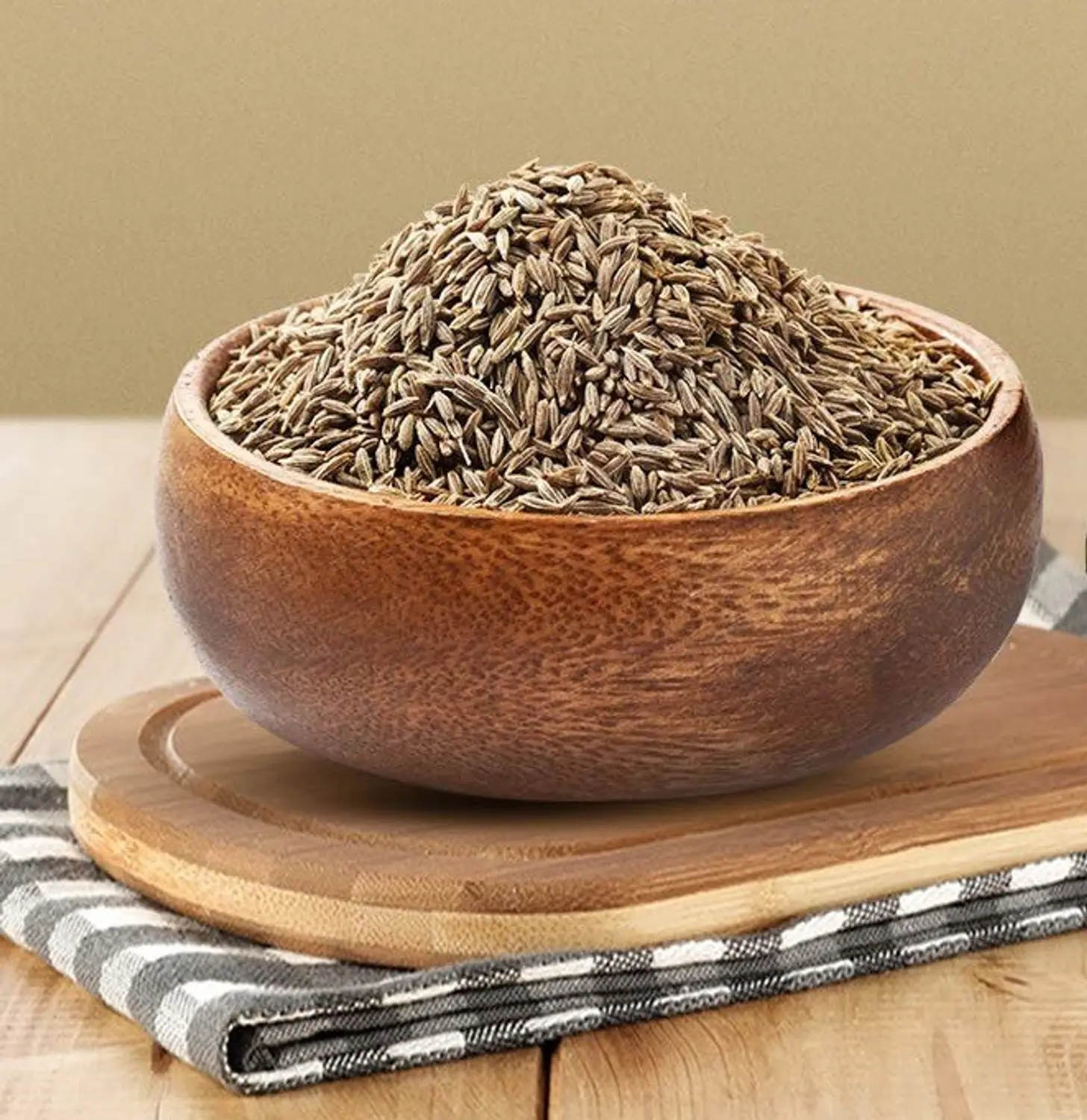
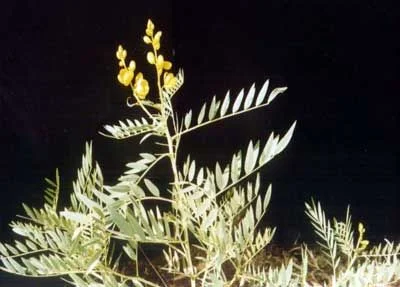
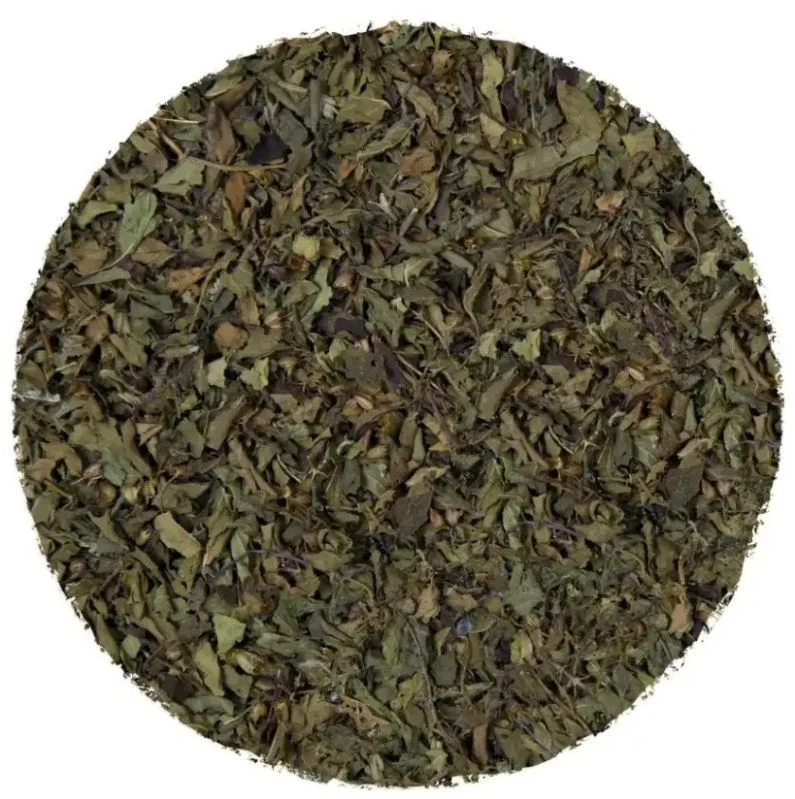
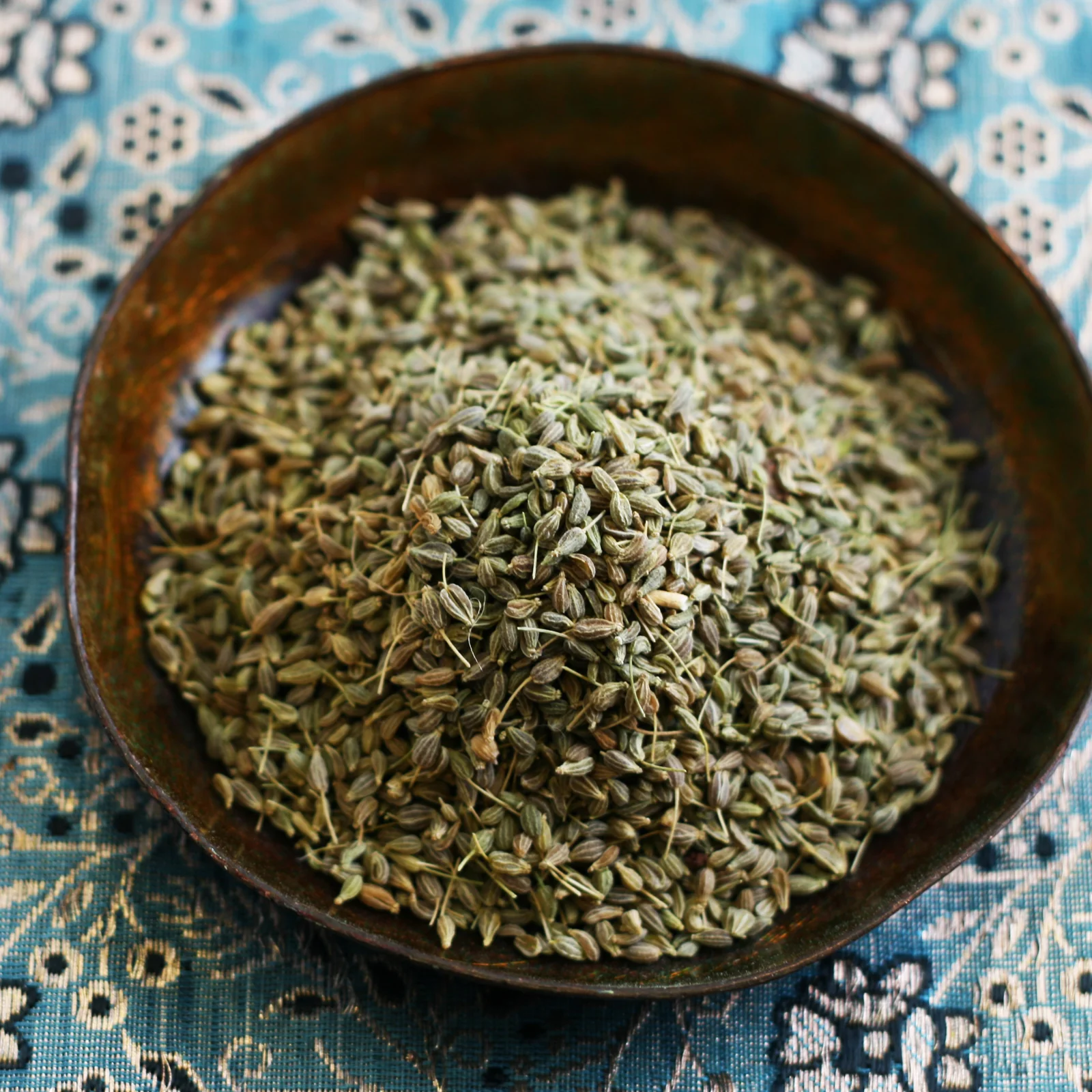
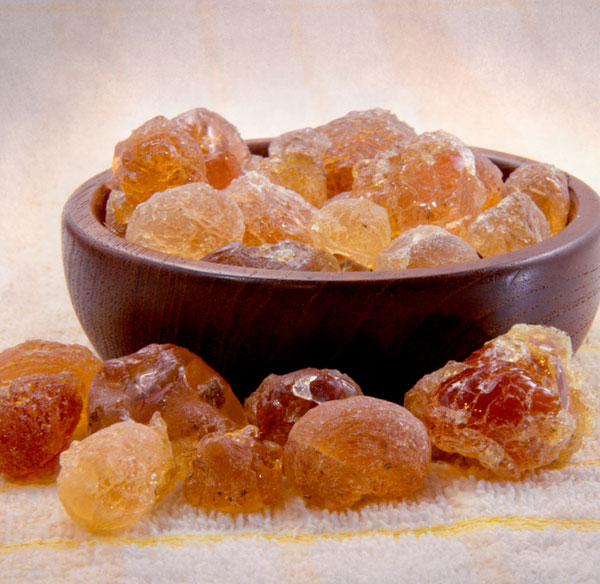
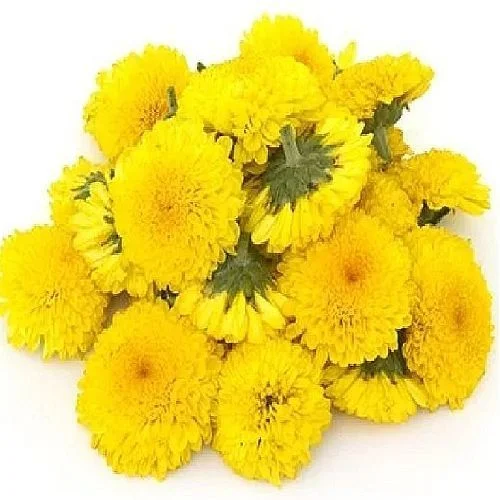
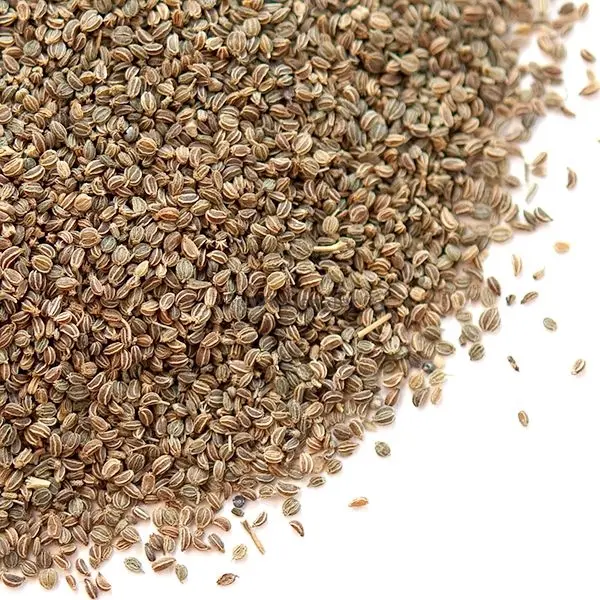
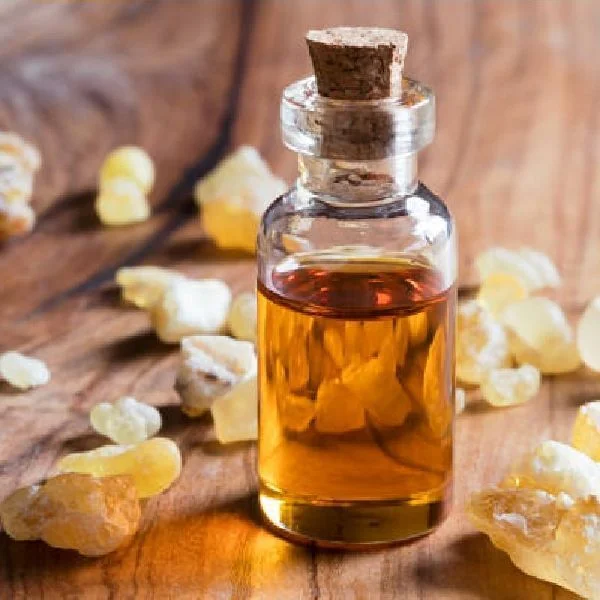
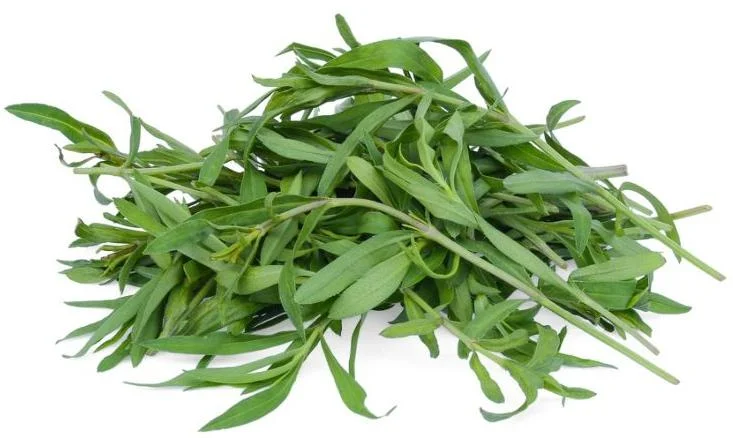
Egypt, a major exporter of Mediterranean herbs and spices, hosts Aljawhara Herbs & Spices which lists 44 active products across herbs, fresh flowers, beans, olives and related seeds. The catalogue includes items such as pickled green olives, anise seeds (HS 0909.11, whole *Pimpinella anisum*), basil, calendula flower, caraway seeds, celery, chamomile flower, dill leaves, fennel seeds, frankincense, guava leaves, gum acacia (HS 1301.20, natural gum from *Acacia senegal* Grade 1‑3), hibiscus flower, lemongrass, marjoram, molokhia, moringa tea, oregano, parsley, peppermint, rosemary, sage, senna leaves, spearmint, thyme, broad beans (HS 0713.50, dried *Vicia faba*), coriander seeds, cumin seeds, fenugreek seeds and flax seeds. Each entry follows the HS code families for spices (0909), gums (1301) and dried legumes (0713). The product list reflects typical Egyptian cultivation of aromatic herbs and legumes for export.

The supplier’s focus on fresh flowers and herbs aligns with Egypt’s climate that supports year‑round growth of species such as calendula, hibiscus, and chamomile. Beans and olives are sourced from local farms, with the broad beans classified under HS 0713.50 for dried leguminous vegetables. The inclusion of gum acacia highlights Egypt’s role as a leading producer of natural gum used in food and pharmaceutical formulations. Overall, the catalogue presents a diversified portfolio of 44 items that span multiple HS chapters relevant to spice, plant material and gum trade.

Product Range and Specialties of Aljawhara Herbs & Spices

Aljawhara Herbs & Spices offers a catalogue that covers whole seed spices (anise, caraway, fennel, coriander, cumin, fenugreek, flax), dried legumes (broad beans), fresh and dried herb leaves (basil, dill, mint, oregano, parsley, rosemary, sage, thyme, spearmint), and ornamental or medicinal flowers (calendula, chamomile, hibiscus, marjoram, moringa tea, molokhia, lemongrass). In the global spice market, whole seed spices are commonly graded by purity and moisture, with industry standards such as ICUMSA for sugar‑free spices, and typical moisture limits of 10‑12 %. Dried legumes are evaluated for size uniformity and moisture below 13 %. Fresh herbs are often sold with specifications for leaf colour, essential oil content and absence of pesticide residues. Egyptian exporters frequently adhere to ISO 9001 quality management and HACCP food safety systems, which buyers may request as part of due diligence.

Trade and Export Information - Aljawhara Herbs & Spices

Egypt ranks among the top exporters of herbs, spices and natural gums to the European Union, the Gulf Cooperation Council, and North‑American markets. HS 0909 items (spices) are subject to EU phytosanitary inspections and may require a fumigation certificate, while HS 1301 gum products are examined for purity and heavy‑metal limits under EU food additive regulations. Broad beans under HS 0713 are typically shipped in 20‑ft containers with breathable packaging to preserve seed viability. Common buyer‑required certifications include ISO 9001, HACCP, and, where applicable, organic certification (EU‑EU or USDA‑organic) for herb leaves. Egyptian exporters usually work on CIF or FOB terms, with goods packed in food‑grade polypropylene bags (25 kg) or cardboard cartons for fresh flowers, and sealed wooden crates for olives.

Sourcing from Aljawhara Herbs & Spices - Buyer Guidance

When sourcing from Aljawhara Herbs & Spices, request a recent phytosanitary certificate and a laboratory analysis report that covers moisture content, microbial load (e.g., total plate count <10 000 cfu/g), and pesticide residue limits in accordance with EU Regulation EC 1907/2006. For gum acacia, ask for a specification sheet detailing solubility, viscosity (e.g., 10‑20 mPa·s at 25 °C) and ash content (<0.2 %). Verify the HS codes provided (0909.11 for anise seeds, 1301.20 for gum acacia, 0713.50 for broad beans) match the commercial invoice. Samples of each herb or spice should be examined for colour, aroma and essential‑oil percentage before confirming bulk orders. Ensure the supplier can provide ISO 9001/HACCP certificates and, if required, organic or fair‑trade documentation.

Frequently Asked Questions About Aljawhara Herbs & Spices

What product categories are listed in Aljawhara Herbs & Spices catalogue?

The catalogue includes herbs, fresh flowers, beans, olives and a range of spice seeds such as anise, caraway, fennel, coriander, cumin, fenugreek and flax.

Which HS codes are associated with the supplier’s products?

Anise seeds are listed under HS 0909.11, gum acacia under HS 1301.20 and broad beans under HS 0713.50. Other items fall within the same HS chapters for spices (0909), gums (1301) and dried legumes (0713).

What quality specifications are typical for the whole seed spices offered?

Whole seed spices are usually required to have moisture below 12 %, purity above 98 %, and be free from visible foreign matter. Essential‑oil content and particle size are also common quality parameters.

Which certifications should a buyer request from this Egyptian supplier?

Buyers should request ISO 9001 and HACCP certificates, a recent phytosanitary certificate, and, for gum acacia, a specification sheet confirming grade 1‑3 purity. Organic certification may be required if the buyer markets the herbs as organic.

What packaging formats are commonly used for these products?

Spice seeds and dried legumes are typically packed in food‑grade polypropylene bags of 25 kg or 50 kg. Fresh herbs and flowers are shipped in insulated cardboard boxes with humidity control, while olives and gum acacia are often placed in sealed wooden crates or bulk containers.

What are the usual Incoterms and shipping containers for exporting these goods?

Export shipments from Egypt commonly use FOB or CIF terms. Bulk spices and legumes fit into 20‑ft or 40‑ft containers, while fresh flowers may require temperature‑controlled containers or air freight for quick delivery.

What documentation is needed for customs clearance of the listed products?

Customs typically requires a commercial invoice, packing list, certificate of origin, phytosanitary certificate for plant material, and any applicable quality certificates (e.g., ISO, HACCP). HS codes must match the product description on the invoice.

How can a buyer verify the authenticity of the gum acacia grade?

The buyer should request a laboratory analysis that details the gum’s solubility, viscosity, ash content and microbial limits, and compare these values with the supplier’s Grade 1‑3 specification sheet.

Featured Products from this Supplier

Other Suppliers in Primary Category

Top Trusted Suppliers

Related Products

Trending in Parent Category

More Suppliers in Category

Related Products

Other Suppliers

EximNext
58.4K+ live requirements
Register Free🎁 5 free buy-lead credits
Post Requirement
🌍 Trusted by 224.4K+ businesses in 200+ countries|
58.4K+ active requirements right now
✉️ [email protected]
|
Sell on EximNextPost Requirement
EximNext
AgricultureApparelConstructionElectronicFoodHomeIndustrialMineralsMiscellaneous
🔥 Deals|✨ AI Match|🏭 Suppliers|📋 Buy Leads|💰 Trade Finance|⭐ Upgrade
58.4K+ live RFQs·194.4K+ suppliers
🎁 5 free credits →
EximNext
EximNext
Register Free
🎁 5 free buy-lead credits
Sign In
📋Post Requirement💬Get QuotesAI Match📋RFQ Marketplace
All Categories
Services & Tools
🏭Supplier Directory🔥Today's Deals💰Trade FinanceMembership
Sell on EximNext
AboutContactBlogHelp
🏭

Aljawhara Herbs & Spices

Harbor
Country flag , Egypt
🛡️
77/100
Trust Score

Aljawhara Herbs & Spices Product Catalog

Showing 12 of 44 products
View all products →
Sunflower Seeds
Harbor
Sunflower Seeds
Contact
MOQ: 1 Unit
Spearmint
Harbor
Spearmint
Contact
MOQ: 1 Unit
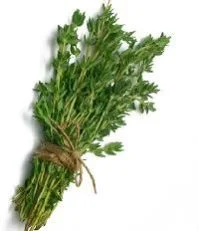
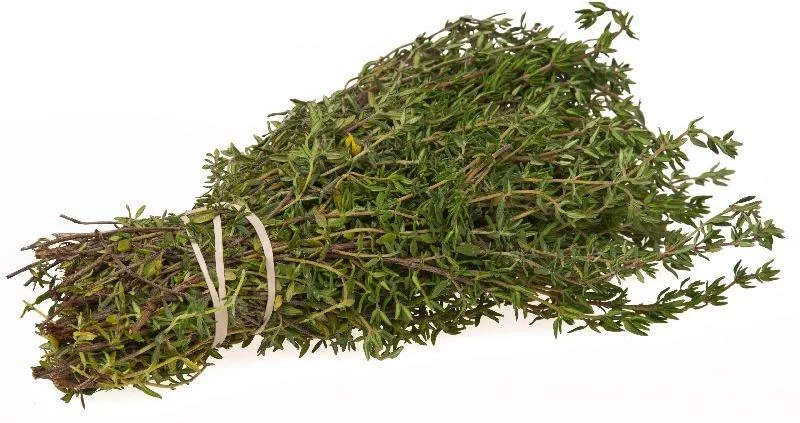
Thyme
Harbor
Thyme
Contact
MOQ: 1 Unit
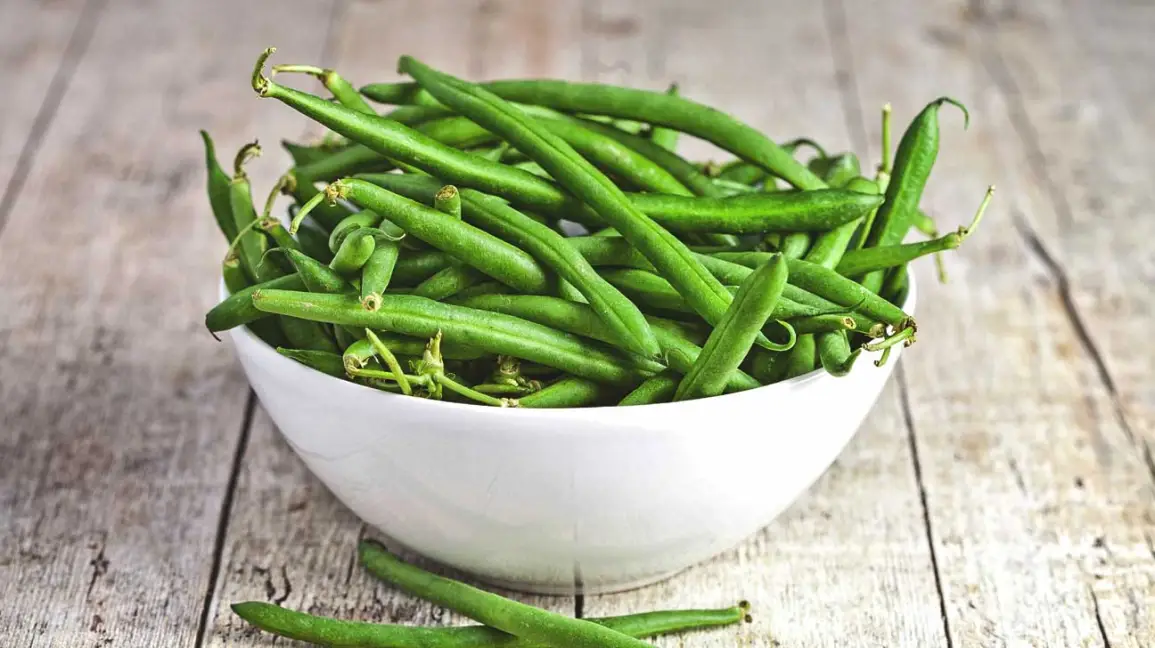
Broad Beans
Harbor
Broad Beans
Contact
MOQ: 1 Unit
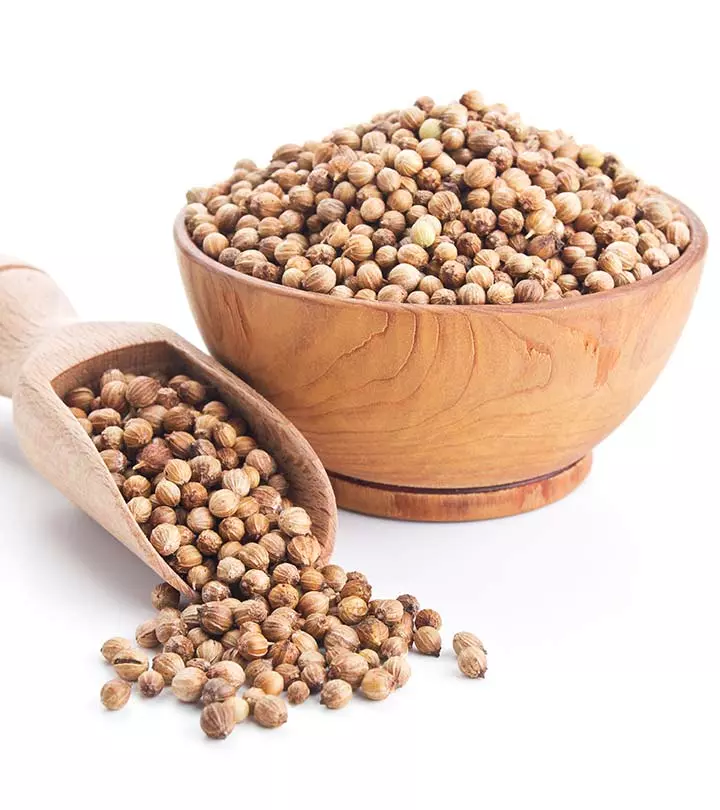
Coriander Seeds
Harbor
Coriander Seeds
Contact
MOQ: 1 Unit
Cumin Seeds
Harbor
Cumin Seeds
Contact
MOQ: 1 Unit
Fenugreek Seeds
Harbor
Fenugreek Seeds
Contact
MOQ: 1 Unit
Flax seeds
Harbor
Flax seeds
Contact
MOQ: 1 Unit
Nigella Seeds
Harbor
Nigella Seeds
Contact
MOQ: 1 Unit
Peanut
Harbor
Peanut
Contact
MOQ: 1 Unit
Sesame Seeds
Harbor
Sesame Seeds
Contact
MOQ: 1 Unit
Senna Leaves
Harbor
Senna Leaves
Contact
MOQ: 1 Unit

About Aljawhara Herbs & Spices - Herbs Supplier in Egypt

Egypt, a major exporter of Mediterranean herbs and spices, hosts Aljawhara Herbs & Spices which lists 44 active products across herbs, fresh flowers, beans, olives and related seeds. The catalogue includes items such as pickled green olives, anise seeds (HS 0909.11, whole *Pimpinella anisum*), basil, calendula flower, caraway seeds, celery, chamomile flower, dill leaves, fennel seeds, frankincense, guava leaves, gum acacia (HS 1301.20, natural gum from *Acacia senegal* Grade 1‑3), hibiscus flower, lemongrass, marjoram, molokhia, moringa tea, oregano, parsley, peppermint, rosemary, sage, senna leaves, spearmint, thyme, broad beans (HS 0713.50, dried *Vicia faba*), coriander seeds, cumin seeds, fenugreek seeds and flax seeds. Each entry follows the HS code families for spices (0909), gums (1301) and dried legumes (0713). The product list reflects typical Egyptian cultivation of aromatic herbs and legumes for export.

The supplier’s focus on fresh flowers and herbs aligns with Egypt’s climate that supports year‑round growth of species such as calendula, hibiscus, and chamomile. Beans and olives are sourced from local farms, with the broad beans classified under HS 0713.50 for dried leguminous vegetables. The inclusion of gum acacia highlights Egypt’s role as a leading producer of natural gum used in food and pharmaceutical formulations. Overall, the catalogue presents a diversified portfolio of 44 items that span multiple HS chapters relevant to spice, plant material and gum trade.

Product Range and Specialties of Aljawhara Herbs & Spices

Aljawhara Herbs & Spices offers a catalogue that covers whole seed spices (anise, caraway, fennel, coriander, cumin, fenugreek, flax), dried legumes (broad beans), fresh and dried herb leaves (basil, dill, mint, oregano, parsley, rosemary, sage, thyme, spearmint), and ornamental or medicinal flowers (calendula, chamomile, hibiscus, marjoram, moringa tea, molokhia, lemongrass). In the global spice market, whole seed spices are commonly graded by purity and moisture, with industry standards such as ICUMSA for sugar‑free spices, and typical moisture limits of 10‑12 %. Dried legumes are evaluated for size uniformity and moisture below 13 %. Fresh herbs are often sold with specifications for leaf colour, essential oil content and absence of pesticide residues. Egyptian exporters frequently adhere to ISO 9001 quality management and HACCP food safety systems, which buyers may request as part of due diligence.

Trade and Export Information - Aljawhara Herbs & Spices

Egypt ranks among the top exporters of herbs, spices and natural gums to the European Union, the Gulf Cooperation Council, and North‑American markets. HS 0909 items (spices) are subject to EU phytosanitary inspections and may require a fumigation certificate, while HS 1301 gum products are examined for purity and heavy‑metal limits under EU food additive regulations. Broad beans under HS 0713 are typically shipped in 20‑ft containers with breathable packaging to preserve seed viability. Common buyer‑required certifications include ISO 9001, HACCP, and, where applicable, organic certification (EU‑EU or USDA‑organic) for herb leaves. Egyptian exporters usually work on CIF or FOB terms, with goods packed in food‑grade polypropylene bags (25 kg) or cardboard cartons for fresh flowers, and sealed wooden crates for olives.

Sourcing from Aljawhara Herbs & Spices - Buyer Guidance

When sourcing from Aljawhara Herbs & Spices, request a recent phytosanitary certificate and a laboratory analysis report that covers moisture content, microbial load (e.g., total plate count <10 000 cfu/g), and pesticide residue limits in accordance with EU Regulation EC 1907/2006. For gum acacia, ask for a specification sheet detailing solubility, viscosity (e.g., 10‑20 mPa·s at 25 °C) and ash content (<0.2 %). Verify the HS codes provided (0909.11 for anise seeds, 1301.20 for gum acacia, 0713.50 for broad beans) match the commercial invoice. Samples of each herb or spice should be examined for colour, aroma and essential‑oil percentage before confirming bulk orders. Ensure the supplier can provide ISO 9001/HACCP certificates and, if required, organic or fair‑trade documentation.

Frequently Asked Questions About Aljawhara Herbs & Spices

What product categories are listed in Aljawhara Herbs & Spices catalogue?

The catalogue includes herbs, fresh flowers, beans, olives and a range of spice seeds such as anise, caraway, fennel, coriander, cumin, fenugreek and flax.

Which HS codes are associated with the supplier’s products?

Anise seeds are listed under HS 0909.11, gum acacia under HS 1301.20 and broad beans under HS 0713.50. Other items fall within the same HS chapters for spices (0909), gums (1301) and dried legumes (0713).

What quality specifications are typical for the whole seed spices offered?

Whole seed spices are usually required to have moisture below 12 %, purity above 98 %, and be free from visible foreign matter. Essential‑oil content and particle size are also common quality parameters.

Which certifications should a buyer request from this Egyptian supplier?

Buyers should request ISO 9001 and HACCP certificates, a recent phytosanitary certificate, and, for gum acacia, a specification sheet confirming grade 1‑3 purity. Organic certification may be required if the buyer markets the herbs as organic.

What packaging formats are commonly used for these products?

Spice seeds and dried legumes are typically packed in food‑grade polypropylene bags of 25 kg or 50 kg. Fresh herbs and flowers are shipped in insulated cardboard boxes with humidity control, while olives and gum acacia are often placed in sealed wooden crates or bulk containers.

What are the usual Incoterms and shipping containers for exporting these goods?

Export shipments from Egypt commonly use FOB or CIF terms. Bulk spices and legumes fit into 20‑ft or 40‑ft containers, while fresh flowers may require temperature‑controlled containers or air freight for quick delivery.

What documentation is needed for customs clearance of the listed products?

Customs typically requires a commercial invoice, packing list, certificate of origin, phytosanitary certificate for plant material, and any applicable quality certificates (e.g., ISO, HACCP). HS codes must match the product description on the invoice.

How can a buyer verify the authenticity of the gum acacia grade?

The buyer should request a laboratory analysis that details the gum’s solubility, viscosity, ash content and microbial limits, and compare these values with the supplier’s Grade 1‑3 specification sheet.

About Aljawhara Herbs & Spices - Herbs Supplier in Egypt

Egypt, a major exporter of Mediterranean herbs and spices, hosts Aljawhara Herbs & Spices which lists 44 active products across herbs, fresh flowers, beans, olives and related seeds. The catalogue includes items such as pickled green olives, anise seeds (HS 0909.11, whole *Pimpinella anisum*), basil, calendula flower, caraway seeds, celery, chamomile flower, dill leaves, fennel seeds, frankincense, guava leaves, gum acacia (HS 1301.20, natural gum from *Acacia senegal* Grade 1‑3), hibiscus flower, lemongrass, marjoram, molokhia, moringa tea, oregano, parsley, peppermint, rosemary, sage, senna leaves, spearmint, thyme, broad beans (HS 0713.50, dried *Vicia faba*), coriander seeds, cumin seeds, fenugreek seeds and flax seeds. Each entry follows the HS code families for spices (0909), gums (1301) and dried legumes (0713). The product list reflects typical Egyptian cultivation of aromatic herbs and legumes for export.

The supplier’s focus on fresh flowers and herbs aligns with Egypt’s climate that supports year‑round growth of species such as calendula, hibiscus, and chamomile. Beans and olives are sourced from local farms, with the broad beans classified under HS 0713.50 for dried leguminous vegetables. The inclusion of gum acacia highlights Egypt’s role as a leading producer of natural gum used in food and pharmaceutical formulations. Overall, the catalogue presents a diversified portfolio of 44 items that span multiple HS chapters relevant to spice, plant material and gum trade.

Product Range and Specialties of Aljawhara Herbs & Spices

Aljawhara Herbs & Spices offers a catalogue that covers whole seed spices (anise, caraway, fennel, coriander, cumin, fenugreek, flax), dried legumes (broad beans), fresh and dried herb leaves (basil, dill, mint, oregano, parsley, rosemary, sage, thyme, spearmint), and ornamental or medicinal flowers (calendula, chamomile, hibiscus, marjoram, moringa tea, molokhia, lemongrass). In the global spice market, whole seed spices are commonly graded by purity and moisture, with industry standards such as ICUMSA for sugar‑free spices, and typical moisture limits of 10‑12 %. Dried legumes are evaluated for size uniformity and moisture below 13 %. Fresh herbs are often sold with specifications for leaf colour, essential oil content and absence of pesticide residues. Egyptian exporters frequently adhere to ISO 9001 quality management and HACCP food safety systems, which buyers may request as part of due diligence.

Trade and Export Information - Aljawhara Herbs & Spices

Egypt ranks among the top exporters of herbs, spices and natural gums to the European Union, the Gulf Cooperation Council, and North‑American markets. HS 0909 items (spices) are subject to EU phytosanitary inspections and may require a fumigation certificate, while HS 1301 gum products are examined for purity and heavy‑metal limits under EU food additive regulations. Broad beans under HS 0713 are typically shipped in 20‑ft containers with breathable packaging to preserve seed viability. Common buyer‑required certifications include ISO 9001, HACCP, and, where applicable, organic certification (EU‑EU or USDA‑organic) for herb leaves. Egyptian exporters usually work on CIF or FOB terms, with goods packed in food‑grade polypropylene bags (25 kg) or cardboard cartons for fresh flowers, and sealed wooden crates for olives.

Sourcing from Aljawhara Herbs & Spices - Buyer Guidance

When sourcing from Aljawhara Herbs & Spices, request a recent phytosanitary certificate and a laboratory analysis report that covers moisture content, microbial load (e.g., total plate count <10 000 cfu/g), and pesticide residue limits in accordance with EU Regulation EC 1907/2006. For gum acacia, ask for a specification sheet detailing solubility, viscosity (e.g., 10‑20 mPa·s at 25 °C) and ash content (<0.2 %). Verify the HS codes provided (0909.11 for anise seeds, 1301.20 for gum acacia, 0713.50 for broad beans) match the commercial invoice. Samples of each herb or spice should be examined for colour, aroma and essential‑oil percentage before confirming bulk orders. Ensure the supplier can provide ISO 9001/HACCP certificates and, if required, organic or fair‑trade documentation.

Frequently Asked Questions About Aljawhara Herbs & Spices
What product categories are listed in Aljawhara Herbs & Spices catalogue?
The catalogue includes herbs, fresh flowers, beans, olives and a range of spice seeds such as anise, caraway, fennel, coriander, cumin, fenugreek and flax.
Which HS codes are associated with the supplier’s products?
Anise seeds are listed under HS 0909.11, gum acacia under HS 1301.20 and broad beans under HS 0713.50. Other items fall within the same HS chapters for spices (0909), gums (1301) and dried legumes (0713).
What quality specifications are typical for the whole seed spices offered?
Whole seed spices are usually required to have moisture below 12 %, purity above 98 %, and be free from visible foreign matter. Essential‑oil content and particle size are also common quality parameters.
Which certifications should a buyer request from this Egyptian supplier?
Buyers should request ISO 9001 and HACCP certificates, a recent phytosanitary certificate, and, for gum acacia, a specification sheet confirming grade 1‑3 purity. Organic certification may be required if the buyer markets the herbs as organic.
What packaging formats are commonly used for these products?
Spice seeds and dried legumes are typically packed in food‑grade polypropylene bags of 25 kg or 50 kg. Fresh herbs and flowers are shipped in insulated cardboard boxes with humidity control, while olives and gum acacia are often placed in sealed wooden crates or bulk containers.
What are the usual Incoterms and shipping containers for exporting these goods?
Export shipments from Egypt commonly use FOB or CIF terms. Bulk spices and legumes fit into 20‑ft or 40‑ft containers, while fresh flowers may require temperature‑controlled containers or air freight for quick delivery.
What documentation is needed for customs clearance of the listed products?
Customs typically requires a commercial invoice, packing list, certificate of origin, phytosanitary certificate for plant material, and any applicable quality certificates (e.g., ISO, HACCP). HS codes must match the product description on the invoice.
How can a buyer verify the authenticity of the gum acacia grade?
The buyer should request a laboratory analysis that details the gum’s solubility, viscosity, ash content and microbial limits, and compare these values with the supplier’s Grade 1‑3 specification sheet.

🏭
Aljawhara Herbs & Spices
Country flag , Egypt
Harbor
77/100
Trust Score
📦
44
Products
Free to contact — no commission
Escrow payment available
Verified business identity
Compare more suppliers
Post a requirement — get 10 quotes free
Let verified suppliers compete for your business. Free, fast, no commitment.
EximNext Verified Supplier
Business identity verified
Physical address confirmed
Financial history checked
Certifications authenticated
Trade references validated
Due Diligence
Verify this supplier's real shipping history.
Every shipment, every buyer, every port. Trade data that can't be faked.
Run due diligence →
Discover More

Related Suppliers & Products

Explore similar suppliers, related products and trending categories

Featured Products from this Supplier

Other Suppliers in Primary Category

Top Trusted Suppliers

Related Products

Trending in Parent Category

More Suppliers in Category

Stay ahead in global trade
Weekly market insights & new supplier alerts.
EximNext
Exim Next is a leading global B2B marketplace, connecting over 205,000 verified suppliers and buyers across 200+ countries. As a trusted import export marketplace, it serves as the essential B2B portal for businesses worldwide, empowering them to expand their international reach. With Exim Next, businesses can trade smarter and grow faster.
SECURE PAYMENTS
VISAMastercardPayPalSWIFTL/CEscrow
Follow us
© 2026 EximNext