Alafricky Herbs — Verified Supplier
About Alafricky Herbs - Spices Supplier in Egypt
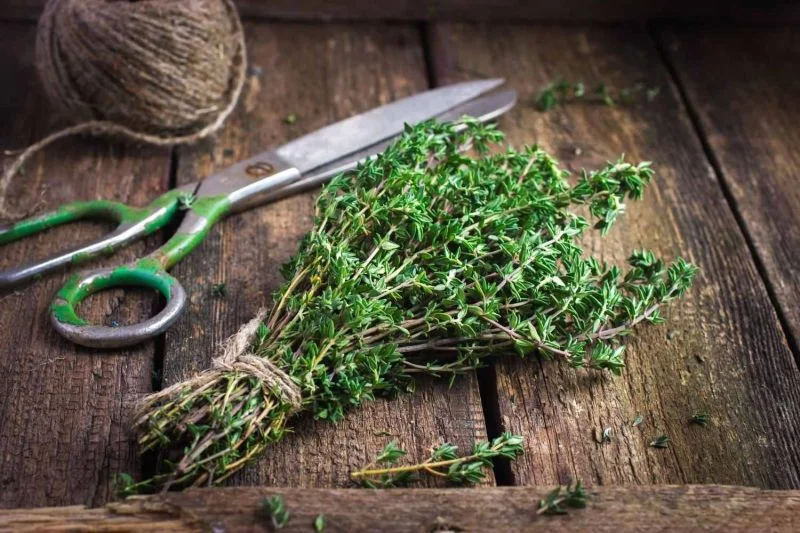
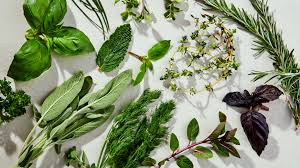
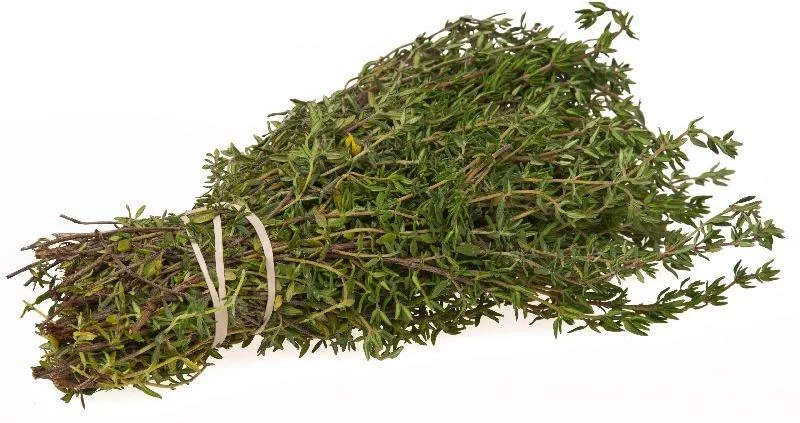
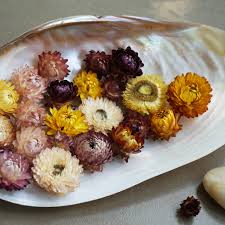
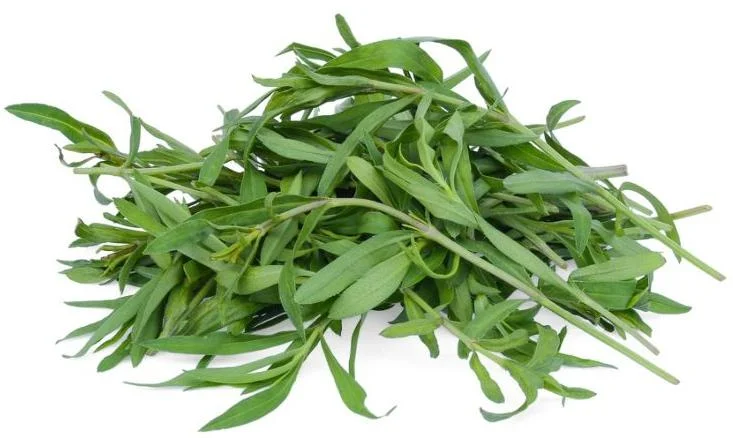
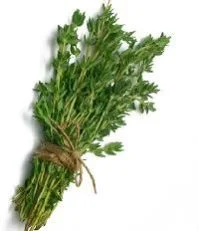
Egypt hosts Alafricky Herbs, which lists 23 active products across the categories Spices, Herbs, Plants & Plant Extracts, Dried Flowers, Fresh Lemon, Fresh Flowers, Beans and Caraway Seeds. The catalogue includes items such as Dried Parsley Leaves, White Kidney Beans (HS code 0713.39, Phaseolus vulgaris), Carawya seeds, Dehydrated Parsley Leaves, Fennel Seeds, Dry Spearmint, Dry Dill Tips, Thyme, Lemon Grass, Bay Leaves, Fenugreek Seeds, Yellow Lemon dry, Dried Hibiscus, Marjoram Leaves, Verbascum Flowers, Basil Leaves, Black Lemon Dry, Dried Red Rose Petals, Dry Molokhia Leaves, Dried Chamomile Flower New Crop, Thyme Leaves, Calendula Flowers and Senna Leaves. Each entry is recorded under the relevant HS‑code family where provided, for example the white kidney beans fall under HS chapter 07 for edible vegetables. The product list reflects a focus on dried botanical material and a single legume product, matching the supplier’s stated top categories.
Product Range and Specialties of Alafricky Herbs
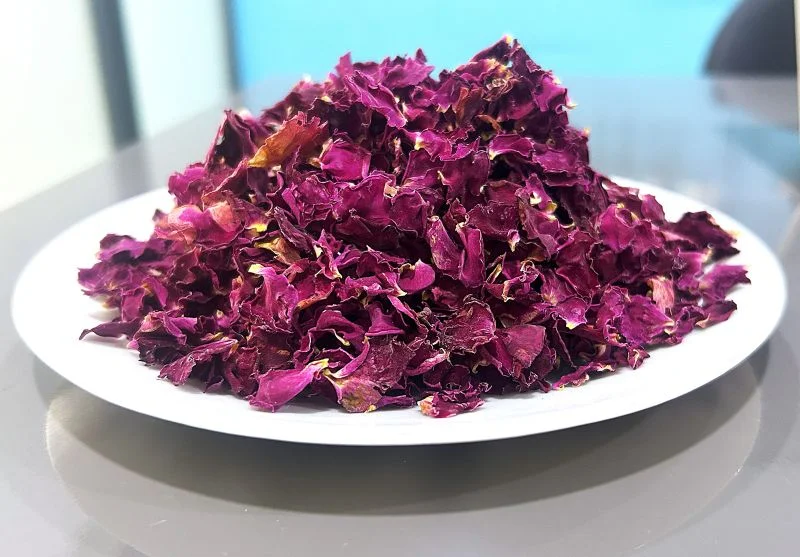
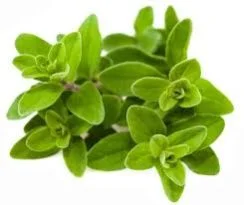
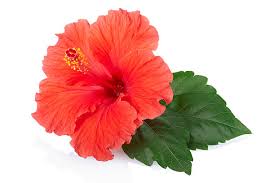
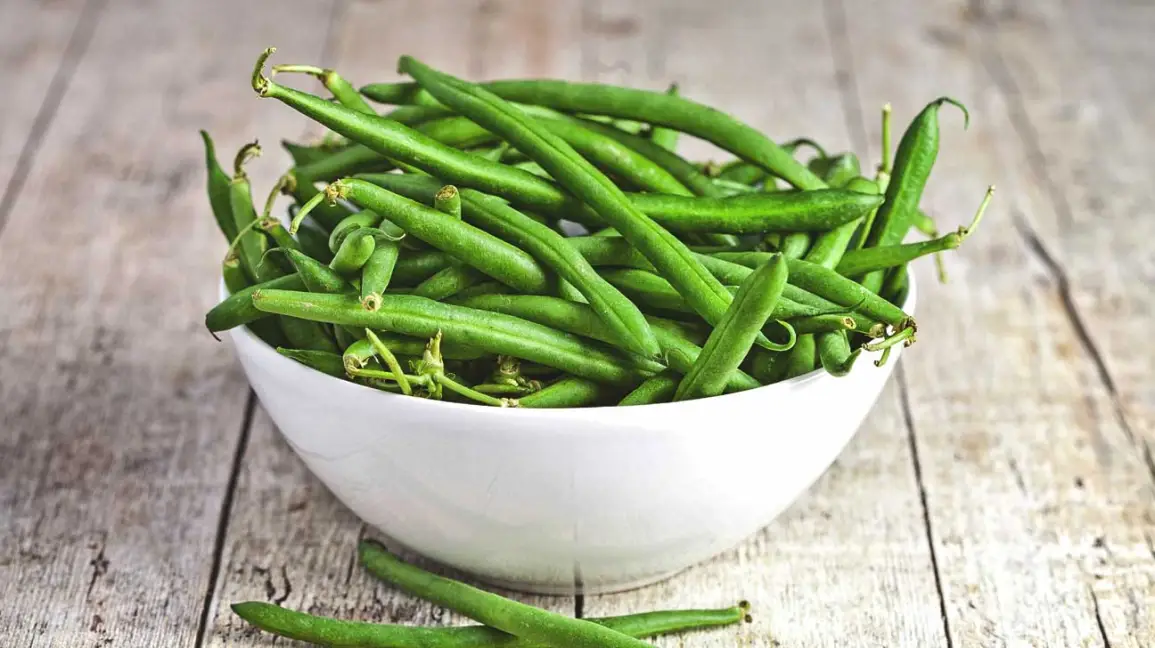
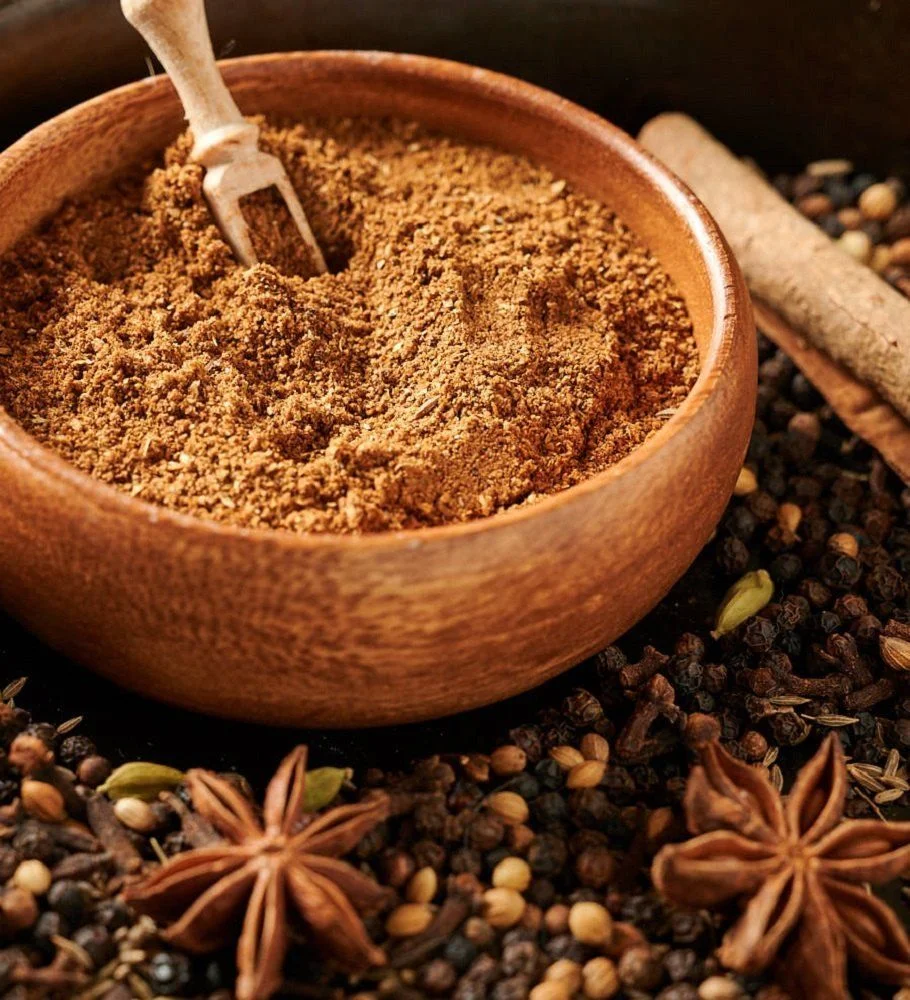
The product portfolio covers a broad spectrum of dried herbs and spices such as thyme, basil, marjoram, dill, spearmint and fennel, each typically marketed at moisture levels below 12 % and particle size grades ranging from coarse to fine depending on end‑use. In the spice trade, Egyptian exporters often meet ISO 22000 or HACCP standards and may provide organic certification where applicable. Dried beans such as the white kidney beans are usually sorted by size (6‑9 mm) and graded A for uniform colour and low defect count, with moisture not exceeding 13 % to ensure shelf stability. Dried flower products like hibiscus, chamomile and rose petals are commonly evaluated for colour intensity, petal integrity and moisture below 10 %, and are shipped in food‑grade kraft paper bags or bulk containers.
Trade and Export Information - Alafricky Herbs
Egypt is a long‑standing exporter of dried herbs, spices and legumes to the European Union, GCC states, the United States and Canada. HS‑code 0909 covers most dried herbs and spices, while HS‑code 0713.39 is used for dried beans; customs authorities in importing regions frequently request phytosanitary certificates, a certificate of origin and compliance with maximum pesticide residue limits (MRLs) set by the EU or US FDA. Buyers typically require proof of ISO 22000, HACCP or GMP compliance, and many importers request organic or fair‑trade documentation for premium market segments. Logistics from Egyptian ports such as Alexandria or Port Said commonly use FOB terms, with products packed in 25 kg kraft bags, stacked in 20 ft or 40 ft containers, and moisture‑controlled ventilation to preserve quality during transit.
Sourcing from Alafricky Herbs - Buyer Guidance
When sourcing from Alafricky Herbs, buyers should request a recent Certificate of Analysis that includes moisture content, microbial limits (e.g., total plate count <10 000 cfu/g), and pesticide residue results aligned with EU or US MRLs. A phytosanitary certificate issued by the Egyptian Ministry of Agriculture is standard for dried plant material and should be verified before shipment. Buyers are advised to confirm packaging specifications - typically 25 kg food‑grade paper bags sealed with heat‑seal tape - and to request a sample batch for organoleptic testing (aroma, colour and flavour) prior to final order confirmation.
Frequently Asked Questions About Alafricky Herbs
What product categories are listed by Alafricky Herbs?
The catalogue includes dried herbs, spices, plant extracts, dried flowers, fresh lemon, fresh flowers, beans and caraway seeds, totaling 23 distinct items.
How can I request a sample of a dried herb?
Contact the supplier to arrange a small sample shipment, typically 1 kg of the requested herb packed in a sealed food‑grade bag, and ask for an accompanying Certificate of Analysis.
Which certifications are commonly required for Egyptian herb exports?
Importers usually ask for ISO 22000 or HACCP compliance, a phytosanitary certificate, and, where applicable, organic certification or a Certificate of Origin.
What moisture specifications apply to dried parsley leaves?
Dried parsley leaves are generally required to have moisture content below 12 % to prevent mold growth and maintain colour stability during storage.
What does HS code 0713.39 indicate for the white kidney beans?
HS 0713.39 classifies dried beans of the species Phaseolus vulgaris; it signals customs that the product is a dried legume, subject to phytosanitary inspection and standard import duties for dried vegetables.
What are typical minimum order quantities and lead times?
For most dried herbs and spices, minimum orders start at 500 kg, with a typical production lead time of 25‑35 days from order confirmation, depending on the specific item.
How are the products packaged for international shipment?
Items are packed in 25 kg kraft paper bags, often placed in wooden pallets or bulk containers, and sealed to protect against moisture and contamination during sea freight.
Which markets commonly import Egyptian dried herbs and beans?
Key import markets include the European Union, the United States, Canada, the Gulf Cooperation Council countries and Russia, where demand for Mediterranean botanicals remains strong.




 , Egypt