Al-Niletrade — Verified Supplier
About Al-Niletrade - Fresh Produce Supplier in Egypt
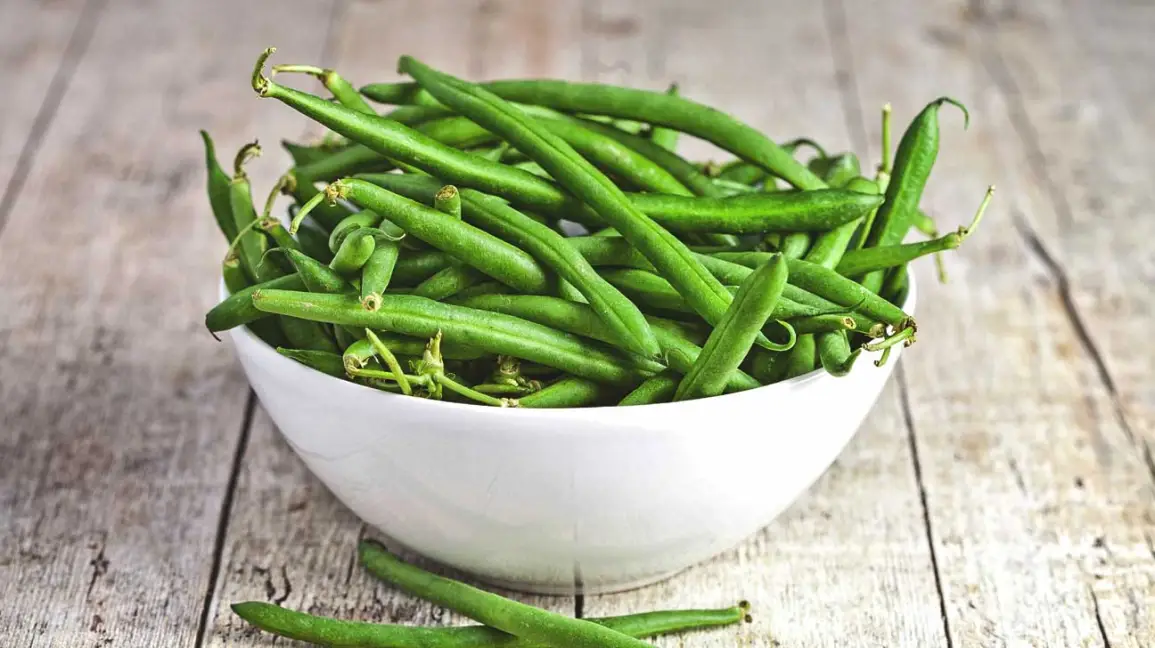
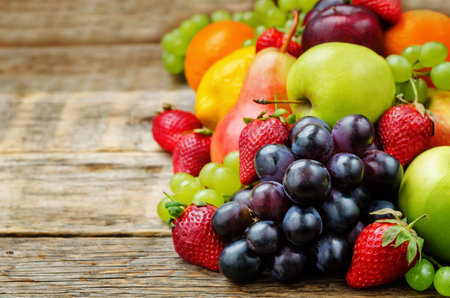
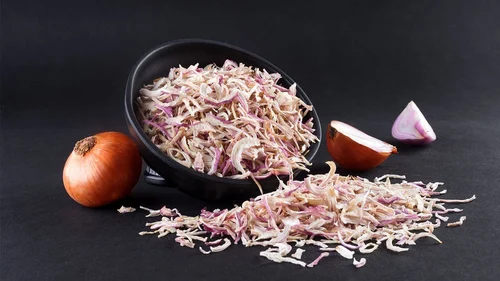
Al-Niletrade is based in Egypt and currently lists 16 active products across its catalogue. The supplier's portfolio covers fresh vegetables, fresh fruits, and processed items such as pickles. Products include pickles, artichoke, pepper, fresh garlic, mangetout, spring onion, cherry tomatoes, fresh fruits, strawberry, pomegranate, capsicum, grapes, green beans, orange, onion and sweet potato. These items fall under HS Chapter 07 for fresh vegetables and HS Chapter 08 for fresh fruits, which are the typical tariff headings used for such commodities. The catalogue reflects a focus on both raw produce and value‑added vegetable processing.
The top categories reported for Al-Niletrade are Fresh Vegetables, Pickles & Sauces, Fresh Garlic, Fresh Tomato, Fresh Fruits, Strawberry, Pomegranate and Fresh Capsicum. Each category contains multiple SKUs that are commonly traded in 20‑ft and 40‑ft refrigerated containers. The supplier does not list any certifications in the provided data, therefore buyers should verify compliance with GlobalGAP, ISO 22000 or similar food safety standards during the sourcing process.
Product Range and Specialties of Al-Niletrade
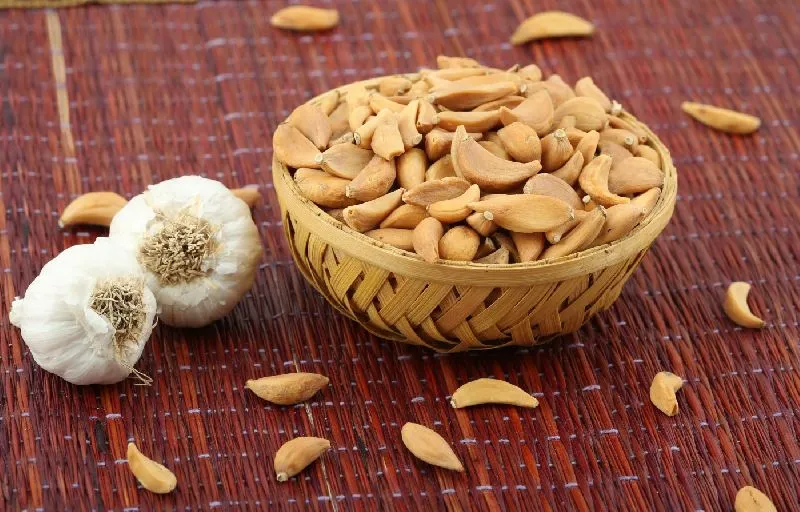
The catalogue includes a range of fresh vegetables such as pepper, capsicum, green beans, mangetout, spring onion and onion, which are typically classified under HS 0709 - 0715. In the fresh vegetable market, buyers often request size grades (e.g., small 20‑30 mm, medium 31‑40 mm for capsicum) and moisture content below 90 %. Fresh garlic is usually sold in bulk bags of 25 kg with a purity of 99 % and low sprouting rates. Pickles are a processed category normally packed in glass jars or PET bottles, with acidity (pH 2.5 - 3.5) and salt content (5 - 10 % NaCl) specified.
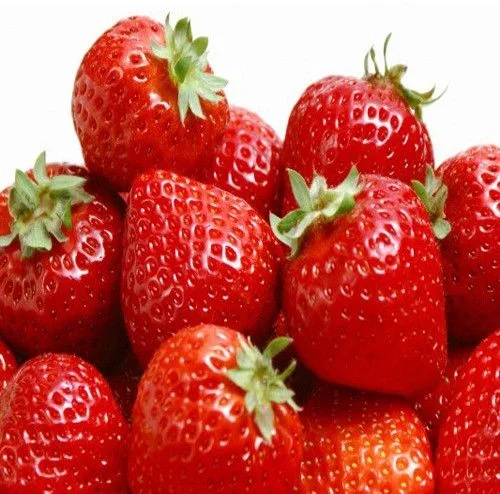
Fruit offerings comprise strawberry, pomegranate, grapes, orange and other fresh fruits, which fall under HS 0806 - 0810. Standard quality parameters include fruit size (e.g., strawberries 10‑15 mm), soluble solids content (Brix 8 - 12 % for strawberries), and absence of pesticide residues above MRL limits. Sweet potato, listed as a root vegetable, is usually exported in 25 kg bags with a moisture level of 70 - 80 % and a minimum dry matter of 20 %.
Trade and Export Information - Al-Niletrade
Egypt is a significant exporter of fresh vegetables and fruits to the European Union, the Gulf Cooperation Council, and North African markets. HS Chapter 07 (fresh vegetables) and Chapter 08 (fresh fruits) are the primary tariff classifications, and shipments are typically subject to phytosanitary certificates, origin certificates and, where required, EU pesticide residue testing. Export logistics often employ refrigerated sea containers (reefers) with temperature control between 0 °C and 4 °C for leafy greens and 8 °C - 12 °C for fruits.
Buyers importing Egyptian produce usually request compliance with GlobalGAP or the EU's Fresh Produce Regulation, as well as a Certificate of Analysis for pesticide residues. The country’s proximity to major ports such as Alexandria and Port Said facilitates container loading within 3 - 5 days after harvest, enabling delivery windows of 7 - 10 days to the EU and 4 - 6 days to GCC ports. Common Incoterms used are FOB Alexandria and CIF Dubai.
Sourcing from Al-Niletrade - Buyer Guidance
When sourcing from Al‑Niletrade, buyers should request a product specification sheet that includes size grades, moisture content, Brix levels (for fruits) and any post‑harvest treatments applied. A phytosanitary certificate issued by the Egyptian Ministry of Agriculture is mandatory for all fresh produce, and a recent lab test report for pesticide residues should be reviewed before shipment.
Samples are typically provided in 5 kg cartons for vegetables and 2 kg boxes for berries, allowing verification of visual quality and compliance with the buyer’s grade criteria. Minimum order quantities often start at one 20‑ft refrigerated container (≈ 12 t of mixed vegetables or 10 t of fruits), with lead times of 10 - 14 days from order confirmation to loading, depending on seasonality.
Frequently Asked Questions About Al-Niletrade
What product categories does Al‑Niletrade offer?
The supplier lists 16 products that cover fresh vegetables (pepper, capsicum, green beans, mangetout, spring onion, onion), fresh garlic, a selection of fresh fruits (strawberry, pomegranate, grapes, orange), pickles and other items such as artichoke and sweet potato.
Which HS codes apply to the listed products?
Fresh vegetables fall under HS Chapter 07 (e.g., 0709 for peppers, 0715 for beans), while fresh fruits are classified under HS Chapter 08 (e.g., 0806 for grapes, 0805 for oranges). Processed pickles are typically recorded under HS 2008.
What certifications should a buyer request?
Buyers should ask for GlobalGAP or ISO 22000 food safety certificates, a phytosanitary certificate, and a recent pesticide residue analysis complying with EU MRLs or GCC standards.
What are typical packaging formats for these goods?
Vegetables are usually packed in 25 kg polypropylene bags or 10 kg cardboard boxes; berries and strawberries are shipped in 2 kg clamshells; pickles are packed in glass jars or PET bottles; fruits often arrive in 5 kg cartons.
What are the common incoterms used for shipments from Egypt?
Exporters from Egypt commonly use FOB Alexandria or Port Said, and CIF Dubai for Gulf destinations.
What is the usual MOQ and lead time?
Minimum order quantities are typically one 20‑ft refrigerated container (approximately 12 t of mixed vegetables or 10 t of fruits). Lead time from order confirmation to vessel loading ranges from 10 to 14 days, subject to harvest season.
How can a buyer verify product quality before full shipment?
Buyers can request pre‑shipment samples, review the supplier’s lab test reports for moisture, Brix and pesticide residues, and confirm compliance with the required phytosanitary certificate and any third‑party inspection reports.




 , Egypt