Akshar Exim — Verified Supplier
About Akshar Exim - Agricultural and Herbal Product Supplier in India
Akshar Exim is an India-based exporter operating from the country's western agricultural belt, with an active catalogue of 9 products spanning fresh produce, dry spices, and herbal items. The supplier's listings cover fresh pomegranate, fresh red onion, fresh drumsticks, bitter gourd, garlic, and lemon alongside processed lines such as 100% broken rice, asafoetida spice, and moringa capsules. This mix places the company at the intersection of India's fresh horticultural export trade and its processed agro-commodity sector, both of which feed significant volumes into overseas wholesale and ingredient markets. The combination of perishable fresh lines and shelf-stable spice and herbal items indicates a multi-segment operation serving different buyer categories rather than a single-product shipper.
The product mix reflects the agricultural strengths of several Indian states: pomegranate from Maharashtra and Gujarat, red onion from Nashik and the southern Deccan plateau, lemon from the western citrus belts, and asafoetida gum resin sourced from the resin trade that historically passes through Indian processors and re-exporters. Moringa capsules fall under India's expanding botanical extract and nutraceutical export segment, while 100% broken rice is typically drawn from the large parboiled and white rice milling clusters of Andhra Pradesh, Telangana, and Chhattisgarh. Together, the catalogue maps onto HS code families covering fresh fruit (chapter 08), fresh vegetables (chapter 07), rice (1006), spices (chapter 09), and vegetable preparations/herbal products (chapter 13 and 21), giving buyers a single counterparty for several complementary agri-commodity lines.
Product Range and Specialties of Akshar Exim
The catalogue divides cleanly into three groups. Fresh lines include pomegranate (a fruit India ranks as a global producer of, with commercial cultivars such as Bhagwa and Ganesh), red onion, drumsticks (Moringa oleifera pods), bitter gourd, garlic, and lemon. Indian fresh pomegranate is typically traded by count and size grade (8-12 count mid-size, 12-16 count larger fruit), with brix levels commonly 14-16 percent and Bhagwa as the dominant export cultivar. Fresh red onion from Nashik is normally shipped in 5 kg, 10 kg, 15 kg, or 25 kg mesh or jute bags, with the preferred export size band of 45-65 mm diameter. Lemons typically grade out at 50-70 count per 10 kg carton depending on size band, and Indian shippers commonly use 5 kg or 10 kg ventilated cartons with waxing for longer transit.
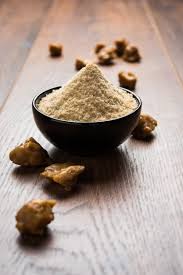
The dry and processed group includes 100% broken rice, asafoetida spice, and moringa capsules. Broken rice is sold in fractions such as 25%, 50%, or 100% broken and is widely used in flour, animal feed, brewing, and processed food applications, with Indian mills typically packing in 25 kg or 50 kg PP bags and 1 MT jumbo bags. Asafoetida, classified under HS 0910.99 as a 'other spices' line and made from Ferula gum resin in food-grade compound or pure resin form, is a high-value low-volume spice where Indian re-processors serve as the dominant global supply point, typically supplying 50 g, 100 g, 500 g, and 1 kg retail packs plus bulk tins. Moringa capsules sit within India's broader herbal extract and nutraceutical segment, where buyers typically expect capsule fill weights of 400-500 mg of Moringa oleifera leaf powder, with standardization on markers such as total antioxidants or specific glucosinolates.
Trade and Export Information - Akshar Exim
Indian exporters of fresh produce, rice, spices, and herbal products typically ship to the Gulf Cooperation Council (UAE, Saudi Arabia, Oman, Qatar, Bahrain, Kuwait), the United Kingdom, the European Union, Bangladesh, Sri Lanka, Malaysia, Singapore, and African markets including Kenya, Tanzania, and South Africa. Fresh pomegranate and onion volumes from India are particularly heavy into the Gulf and Bangladesh, while lemon and drumsticks see strong demand in the UK and EU South Asian diaspora wholesale trade. Broken rice from India moves into African food processing markets, pet food manufacturers in Europe and the Middle East, and brewing distilleries. Asafoetida is re-exported globally from India, with significant demand from South Asian diaspora retail and HORECA channels in the Gulf, UK, US, Canada, and Australia, while moringa leaf powder and capsules are distributed into the US, EU, and Australian nutraceutical and herbal supplement sectors.
The relevant HS code families for this catalogue are HS 0703 (onion, garlic, shallots), HS 0704 (cabbages and similar, which can cover drumsticks in some national tariff notes), HS 0706 (carrots and similar, occasionally used for bitter gourd), HS 0707 (cucumbers and gherkins, sometimes applied to bitter gourd), HS 0708/0709 (other vegetables), HS 0805 (citrus, including lemon), HS 0810 (other fresh fruit, including pomegranate), HS 1006 (rice, including broken rice under 1006.40), HS 0910.99 (asafoetida and other spices not elsewhere specified), and HS 1302/2106 (vegetable saps and extracts, food preparations) for the moringa capsule line. Fresh produce shipments from India typically require APEDA registration, Phytosanitary certificates issued by the Plant Quarantine wing of the Directorate of Plant Protection, and a Certificate of Origin, while spice and processed lines require FSSAI licensing, a health certificate, and for many destinations a Certificate of Conformity. Buyers in the EU additionally expect compliance with EU MRL regulations for pesticides on fresh produce and adherence to Regulation (EC) 1881/2006 for contaminants. Standard shipping practice for fresh lines is 40 ft reefer containers at 1-7 degrees Celsius with ethylene-absorbing pads, while dry rice and spices move in 20 ft dry containers, typically 25 MT per 20 ft for bagged rice.
Sourcing from Akshar Exim - Buyer Guidance
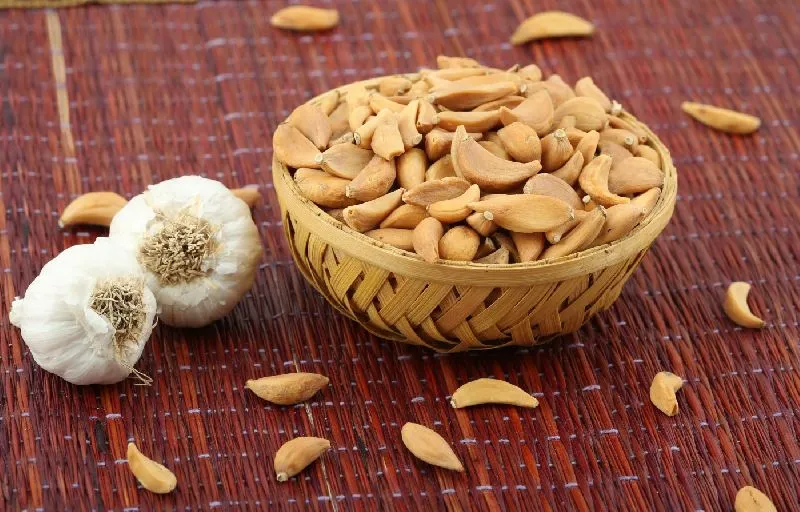
Buyers sourcing fresh produce from India should request the latest APEDA Phytosanitary certificate, a pesticide residue analysis report covering the destination's MRL list, a pre-shipment cold-chain temperature log for reefer shipments, and confirmation of pack-house registration with the Plant Quarantine authority. For red onion and garlic, confirm the size band in mm, the variety (Nashik Red, Bhima Super, etc.), and whether the lot is single-crop or mixed. For pomegranate, ask for cultivar (Bhagwa preferred in most export markets), brix reading, and absence of internal aril browning. For lemon, confirm waxing treatment, count per carton, and shelf-life remaining on arrival.
For the processed and spice lines, buyers should request an FSSAI license copy, a Certificate of Origin (Form A or RCEP as applicable), a product specification sheet with moisture, ash, and curcumin or resin content where relevant, and a third-party lab analysis covering heavy metals, aflatoxins, and microbiological parameters. For 100% broken rice, confirm the exact broken percentage, grain length, moisture below 14 percent, and absence of live or dead weevils. For asafoetida under HS 0910.99, request the resin-to-compound ratio, ash content, and whether the product is pure resin or compounded with edible starch. For moringa capsules, request the active ingredient specification, capsule shell material (vegetable HPMC vs gelatin), and stability data. Tier and verification signals to watch for include verifiable APEDA exporter registration, a documented cold-chain or warehouse address, willingness to share lab certificates unredacted, and consistent response time on technical queries within 24-48 hours.
Frequently Asked Questions About Akshar Exim
What product categories does Akshar Exim export?
The catalogue covers fresh vegetables and fruit (pomegranate, red onion, garlic, lemon, drumsticks, bitter gourd), rice (100% broken rice), spices (asafoetida under HS 0910.99), and herbal products (moringa capsules). This combination of perishable fresh lines and shelf-stable processed goods means buyers can consolidate mixed orders, subject to separate cold-chain and dry-cargo handling.
Which HS codes apply to the items in the catalogue?
Fresh pomegranate typically falls under HS 0810, fresh red onion and garlic under HS 0703, lemon under HS 0805, bitter gourd and drumsticks under HS 0708 or 0709, 100% broken rice under HS 1006.40, and asafoetida spice under HS 0910.99 as listed. Moringa capsules are generally classified under HS 1302 or 2106 depending on whether they are treated as a vegetable extract or a food preparation.
What documents should I request before placing an order?
For fresh produce, ask for the APEDA Phytosanitary certificate, a pesticide residue analysis aligned to your country's MRL list, and a pre-shipment cold-chain record. For rice, spices, and herbal capsules, request the FSSAI license, Certificate of Origin, product specification sheet, and a third-party lab report covering heavy metals, aflatoxins, and microbiology.
What are the typical specifications for Indian fresh pomegranate and red onion?
Bhagwa pomegranate from Maharashtra is the dominant export cultivar, commonly graded 8-12 or 12-16 count per carton with brix of 14-16 percent. Nashik red onion is typically shipped in 5 kg, 10 kg, 15 kg, or 25 kg mesh bags with the preferred export size band of 45-65 mm diameter and a single-variety, single-origin pack.
How is broken rice graded and packed from India?
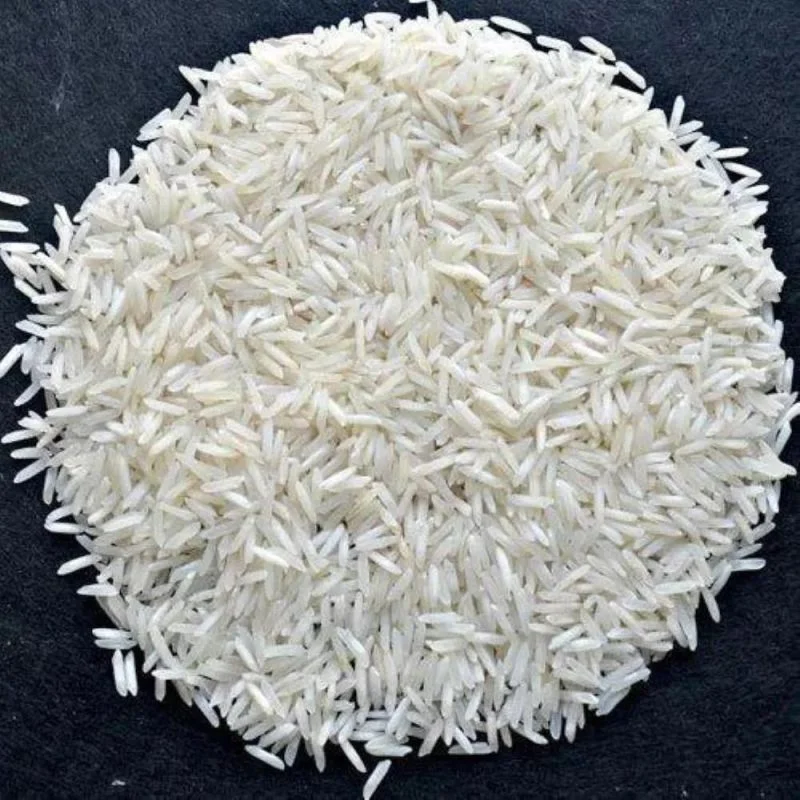
Indian broken rice is sold by fraction, typically 25%, 50%, or 100% broken, and is used in flour, animal feed, brewing, and processed food. Standard packing is 25 kg or 50 kg polypropylene bags, with 1 MT jumbo bags available for bulk buyers; moisture should be confirmed below 14 percent and the lot free of live infestation.
What should I verify about the asafoetida offered under HS 0910.99?
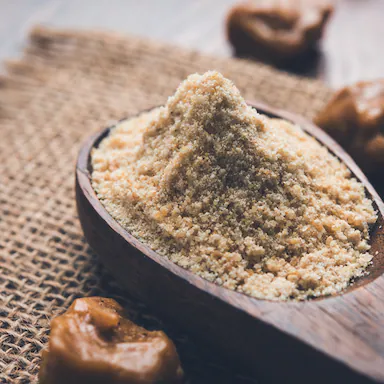
Asafoetida is supplied either as pure Ferula gum resin or as a compounded food-grade product blended with edible starch. Ask for the resin-to-compound ratio, ash content, moisture, and a lab certificate confirming absence of heavy metals and microbiological contamination, as well as the FSSAI license number of the re-processor.
What are the standard shipping practices for fresh produce from India?
Fresh lines move in 40 ft reefer containers at 1-7 degrees Celsius with ethylene-absorbing pads and pre-cooling records. Dry rice, spices, and herbal capsules typically ship in 20 ft dry containers, with bagged rice loading around 25 MT per 20 ft. Standard Incoterms for Indian fresh produce are FOB and CIF for Gulf and Asian ports, and CFR or CIF for African and European destinations.
What is the typical MOQ and lead time for these agricultural lines?
MOQ for fresh produce is usually one 40 ft reefer (roughly 24-28 MT depending on commodity and pack), while dry rice and spices can ship from 5-10 MT upward. Lead time from confirmed order is typically 7-14 days for fresh produce (harvest, grading, pack-house, Phytosanitary) and 15-30 days for processed lines including lab testing and container stuffing.




 , India