Agro Milagro Paraguay — Verified Supplier
About Agro Milagro Paraguay - Cotton Seeds Supplier in Paraguay
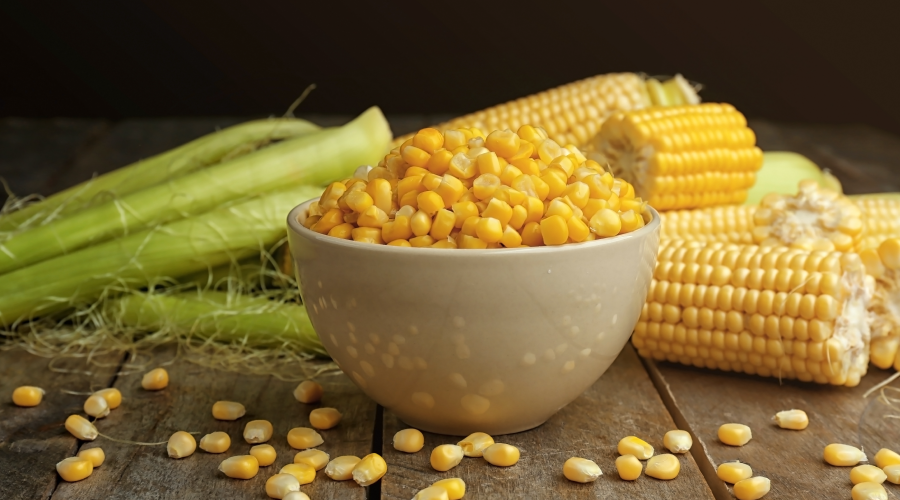
Paraguay, located in the heart of South America, is the origin of Agro Milagro Paraguay, which currently lists nine active products. The catalogue includes cotton seed for animal feed, polished fine long white rice, wheat flour, hardwood charcoal (Quebracho Blanco), briquettes for hookah, corn starch for human consumption, wheat seeds, American saffron, and wheat bran. These items fall under HS‑code families such as 1201 for cotton seed, 1006 for long grain rice, 1101 for wheat flour, 4401 for charcoal products, 1108 for corn starch, 1001 for wheat seeds, and 0910 for saffron. Agro Milagro Paraguay does not disclose additional corporate metrics, focusing on the product portfolio.
The supplier’s product set spans staple grains, a specialty spice, and fuel‑grade charcoal, serving agricultural, food‑processing and tobacco sectors. All items are produced or sourced within Paraguay, a country that regularly ships cereals and raw agricultural inputs to neighboring Brazil, Argentina and Chile as well as to the European Union and North America.
Product Range and Specialties of Agro Milagro Paraguay
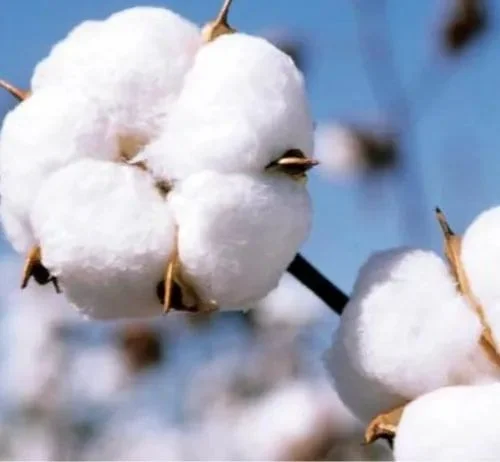
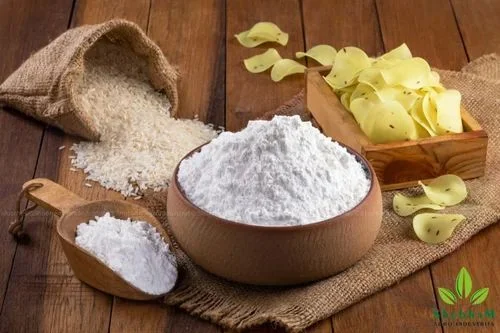
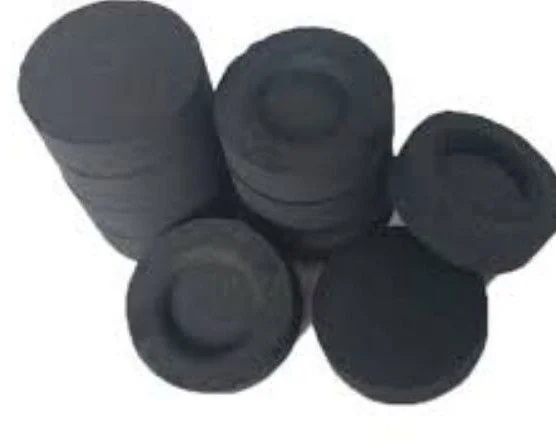
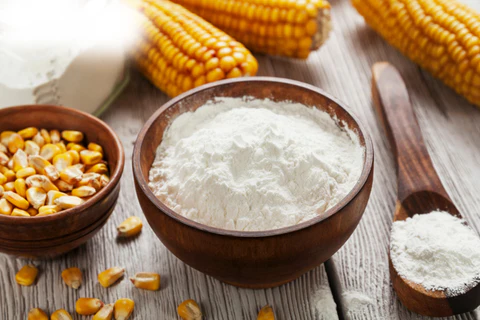
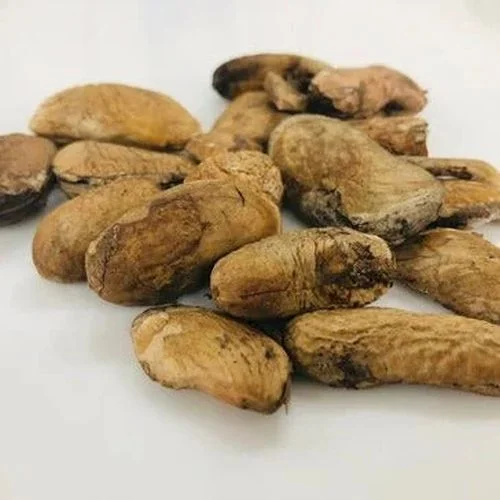
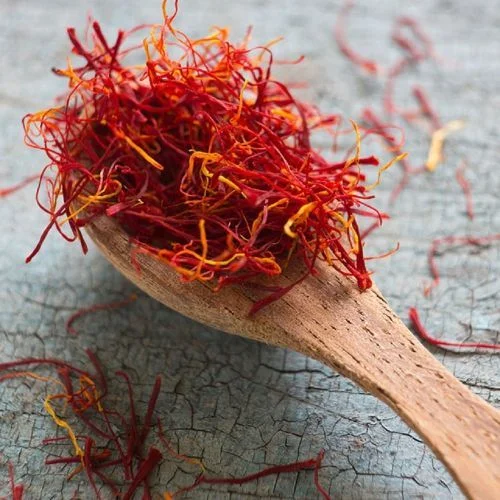
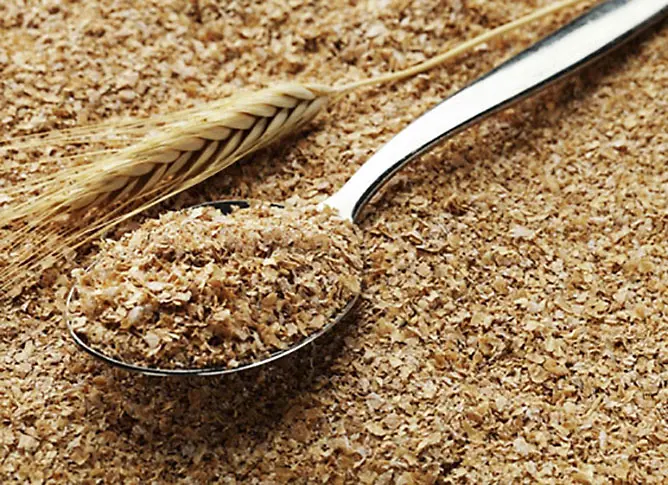
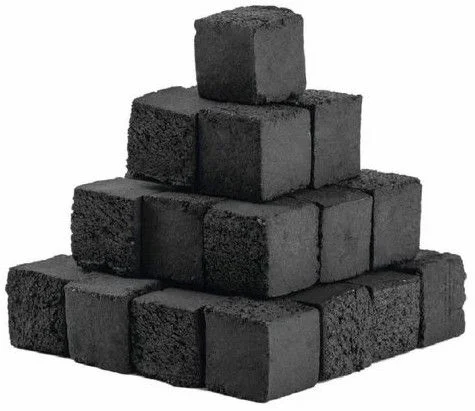
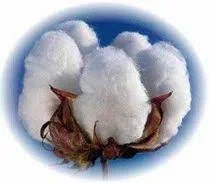
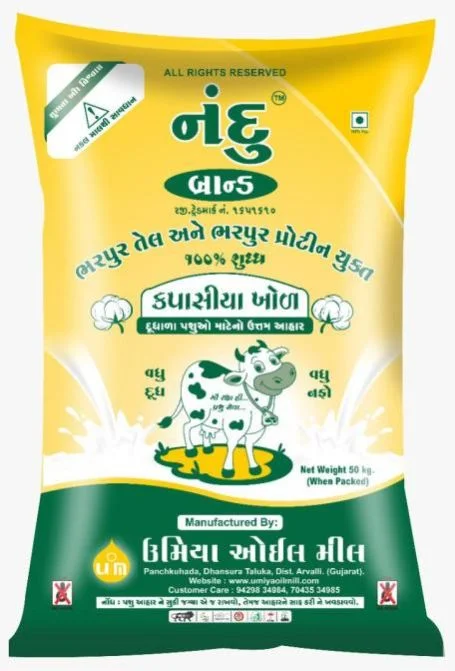
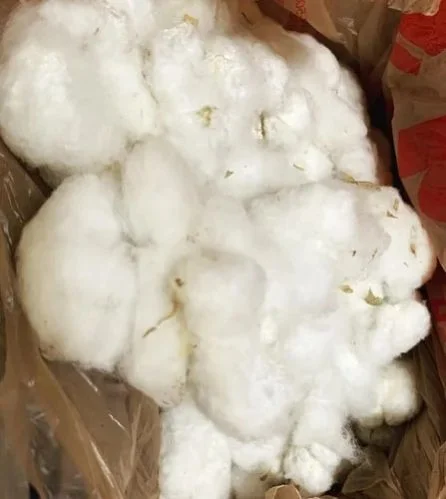
Agro Milagro Paraguay’s catalogue lists cotton seed intended for animal feed, which in the industry typically contains 11‑13 % crude protein and a gossypol level below 0.2 % for safe livestock use. The polished long white rice is marketed as fine, long grain and usually meets ICUMSA 45 colour standards with moisture under 14 % and broken grain below 5 %. Wheat flour is offered at a standard extraction rate of around 72 % and ash content near 0.6 % in line with common baking specifications. Hardwood charcoal (Quebracho Blanco) is sold as a low‑moisture (<10 %) fuel, while the hookah briquettes are pressed to uniform dimensions and typically packaged in 25 kg bags. Corn starch for human consumption is expected to exceed 99 % purity with low ash and moisture, and wheat seeds are supplied as certified seed with germination rates above 85 %. American saffron is graded according to ISO 3632, with crocin content of at least 30 % and sold in 100 g or 250 g sealed containers. Wheat bran is a high‑fiber by‑product, usually containing 12‑15 % protein and 40‑45 % dietary fibre.
Trade and Export Information - Agro Milagro Paraguay
Paraguay’s land‑locked geography means most bulk agricultural exports travel via the ports of Rosario or Buenos Aires in Argentina, using 20‑ft and 40‑ft containers or bulk trucks for grain shipments. Exporters of cotton seed, rice, wheat and corn starch commonly face phytosanitary certification requirements and, for food‑grade products, buyers often request ISO 22000 or HACCP compliance, as well as laboratory test reports for moisture, protein and contaminant limits. Charcoal and charcoal briquettes are typically classified under HS 4401 and may require compliance with ASTM D1102 or EU fuel‑quality standards, especially for industrial buyers in Europe and the Middle East. Saffron shipments from Paraguay are subject to strict purity testing, customs inspection under HS 0910, and may need a certificate of analysis that confirms crocin, picrocrocin and safranal levels. Major import markets for these Paraguayan commodities include Brazil, Chile, the United States, the European Union and certain Asian countries that source specialty spices and feed ingredients.
Sourcing from Agro Milagro Paraguay - Buyer Guidance
When sourcing cotton seed from Agro Milagro Paraguay, buyers should request a recent analysis showing protein content, gossypol level and any mycotoxin screening results. For the polished rice and wheat flour, a moisture test, broken grain percentage and ash content report are standard documents to verify compliance with typical buyer specifications. Charcoal buyers usually ask for moisture and ash analysis, as well as a furnace test confirming calorific value. Saffron purchasers must obtain a certificate of analysis that details crocin, picrocrocin and safranal percentages, together with a purity test confirming the absence of foreign matter. Across all food products, a phytosanitary certificate and, where applicable, an ISO 22000 or HACCP audit report should be requested before confirming orders. Typical minimum order quantities are 5 tonnes for bulk grains, 1 tonne for corn starch, and 200 g for saffron, with lead times ranging from 30 to 45 days after sample approval.
Frequently Asked Questions About Agro Milagro Paraguay
What HS‑code should I reference when ordering cotton seed for animal feed?
Cotton seed for feed is generally classified under HS code 1201, which covers seeds of plants used for oil or protein extraction.
Which quality parameters are most important for the polished long white rice?
Buyers usually check ICUMSA colour (45 or lower), moisture content below 14 %, and broken grain percentage under 5 %.
What documentation is required for wheat flour shipments?
A laboratory analysis showing ash content (≈0.6 %), moisture (<14 %), and a phytosanitary certificate are standard; buyers may also request ISO 22000 compliance.
How is hardwood charcoal quality measured?
Charcoal quality is commonly assessed by moisture content (<10 %), ash content, and calorific value measured according to ASTM D1102.
What specifications define the hookah briquettes offered?
The briquettes are typically pressed to uniform size, packaged in 25 kg bags, and tested for moisture (≤10 %) and ash content to meet fuel‑grade standards.
What purity level should I expect for corn starch for human consumption?
Commercial corn starch is usually ≥99 % pure, with low residual protein and moisture below 12 %.
Which certifications are typical for saffron imports?
Importers often require a certificate of analysis confirming ISO 3632 grade 1 or 2 (crocin ≥30 %), along with a phytosanitary certificate.
What are the usual packaging and shipping terms for wheat seeds?
Wheat seeds are commonly packed in 50 kg polypropylene bags, loaded in 20‑ft containers, and shipped on CIF terms to the buyer’s port.




 , Paraguay