2015 — Verified Trader & Wholesale Supplier
About 2015 - Diesel Supplier in United States
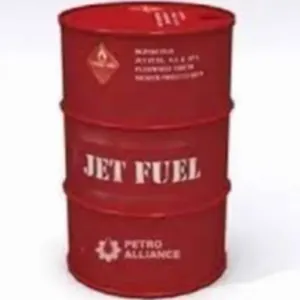
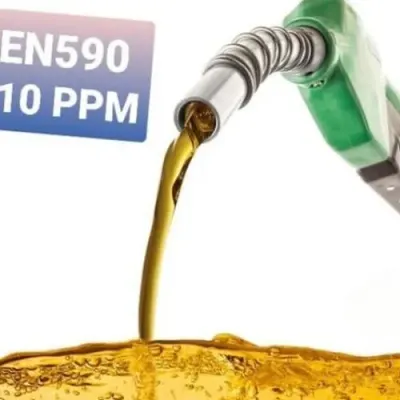
Based in the state of Utah, United States, the supplier identified as 2015 lists ten distinct petroleum products in its catalogue. The active product count of ten includes diesel fuels meeting the EN590 specification with a sulfur limit of 10 ppm, aviation turbine fuels classified as Jet A‑1/JP‑54, and variants referenced under GOST 10227‑86. The catalogue records HS code 2710.19 for several diesel and jet‑fuel entries, while other entries carry HS identifiers such as "10PPM", "A1/ JP54", and "GOST 10227‑86". The product titles reference diesel EN590, diesel EN590 D6 D2, and Jet Fuel A 1/JP‑54, indicating a focus on refined petroleum fuels for road, marine and aviation applications.
The supplier’s top categories span petroleum by‑products, diesel, marine engines, petrol, diesel generators, automobile engines and related systems. Although the profile description mentions connections with refineries, the factual data provided limits the view to the ten listed fuel grades. Each entry specifies the material - refined petroleum diesel fuel EN590 (sulfur ≤10 ppm) or kerosene‑based aviation turbine fuel - and aligns with HS chapter 27, which covers mineral fuels, oils and related products. No additional product specifications such as cetane number or flash point are stated in the supplied facts.
Product Range and Specialties of 2015
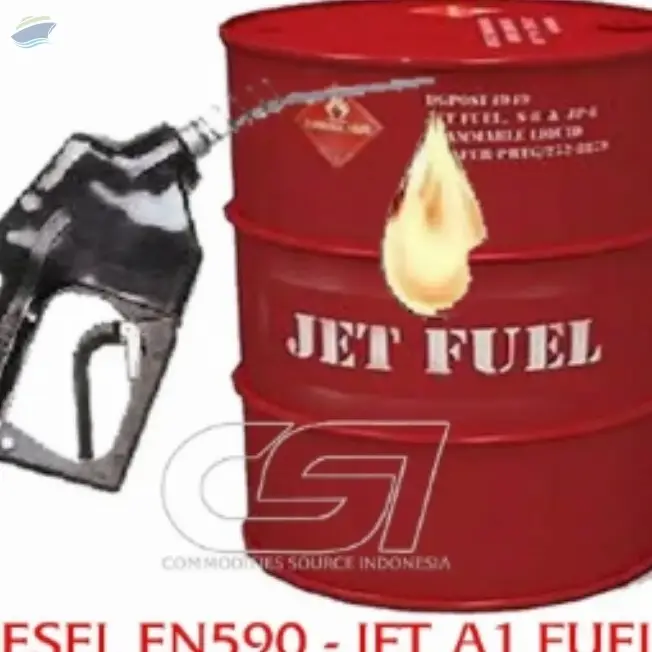
The catalogue comprises four diesel‑related entries and four jet‑fuel entries, plus two items identified by GOST 10227‑86. Diesel items are described as EN590 with a sulfur cap of 10 ppm, a standard widely adopted in the European Union and many Asian markets. Typical EN590 specifications also require a cetane number of at least 45, a density of 820‑845 kg m⁻³, and a flash point not lower than 52 °C. Jet‑fuel entries correspond to the Jet A‑1 / JP‑54 grade, which under ASTM D1655 must meet a freezing point of - 47 °C, a flash point of ≥38 °C, and a sulfur content generally ≤30 ppm.
Industry practice for these fuels includes ISO‑9001 quality management and API certifications such as API 6A for fuel handling equipment. Buyers often request material safety data sheets (MSDS), certificates of analysis (CoA) referencing ASTM D975 for diesel and ASTM D1655 for jet fuel, and conformity to the EN 590 or GOST standards indicated. Packaging is typically in ISO tank containers of 20 ft or 40 ft dimensions, or in bulk cargo tanks on vessels for marine shipments.
Trade and Export Information - 2015
United States exporters of diesel EN590 and Jet A‑1 generally ship to European Union ports, East Asian markets such as Japan and South Korea, and North‑American downstream users. The HS code 2710.19 is used for both refined diesel and aviation turbine fuel, and customs authorities often require pre‑shipment inspection reports and conformity certificates. Commonly requested certifications include ISO 9001, API 6A, and compliance with ASTM D975 (diesel) or ASTM D1655 (jet fuel).
Logistics for these fuels frequently rely on FOB or CIF terms, with cargo moved in ISO tank containers, rail tank cars, or dedicated fuel tankers for maritime delivery. Export controls in the United States mandate end‑use verification for certain fuel grades, and buyers should anticipate documentation such as the Export Administration Regulations (EAR) filing and a Bill of Lading indicating the HS code. Typical destination regions include the EU, Southeast Asia, and the Middle East, where the EN590 and Jet A‑1 specifications are standard.
Sourcing from 2015 - Buyer Guidance
When sourcing diesel EN590 or Jet A‑1 from this supplier, buyers should request a current Certificate of Analysis that confirms sulfur content (≤10 ppm for EN590) and other ASTM parameters. Verification of the refinery source, ISO 9001 quality‑system certification, and any applicable API or EN certifications helps assess compliance. Samples can be requested in 1‑200 L quantities, and buyers should confirm the packaging format (ISO tank) and the incoterm before finalizing the contract.
Typical minimum order quantities for bulk fuel shipments range from 10,000 L to 100,000 L, with lead times of two to four weeks after order confirmation, depending on vessel scheduling and export clearance. Buyers are advised to review the HS code listed for each product, ensure that the fuel grade matches the intended end‑use, and arrange for independent laboratory testing if required by the destination market.
Frequently Asked Questions About 2015
What diesel grades does the supplier list?
The supplier lists diesel EN590 products with a sulfur limit of 10 ppm, including variants referenced under HS code 2710.19 and GOST 10227‑86.
Which jet‑fuel specifications are offered?
Jet Fuel A‑1/JP‑54 entries correspond to the Jet A‑1 grade defined by ASTM D1655, with HS code 2710.19 or GOST 10227‑86 as indicated.
What HS codes are associated with the listed fuels?
Diesel and jet‑fuel entries are primarily recorded under HS code 2710.19; additional catalogue entries carry the identifiers "10PPM", "A1/ JP54", and "GOST 10227‑86".
Which certifications should a buyer request for these fuels?
Buyers should ask for ISO 9001 quality‑system certificates, API 6A compliance where applicable, and product‑specific certificates such as ASTM D975 for diesel and ASTM D1655 for jet fuel.
What packaging formats are typical for the supplier’s products?
The fuels are normally shipped in ISO tank containers (20 ft or 40 ft) or bulk tankers, consistent with industry practice for bulk petroleum products.
What is a common minimum order quantity and lead time?
Bulk orders usually start at around 10,000 L, with a typical lead time of two to four weeks after order confirmation, subject to vessel availability.
How can a buyer verify product quality before purchase?
Request a recent Certificate of Analysis, review the refinery source, and, if needed, arrange independent laboratory testing of sulfur, cetane number (diesel) or flash point (jet fuel).




 , United States